 ProMapRanker
Best Home Insurance Companies in 2026

Key takeaways
- State Farm and Allstate suit buyers who want a local agent plus a bundle with auto insurance, while Amica stands out for claims service in published satisfaction studies.
- USAA is often the strongest value pick, but only military members, veterans and eligible family members can buy it.
- Lemonade suits a simple home and a fully digital purchase, but it is a weaker fit for older homes or complex coverage needs.
- Home insurance prices vary far more by home, location and coverage limits than by brand, so at least three quotes for the same limits are worth the time.
- Check flood and earthquake exclusions carefully, since standard home policies usually do not cover them.
Quick comparison
| Pick | Great for | Pricing starts at | Free tier | |
|---|---|---|---|---|
 State Farm | Local agent service and bundling | See website | No | Visit |
 Amica | Claims service and customer satisfaction | See website | No | Visit |
 USAA | Military families and veterans | See website | No | Visit |
 Allstate | Bundling and digital claim tools | See website | No | Visit |
 Travelers | Broad coverage and endorsements | See website | No | Visit |
 Nationwide | Replacement cost and brand-new belongings coverage | See website | No | Visit |
 Lemonade | Fast digital purchase for simpler homes | See website | No | Visit |
 Progressive | Bundling home with auto insurance | See website | No | Visit |
The best home insurance companies
We compared official coverage pages, pricing tools, claims information and public satisfaction studies for the largest US home insurers. The best home insurance companies below are not ranked by price alone, since a quote for your home will differ from any national average. They are ranked by breadth of coverage, claims reputation, financial strength and how easy each company is to deal with.
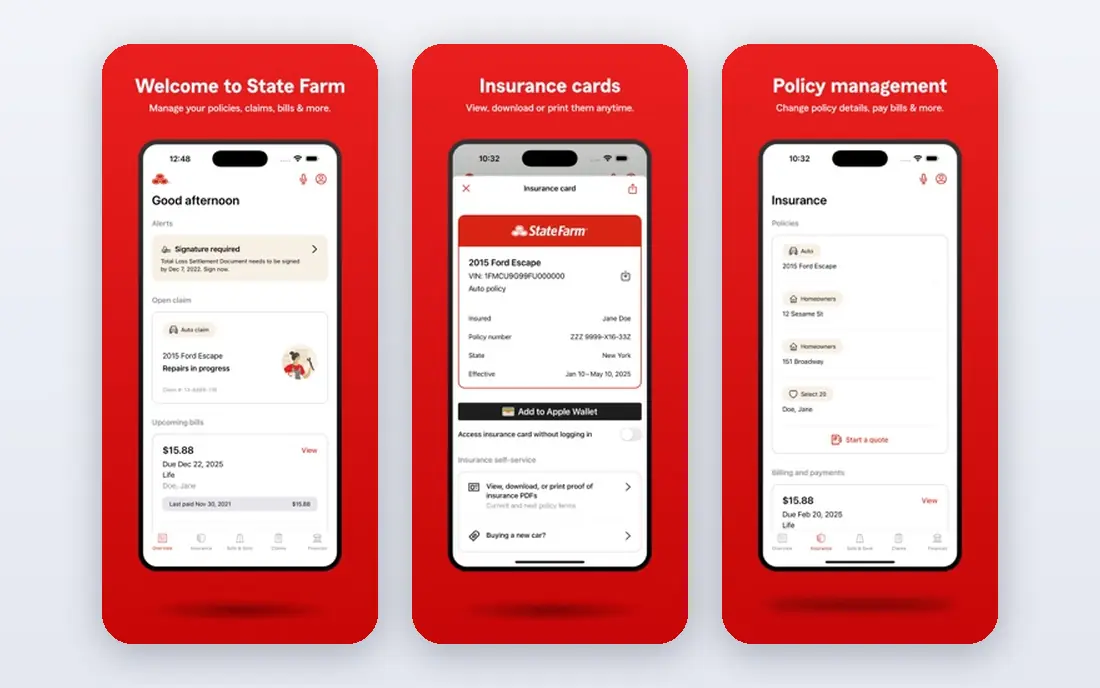
State Farm is our pick for most people who want a person to call when something goes wrong. It is the largest home insurer in the United States, and its local agents are a real advantage at claim time, when a familiar contact can explain the next step and chase paperwork. Bundling home and auto is where State Farm often becomes competitive, and its app covers claims filing, payments and policy documents in one place.
The honest catch is that State Farm is not always the cheapest quote, and its coverage options can feel less flexible than some rivals. Availability and new-business rules also vary by state, especially in areas with heavy wildfire or storm risk. Get a quote, then compare it line by line with another insurer on dwelling limit, deductible and replacement cost terms before you decide.
- Large agent network
- Strong bundling discounts with auto
- Wide availability
- Online-only buyers may find the process less digital than newer rivals
- Some endorsements vary by state
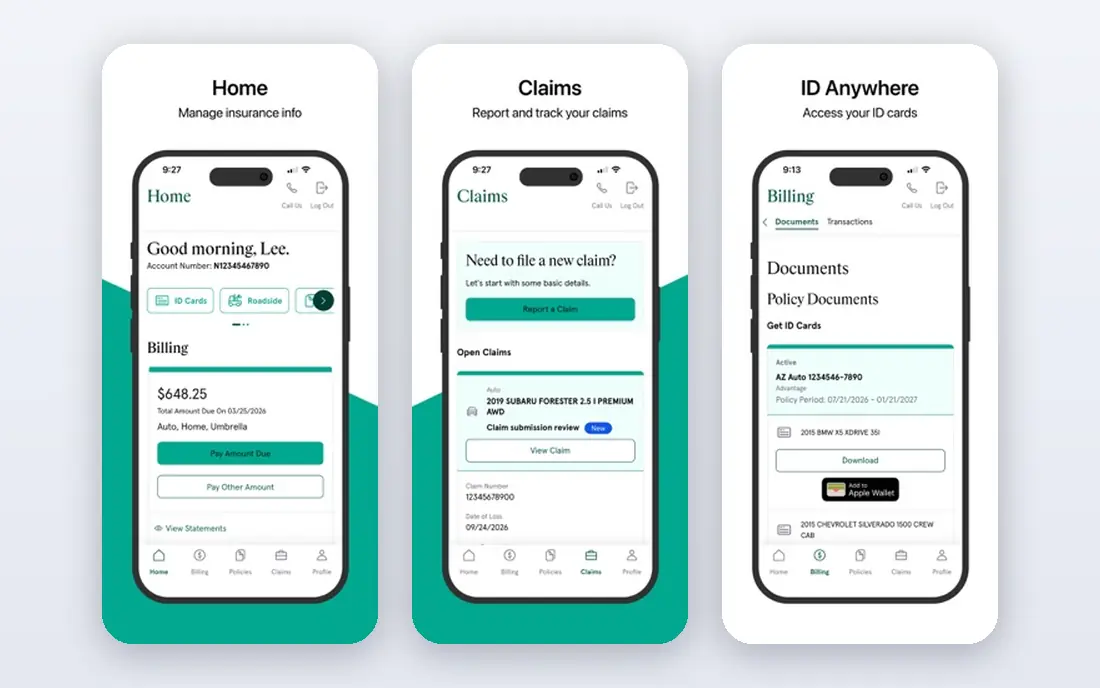
Amica has built its reputation on service rather than advertising volume. In J.D. Power studies it has repeatedly scored near the top for home insurance satisfaction, and its claims satisfaction scores are among the strongest in the market. Dividend policies, where available, can return part of the premium to policyholders, which softens the cost over time.
The trade-off is reach and price. Amica does not have an agent office on every corner, and its quotes are not always the lowest on the page. If you value a calm, well-handled claim over saving a small amount each month, Amica deserves a quote. Ask specifically about replacement cost coverage and water damage terms, since those details matter more than the headline premium.
- Consistently high satisfaction scores
- Dividend policies available
- Strong financial strength
- Smaller agent network than State Farm
- Pricing can sit above the cheapest quotes
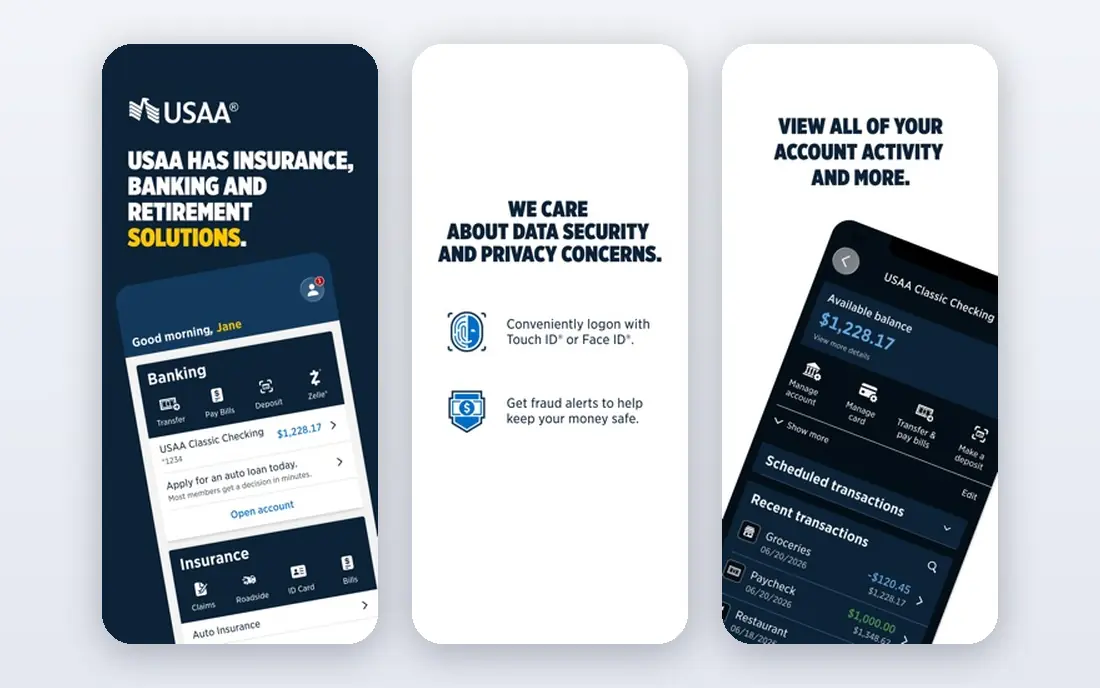
USAA is the answer to the question of what home insurance company is best for military families, and it is not close. Eligible members, meaning service members, veterans and eligible family, often get pricing below the market median alongside coverage that includes replacement cost as standard. Its member service record is strong, and its digital tools are solid for people who move often.
The limit is eligibility. If you are not part of the military community, USAA is not an option, so the rest of this list matters more. Eligible readers should still compare USAA against one other quote, because home location and rebuild cost can change the result. USAA also offers bundling with auto and banking products, which can simplify a move between duty stations.
- Competitive pricing for eligible members
- Replacement cost coverage standard on many policies
- Strong service record
- Eligibility limited to the military community
- Fewer local offices
Allstate pairs a traditional agent network with some of the better digital tools among large insurers. Its app lets you file and track claims, and its Claim Free Rewards program can reduce deductibles after claim-free years in states where it is offered. For households that already insure a car with Allstate, bundling is the simplest way to bring the home premium down.
Regional variation is the weakness to watch. Customer satisfaction for Allstate differs more by state than for some rivals, so local reviews and your own quote matter. Allstate also leans on smart-home discounts in some markets, which helps if your home already has approved devices. Read the endorsements list carefully, since add-ons for water backup and scheduled personal property are easy to miss.
- Large agent network
- Digital claims tools
- Claim-free rewards in many states
- Satisfaction scores vary by region
- Base rates can be higher in some areas
Travelers is a good pick when a standard policy does not quite fit. Its endorsement menu covers items such as water backup, equipment breakdown and valuable items, which lets you shape the policy around a home office, a finished basement or high-value belongings. Financial strength is top tier, which matters for a policy you may hold for decades.
The buying experience is more traditional than a digital-first rival, and some buyers will need an agent to get the best result. That is not a flaw if you want advice, but it is slower if you want an instant online bind. Travelers also offers discounts for green homes and protective devices in some states, so mention any recent upgrades when you ask for a quote.
- Wide range of endorsements
- Strong financial strength
- Green home discounts in some states
- Quoting can feel less digital than newer brands
- Pricing varies widely by state
Nationwide stands out for one feature that matters after a serious loss: its Brand New Belongings coverage can replace damaged personal property with new items rather than paying depreciated value. That difference is easy to overlook when you compare premiums, and it can be worth hundreds or thousands after a fire or major water loss. Nationwide also writes policies widely across the United States and bundles well with auto.
The downside is price in some markets, where Nationwide quotes land above cheaper rivals for the same dwelling limit. Its online quote flow also varies by state, so an agent quote is sometimes needed for the full picture. If you own a lot of electronics, furniture or tools, ask how replacement cost applies to contents, not just to the dwelling itself.
- Brand New Belongings option
- Broad availability
- Bundling with auto and other lines
- Pricing can be above average in some states
- Online quote depth varies
Lemonade is the easiest company on this list to buy from on a phone. Quotes take minutes, claims can be filed in the app, and its Giveback program donates unclaimed premium money to causes chosen by policyholders. For a condo, a newer house or a renter moving to a home policy, that simplicity is a genuine advantage.
The catch is scope. Lemonade is a weaker fit for older homes, high-value homes or properties that need specialist endorsements, and availability varies by state. Its claims model also leans on automation, which some buyers prefer and others do not. If your home is straightforward and you want speed, Lemonade is worth a quote. If it is not, a traditional insurer with an agent will serve you better.
- Quick online quotes and claims filing
- Giveback program donates leftover premiums
- Clear app experience
- Less suited to older or high-value homes
- Coverage options narrower than large traditional insurers
Progressive is best known for auto insurance, but it is a practical route into home coverage, especially if you already insure a car there. Bundling can cut both premiums, and the online quote flow is simple. Discounts for bundling, claims-free history and home safety features are available in many states.
One detail deserves attention: Progressive home policies in some states are underwritten by partner companies rather than Progressive itself, so the claims experience can depend on that partner. Ask who underwrites the policy before you buy, and check that the partner's service record is acceptable to you. For drivers who want one bill and one account, Progressive still earns its place, but compare it against a direct quote from State Farm or Allstate.
- Easy bundling with auto
- Broad online quoting
- Many discount options
- Home policies are often underwritten by partner insurers
- Service experience can vary by partner
How we picked these
We compared official feature and coverage pages, pricing and quote tools, app store listings, financial strength ratings and public satisfaction studies for major US home insurers. We favoured companies that write policies widely, publish clear coverage details and have a track record of paying claims without a long fight. We also included a digital-first option, Lemonade, because many buyers now start online, and a restricted option, USAA, because it is the strongest value for eligible members. Prices are not quoted as fixed numbers here because home premiums depend on rebuild cost, location, claims history and deductible, and any single figure would mislead more than it helped.
What to check before you buy home insurance
Start with rebuild cost, not market value. Your dwelling limit should reflect what it would cost to rebuild your home with similar materials today, and that figure is often higher than people expect. Ask each insurer how they calculated it, and whether replacement cost or extended replacement cost applies. A cheap policy with a low dwelling limit can leave a large gap after a total loss.
Next, compare deductibles and exclusions on the same basis. A lower premium paired with a high deductible or a percentage wind deductible can cost far more after a storm. Check water damage, sewer backup, ordinance or law coverage and personal property limits, and ask about flood cover separately, since standard policies exclude flood damage. Finally, list discounts honestly: bundling, claims-free history, protective devices and a newer roof all help, but only if the insurer actually applies them to your quote.
Frequently asked questions
What home insurance company is best for most people?
State Farm is a solid default because of its agent network, wide availability and bundling value, while Amica suits buyers who put claims service first. The best choice still depends on your home, your state and your quote, so compare at least three insurers with identical limits and deductibles.
Which home insurance company is best for paying claims?
Amica and USAA score strongly in published claims satisfaction studies, and Erie and Chubb also rank well where they operate. Read the policy wording on replacement cost and water damage, since those terms decide how much you actually receive after a loss.
What is the best home insurance company in Michigan?
Michigan buyers should compare State Farm, Allstate, Auto-Owners and Progressive, since pricing and availability in Michigan differ from national averages. Auto-Owners, sold through independent agents, is often competitive in Michigan, so include an independent agent quote alongside direct quotes.
Are the best home insurance companies reviews trustworthy?
Reviews help, but they mix pricing complaints with genuine claims problems, so weight financial strength ratings and claims satisfaction studies more heavily. Look for patterns across many reviews, such as repeated complaints about a specific claim type, rather than single angry posts.
Does home insurance cover flood damage?
Standard home policies usually exclude flood damage, so homes in flood-prone areas need a separate flood policy, often through the National Flood Insurance Program or a private flood insurer. Ask your insurer for a flood quote at the same time as your home quote, even if your mortgage lender does not require it.
How can I lower my home insurance premium without losing cover?
Bundle home and auto, raise your deductible only to an amount you can pay from savings, and ask about discounts for a newer roof, alarms and smart-home devices. Keep dwelling and replacement cost limits intact, since cutting those limits is the most expensive way to save a small amount each month.
Sources
See where you really rank - block by block
ProMapRanker scans Google Maps across a grid of your service area. Simple monthly plans from $19, white-label on every plan.
Start freeKeep reading
 youtube alternatives
Best YouTube Alternatives in 2026
Looking for youtube alternatives in 2026? We compare Vimeo, Dailymotion, Twitch, Rumble, and more on price, audience, monetization, control and privacy.
Read → what's the best ai tool for photo editing
What Is the Best AI Tool for Photo Editing in 2026
What is the best AI tool for photo editing? We compare ten tools for 2026, from Photoshop and Lightroom to Luminar, Topaz, Canva and mobile editors today.
Read → twitter alternatives
Best Twitter Alternatives in 2026
Compare the best twitter alternatives for 2026, from Bluesky, Threads, and Mastodon to Reddit, Tumblr, and Micro.blog, with free plans and audience notes.
Read →