 ProMapRanker
Best Home Equity Loan Companies in 2026

Key takeaways
- PNC Bank and Bank of America suit borrowers who want a large bank with branch support and low fee options.
- Figure is best for fast digital HELOC funding, while Rocket Mortgage suits a fixed rate lump sum loan.
- Navy Federal and PenFed suit eligible members who want credit union pricing and service.
- A home equity loan gives a fixed lump sum, while a HELOC gives a draw period with variable rates, so pick by how you will use the money.
- This is general information only, not financial advice, and rates, fees, and eligibility vary by credit, home value, and state.
Quick comparison
| Pick | Great for | Pricing starts at | Free tier | |
|---|---|---|---|---|
 PNC Bank | Overall large bank choice | See website | No | Visit |
 Figure | Fast digital HELOC | See website | No | Visit |
 Bank of America | Low fee options | See website | No | Visit |
 Rocket Mortgage | Fixed rate loan | See website | No | Visit |
 Navy Federal Credit Union | Military borrowers | See website | No | Visit |
 PenFed Credit Union | Low fee credit union loans | See website | No | Visit |
 Citizens Bank | Small loan amounts | See website | No | Visit |
 Fifth Third Bank | Flexible rate lock | See website | No | Visit |
 Spring EQ | Higher loan to value cases | See website | No | Visit |
The best home equity loan companies in 2026
We compared official lender pages, product terms, fee disclosures, and 2026 roundups from Money and other review sources for lenders active in October 2026. We focused on product type, loan amounts, credit needs, fees, draw and repayment terms, and funding speed. Rates change with market conditions and borrower profile, so we use See website where a single rate would mislead, and we note product structure rather than promising a rate you will receive.
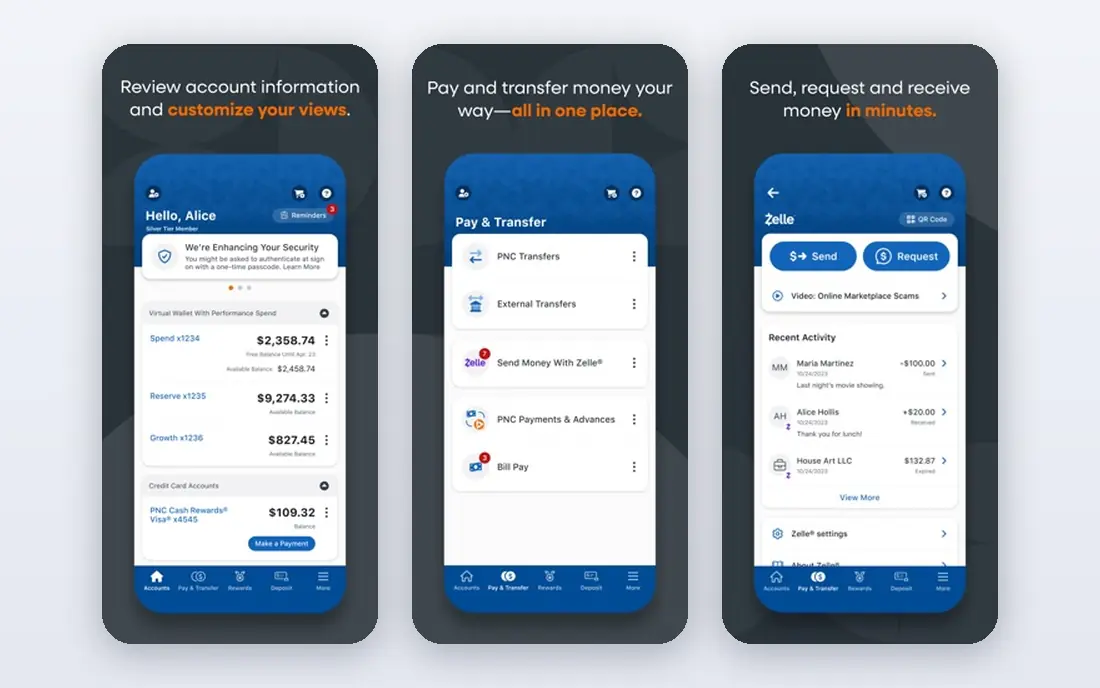
PNC Bank is often ranked as a strong overall home equity lender, because it offers both fixed rate home equity loans and HELOCs through a large national bank. That choice matters: you can pick a lump sum with fixed payments for a known project, or a line you draw as needed for phased work. Branch support also helps borrowers who want to discuss terms in person before signing a lien on their home. The trade off is process speed and price variation. A bank process can take longer than a fully digital lender, and advertised rates depend on credit, loan to value, property, and state. Ask for a full fee list, including appraisal, closing, and annual fees, and compare the total cost over the draw and repayment periods, not just the opening rate.
- Both loans and HELOCs
- Branch and online service
- Wide availability
- Rates and fees vary by state and profile
- Branch process can be slower than digital lenders
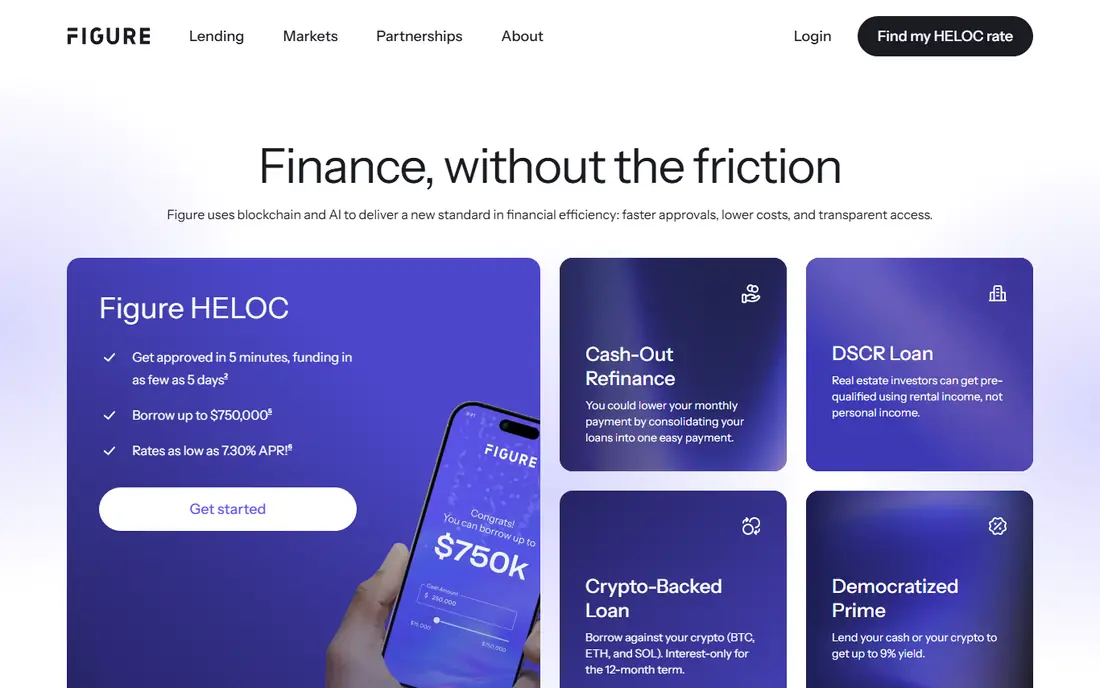
Figure is a digital lender known for a streamlined HELOC process, with funding reported in as few as five days for qualified borrowers. Its loan range is wide, commonly listed from $15,000 to $750,000, which suits larger projects as well as mid size borrowing. The online flow, including a soft pull rate check in many cases, reduces paperwork compared with a traditional bank visit. Read the product structure carefully. Figure HELOCs are often described as a full draw at closing, which functions more like a loan than a flexible line you draw in small amounts over years. Rates are variable and depend on profile, so ask what the rate becomes after any introductory period and what the lifetime cap is. Figure suits borrowers who want speed and a digital process and who understand the draw terms.
- Fully digital application
- Funding in as few as five days in some reports
- Large loan range
- HELOC is a full draw product in many cases
- Variable rates need careful reading
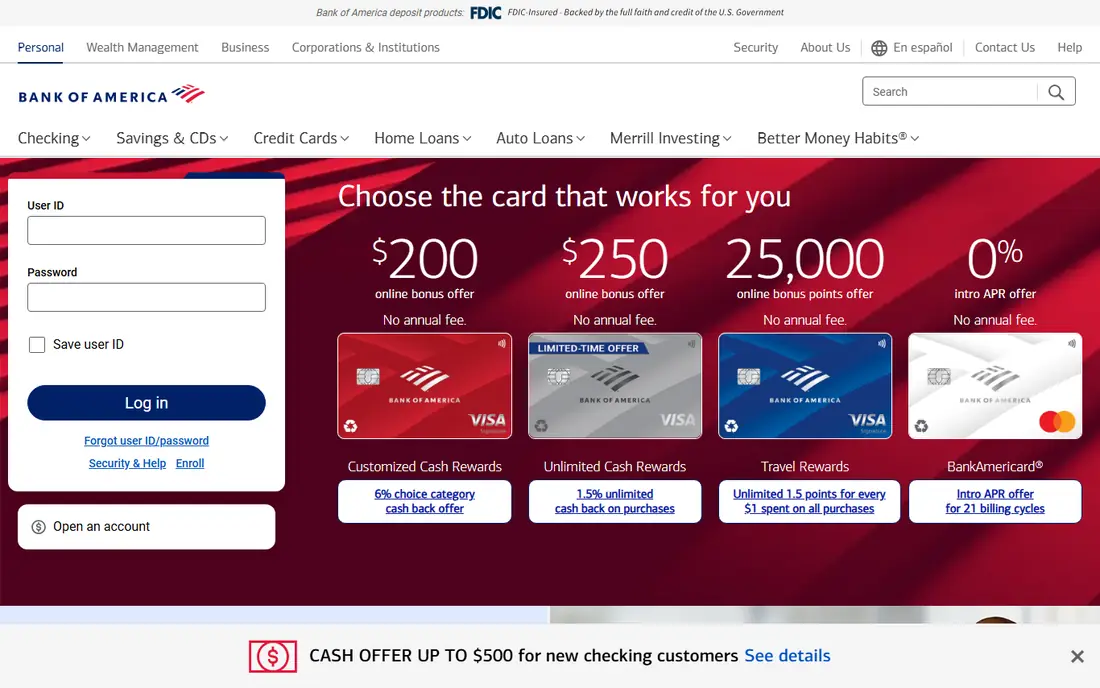
Bank of America is frequently cited for low fee home equity options, which can make a real difference over a long repayment period. Closing costs, annual fees, and early closure fees add up, so a lender with a cleaner fee schedule can beat a lender with a slightly lower headline rate. Bank of America also offers both loans and HELOCs in many states, with online and branch support. Terms vary by state and by borrower relationship, including existing accounts, so the best advertised terms may not apply to every applicant. Ask for a written estimate that lists every fee, the rate type, the draw period, and the repayment period. Bank of America suits borrowers who want a major bank, a clear fee picture, and in person help if needed.
- Noted for low fees
- Both loan and HELOC options in many states
- Online and branch service
- Availability and terms vary by state
- Relationship pricing can affect the best rate
Rocket Mortgage offers a fixed rate home equity loan, not a HELOC, which suits a single known cost such as a large renovation or debt consolidation. You receive one lump sum at closing, with a fixed rate and the same monthly payment for the life of the loan, subject to term. Loan amounts are commonly listed from $45,000 to $500,000, with a $10,000 minimum in Michigan, and terms reported from 10 to 20 years. The limits are clear. There is no line of credit to draw later, the minimum is high for small projects, and the credit minimum is 680. If you need phased borrowing, a HELOC from another lender in this list will fit better. If you want payment certainty for one project and you meet the credit and amount thresholds, Rocket Mortgage is a strong, simple choice.
- Fixed rate lump sum
- Clear loan range
- Well known online process
- No HELOC
- Minimum loan is high at $45,000 in most states
- Credit bar at 680
Navy Federal Credit Union serves military members, veterans, and their families, and it is often cited for competitive home equity terms, including higher loan to value options for qualified members. Credit union pricing and service can beat large banks for eligible borrowers, and Navy Federal offers both loan and line products depending on state and program. Membership is the gate. If you are not eligible, this lender is not an option, no matter how strong the terms look. Eligible borrowers should ask about loan to value limits, rate type, fees, and draw periods for their specific product, because terms vary. For military households, Navy Federal should be on every shortlist.
- Military focused service
- High loan to value in some cases
- Credit union pricing
- Membership limited to eligible military, veterans, and families
- Terms vary by product
PenFed Credit Union is known for low fee home equity programs, with loan amounts commonly reported from $25,000 to $500,000. Low fees matter most when you borrow for a long period or when you might repay early, because closing and annual charges can erase a small rate advantage. PenFed also offers a member focused service model that many borrowers prefer over a large bank call center. Membership eligibility and product availability vary, so check that you qualify and that the product you want is offered in your state. Ask for the full fee schedule, including appraisal and closing costs, and compare it with a bank quote on total cost, not headline rate alone. PenFed suits borrowers who want credit union pricing with a clear fee picture.
- Documented low fee programs
- Loan range from $25,000 to $500,000 in reports
- Member service
- Membership rules apply
- Online process varies by product
Citizens Bank is often cited as a good choice for smaller home equity borrowing, which matters because many lenders set minimums at $25,000 or higher. A smaller loan can be the right size for a single room update, a roof repair, or a modest debt consolidation, without borrowing more than you need and paying interest on the extra amount. Citizens offers HELOC products in many of its states, with branch and online support. Smaller loans can still carry fixed fees, so ask whether the fee total makes a small loan worthwhile compared with saving or using another credit product. Check draw period, repayment period, and any annual fee, and get the estimate in writing. Citizens suits borrowers who need a smaller amount and want a bank lender rather than a digital only firm.
- Noted for small loan amounts
- HELOC options
- Branch and online service
- Availability varies by state
- Rates depend on profile and loan size
Fifth Third Bank is noted for flexible rate lock features on HELOCs, which let borrowers lock all or part of a variable balance into a fixed rate for a period. That feature can help if you draw a large amount and want payment certainty on that portion, while keeping the rest flexible for later draws. It is a useful middle ground between a pure variable line and a fixed loan. Lock terms, fees, and lock periods vary, so read them before you draw. A lock that ends early or carries a fee can change the cost picture, and the locked rate may differ from the variable rate at the time. Fifth Third suits borrowers who want HELOC flexibility with an option to fix part of the balance when rates move.
- Flexible rate lock options on HELOCs
- Large bank service
- Loan and line products
- Terms vary by state
- Lock terms need careful reading
Spring EQ is cited in 2026 comparisons for competitive terms on higher loan to value borrowing, where traditional banks often tighten underwriting. That can matter if you have built equity but still owe a large share of your home value, or if you need a larger share of equity for a major project. Spring EQ offers both loans and lines, with an online application flow. Higher loan to value borrowing usually costs more in rate and may require stronger credit or income documentation, so compare total cost, not just approval. Ask about loan to value caps, rate type, fees, and repayment terms for your exact equity position. Spring EQ suits borrowers who were turned down or limited elsewhere due to loan to value, provided the rate and payment still fit their budget.
- Competitive on higher loan to value positions
- Home equity loans and HELOCs
- Online process
- Higher loan to value usually means higher rates
- Underwriting is stricter on risk
How we picked these
We compared lenders active in October 2026 that offer home equity loans, HELOCs, or both to US homeowners, using official product pages, fee disclosures, and 2026 roundups. We favored lenders with clear product types, published loan ranges or credit needs, and a distinct strength, such as speed, low fees, small amounts, or higher loan to value. We avoided lenders with only a rate teaser and no product detail. We did not apply for loans as test borrowers, and we do not present a single rate as the rate you will receive. Rates, fees, and approval depend on credit score, income, home value, loan to value, property type, and state. This article is general information only, not financial advice. Talk to each lender and, where needed, an independent financial adviser before you place a lien on your home.
Loan or HELOC: which structure fits your plan
A home equity loan gives you a lump sum at closing with a fixed rate and fixed payments in most cases. That suits a known, one time cost, such as a full kitchen remodel or consolidating a set of debts into one payment. You know the payment from day one, but you pay interest on the full amount even if the project comes in under budget.
HELOC basics
A HELOC gives you a credit line for a draw period, often ten years, followed by a repayment period. You draw only what you need, and most HELOC rates are variable, so payments can rise if rates rise. That flexibility suits phased work, such as a remodel done in stages, but it needs discipline, because easy access can lead to borrowing more than planned.
Costs to compare
Compare the interest rate type, introductory period and reset rate, lifetime cap, closing costs, appraisal fee, annual fee, early closure fee, and minimum draw rules. Ask what happens at the end of the draw period, when payments can jump as principal repayment begins. Get a written estimate from at least three lenders, and check the total cost over five and ten years, not just the first year payment.
Risks to weigh
Your home secures the loan, so missed payments can lead to foreclosure. Borrowing against equity also reduces your cushion if home values fall or income drops. Only borrow an amount whose payment fits your budget even if rates rise, and keep an emergency fund separate from the credit line. If the payment only works at a teaser rate, the loan is too large or the wrong structure.
Frequently asked questions
What is the best company for a home equity loan?
PNC Bank is a strong overall pick for a large bank with both loans and lines, while Rocket Mortgage suits a fixed rate lump sum and Figure suits a fast digital HELOC. The best company for a home equity loan depends on whether you want a fixed payment, a flexible line, branch help, or the fastest funding.
What is the best company for a HELOC?
Figure is best for fast digital HELOC funding, Fifth Third is noted for flexible rate locks, and Bank of America is noted for low fees. Navy Federal and PenFed are strong for eligible credit union members. Compare draw period, variable rate cap, and fees, not just the opening rate.
What are the best home equity line of credit companies for small amounts?
Citizens Bank is noted for smaller loan amounts, but check current minimums in your state, because minimums vary by lender and product. For very small needs, compare the total fees against saving, a personal loan, or a low interest credit option before you place a lien on your home.
How much equity do I need for a home equity loan?
Most lenders require you to keep some equity after borrowing, often lending up to 80 to 90 percent of home value combined with your mortgage, though some lenders go higher for qualified borrowers. Your credit, income, and property type also affect the limit. Ask each lender for your maximum based on an appraisal or valuation.
Is a home equity loan better than a HELOC?
A loan is better for a known, one time cost where fixed payments help budgeting. A HELOC is better for phased or uncertain costs where you want to draw only what you need. If you value payment certainty, pick a loan; if you value flexibility and can handle variable payments, pick a HELOC.
Do home equity loans have closing costs?
Yes, many do, including appraisal, title, and origination charges, though some lenders advertise low or no closing costs for certain products. Always ask for a full written fee list and check whether a no closing cost offer carries a higher rate or an early closure fee. Compare total cost over the loan life, not just upfront fees.
Sources
See where you really rank - block by block
ProMapRanker scans Google Maps across a grid of your service area. Simple monthly plans from $19, white-label on every plan.
Start freeKeep reading
 zendesk alternatives
Best Zendesk Alternatives in 2026
Compare the best Zendesk alternatives in 2026, from budget help desks to AI-first support tools, with current pricing, free plans, and honest trade-offs.
Read → wordpress alternatives
Best WordPress Alternatives in 2026
Looking for the best WordPress alternatives? We compare 8 free and paid options for blogs, business sites, stores, and developer-led projects in 2026.
Read → which real estate company has the best training
Best Real Estate Company Training in 2026
Compare which real estate company has the best training, from Keller Williams and eXp to Compass and Coldwell Banker, by program, mentor, and fit in 2026.
Read →