 ProMapRanker
Best Grading Company for Sports Cards in 2026

Key takeaways
- PSA remains the default choice for resale value in most sports card markets, but its service tiers and turnaround times change often.
- Beckett and SGC suit collectors who value subgrades, vintage expertise or a distinct slab look.
- CGC Cards, TAG, HGA, ISA and ACE give newer or budget-minded collectors more options, with different strengths in speed and reporting.
- Always check current tier prices, declared value limits and turnaround estimates before sending cards, since all three move during the year.
Quick comparison
| Pick | Great for | Pricing starts at | Free tier | |
|---|---|---|---|---|
 PSA | Resale value for most sports cards | See website | No | Visit |
 Beckett Grading Services | Subgrades and vintage cards | See website | No | Visit |
 SGC | Vintage cards and fast, simple grading | See website | No | Visit |
 CGC Cards | Consistent grading across card types | See website | No | Visit |
 TAG | Detailed grading reports and AI-assisted checks | See website | No | Visit |
 HGA | Custom labels and modern cards | See website | No | Visit |
 ISA Grading | Budget grading with clear reports | See website | No | Visit |
 ACE Grading | UK-based grading for collectors in Europe | See website | No | Visit |
The best grading company for sports cards
Grading turns a raw card into a sealed, authenticated item with a condition grade, and that grade can change what a buyer will pay. The right company depends on your goal. A seller chasing top resale value often picks a different grader than a collector who wants a clean slab for a personal collection, or a parent grading a child's first cards. Fees, declared value limits, turnaround times and slab design all matter, so compare them before you mail anything valuable.
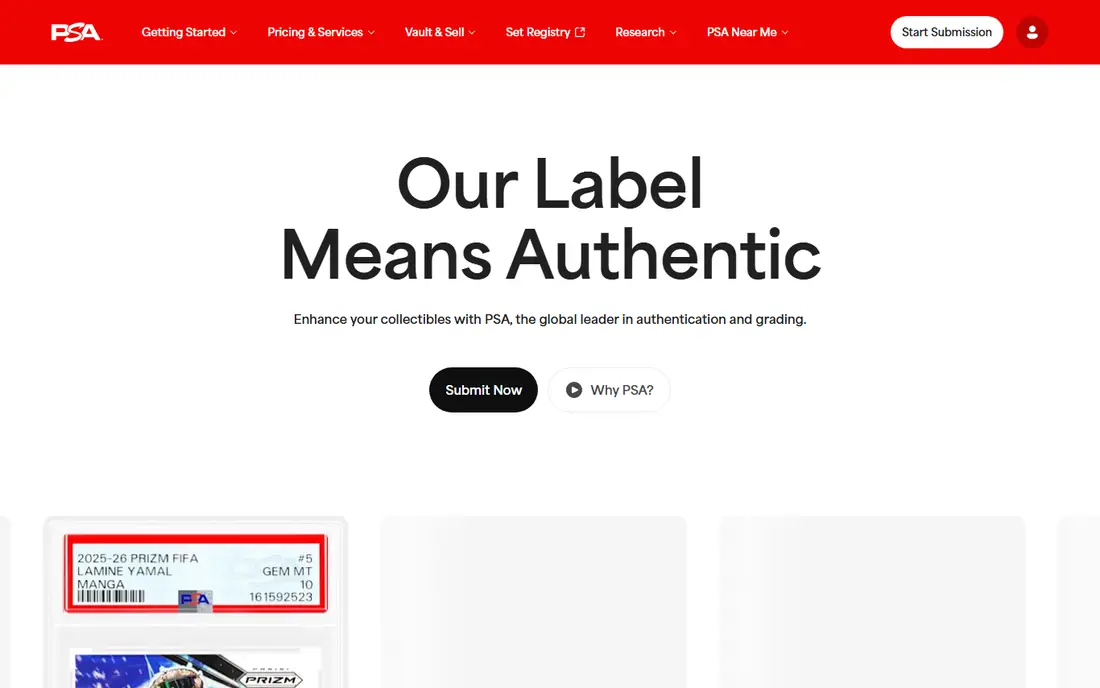
PSA is the name most sports card buyers recognise first, and that recognition is its main advantage. A PSA graded card is easy to list, easy to compare with past sales, and easy for a buyer to trust at a glance. Its population reports show how many copies of a card have received each grade, which helps sellers judge rarity and buyers judge whether a grade is common or scarce. PSA also grades a huge range of sports and trading cards, from vintage baseball to modern football and basketball.
The trade-offs are cost and patience. PSA service tiers are priced by declared value and speed, and the cheapest open tier is not always available, so check the current pricing page before you submit. Turnaround times for slower tiers can stretch into months when demand is high, which matters if you plan to sell into a short market window. Shipping, insurance and return costs add to the tier fee. For high-value or widely traded cards, PSA is still our pick for most sellers, but for low-value cards the fee can exceed any gain from grading.
- Widest buyer recognition
- Large population database
- Strong auction presence
- Tier prices and turnaround times change often
- Slower tiers can take months
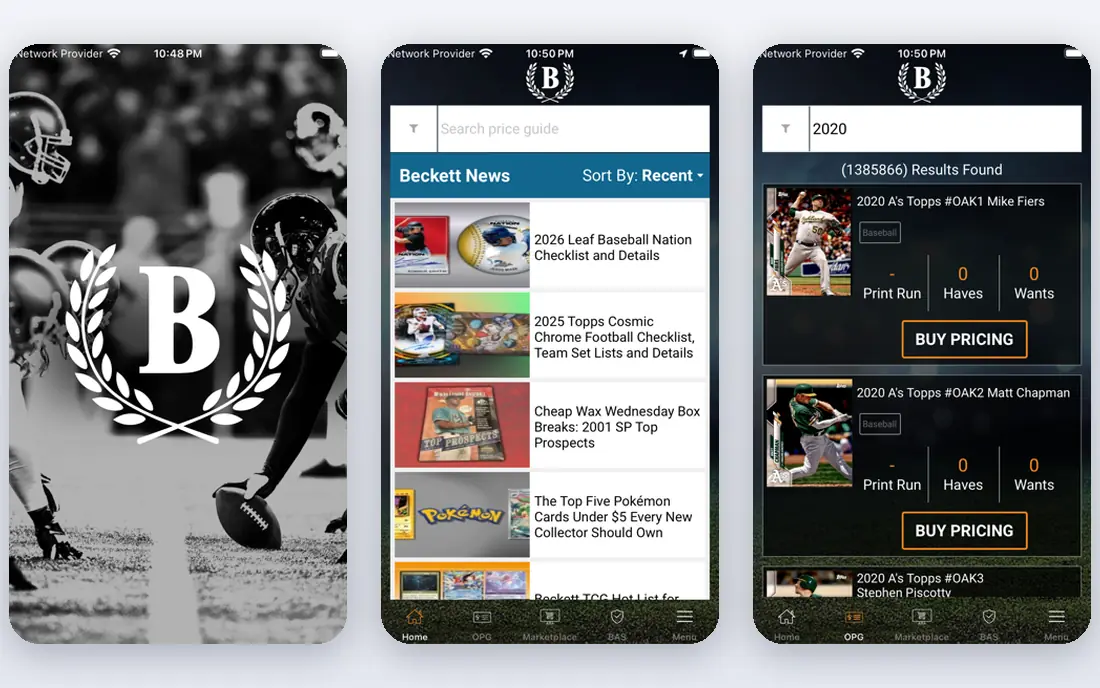
Beckett, often called BGS, is the grader many collectors turn to when detail matters. Its labels can show subgrades for centering, corners, edges and surface, so a buyer can see why a card earned its overall grade. That detail helps collectors who study condition closely, and it can make a near-perfect card with strong subgrades stand out. Beckett also has deep roots in the hobby, including price guides and a long record with vintage cards, which gives its opinion weight with experienced collectors.
Beckett is not always the best choice for quick resale. In some modern markets, PSA graded cards sell for more than the same card in a Beckett slab, so sellers should check recent sales for their exact card before choosing. Beckett service tiers, add-ons and declared value rules also need careful reading, since the total cost depends on more than the headline tier price. For collectors who value subgrades, vintage knowledge and a detailed label, Beckett remains a serious alternative to PSA.
- Subgrades for centering, corners, edges and surface
- Long hobby history
- Respected vintage grading
- Pricing and tiers can be complex
- Resale premiums vary by card type
SGC has a loyal following among vintage collectors, and its clean grading approach appeals to people who want a simple submission process. The black insert in its slab gives graded cards a distinct look that many collectors prefer on display, especially for older cards where the card itself should stand out. SGC is also known for careful handling of pre-war and vintage material, where condition quirks and authenticity checks need experience.
For modern cards, the resale picture is mixed. SGC graded cards often sell well, but in some high-volume modern markets they may not match PSA prices for the same grade. Collectors should check sold listings for their card and grade rather than assuming any grader will add the same premium. Turnaround times and pricing also change with demand, so confirm current terms on the SGC site before submitting. If vintage cards or a clean, simple process matter most, SGC is a strong pick.
- Clear, simple service structure
- Respected for vintage
- Distinctive black slab insert
- Modern card resale premiums can trail PSA
- Fewer service tiers for some needs
CGC Cards comes from a company with long experience grading comics and other collectibles, and it applies a structured approach to sports and trading cards. Its labels are easy to read, its grading scale is clear, and its online tools help collectors check population data and verify slabs. CGC also grades a wide range of card types, which suits collectors with mixed collections.
In sports cards specifically, resale premiums vary. Some CGC graded cards sell strongly, while others trail PSA for the same grade, particularly in high-volume modern sets. As with every grader, recent sold prices for the exact card matter more than general reputation. CGC service tiers, turnaround estimates and declared value limits should be checked at submission time, since they differ by card type and service level. For collectors who value consistency and clear reporting, CGC is a credible option.
- Clear grading scale and label design
- Experience across collectibles
- Online population tools
- Sports resale premiums vary by set
- Service options differ by card type
TAG, short for Technical Authentication and Grading, takes a more data-led approach than older graders. Each graded card comes with a detailed digital report that shows condition findings and images, so buyers and sellers can see more than a single number. That transparency appeals to collectors who want evidence behind a grade, and to sellers who want to explain a card's condition clearly in a listing. TAG focuses on modern cards and uses machine-assisted checks alongside human grading, which it presents as a way to improve consistency.
The main risk is history. TAG is newer than PSA, Beckett and SGC, so its long-term resale record is shorter and less proven across market cycles. Some buyers still prefer the familiar names for high-value cards, even when they like TAG reports. Collectors who grade mainly for a personal collection, or who sell in markets where TAG is already accepted, may find the detailed reports worth it. For a first submission, start with a card you know well and compare the report with your own condition check.
- Detailed digital grading reports
- Image-based condition analysis
- Modern slab design
- Newer brand with less long-term resale history
- Report depth may exceed casual needs
HGA, or Hybrid Grading Approach, is known for custom labels that let collectors match a slab to a team, player or card design. That personal touch suits display collections and gifts, where the look of the slab matters as much as the grade. HGA focuses on modern sports and trading cards, and its online submission process is straightforward for first-time graders. Prices for basic services have often been lower than the largest graders, which helps when grading several lower-value cards.
Resale is the weak point. HGA graded cards do not carry the same broad buyer premium as PSA or Beckett in most markets, so sellers should not expect the grade alone to lift value sharply. Custom labels can also divide buyers, since some prefer a standard label for resale. For a personal collection, a gift, or a set you plan to keep, HGA offers an attractive and affordable route. For cards you plan to sell quickly, check recent sales first.
- Custom label options
- Modern card focus
- Clear online submission steps
- Resale premiums vary widely
- Custom labels appeal more to collectors than investors
ISA Grading suits collectors who want authentication and a condition grade without paying a premium tier fee. Its service tiers are simpler to follow than some larger graders, and its reports give buyers a clear view of the grade. That makes ISA useful for mid-value cards, for collectors building a graded set on a budget, and for parents or new collectors learning how grading works. The slab and label are clean, and the process is less intimidating than a complex tier system.
The trade-off is market depth. ISA graded cards have a smaller resale audience than PSA, Beckett or SGC, so sellers may wait longer for a buyer or accept a lower price. High-value cards are usually better served by a grader with the widest buyer trust, unless you plan to keep the card. ISA works best when the goal is protection, organisation and a fair grade for your own collection, rather than maximum resale value.
- Lower entry cost than major graders
- Grading reports for buyers
- Simple tiers
- Smaller resale market
- Less recognition among high-end buyers
ACE Grading is a UK-based grader that appeals to collectors in Britain and Europe who want to avoid shipping valuable cards overseas. Sending cards within the UK or nearby can reduce postage, customs hassle and transit risk, which matters for collectors who grade regularly. ACE provides grading reports and a clear slab design, and it has built a following among UK collectors, particularly for modern trading and sports cards. For European collectors, that local base is a practical advantage.
Outside the UK, resale recognition is smaller. Buyers in the United States may prefer a familiar domestic grader, so ACE graded cards can be harder to sell at a premium there. Collectors should weigh shipping savings against resale plans, and check current pricing, turnaround times and accepted card types on the ACE site.
- UK base avoids some overseas shipping
- Clear grading reports
- Growing collector following
- Smaller resale market outside the UK
- Fewer high-end auction comparables
How we picked these
We compared official pricing and service pages, population and verification tools, and public resale patterns for each grader, focusing on sports cards rather than trading card games alone. We favoured graders with a live submission service, a verifiable slab system and a clear grading scale, and we included both established names and newer firms that offer a distinct benefit. We did not send cards for grading ourselves, and we did not treat any grader's marketing claims as proof of resale value. Prices and turnaround times change often, so the figures on each vendor site at submission time are the ones that count.
How to choose a grader for your cards
Start with your goal, not the brand name. If you plan to sell a high-value or widely traded card soon, choose the grader whose slabs buyers in that market trust most, and check recent sold prices for the same card and grade. If you grade for your own collection, weigh slab look, report detail, cost and shipping convenience more heavily. For vintage cards, favour graders with proven vintage experience. For modern cards, compare how each grader handles centering, surface and print defects that are common in that set.
Next, work out the true cost. Add the tier fee, shipping both ways, insurance and any declared value upcharge to the headline price. A card worth grading at one tier may not be worth it at a faster tier, and a low-value card may cost more to grade than it gains in value. Check minimum order rules, card size limits and accepted card types, since some graders restrict certain sets or oversized cards. Photograph your cards before sending them, keep tracking numbers, and read the grader's policy on damage, loss and regrading before you post anything irreplaceable.
Finally, be honest about condition. Clean hands, good light and a careful look at corners, edges, centering and surface will save you fees on cards that are unlikely to grade highly. Centering is often the hidden problem, since a card can look mint at a glance but sit off-centre. If you are unsure, grade one or two test cards first and compare the results with your own notes. That small trial teaches you more about a grader than any guide can.
Frequently asked questions
Which grading company is the best for sports cards?
For most sellers, PSA is the best default because its slabs carry the widest buyer trust and the deepest sales history. Beckett suits collectors who want subgrades, and SGC suits vintage collectors and fans of its slab design. The best choice still depends on your card, your market and whether you plan to sell or keep it.
What is the best sports card grading company for resale value?
PSA usually gives the strongest resale result for widely traded sports cards, though Beckett and SGC can perform well for certain vintage or high-grade cards. Check recent sold listings for your exact card, set and grade, since premiums differ by card. A grade alone does not guarantee a higher price if the card is common in that grade.
How much does sports card grading cost?
Costs vary by grader, service speed and declared value, and they change during the year. Most graders publish tier prices on their own sites, with faster tiers costing more and higher declared values carrying higher fees. Add shipping and insurance both ways to get the true cost, and use See website pricing when a tier is paused or unclear.
Which grading company is the best for vintage cards?
SGC and Beckett both have strong vintage reputations, while PSA also grades a large volume of vintage material and offers deep population data. The right pick depends on the era, the card's condition quirks and the market where you plan to sell. For very old or unusual cards, ask the grader about authenticity checks before submitting.
Is it worth grading low-value sports cards?
Often it is not, because the tier fee plus shipping and insurance can exceed the graded card's sale price. Grading makes more sense when the card is scarce, in high grade, part of a set you are building, or valuable enough that authentication protects the buyer. For low-value cards, a protective holder and careful storage may be the better spend.
How long does card grading take?
Turnaround times range from days for express tiers to months for value tiers, and they shift with demand. Each grader publishes estimates by tier, but those are estimates, not guarantees. If you need a card back by a set date, choose a faster tier, allow time for shipping, and confirm current estimates before you submit.
Sources
See where you really rank - block by block
ProMapRanker scans Google Maps across a grid of your service area. Simple monthly plans from $19, white-label on every plan.
Start freeKeep reading
 zscaler alternatives
Best Zscaler Alternatives in 2026
Looking for zscaler alternatives? We compare 9 SASE and zero trust platforms on architecture, data protection, pricing, and fit for your network and team.
Read → zapier alternatives free
Best Zapier Alternatives Free in 2026
Nine automation tools for zapier alternatives free in 2026, all with genuinely free tiers, plus free plan limits, starting prices and upgrade paths explained.
Read → which platform is best for online reputation
Which Platform Is Best for Online Reputation in 2026
Wondering which platform is best for online reputation? We compare 8 review, listing, and response tools for small and multi-location businesses and agencies.
Read →