 ProMapRanker
Top 5 Geofencing Platforms for 2026, Compared


Analysts and marketers needing location data and foot-traffic insights · Pricing starts at: See website (custom quote)
Direct answer
Unacast is the first pick on this list for analysts and marketers needing location data and foot-traffic insights. If your case is different, Cuebiq suits brands and agencies needing privacy-safe footfall measurement and Radar suits product teams embedding geofencing, maps and location APIs in their apps. The full list of 5 tools follows, with prices and free plan facts.
Key takeaways
- Top of the list is Unacast, which targets analysts and marketers needing location data and foot-traffic insights.
- Bluedot is the one to check for QSR, retail and hospitality brands needing precise arrival detection.
- What to know about Cuebiq first: measurement focus means it will not run your campaigns or build your app features.
- Unacast, Bluedot and the 3 others all sell by quote; expect sales conversations before you see a price.
- None of the 5 tools, from Unacast to Bluedot, has a free plan, so budget for a subscription or use a trial.
Quick comparison
| Pick | Great for | Pricing starts at | Free tier | |
|---|---|---|---|---|
| Unacast | Analysts and marketers needing location data and foot-traffic insights | See website (custom quote) | No | Visit |
 Cuebiq | Brands and agencies needing privacy-safe footfall measurement | See website (custom quote) | No | Visit |
 Radar | Product teams embedding geofencing | See website (custom quote) | No | Visit |
 GroundTruth | Advertisers wanting location-targeted campaigns tied to store visits | See website (custom quote) | No | Visit |
 Bluedot | QSR, retail and hospitality brands needing precise arrival detection | See website (custom quote) | No | Visit |
Geofencing Platforms compared in detail
ProMapRanker compared 5 geofencing platforms. The goal is a practical shortlist: published prices, free plan facts, best-fit use cases and honest limits for every entry.
Unacast
Great for: Analysts and marketers needing location data and foot-traffic insights
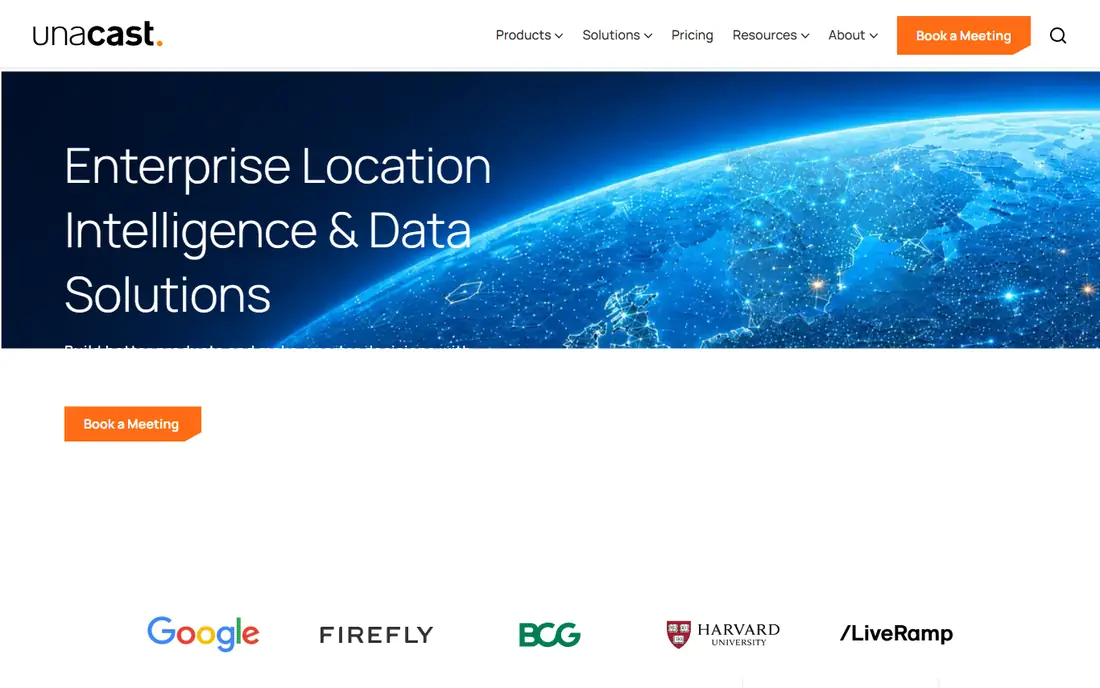
For analysts and marketers needing location data and foot-traffic insights, Unacast is a natural candidate. Unacast sells the raw material the rest of the industry runs on: location data. Its products handle human mobility insights, foot-traffic data for commercial points of interest, and consumer data enrichment, delivered to analytics teams, advertisers and researchers.
Where it is weaker: Needs in-house analytics capability to get full value.
Unacast assumes you have analysts, a CDP or a media partner to activate it. More specifically, smaller marketing teams without that layer will get more from a managed product like GroundTruth. The honest catch is that data is not an option. Unacast shows no starting price here, so confirm the cost on the vendor site. Unacast has no free plan.
Reasons to shortlist it: Adaptable data delivery for analytics teams.
- Deep location datasets handling mobility
- Solid privacy and compliance posture
- Data provider
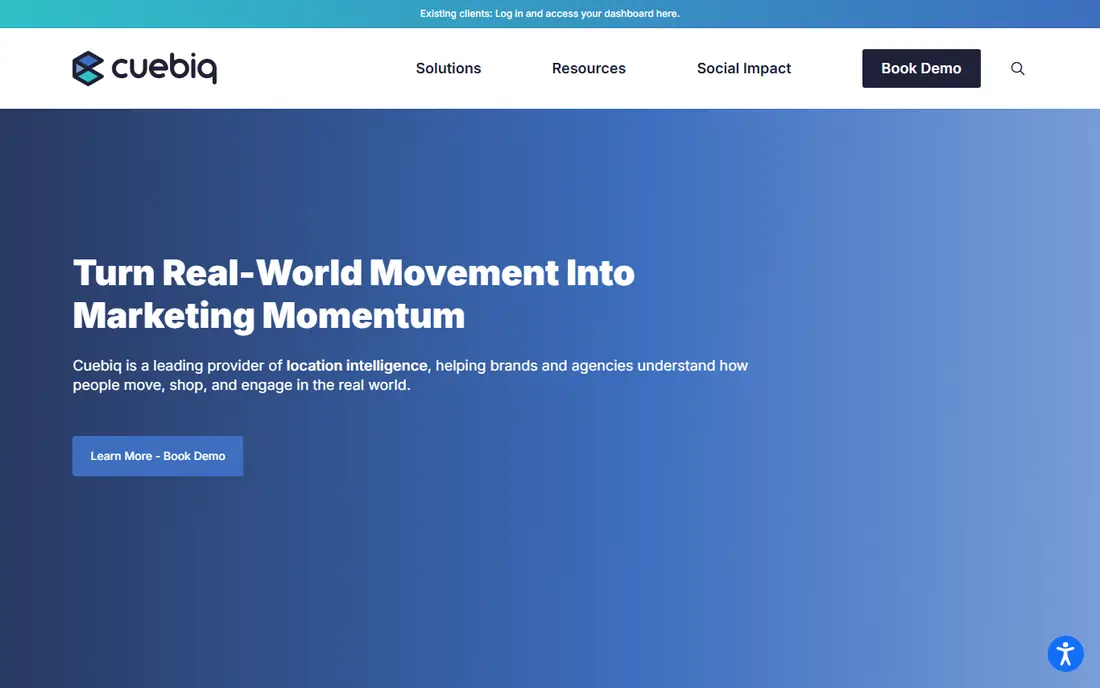
For brands and agencies needing privacy-safe footfall measurement, Cuebiq is a natural candidate. Cuebiq occupies the measurement corner of the market: footfall measurement, offline attribution and location intelligence, sold with an explicit privacy and compliance emphasis.
Drawbacks to consider: Smaller vendor than Foursquare or GroundTruth.
On top of that, for brands in regulated industries or agencies that require defensible methodology for client reporting, that positioning is the point. More specifically, like Unacast, it is not a campaign system or a SDK, so pair it with media or product tooling. Cuebiq does not show a starting price in this comparison, so check the vendor site for current pricing. Cuebiq has no free plan.
- Agency-friendly
- Footfall measurement and offline attribution with a solid privacy posture
- Measurement focus means it will not run your campaigns or build your app features

Think of Radar for product teams embedding geofencing, maps and location APIs in their apps. The honest catch is the commercial model. Worth adding: talk to them when you have a defined use case and rough volume numbers, not before.
Radar sells to product and engineering teams at firms with real traffic, and pricing follows API volume. The company reports a billion API calls a day across hundreds of millions of devices, which matters since geofencing accuracy and battery efficiency only prove out at scale. As for the details, a prototype is cheap to start; a national retail app with millions of monthly users is an enterprise contract. No starting price is listed for Radar here; confirm pricing on the vendor site. There is no free plan with Radar.
Limits to weigh: Pricing scales with API volume, so high-traffic apps should model costs early.
- Developer-friendly SDKs with quick integration
- Fraud prevention and compliance tooling built in
- Enterprise positioning means smaller teams go through sales
GroundTruth
Great for: Advertisers wanting location-targeted campaigns tied to store visits
GroundTruth is built with advertisers wanting location-targeted campaigns tied to store visits in mind. GroundTruth sits on the media side of geofencing. Rather than selling SDKs, it sells outcomes: location-targeted ad campaigns across channels, with visit attribution that links exposure to actual store visits.
This is the right shape when the goal is driving foot traffic instead of building product features. It is the wrong shape when your developers need geofence events inside your own app. Expect a media-style buying process with minimums that suit national and regional advertisers more than single-location shops. Check the vendor site for GroundTruth pricing; none is listed in this comparison. GroundTruth has no permanent free option.
What to check first: Results rely on campaign scale.
- Large brand client base
- Visit attribution links ad exposure to foot traffic
- Not a developer SDK
Bluedot
Great for: QSR, retail and hospitality brands needing precise arrival detection
Bluedot was built for QSR, retail and hospitality brands needing precise arrival detection. Bluedot lives in one demanding niche: knowing exactly when a customer arrives. In practice, Bluedot does arrival detection and location-triggered engagement very well, but it is not a maps API or a fraud product.
If you need a general location stack, look at Radar instead. On top of that, if your use case is specifically pickup, drive-thru or visit detection, that focus is a strength. Check the vendor site for Bluedot pricing; none is listed in this comparison. There is no free plan with Bluedot.
Where it is weaker: Custom pricing with no self-serve level. Upsides: Purpose-built for drive-thru.
- Curbside and pickup flows
- Accuracy down to about five meters
- Narrower use-case focus than full location products
How we chose
We compared the tools on published pricing, free plan or trial availability, feature coverage for geofencing platforms, and the limits each vendor documents. Where a vendor does not publish a price, the entry says quote. Where a price depends on seats or billing term, the entry says so. The ranking is editorial: typical fit first, then clear pricing, then free access. If your needs are unusual, read the profiles rather than relying on position.
Things to verify first
- Request quotes from Unacast, Bluedot and the others; the list shows no fixed prices.
- Before choosing Unacast, weigh its main limit: data provider, not a campaign or SDK system.
- Price Bluedot for your actual team size; headline prices rarely include add-ons or overage.
- Look at the renewal terms for GroundTruth: auto-renewal, notice periods and price changes can matter more than the first-year price.
- Verify that exporting from Radar is possible on your plan and covers all your records.
Frequently asked questions
Is Unacast the right pick for everyone comparing geofencing platforms?
No single tool suits every team. Unacast comes first because it fits analysts and marketers needing location data and foot-traffic insights, while Cuebiq suits brands and agencies needing privacy-safe footfall measurement and Radar suits product teams embedding geofencing, maps and location APIs in their apps. Match the tool to your own size, budget and workflow before deciding.
Is geofencing legal under privacy laws?
Yes, with proper consent and data handling. Ask vendors exactly what they collect, where it is stored and whether it is shared or sold, and get it in writing.
How much do geofencing products cost?
Small pilots can start in the low thousands a year; national deployments run into six figures. Get the volume levels in writing before you compare.
Do these tools publish their prices?
No. None of the tools, from Unacast to Bluedot, shows a fixed starting price here, so budget time for quotes.
How accurate is geofencing?
Usual geofences resolve to about 100-200 meters, which fits marketing use cases. High-accuracy vendors like Bluedot claim accuracy down to about five meters for arrival detection.
Can I try these options before paying?
Not by default. None of the tools, from Unacast to Bluedot, lists a free plan or a free trial here, so ask each vendor for a demo before committing.
Sources
See where you really rank - block by block
ProMapRanker scans Google Maps across a grid of your service area. Simple monthly plans from $19, white-label on every plan.
Start freeKeep reading
 zscaler alternatives
Best Zscaler Alternatives in 2026
Looking for zscaler alternatives? We compare 9 SASE and zero trust platforms on architecture, data protection, pricing, and fit for your network and team.
Read → zapier alternatives free
Best Zapier Alternatives Free in 2026
Nine automation tools for zapier alternatives free in 2026, all with genuinely free tiers, plus free plan limits, starting prices and upgrade paths explained.
Read → which platform is best for online reputation
Which Platform Is Best for Online Reputation in 2026
Wondering which platform is best for online reputation? We compare 8 review, listing, and response tools for small and multi-location businesses and agencies.
Read →