 ProMapRanker
The best fully remote companies in 2026


All-remote engineering and product roles · Pricing starts at: See website
Key takeaways
- GitLab, Automattic, Zapier, Buffer, and Doist have run without a central office requirement for years, so remote work is built into how they hire and manage.
- Pay, time zones, and employment type differ a lot, so check each listing for location eligibility, contractor status, and benefits before you apply.
- Async-first employers such as GitLab and Doist suit people who write clearly and work well without constant meetings, while support-heavy employers suit steady communicators.
- Smaller remote employers often hire slowly and in small batches, so a strong application and patience matter more than applying to dozens of roles at once.
- The best fit depends on your role, time zone, and need for structure, not on a single ranking of company size or brand name.
Quick comparison
| Pick | Great for | Pricing starts at | Free tier | |
|---|---|---|---|---|
| GitLab | All-remote engineering and product roles | See website | No | Visit |
 Automattic | Remote product, support, and design roles | See website | No | Visit |
 Zapier | Async automation and support careers | See website | No | Visit |
 Buffer | Transparent remote social media roles | See website | No | Visit |
 Doist | Small-team remote product work | See website | No | Visit |
 37signals | Calm, small-team software careers | See website | No | Visit |
 Toptal | Remote freelance and core-team work | See website | No | Visit |
 Elastic | Distributed search and data careers | See website | No | Visit |
 Dropbox | Virtual-first product and design roles | See website | No | Visit |
The best fully remote companies
We compared official careers pages, public handbooks, hiring pages, and public reviews to find employers that hire remotely as a normal practice, not as an occasional exception. Each company below still hires remote staff in 2026 and describes a remote-first or virtual-first model in its own materials.
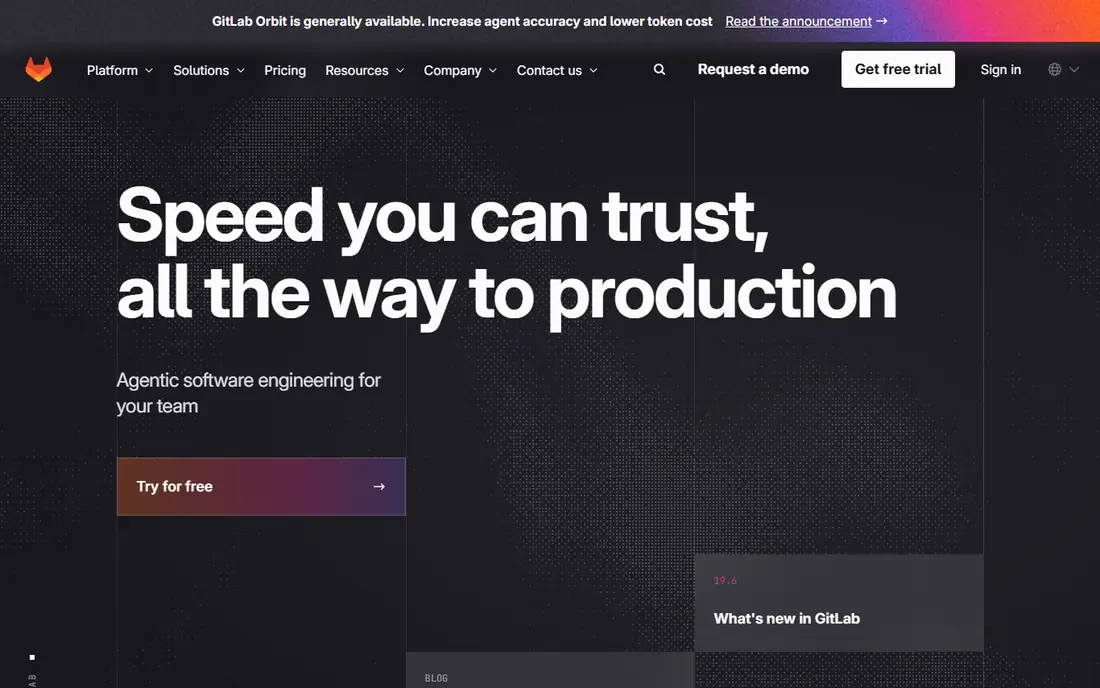
GitLab runs as an all-remote company with team members in many countries, and it publishes much of its operating playbook in a public handbook. That openness helps applicants judge the fit before they apply, because pay bands by location, interview stages, and working norms are described in plain terms rather than left to guesswork. Roles span engineering, product, marketing, sales, security, and support, so it suits a wide range of applicants who are comfortable working in writing. The trade-off is pace and style. GitLab hiring often involves several stages, written assessments, and interviews spread over weeks, which can feel slow if you need a fast decision. Day-to-day work also leans on written updates and documented decisions, so people who prefer quick verbal chats may find the rhythm demanding. If you write clearly, manage your own schedule, and like transparent processes, GitLab is one of the strongest remote employers to study first.
- Public handbook explains hiring and pay
- All-remote model since early years
- Roles across many countries
- Hiring process can be long
- Written work and documentation carry heavy weight
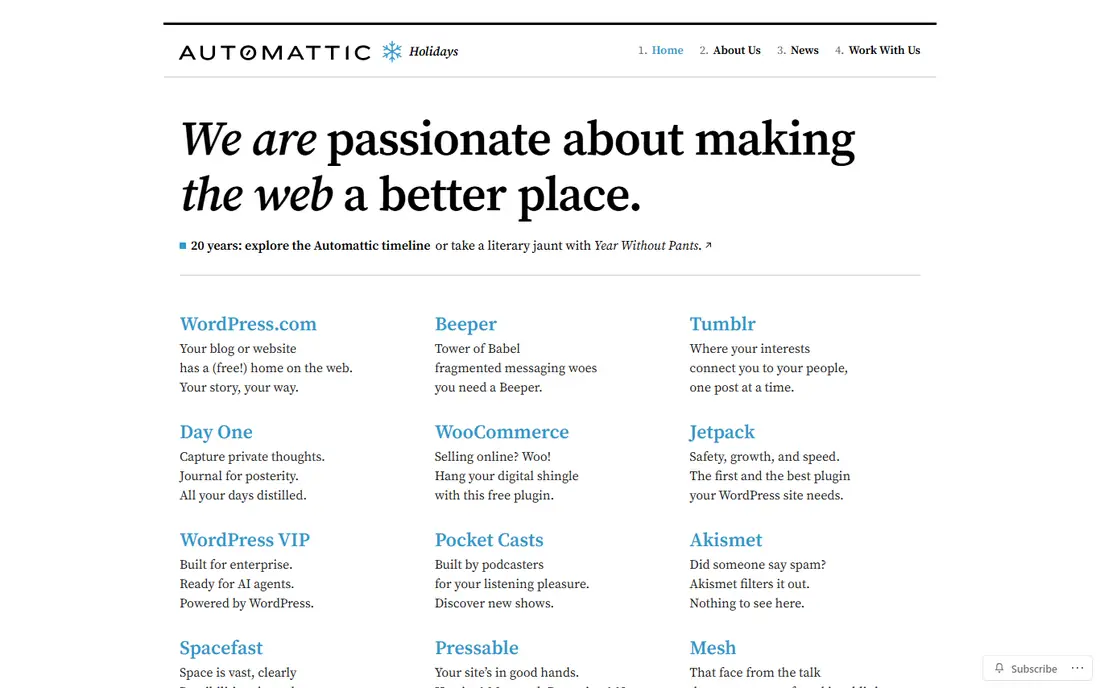
Automattic is the company behind WordPress.com, Tumblr, WooCommerce, and several other web products, and it has worked without a central office model since it began. Its teams are spread across many countries, and roles cover engineering, design, product, marketing, support, and operations. For applicants, the appeal is a mature remote culture where managers already know how to run distributed teams, review work asynchronously, and support staff who never meet in person. Automattic is known for trial-based hiring in some roles, where candidates do paid project work before a final offer, which gives both sides a realistic preview. That process can take time, and compensation is adjusted by location, so two people in the same role may see different pay. Applicants who value long-term remote stability and well-known products will find it worth the wait, while those who want a quick offer may prefer a faster-moving employer.
- Fully distributed since founding
- Products used worldwide
- Paid trial hiring for many roles
- Pay varies by location
- Hiring can be selective and slow
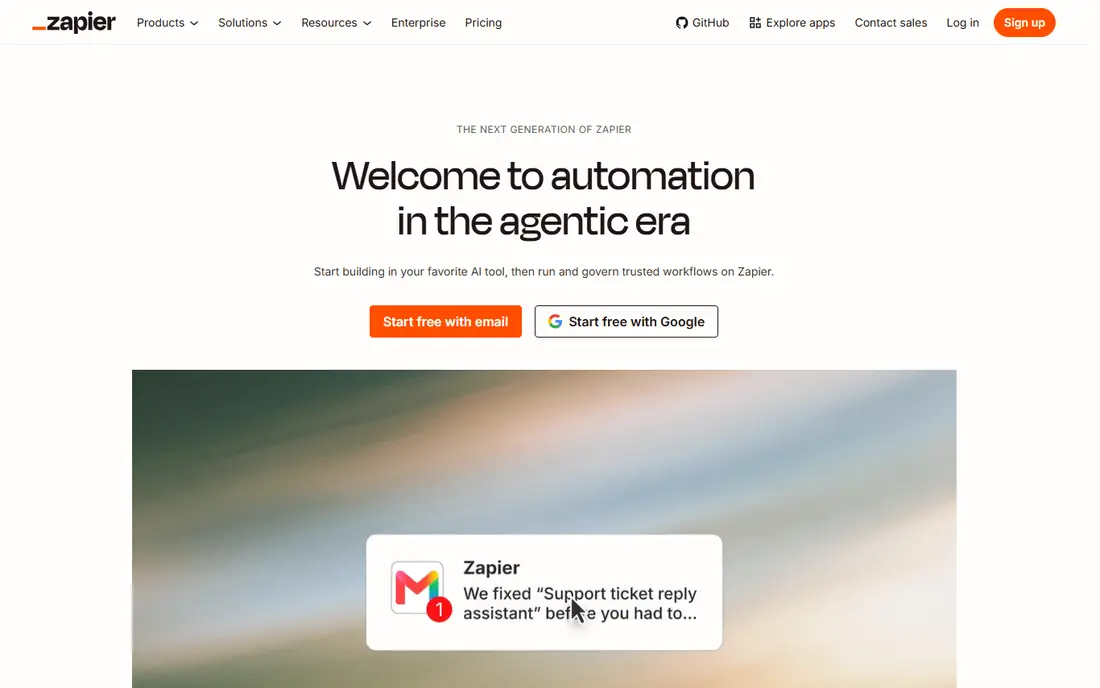
Zapier builds automation tools that connect web apps, and it has hired remotely since its early days, with staff spread across many countries. Its culture puts written communication and async updates ahead of constant meetings, which suits people in different time zones who do focused work. Common openings include engineering, product, customer support, marketing, and operations, and the company publishes guides about how it hires and works remotely. The honest limit is eligibility. Not every role is open in every country, so applicants should read the location line on each listing rather than assuming global access. Async work also means less day-to-day social contact, and new hires must be comfortable asking questions in writing and waiting for replies across time zones. For self-directed workers, Zapier offers a proven remote setup with a product that many small businesses rely on daily.
- Remote-first since 2011
- Async working norms
- Roles in product, support, and marketing
- Some roles limited by region
- Async work needs strong self-management
Buffer makes social media planning and publishing tools, and it has long described itself as a fully remote company with open salary information. That transparency is useful for applicants, because you can see pay ranges and company values before you spend time on an application. The team is much smaller than the firms above, so roles in support, marketing, engineering, and product tend to open less often, but each hire tends to have visible impact. Working at a small remote firm has a different feel from a large one. You may cover several tasks, join fewer formal training programs, and wait longer for a promotion path to open up. Buffer suits people who like a tight team, clear values, and direct contact with customers, and who accept slower hiring in exchange for openness about pay and culture.
- Publishes salary ranges and values openly
- Small team with clear focus
- Remote-first culture
- Small headcount means few openings
- Growth paths are narrower than at large firms
Doist builds Todoist, a task manager, and Twist, a team messaging tool designed for async work, and it runs as a fully remote company with a deliberately small team. Its public writing stresses calm schedules, written communication, and deep work over meeting-heavy days, which appeals to people who do their best work without constant interruption. Openings are most often in engineering, design, support, and product, and the company has a record of hiring across many countries. The main drawback is scarcity. Doist hires carefully and rarely, so a suitable role may not appear for months, and competition for each opening is strong. The small size also means fewer internal moves than at a large employer. If you value a quiet, focused remote culture and a product you already use, Doist is worth watching, but it should sit alongside other applications rather than being your only plan.
- Maker of Todoist and Twist
- Fully remote small team
- Calm async culture
- Very few roles open at a time
- Pay transparency varies by role
37signals is the company behind Basecamp, a project management tool, and HEY, an email service, and it has worked remotely for many years. Its founders write openly about shorter workweeks in summer, calm schedules, and small teams, which sets it apart from growth-at-all-costs employers. Roles, when open, tend to cover engineering, design, support, and product, and the company hires people who can work independently from home. Because the team stays small by design, openings are rare and the range of roles is narrow. Applicants who want fast promotion, large teams, or frequent internal transfers may feel limited here. The fit is best for experienced people who like focused products, plain communication, and a steady pace, and who are happy to wait for the right opening.
- Maker of Basecamp and HEY
- Remote-first
- Clear stance against overwork
- Hires rarely and in small numbers
- Product scope is narrow
Toptal runs a network of freelance software developers, designers, finance experts, and project managers who work with clients remotely, and it also hires its own core team remotely. For freelancers, the draw is access to client projects without office attendance, plus a screening process that, once passed, can lead to steady work. For core-team applicants, roles cover operations, talent, engineering, and marketing, with remote working as the norm. Freelance work through Toptal is not the same as a salaried job. Screening is demanding, project flow can vary, and freelancers handle their own taxes and benefits in most cases. Core-team roles are more stable but fewer in number. Toptal fits skilled freelancers who want remote client work with a managed marketplace, and job seekers who want a remote employer in the talent industry.
- Global freelance network plus remote core roles
- Varied client projects
- Flexible location
- Freelance screening is strict
- Freelance income varies by project
Elastic builds Elasticsearch, Kibana, and related search and observability tools used by many large organizations, and it describes itself as a distributed company with staff in many countries. Technical applicants will find roles in engineering, cloud, security, support, sales, and product, often with remote options listed by region. The products are well established, so engineers can build skills that transfer to other data and search roles. Elastic is larger and more structured than the small firms on this list, so hiring may involve several interview rounds and regional limits on some postings. Remote work is real here, but it is organized around hubs and regions rather than a promise that every role is open everywhere. Applicants who want distributed work at scale, with mature products and clear technical ladders, will find Elastic a solid option.
- Distributed workforce across many countries
- Widely used search products
- Varied technical roles
- Some roles tied to specific regions
- Large-company processes can slow decisions
Dropbox, known for file storage and collaboration tools, moved to a Virtual First model in which remote work is the default for many roles, with offices used as studios for collaboration rather than daily attendance. That model suits product, design, engineering, and marketing applicants who want remote work at a large, established company. Dropbox roles often list remote eligibility by country, and the company publishes material about how its distributed teams work. Virtual First does not mean every job is open everywhere or fully free of in-person time. Some roles ask for occasional studio visits, and eligibility still depends on location and team needs. Hiring volume can also vary with company conditions. For applicants who want a big-brand remote role with strong design culture, Dropbox deserves a place on the list, checked role by role.
- Virtual First model with remote-first roles
- Well-known file storage products
- Design and product strength
- Some roles require time in studios or regions
- Hiring has slowed at times
How we picked these
We compared official careers pages, public handbooks, company blogs, and public reviews, and we kept only employers that describe remote or virtual-first work as their normal model in 2026. We looked for a record of remote hiring over several years, roles across more than one function, and clear statements about location eligibility, rather than a single remote job post. We left out firms that had moved back to office-first policies, firms with only a handful of remote listings, and firms where remote claims could not be checked against official pages. We did not test hiring ourselves, and pay and eligibility change by role, so each listing should be checked before you apply.
What to check before you apply
Location and employment type
Read the location line and the employment terms on each listing. Some remote employers hire direct employees in certain countries and use an employer of record or contractor arrangement elsewhere, and that changes taxes, benefits, and job security. Ask the recruiter early about entity, benefits, and equipment, so you compare offers on equal terms.
Time zones and working hours
Remote does not always mean work any hours you like. Some teams need overlap hours for meetings or support cover, while async teams need strong written habits instead. Check the posting for time zone ranges and on-call duties, and be honest about whether those hours fit your life over months, not just weeks.
Pay and growth
Compare pay by location, not by headline salary alone, and ask about review cycles, promotion paths, and learning support. Small remote firms may offer calmer work but slower promotion, while large firms may offer clearer ladders but more process. A short trial project or paid work sample, where offered, is also a useful chance to judge the manager and team before you commit.
Frequently asked questions
Do fully remote companies hire worldwide?
Some do, but most limit roles by country for tax, legal, and payroll reasons. Always check the location line on the specific listing, and ask the recruiter about eligibility before you invest time in a long process.
Is remote work at these companies the same as freelance work?
No, in most cases. Core roles at GitLab, Automattic, Zapier, and similar firms are salaried jobs with benefits, while Toptal freelance work is project-based. Read the job type carefully, since pay, benefits, and security differ a lot.
How long does hiring take at remote-first companies?
It varies from a few weeks to two months, especially where trials or written assessments are part of the process. GitLab and Automattic are known for thorough processes, so plan your job search timeline with that in mind.
Do I need remote experience to get hired?
It helps, but it is not always required. Employers look for clear written communication, self-management, and relevant skills. Show remote-friendly habits in your application, such as documented projects, async collaboration, and reliable delivery.
Are salaries lower for remote roles?
Pay often varies by location, so the same role can pay differently in different countries. Some firms publish bands, which makes comparison easier. Compare total pay, benefits, and cost of living, not just the headline number.
What is the hardest part of working fully remotely?
Many remote workers point to isolation, blurred work hours, and slow feedback when teams are async. A good fit means you can set boundaries, write clearly, and stay connected without daily office contact.
Sources
See where you really rank - block by block
ProMapRanker scans Google Maps across a grid of your service area. Simple monthly plans from $19, white-label on every plan.
Start freeKeep reading
 worlds best local seo company
8 Worlds Best Local SEO Companies for Map Pack Growth in 2026
Compare the worlds best local seo company options for Google Business Profile work, citations, reviews, and multi-location rankings and reporting in 2026.
Read → world's best web hosting company
World's Best Web Hosting Company in 2026
Searching for the world's best web hosting company? We compared 10 hosts on price, renewal rates, speed, and support to help you choose well today in 2026.
Read → who's got the best nanny tax services
Who's Got the Best Nanny Tax Services in 2026
We answer who's got the best nanny tax services, comparing full filing, back taxes, software, and pricing so families can handle nanny taxes correctly.
Read →