 ProMapRanker
Best Free Trial Phone Service in 2026

Key takeaways
- T-Mobile, Verizon, and AT&T offer 30-day network trials for people who want to test a major carrier before switching.
- Visible offers a 15-day trial on the Verizon network, which is useful if you plan to keep a lower-cost Verizon-based plan.
- US Mobile offers a 30-day trial, but it can convert to a paid plan, so set a cancel reminder before day 30.
- Mint Mobile, Cricket Wireless, and Google Fi offer shorter trials, which are best for a quick coverage check rather than a full data test.
- Almost all trials need a phone that is not locked to a carrier and supports eSIM, and your current number and plan can stay active during the test.
Quick comparison
| Pick | Great for | Pricing starts at | Free tier | |
|---|---|---|---|---|
 T-Mobile Trial | Testing T-Mobile coverage | Free | Free trial (30 days) | Visit |
 Verizon Free Trial | Testing Verizon coverage | Free | Free trial (30 days) | Visit |
 AT&T Trial | Testing AT&T coverage | Free | Free trial (30 days) | Visit |
 Visible | Testing a low-cost Verizon plan | $25 per month | Free trial (15 days) | Visit |
 US Mobile | Testing a flexible MVNO plan | See website | Free trial (30 days) | Visit |
 Mint Mobile | Quick T-Mobile network check | $15 per month | Free trial (7 days) | Visit |
 Cricket Wireless | Quick AT&T network check | See website | Free trial (14 days) | Visit |
 Google Fi Wireless | Short Google Fi test | See website | Free trial (7 days) | Visit |
 Boost Mobile | Short trial on multiple networks | See website | Free trial (14 days) | Visit |
The best free trial phone service
A free trial phone service lets you test a carrier network on your own phone, in your own home and workplace, before you port your number or sign a plan. Most trials use eSIM, so you get a temporary second number and your current service keeps working. The list below focuses on trials that are actually offered in the United States in 2026, with the length and limits that matter.
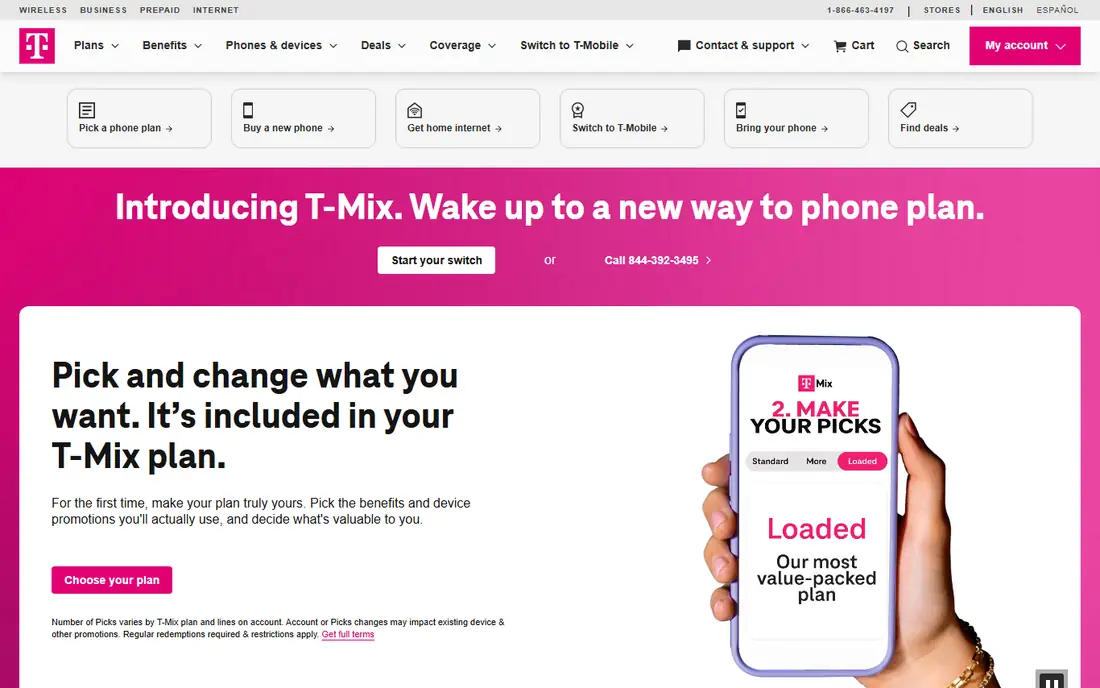
T-Mobile Trial, also described as the Network Pass or Network Experience trial, is our pick for the longest major-carrier test. Recent guides describe a 30-day trial with unlimited data through the T-Life app, no credit card, and no credit check, for people who are not already T-Mobile customers. That length gives you time to test home, work, commute, and weekend coverage, not just a single afternoon.
The main limit is device compatibility. You need a phone that is not locked to a carrier and supports eSIM, and a phone still locked to another carrier may not work. Check the current eligibility page in the T-Life app before you start, because trial terms and data allowances have changed over time.
- 30-day trial for non-customers
- No credit card for the trial
- Unlimited data in recent trial descriptions
- Needs a phone that is not locked to a carrier and supports eSIM
- Trial is limited to one per device in recent guides
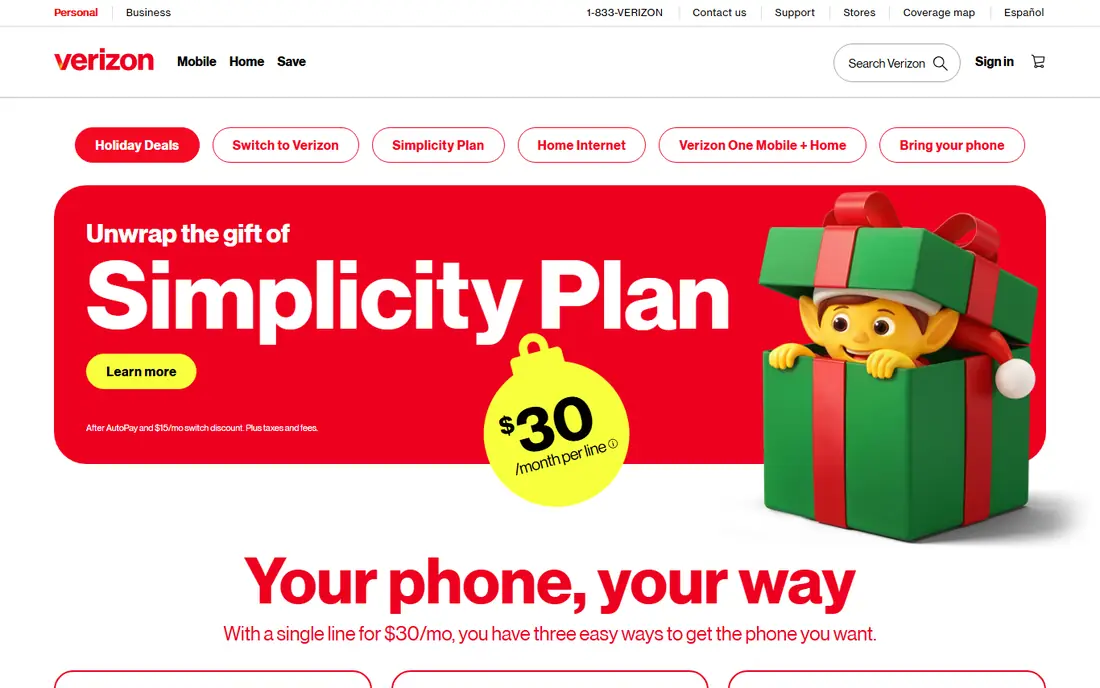
Verizon Free Trial is the cleanest way to test Verizon itself, rather than a Verizon-based MVNO. Recent guides describe up to 100GB of data across 30 days, with unlimited talk and text, and no credit card required to start. That data allowance is enough to test streaming, video calls, and hotspot use in real conditions, though hotspot limits can differ from the main data allowance.
As with other trials, you need a phone that is not locked to a carrier and supports eSIM, and the trial is meant as a test drive before a switch. If Verizon coverage is strong where you live and work, compare its paid plans against Visible below, because the network is the same but the price and priority can differ.
- 30-day trial on the Verizon network
- Large data allowance in recent guides
- No credit card for the trial
- Needs a phone that is not locked to a carrier and supports eSIM
- Trial is for network testing, not a long-term plan
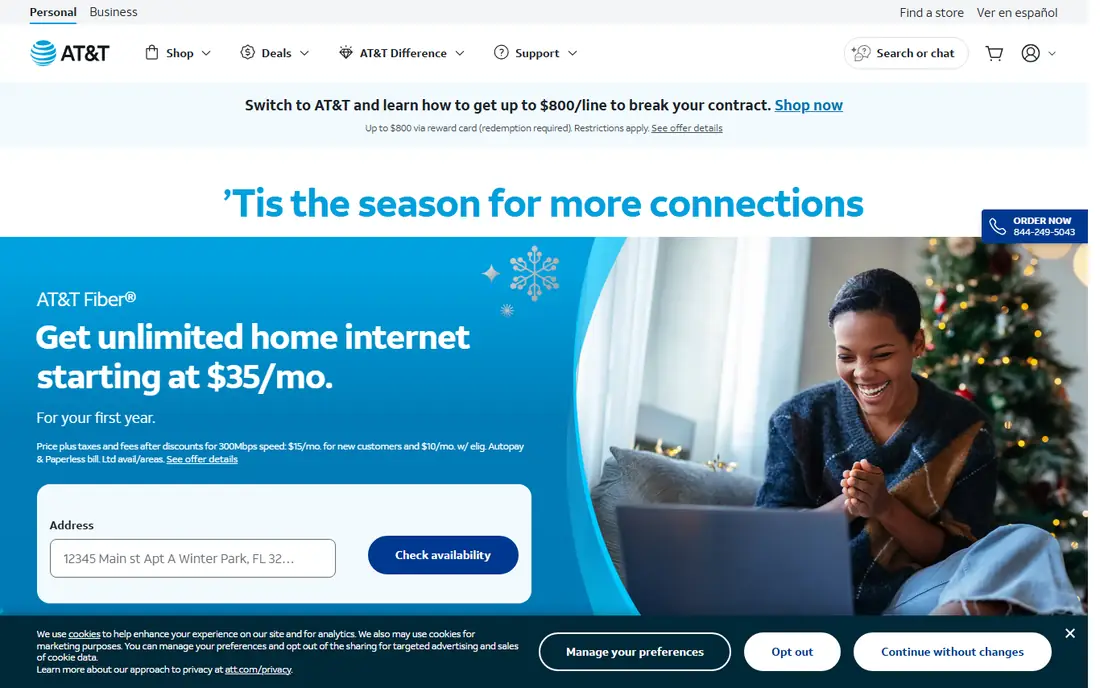
AT&T offers a 30-day eSIM trial for people considering a switch, with recent guides describing 100GB of data and a separate hotspot allowance. That makes it a useful test if you already know T-Mobile and Verizon coverage in your area and want to compare the third major network on the same phone.
Device limits are the watch point. Some recent guides note that the trial has been iPhone-focused, so Android users should check current eligibility on AT&T's site before planning around it. Also confirm the hotspot allowance, because a trial that covers phone data well may still limit tethering.
- 30-day trial
- Large data allowance in recent guides
- No credit card for the trial
- Device limits in recent guides, including iPhone focus
- Hotspot allowance is separate
Visible is the trial we point to when the goal is not just testing a network, but testing the plan you would actually pay for. The 15-day trial runs on the Verizon network with unlimited data, and the base paid plan is listed at $25 per month with taxes included in recent comparisons. That makes the trial a realistic preview of everyday use, including congestion slowdowns.
The catch is priority. Visible base-plan data can be slowed before Verizon postpaid customers when towers are busy, and video streams at a lower resolution on the base plan. If you test during a quiet week, try a busy-time test as well, such as a commute or an event, before you decide.
- 15-day trial with unlimited data
- Tests the actual plan you might keep
- Taxes included in paid price
- Data can be slowed before Verizon postpaid customers at busy times
- Video resolution limits on base plan
US Mobile offers a 30-day trial with 30GB of data in recent guides, which is one of the longest MVNO trials available. Paid plans let you choose between networks and adjust data, which suits people whose usage changes month to month. That flexibility is a real advantage over a one-size plan.
The warning matters more here than for other trials. Recent guides note that the US Mobile trial can auto-renew into a paid plan at day 30 unless you cancel, and it may require porting your number in. Set a reminder for day 28, read the trial terms at sign-up, and do not start it on a week when you cannot check your account.
- 30-day trial with a large data allowance
- Choice of networks on paid plans
- Flexible plan options
- Trial can convert to a paid plan if you do not cancel
- May require porting your number
Mint Mobile offers a 7-day trial kit with a small allowance, described in recent guides as up to 250 texts, 250 voice minutes, and 250MB of data. That is enough to confirm signal, call quality, and basic data at home and work, but it is not enough to test streaming, hotspot, or heavy app use. Think of it as a coverage check, not a full service test.
Paid plans are where Mint earns its place on this list. Recent comparisons list a low-cost plan at $15 per month on a 12-month term, on the T-Mobile network. If T-Mobile coverage is strong where you live, Mint is worth a longer look after the trial, but budget for the prepaid term rather than month-to-month pricing.
- Low-cost paid plans on the T-Mobile network
- Trial kit is widely available
- Simple app activation
- Trial data is small at 250MB in recent guides
- Trial is short at 7 days
Cricket Wireless offers a 14-day trial in recent trial guides, with a limited data allowance described as 3GB. That gives you two weeks to test AT&T network coverage in your daily routine, which is more time than Mint or Google Fi, even if the data cap is modest. Cricket is owned by AT&T, so the trial previews AT&T coverage with Cricket's own plan structure.
The limit is data, not time. A 3GB trial will not support heavy streaming tests, so use it for calls, maps, messaging, and light browsing, and save large downloads for Wi-Fi. Check the current trial page for device and eligibility rules before you start, because offers can vary.
- 14-day trial on the AT&T network
- Simple prepaid plans after the trial
- Widely available stores
- Trial data allowance is limited in recent guides
- Trial terms can vary by offer
Google Fi Wireless offers a 7-day trial in recent guides, with a data allowance described as 10GB. That is a larger data allowance than Mint or Cricket trials, but the week-long window means you need to test quickly, including home, work, and a commute, before it ends. Google Fi suits people who already use Pixel phones or Google services, and who want flexible plans after the trial.
The short window is the main drawback. If you start the trial on a quiet weekend, you may miss a weekday commute test, so start on a normal workday if you can. Confirm the current trial terms on Google Fi's site, because trial offers have changed over time.
- 7-day trial in recent guides
- Flexible plans after the trial
- Good for Pixel and multi-device users
- Short trial at 7 days
- Trial data allowance is limited in recent guides
Boost Mobile offers a 14-day trial in recent trial guides, which gives you two weeks to test coverage before committing to a prepaid plan. Boost has used AT&T and T-Mobile networks depending on the plan and device, so the trial is most useful when you confirm which network your specific trial and phone will use. That detail matters, because coverage can differ sharply between networks in the same town.
Paid plans after the trial are prepaid and low-cost, which suits budget buyers who do not want a long contract. As with other short trials, test calls and data in the places you actually use your phone, and check the trial terms on Boost's site before you sign up, because offers can change.
- 14-day trial in recent guides
- Runs on major networks depending on plan
- Low-cost prepaid options
- Network depends on the plan and device
- Trial terms can vary
How we picked these
We compared recent 2026 trial guides, carrier trial pages, and MVNO trial listings, and we kept only trials that are described as free to start for United States users in 2026. We favored trials with clear length and data terms, and we flagged trials that convert to paid plans or require porting, because those terms change the risk of trying them. Where recent guides disagreed on a data allowance, we used the most common recent figure and advised readers to confirm the current terms on the carrier page before starting.
How to test a network properly
Start with your phone, not the trial. Confirm that your phone is not locked to a carrier and supports eSIM, because a locked phone or a phone without eSIM support will block most trials on this list. Download the carrier app over Wi-Fi, activate the trial eSIM, and keep your current SIM active so you can compare networks side by side and keep your real number working.
Next, test in the places that matter. Run a speed test and a video call at home, at work, on your commute, and in any dead zone you already know about, and repeat the busy-time test during evening hours when towers are loaded. Note where calls drop, where data slows, and where hotspot use matters, because a trial that looks fine at home can fail at work.
Finally, manage the end date. Put the trial end date in your calendar on day one, and for trials that convert to paid plans, such as US Mobile, set a reminder two days early. When the trial ends, compare the network result against the paid plan price, priority, hotspot allowance, and taxes, not just the trial experience, because the paid plan is what you will live with.
Frequently asked questions
What is the best free trial phone service?
For a major network test, T-Mobile, Verizon, and AT&T trials at 30 days give the most time. For a low-cost plan you might keep, Visible at 15 days is the most realistic preview, because you test the actual Verizon-based plan and its priority rules.
Do I need a credit card for a free phone trial?
Most major carrier trials on this list are described as no credit card trials, including T-Mobile, Verizon, AT&T, and Visible. US Mobile is the exception to watch, because its trial can convert to a paid plan, so read the terms and set a cancel reminder.
Will a trial change my current phone number?
No, in most cases. eSIM trials give you a temporary second number, and your current number and plan stay active. US Mobile may require porting for its trial in recent guides, so check that term before you start if keeping your number untouched matters to you.
What phone do I need for a free eSIM trial?
You need a phone that is not locked to a carrier and supports eSIM, such as recent iPhone, Pixel, and Galaxy models. A phone still financed through a carrier may be locked, so check with your current carrier or in your phone settings before you try to activate a trial.
How long do free phone trials last?
Major carrier trials last 30 days, Visible lasts 15 days, Cricket and Boost last 14 days in recent guides, and Mint and Google Fi last 7 days. Shorter trials are best for coverage checks, while 30-day trials are best for a full data and hotspot test.
Can I try more than one carrier at once?
Yes, in many cases. Modern phones can hold more than one eSIM, so you can run two trials side by side and compare coverage in the same places. Just track each trial end date separately, and do not start a converting trial on a week when you cannot check your account.
Sources
- https://www.t-mobile.com
- https://www.verizon.com
- https://www.att.com
- https://www.visible.com
- https://www.usmobile.com
- https://www.mintmobile.com
- https://www.cricketwireless.com
- https://fi.google.com
- https://www.boostmobile.com
- https://shopcellplans.com/free-trial-phone-service-no-credit-card/
- https://www.slashgear.com/2272831/which-phone-carriers-offer-free-trials/
See where you really rank - block by block
ProMapRanker scans Google Maps across a grid of your service area. Simple monthly plans from $19, white-label on every plan.
Start freeKeep reading
 zscaler alternatives
Best Zscaler Alternatives in 2026
Looking for zscaler alternatives? We compare 9 SASE and zero trust platforms on architecture, data protection, pricing, and fit for your network and team.
Read → zapier alternatives free
Best Zapier Alternatives Free in 2026
Nine automation tools for zapier alternatives free in 2026, all with genuinely free tiers, plus free plan limits, starting prices and upgrade paths explained.
Read → which platform is best for online reputation
Which Platform Is Best for Online Reputation in 2026
Wondering which platform is best for online reputation? We compare 8 review, listing, and response tools for small and multi-location businesses and agencies.
Read →