 ProMapRanker
Best Food Service Shoes in 2026


Kitchen and serving staff who want a proven slip-resistant sneaker · Pricing starts at: See website
Key takeaways
- Slip resistance on wet and greasy floors matters more than style, so check the outsole rating and your workplace rules before you buy.
- Closed toes, easy-clean uppers, and cushioning that holds up over a full shift separate good food service shoes from ordinary sneakers.
- Shoes for Crews and Skechers Work cover most kitchen and serving roles, while Dansko, Hoka, and Birkenstock suit workers with specific comfort needs.
- Prices vary by retailer and size, so confirm the exact model and price at checkout because similar names can hide different features.
Quick comparison
| Pick | Great for | Pricing starts at | Free tier | |
|---|---|---|---|---|
| Shoes for Crews Galley II | Kitchen and serving staff who want a proven slip-resistant sneaker | See website | No | Visit |
 Skechers Work Dighton SR | Workers who want a relaxed-fit sneaker with memory foam | See website | No | Visit |
 Skechers Work Squad SR | Workers who want a slip-on shoe for fast shift changes | See website | No | Visit |
 Dansko XP 2.0 | Long shifts that need firm arch support in a clog | See website | No | Visit |
 Hoka Bondi SR | Workers who want deep cushioning on hard floors | See website | No | Visit |
 New Balance Fresh Foam 806 V1 | Wide, stable support for all-day standing | See website | No | Visit |
 Birkenstock Tokio Super Grip | Workers who prefer a contoured cork footbed clog | See website | No | Visit |
 Crocs On The Clock Work | Easy-clean slip-ons for wet areas | See website | No | Visit |
The best food service shoes
We looked at official feature pages, slip-resistance claims, retailer listings, and public reviews to compare shoes made for kitchens, cafes, and dining rooms. Every pick below is closed toe and built for grip on slick floors, but comfort, weight, and cleaning needs differ a lot from one model to the next.
Shoes for Crews Galley II
Great for: Kitchen and serving staff who want a proven slip-resistant sneaker
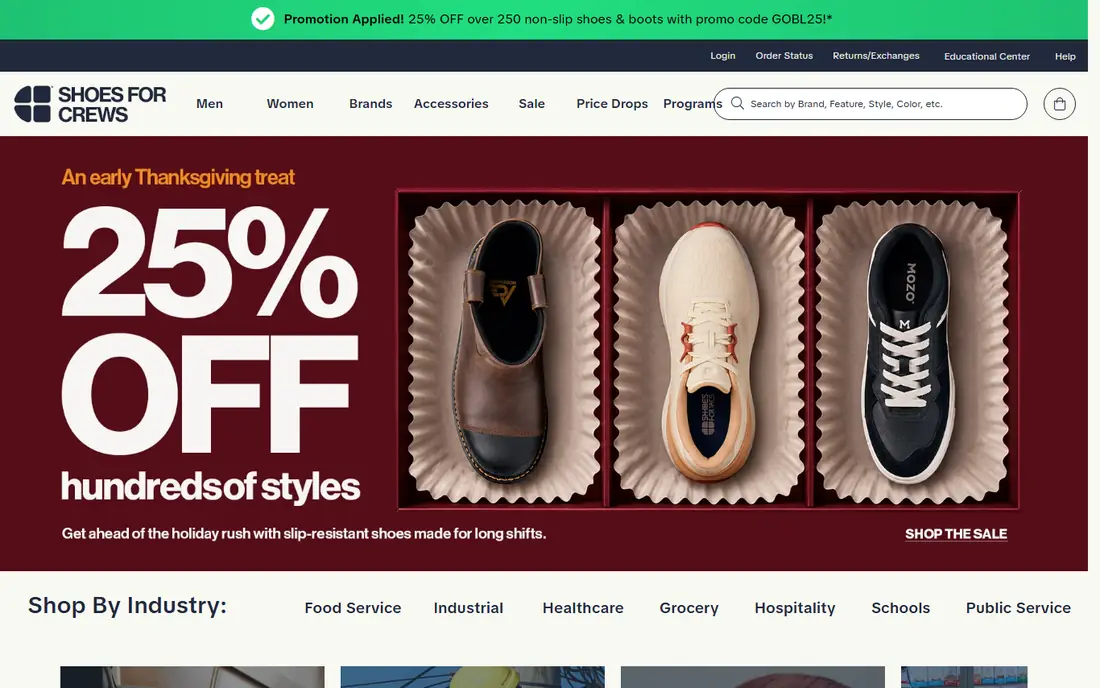
Shoes for Crews built its name around workplaces where floors stay slick, and the Galley II shows why that focus still matters. The leather upper wipes clean after spills, and the outsole is designed to grip on water, oil, and grease rather than just dry tile. For servers and kitchen staff who move between the pass, the dining room, and the dish area, that steady grip is the main reason to start here.
The trade-off is feel. Leather shoes often feel stiff for the first few shifts, and this pair is warmer than a breathable mesh option. If your workplace allows mesh and you value airflow above spill protection, a lighter sneaker may suit you better. For most food service roles, though, the mix of grip, coverage, and easy cleaning makes this a safe first pick.
- Slip-resistant outsole made for wet and greasy floors
- Water-resistant leather upper
- Easy to wipe clean after a shift
- Leather needs breaking in
- Heavier than a mesh sneaker
Skechers Work Dighton SR
Great for: Workers who want a relaxed-fit sneaker with memory foam
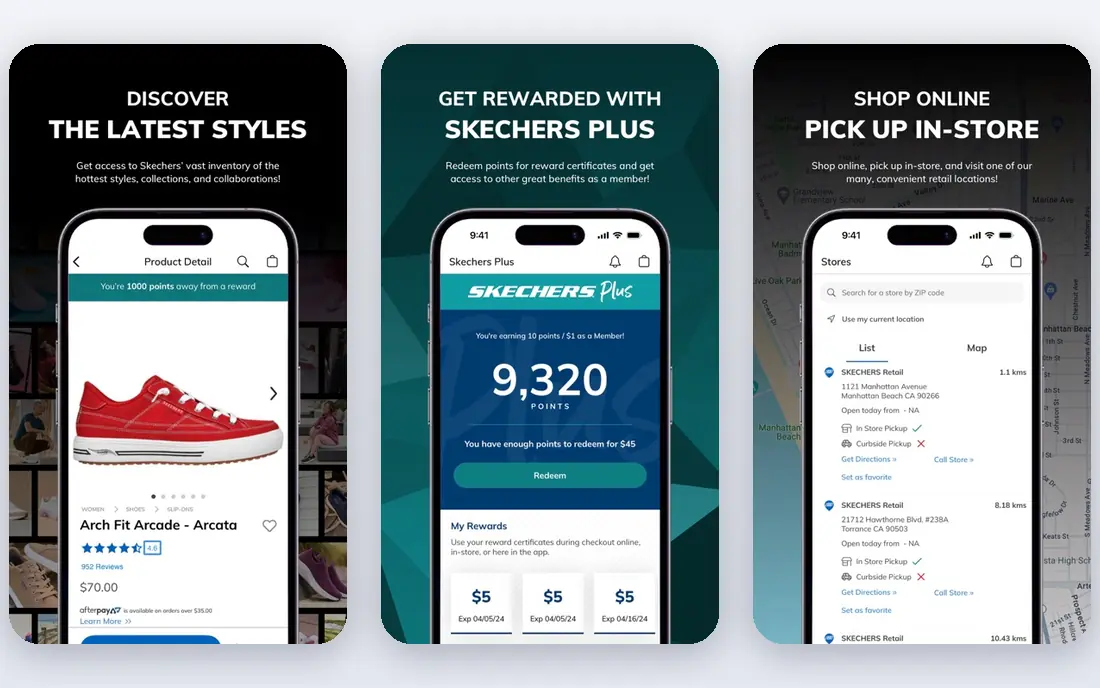
Skechers Work gives the Dighton SR a familiar sneaker shape, which helps if you dislike the look of a heavy work shoe. The relaxed fit leaves room for feet that swell during a long shift, and the memory foam insole softens each step on tile and concrete. Its slip-resistant outsole is rated for wet and oily surfaces, so it holds up in kitchens as well as in front-of-house roles.
This is not the shoe for jobs that require impact protection, since it has a soft toe and no safety-toe rating. Heavy workers and people who wear the same pair every day may also find the foam loses some spring over time. Still, for servers, bar staff, and counter workers who want comfort without a bulky boot, it is a strong value choice.
- Relaxed fit with room in the toe box
- Memory foam insole
- Slip-resistant outsole
- Not a safety-toe shoe
- Cushioning can flatten over very long use
Skechers Work Squad SR
Great for: Workers who want a slip-on shoe for fast shift changes
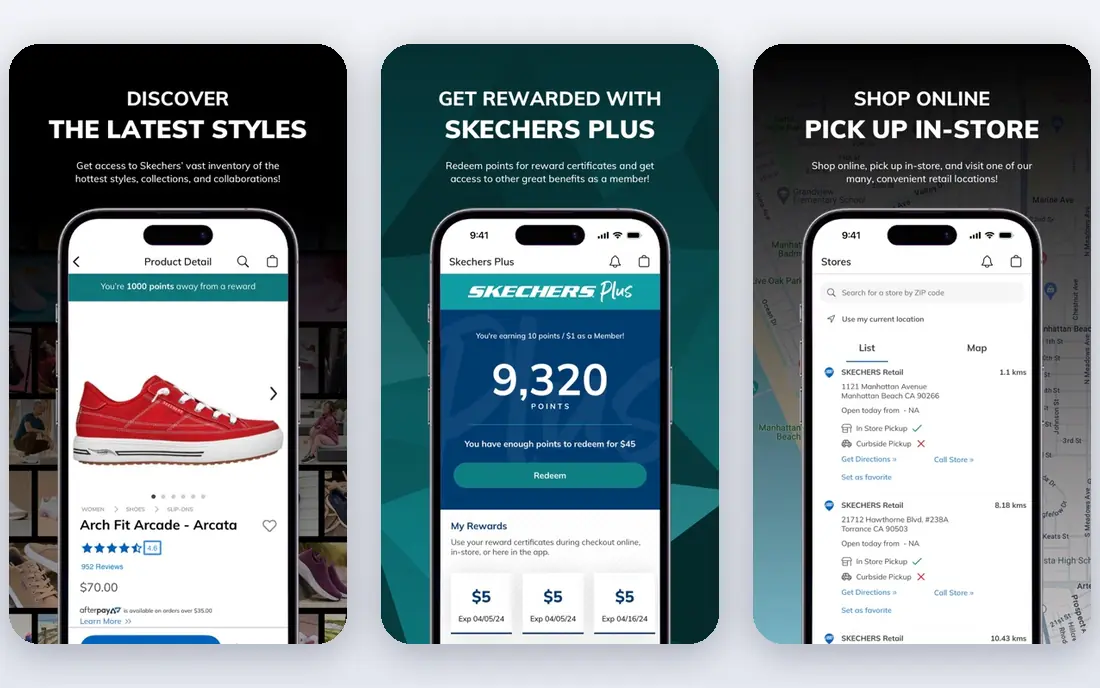
When your shift starts in minutes, laces are one more thing to manage, and the Squad SR removes that step. You step in, the stretch fabric holds the shoe in place, and the slip-resistant outsole takes over on slick floors. Skechers adds a water-repellent finish that helps with splashes, and the memory foam insole keeps long standing shifts more bearable.
Fit is the question to check. Some wearers find slip-on work shoes run wide or feel less secure during quick turns, so try them on a clean floor at home before a full shift if you can. The shape is also chunkier than a low-profile sneaker. If you prize speed and simple cleaning, those trade-offs are easy to accept.
- Slip-on design for quick changes
- Water-repellent finish
- Memory foam comfort
- Slip-on fit may feel less locked in
- Bulkier look than a lace-up sneaker
Dansko clogs have a loyal following among chefs, nurses, and servers for a reason, and the XP 2.0 keeps the formula that earned it. The footbed gives firm arch support instead of soft sink-in cushioning, and the rocker sole helps your foot roll forward as you walk. That combination can reduce fatigue for people who stand in one place for hours, such as at a prep station or a pass.
The firm ride is not for everyone. If you prefer plush, cloud-like shoes, this clog will feel stiff at first, and the break-in period can last several shifts. The price also sits above many sneaker-style options. For workers who already know they need structured support, however, it is one of the most dependable long-shift choices here.
- Firm arch support and rocker sole
- Durable leather upper
- Stable platform for long standing
- Firm feel takes getting used to
- Higher price than many sneakers
Hoka brings its running-shoe cushioning into a work shoe with the Bondi SR, and the result is hard to miss. The thick midsole absorbs impact on concrete and tile, which matters when you are on your feet for eight hours or more. A slip-resistant outsole and a water-resistant leather upper keep it practical for kitchens, even though the design started life as a comfort-first shoe.
Weight and warmth are the honest costs. This is a heavier shoe than a mesh sneaker, and the leather upper traps more heat on a hot line. The price also reflects the cushioning technology. If your knees and feet complain by the end of a shift, though, that extra padding may be worth more than a lighter shoe that leaves you sore.
- Thick, cushioned midsole
- Slip-resistant outsole
- Water-resistant leather upper
- Heavy and warm
- Higher price than most food service sneakers
New Balance Fresh Foam 806 V1
Great for: Wide, stable support for all-day standing
New Balance built the 806 V1 for people who work on their feet all day, and the wide fit is a genuine strength. Many food service workers struggle with narrow shoes that pinch by mid-shift, and this model offers room without feeling sloppy. Fresh Foam cushioning gives a steady, supportive ride rather than a soft, sinking feel, which helps on hard floors.
You do need to read the listing carefully. New Balance sells several versions, and slip-resistant outsoles are not identical across every color and width, so confirm the exact model before you order. Styling is plain workwear rather than fashionable. For wide feet and long days, that practical focus is exactly the point.
- Fresh Foam cushioning
- Wide sizes available
- Stable, supportive build
- Slip resistance varies by version, so check the exact model
- Plainer work styling
Birkenstock Tokio Super Grip
Great for: Workers who prefer a contoured cork footbed clog
Birkenstock fans either love the Tokio or have never tried it, and the Super Grip version adapts the classic clog for work. The contoured footbed supports the arch and spreads pressure across the foot, while the special sole adds grip for wet work areas. Leather uppers wipe clean, and the clog shape makes it easy to slip on and off between shifts.
Breaking in a cork footbed takes time, and the first days can feel hard underfoot. Some workplaces also require a closed back, so check your dress code before ordering this open-back style. If your employer allows clogs and you like a firm, shaped footbed, this is a durable choice that often lasts far longer than a foam sneaker.
- Contoured cork and latex footbed
- Slip-resistant Super Grip sole
- Durable leather upper
- Cork footbed needs breaking in
- Open-back clog style may not suit every workplace dress code
Crocs made for work are a different product from the casual clogs most people know, and the On The Clock Work model is built for wet, messy areas. The one-piece upper rinses clean in seconds, the shoe is light, and the outsole is designed for grip on wet floors. For dish rooms, cafes, and quick-service kitchens, that easy cleaning saves real time after every shift.
Support is the limit. You will not get the firm arch control of a Dansko or the locked-in fit of a lace-up sneaker, and the look is casual enough that some dining rooms will not allow it. If your role is mostly back of house and you value washability and light weight above all else, this is a practical, low-fuss pick.
- Very easy to wash
- Light weight
- Slip-resistant outsole for wet floors
- Less structured support than a lace-up shoe
- Casual look may not fit front-of-house dress codes
How we picked these
We compared official feature pages, pricing and retailer listings, slip-resistance descriptions, and public reviews for shoes marketed to food service, hospitality, and kitchen work. We favored closed-toe models with outsoles described for wet or greasy floors, uppers that clean easily, and sizing options that cover wide feet. We left out fashion sneakers with no work outsole and safety boots that do not fit a typical restaurant dress code.
What to check before you buy
Start with your employer rules. Some kitchens require a specific color, a closed back, or a certified slip-resistant outsole, and those rules narrow the list faster than any review can. Then think about your floor: a dish room with constant water needs different grip and cleaning than a dining room with occasional spills. A leather upper handles grease better, while mesh breathes better on a hot line.
Fit matters as much as grip. Feet swell during long shifts, so leave a little room in the toe box and test shoes on a hard floor before committing to a full week. Replace work shoes when the outsole tread wears smooth or the cushioning stops springing back, since worn tread quietly removes the protection you bought the shoe for. Keep a second pair if you can, so one pair can dry fully between shifts.
Frequently asked questions
Are slip-resistant shoes required in food service?
Many employers require them, and some local or company safety rules set the standard. Even where they are not formally required, a slip-resistant outsole is a sensible choice for wet and greasy floors. Check your workplace policy before you buy.
How do I clean food service shoes?
Wipe leather uppers with a damp cloth after each shift and let shoes dry away from direct heat. Mesh shoes can often be spot cleaned, while one-piece shoes such as Crocs rinse quickly. Remove insoles to air them out when the maker allows it.
Should food service shoes be waterproof?
Water resistance helps with splashes, but fully waterproof shoes can feel hot on a long shift. Most workers do better with a water-resistant upper and good drainage than with a sealed boot. Dish-room workers who stand in water may need a different category altogether.
How often should I replace work shoes?
Replace them when tread wears smooth, cushioning flattens, or the upper cracks and lets liquid in. Heavy daily use can wear a pair out in months, while lighter use lasts longer. Do not wait for a slip to tell you the grip is gone.
Can I wear running shoes in a kitchen?
Only if they have a slip-resistant work outsole and meet your employer dress code. Most running shoes are built for dry pavement, not grease and water, so their grip fades fast on kitchen tile. A work-specific model is the safer choice.
Sources
See where you really rank - block by block
ProMapRanker scans Google Maps across a grid of your service area. Simple monthly plans from $19, white-label on every plan.
Start freeKeep reading
 worlds best local seo company
8 Worlds Best Local SEO Companies for Map Pack Growth in 2026
Compare the worlds best local seo company options for Google Business Profile work, citations, reviews, and multi-location rankings and reporting in 2026.
Read → world's best web hosting company
World's Best Web Hosting Company in 2026
Searching for the world's best web hosting company? We compared 10 hosts on price, renewal rates, speed, and support to help you choose well today in 2026.
Read → who's got the best nanny tax services
Who's Got the Best Nanny Tax Services in 2026
We answer who's got the best nanny tax services, comparing full filing, back taxes, software, and pricing so families can handle nanny taxes correctly.
Read →