 ProMapRanker
Best Fintech Companies to Work in 2026

Key takeaways
- Stripe, Plaid, and Block suit engineers and product builders who want infrastructure scale and deep technical problems.
- SoFi, Chime, and Robinhood suit people who want consumer finance products with a clear member or customer focus.
- Wise, Revolut, and Adyen suit people who want international exposure and multi market work.
- This is a guide based on publicly reported factors, not a verified ranking, and no pay figures are promised here.
Quick comparison
| Pick | Great for | Pricing starts at | Free tier | |
|---|---|---|---|---|
 Stripe | Payments infrastructure roles | See website | No | Visit |
 Block | Seller and consumer finance roles | See website | No | Visit |
 PayPal | Large scale payments and consumer roles | See website | No | Visit |
 Plaid | Open banking and data roles | See website | No | Visit |
 SoFi | Consumer lending and banking roles | See website | No | Visit |
 Chime | Consumer banking product roles | See website | No | Visit |
 Robinhood | Investing product roles | See website | No | Visit |
 Wise | International money roles | See website | No | Visit |
 Revolut | Multi market fintech roles | See website | No | Visit |
 Adyen | Enterprise payments roles | See website | No | Visit |
The best fintech companies to work for job seekers
Fintech work spans engineering, product, design, data, compliance, risk, operations, and customer support, so the best employer depends on the kind of work you want, not just on brand size. This guide is based on publicly reported factors such as product focus, role types, remote options, and culture themes reported by employees, and it is not a verified ranking. No scores or pay figures are included, since those vary by role, location, and level.
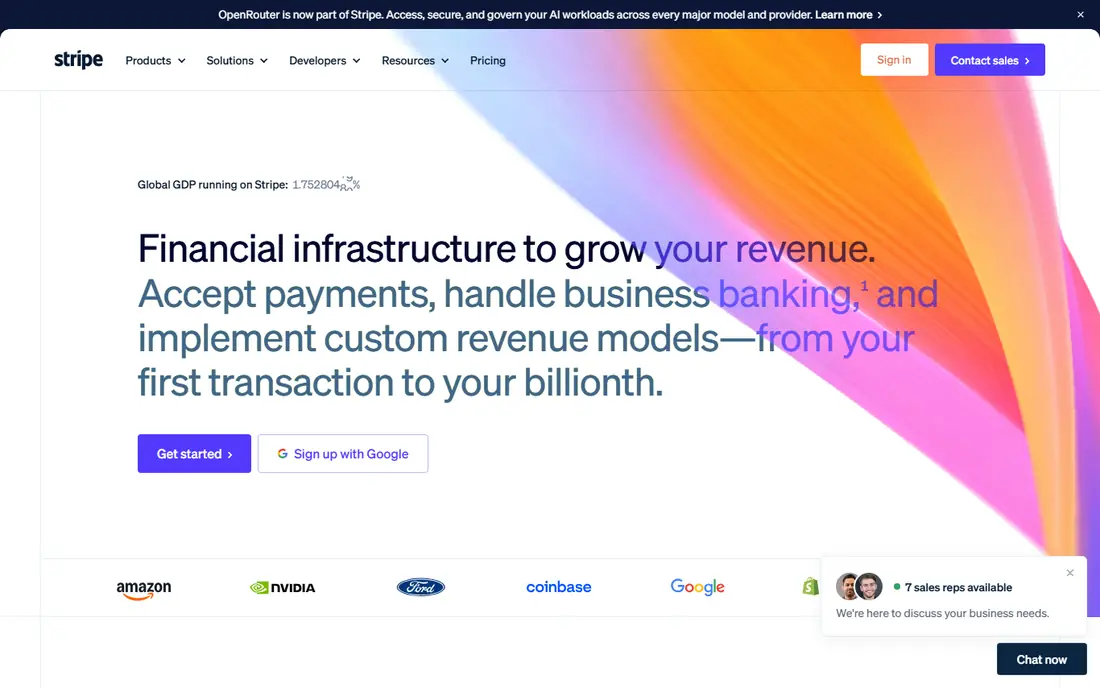
Stripe builds payments and financial infrastructure for internet businesses, including online payments, billing, invoicing, tax, fraud prevention, and embedded finance. For engineers and product managers, that scale means work on systems that handle large transaction volumes and complex money movement, alongside colleagues in a company known for written culture and technical rigor. Public employee reports often praise learning and colleague quality, while also noting a fast pace.
The trade off is intensity. Public reports describe a high bar and a demanding workload, so Stripe suits people who want hard problems and are comfortable with a fast, exacting environment. If work life balance is your top priority, compare Stripe with a slower paced fintech on this list and talk to current team members about the specific team before accepting.
- Infrastructure scale
- Deep engineering problems
- Global payments product range
- High intensity pace reported by employees
- Interview process is demanding

Block, the parent of Square, Cash App, and other financial products, offers a wide range of fintech roles in one company. Seller focused work covers point of sale, payments, and small business tools, while consumer work covers peer payments, banking features, and investing tools. That breadth lets people move between seller and consumer problems without leaving the company, and public reports often note flexible work arrangements on many teams.
Size is the catch. A large multi product company can feel fragmented, and team experience can vary by business unit. Ask about the specific team, its roadmap, and its on call load, rather than judging Block as a single culture, since Square and Cash App teams can feel quite different day to day.
- Seller tools plus consumer apps
- Broad role range
- Remote friendly teams in public reports
- Large company complexity
- Priorities can shift across business units
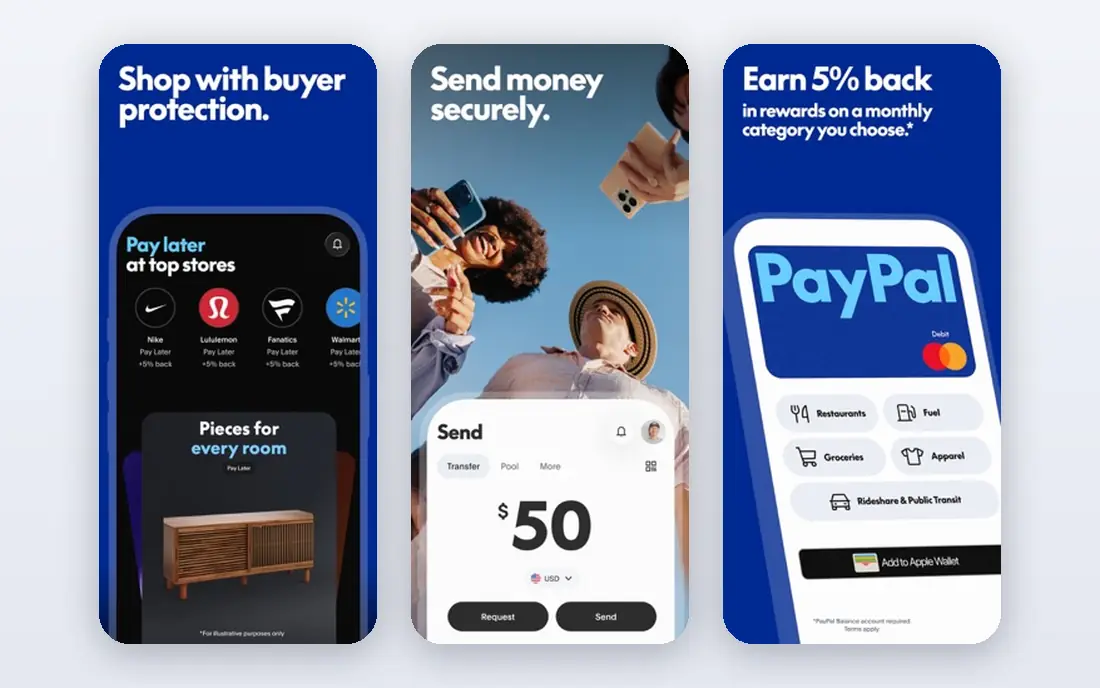
PayPal is one of the most widely used consumer payment brands, with merchant payments, peer payments, Venmo, and business tools under its umbrella. That scale gives employees exposure to consumer trust, fraud, risk, and global payments problems that smaller fintechs rarely face. Roles span engineering, product, design, data, compliance, and operations, with offices in many cities.
The trade off is large company process. Decision making can be slower than at a startup, and some teams work on legacy systems alongside newer products. PayPal suits people who want stability, scale, and a recognizable brand, and who are comfortable navigating a large organization to get work done.
- Very large consumer and merchant base
- Broad product range
- Global offices
- Large company pace
- Legacy systems in some areas
Plaid provides the connections that let apps link to bank accounts, verify accounts, move money, and check identity, which makes it a quiet but central part of many fintech products. Engineers and product builders who like infrastructure, APIs, and data accuracy often find Plaid work satisfying, since a small improvement can affect many partner apps. Public reports often highlight learning, mentorship, and a collaborative culture.
The work is less visible than a consumer app, which matters if you want to show friends what you built. Plaid also operates in a regulated area where bank partnerships and compliance shape timelines, so product launches can take longer than at a consumer startup. It suits people who value depth and reliability over rapid consumer launches.
- Infrastructure focus
- Learning and mentorship themes in public reports
- Bank connectivity scale
- Infrastructure work is less visible to consumers
- Growth can be uneven by team
SoFi covers student loan refinancing, personal loans, mortgages, banking, and investing through digital products, which gives employees a broad view of consumer finance in one place. Public employee reports often mention comprehensive benefits, including student loan help and family support, and a mission focus on helping members reach financial goals. That breadth suits product, engineering, and operations people who want to work across several financial products.
Some public reports also note work life balance pressure and leadership change as challenges, so team level research matters. Ask about on call expectations, team tenure, and how product priorities are set, since those factors vary more by team than by company brand.
- Broad consumer finance range
- Mission around financial independence in public reports
- Career growth themes
- Work life balance concerns in some public reports
- Regulated lending pace
Chime offers consumer banking features through partner banks, including spending accounts, savings tools, and early direct deposit features, and it is known for a member focused product approach. Public reports often highlight employee wellness, flexible schedules, and supportive team cultures, which appeals to people who want consumer product work without the intensity of an infrastructure giant. Roles span product, engineering, design, marketing, and operations.
The partner bank model is a real constraint. Product options depend on banking partners and regulation, so some features take longer to ship than at a chartered bank. Chime suits people who care about everyday banking for consumers and who want a product mission they can explain simply.
- Consumer banking focus
- Wellness and flexibility themes in public reports
- Clear member mission
- Partner bank model shapes product limits
- Growth stage pressure
Robinhood is known for commission free stock trading and a simple consumer investing app, now covering retirement, crypto, and cash management products as well. For product designers, engineers, and data scientists, the appeal is building investing tools for first time investors, with a focus on clarity and mobile design. Public reports often note a fast product pace and a strong design culture.
Regulation and market cycles are part of working here. Investing products face close scrutiny, and hiring can follow market conditions more than at a payments infrastructure firm. Robinhood suits people who are interested in markets and consumer investing, and who are comfortable with a regulated, high attention product area.
- Investing product focus
- Consumer design strength
- Crypto and retirement product range
- Regulatory scrutiny is part of the job
- Market cycles affect hiring
Wise, formerly TransferWise, helps people and businesses send money across borders with a focus on transparent fees and mid market exchange rates. Employees work on payments, foreign exchange, compliance, and product problems that span many countries and currencies, which suits people who want international exposure. Its offices across Europe, the Americas, and Asia Pacific give real chances to collaborate globally.
Global spread is also a challenge. Meetings can span time zones, and regulatory rules differ by country, so product work needs careful coordination. Wise suits people who enjoy cross border problems and who are comfortable working with colleagues in several time zones each week.
- International money transfer focus
- Transparent pricing mission
- Multi country teams
- Time zone spread across offices
- Transfer pricing is a competitive area
Revolut offers banking, payments, foreign exchange, investing, and business products across many markets, which gives employees a wide product surface to work on. Public reports often highlight international exposure, rapid product launches, and growth opportunities for people who thrive in a fast moving environment. Engineers, product managers, and operations staff can work on products used in several countries at once.
Pace is the trade off. Public reports describe high expectations and a demanding rhythm, so Revolut suits people who want speed and breadth and who can manage a busy workload. Check the specific country team and product area, since experience can differ between a mature market team and a new market launch team.
- Very broad product range
- International growth
- Fast product shipping themes
- Fast pace and high expectations in public reports
- Role experience varies by market
Adyen provides a single payments platform for large merchants, handling online, in store, and mobile payments across many countries. For engineers and product builders, the appeal is enterprise scale and a unified platform, rather than a patchwork of regional providers. Its merchant base includes large global brands, so work often involves complex payment flows, fraud prevention, and data reporting for enterprise clients.
The work is enterprise focused, so consumer visibility is low and sales cycles are long. Adyen suits people who want deep payments expertise, global merchant problems, and a platform engineering culture, rather than a consumer app with daily user feedback.
- Enterprise payments scale
- Single platform approach
- Global merchant base
- Enterprise sales cycles are long
- Less consumer product visibility
How we picked these
We compared public company profiles, product ranges, role types, and employee reported culture themes for fintech firms that still hire across engineering, product, and operations roles in 2026. We favored firms with a clear product focus and a public careers presence, and we mixed infrastructure, consumer, investing, and international firms so readers can match a company to the kind of work they want. We did not use invented scores, salary figures, or ranking claims, since those vary by role and location and change often.
How to judge a fintech employer before you apply
Start with the team, not the brand. Read the job description for on call duties, tech stack, and product area, then ask in interviews about team size, manager tenure, and how priorities change. Public employee reviews can help, but weigh recent reviews for your specific team over company wide averages, since large fintechs vary widely inside.
Next, check growth paths. Ask how people move from individual contributor to senior roles, whether internal moves are common, and what learning support exists, such as mentorship or education help. Finally, check stability factors that matter to you: funding stage for private firms, profitability trends for public firms, and how hiring has moved in the last year. A strong brand with a shrinking team in your area is a different bet from a smaller firm hiring steadily in that same area.
Frequently asked questions
Which fintech company is best to work for?
There is no single best employer, since fit depends on role, pace, and product interest. Stripe and Plaid suit infrastructure builders, SoFi and Chime suit consumer finance builders, and Wise, Revolut, and Adyen suit people who want international or enterprise payments work. Compare teams, not just brands.
Do fintech companies offer remote work?
Many fintech firms offer remote or hybrid roles, but availability varies by team, role, and location, especially for compliance, operations, and customer support roles that may need office or shift coverage. Check the job listing for location and remote terms, and confirm them in the interview rather than assuming a company wide policy.
What roles are available at fintech companies?
Fintech firms hire engineers, product managers, designers, data scientists, compliance and risk specialists, operations staff, marketers, and customer support teams. Technical roles dominate at infrastructure firms, while consumer firms hire more product, design, and support roles alongside engineering.
Is fintech a stable industry to work in?
Fintech can be cyclical, since funding, market conditions, and regulation affect hiring, but payments infrastructure and large consumer firms tend to be more stable than early stage startups. Look at hiring trends, product revenue mix, and team growth in your area, and keep skills that transfer across payments, banking, and data work.
Do I need a finance background to work in fintech?
Not always. Engineers, designers, and product managers often come from technology backgrounds, while compliance, risk, and finance roles value finance knowledge. An interest in how money moves, plus relevant technical or product skills, matters more than a finance degree for many roles.
How should I prepare for a fintech interview?
Research the company product, its main customers, and its regulatory area, and prepare examples that show how you handled scale, risk, or customer trust problems. For engineering roles, practice system design for payments or data problems. For product roles, prepare a clear story about a product decision, its trade offs, and what you learned.
Sources
See where you really rank - block by block
ProMapRanker scans Google Maps across a grid of your service area. Simple monthly plans from $19, white-label on every plan.
Start freeKeep reading
 zoro.to alternatives
Best Zoro.to Alternatives in 2026
We compare the best zoro.to alternatives in 2026, listing only legal licensed anime streaming services, from Crunchyroll to free options for fans today.
Read → zip alternatives
Best Zip Alternatives in 2026
We compare the best zip alternatives for buy now, pay later in 2026, covering pay-in-4 plans, fees, spending limits, and credit reporting options today.
Read → yesware alternatives
Best Yesware Alternatives in 2026
Compare the best yesware alternatives for sales email tracking, templates, and sequences, with current pricing and honest tradeoffs for small sales teams.
Read →