 ProMapRanker
Best Finance Companies to Work in 2026


Widest range of finance roles · Pricing starts at: See website
Key takeaways
- JPMorgan Chase and Bank of America offer the widest range of finance roles, from retail banking to investment banking and asset management, in one employer.
- Goldman Sachs and Morgan Stanley are often cited in public rankings for prestige, training, and complex deal work, while smaller boutiques also rank highly for culture.
- Fidelity Investments, Vanguard, and BlackRock suit people who want asset management, client service, and long-term investing work rather than deal-heavy banking hours.
- American Express suits people who want a large financial services employer with card, travel, and customer service roles beside banking and finance jobs.
- Workplace experience varies sharply by team, role, and location, so public rankings and benefits pages should be checked against the specific job, not the brand alone.
Quick comparison
| Pick | Great for | Pricing starts at | Free tier | |
|---|---|---|---|---|
| JPMorgan Chase | Widest range of finance roles | See website | No | Visit |
 Goldman Sachs | Prestige and complex deal work | See website | No | Visit |
 Morgan Stanley | Wealth and investment banking breadth | See website | No | Visit |
 Bank of America | Large bank with many career paths | See website | No | Visit |
 Fidelity Investments | Asset management and client service | See website | No | Visit |
 Vanguard | Low-cost investing culture | See website | No | Visit |
 BlackRock | Asset management and technology | See website | No | Visit |
 American Express | Card and financial services roles | See website | No | Visit |
The best finance companies to work for
In this guide, the products are employers, not software. We compare them on publicly reported workplace factors: range of roles, training, culture, benefits, flexibility, and stability, as described on company career pages and in public employer surveys. We do not invent rankings or scores, and we do not claim that one employer is best for every person. A role in retail banking, wealth management, investment banking, asset management, or technology will feel different even inside the same company.
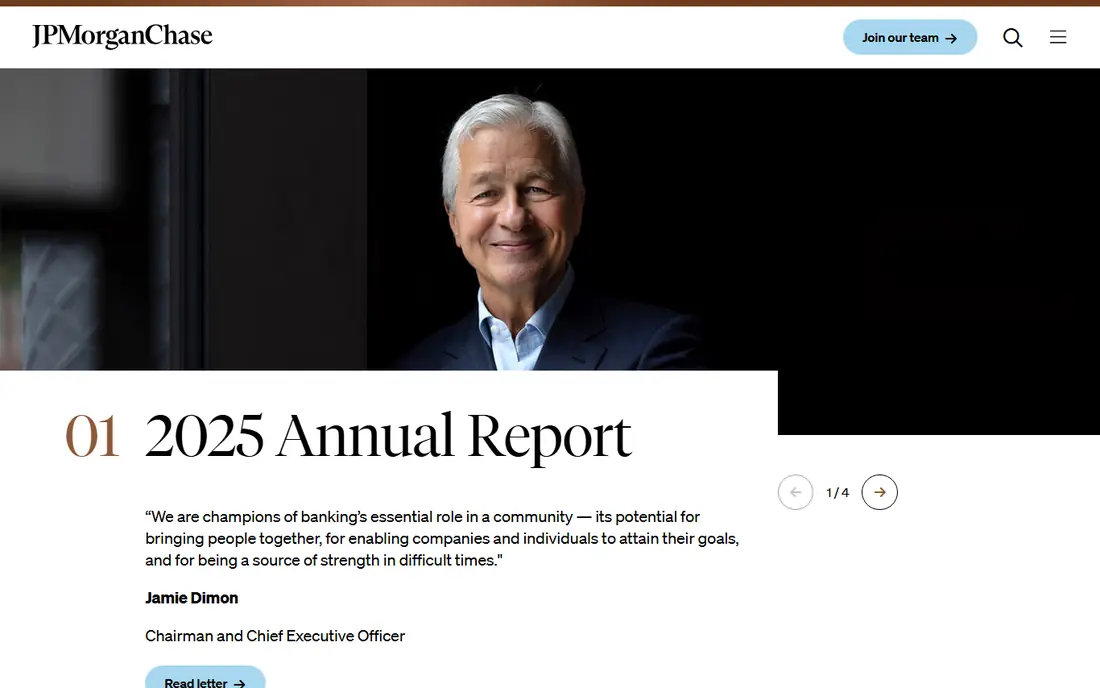
JPMorgan Chase fits people who want many career paths inside one employer. A graduate can start in retail banking, move to asset management, or join an investment banking team, and internal mobility is a recurring theme in company career material. The scale also means training, mentorship, and technology roles beside traditional finance jobs, which suits people who want to move between business and technology over time. The catch is that scale cuts both ways. A team in investment banking will feel very different from a team in consumer banking or operations, in hours, pay structure, and culture. Public survey material often places JPMorgan Chase highly for prestige among investment banks, but prestige alone does not predict day-to-day work. Check the specific division, team, and location before judging the whole company by its brand.
- Roles across retail, investment banking, asset management, and technology
- Large internal mobility options
- Extensive training programs
- Experience varies widely by division
- Large-bank hours in some investment banking teams
- In-office expectations vary by role
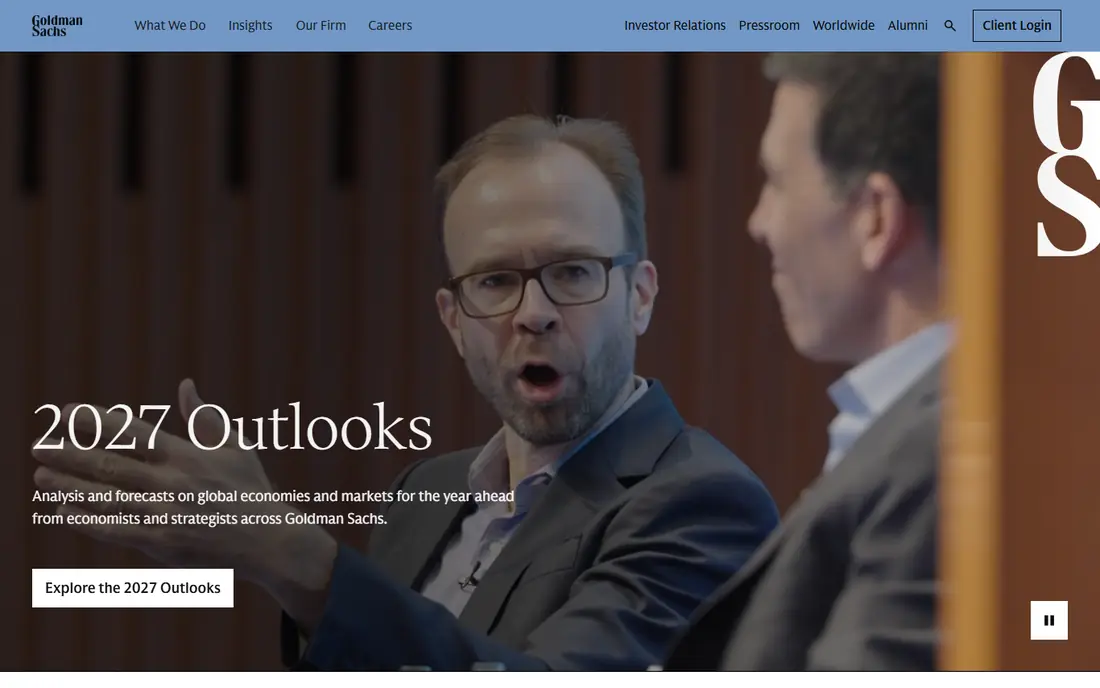
Goldman Sachs fits people who want complex deal, trading, and advisory work at a firm that is frequently cited for prestige in public banking surveys. The firm is known for structured training, early responsibility in some teams, and access to large clients and transactions that build skills quickly. For a person aiming for a long career in investment banking or markets, that exposure is a strong draw. The honest catch is intensity. Public employee accounts often describe competitive pay and benefits beside demanding hours, especially in investment banking. Culture, compensation, and early responsibility are cited as top factors by analysts in Vault survey material, but those factors do not remove the workload. Goldman Sachs suits people who prioritize prestige, training, and deal experience over predictable hours.
- Often cited as the most prestigious investment banking employer
- Complex, high-profile work
- Structured training and mentorship
- Demanding hours in many banking teams
- Highly competitive culture
- Work-life balance can be hard in deal-heavy roles
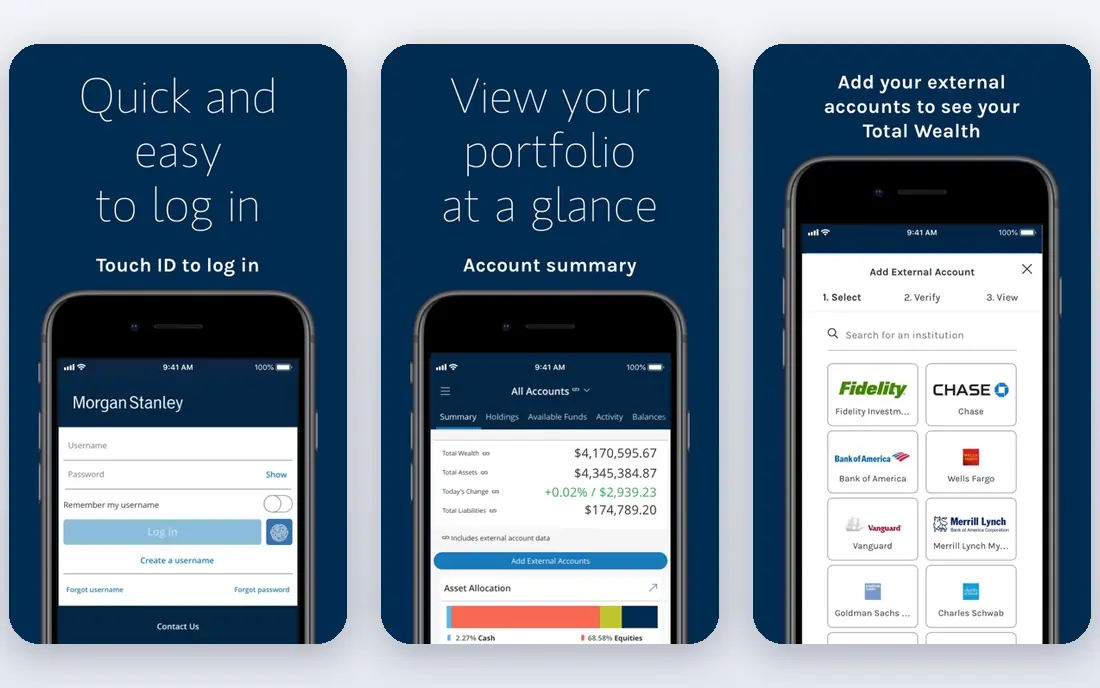
Morgan Stanley fits people who want both investment banking and wealth management options in one firm. Public Vault rankings for 2026 place Morgan Stanley among the top investment banks to work for, and the firm also has a large wealth management business that serves individuals and families. That breadth gives a person paths in advisory work, markets, technology, and operations, not just deal teams. The catch is division difference. A wealth advisor, a banker, and a technologist at the same firm will describe different days, pay structures, and managers. Morgan Stanley is a good shortlist pick for finance breadth, but the specific team matters more than the firm name. Read recent employee reviews for the exact division and location, and ask about hours, training, and promotion paths in interviews.
- Strong wealth management and investment banking presence
- Public rankings place it highly for banking work
- Broad client base
- Hours and culture vary by division
- Wealth and banking teams feel very different
- Large-firm process can slow decisions
Bank of America fits people who want a large, stable employer with many ways to build a finance career. Roles span consumer banking, wealth management through Merrill, investment banking, and technology, with branches and offices across the United States. That scale can help a person who wants to stay in one company while changing roles, cities, or business lines over time. The limit is uniformity. A large bank does not have one culture, and a branch role, a wealth role, and a banking role will differ in hours, pay, and pace. Public pay surveys often place Bank of America among higher-paying large banks for some roles, but pay still depends on role and location. Use Bank of America as a breadth pick, and judge the specific job on its own terms.
- Many branches and business lines
- Consumer, wealth, and investment banking roles
- Large training and community programs
- Large organization with varied team cultures
- Some roles are highly process-driven
- Pay varies widely by business line
Fidelity Investments fits people who want asset management, retirement, and client service work with strong training. Public accounts describe comprehensive benefits, clear career steps, and support for certifications, plus technology roles that have grown in recent hiring reports. The firm appears on Glassdoor and Built In workplace lists in recent material, which reflects employee satisfaction in parts of the business. The catch is flexibility and scale. Recent reports note a five-day in-office requirement for many roles and a workforce reorganization, so remote flexibility should not be assumed. Service roles can also be demanding, with clear targets and schedules. Fidelity suits people who value training, benefits, and a mission around helping clients invest, and who are comfortable with an office-based routine.
- Comprehensive benefits in public employee accounts
- Strong training and certification support
- Large technology and early-career hiring
- In-office expectations have tightened in recent reports
- Large workforce means team experience varies
- Some roles are service-heavy
Vanguard fits people who want a mission-driven asset manager focused on low-cost, long-term investing. The company describes itself as client-owned, which shapes a culture that emphasizes low fees and investor outcomes over short-term sales. Roles in investing, client service, technology, and operations suit people who want steady work with a clear purpose, rather than deal-driven hours. The trade is pay and pace. Vanguard is not an investment bank, so compensation for comparable seniority can differ from Goldman Sachs or Morgan Stanley, and the work pace can feel slower to people who thrive on deals. For a person who values stability, a long-term investing mission, and a calmer pace, Vanguard is a strong pick among financial services companies to work for.
- Client-owned structure in company descriptions
- Focus on long-term investing
- Steady, mission-driven culture in public accounts
- Pay can be lower than investment banks for comparable roles
- Fewer deal-heavy roles
- Pace can feel slower for deal-driven people
BlackRock fits people who want asset management at global scale, with a strong technology angle. The firm manages investments for clients worldwide and builds technology platforms used across the industry, so roles span investing, risk, technology, and client service. That mix suits people who want finance work with a technology component, or technology work inside finance. The catch is that BlackRock is not one uniform workplace. An investment team, a technology team, and a client team will have different hours, pay, and managers, and large-firm process can feel slow. Public accounts often cite learning, global exposure, and benefits as strengths, but team experience still varies. Check the specific function and office, and ask about rotation, training, and promotion in interviews.
- Largest asset manager scale in public descriptions
- Strong technology platform work
- Global roles and mobility
- Large-firm process
- Technology and investment roles differ sharply
- Culture varies by office and team
American Express fits people who want a large financial services employer without aiming for investment banking. Roles cover cards, payments, travel, customer service, marketing, risk, and technology, which gives a wider set of entry points than a pure bank. Public employee accounts often cite benefits, supportive managers in some teams, and internal mobility, which help for a long career. The limit is scope. American Express is not the place for traditional mergers and acquisitions banking, so a person who wants deal work should look at Goldman Sachs, Morgan Stanley, or JPMorgan Chase instead. Service and operations roles can also be target-driven. Pick American Express when a broad financial services career, with benefits and brand strength, matters more than investment banking prestige.
- Strong benefits in public employee accounts
- Card, travel, and customer service roles beside finance
- Global brand
- Not a traditional investment bank, so deal roles are limited
- Service roles can be target-driven
- Experience varies by business unit
How we picked these
We compared company career pages, public employer surveys such as Vault 2026 investment banking rankings, and public employee accounts about benefits, culture, and training. We kept large, well-known finance employers that are still hiring in October 2026 and that cover distinct paths: large banks, investment banks, asset managers, and a card and financial services firm. We did not invent rankings, scores, or salary figures, and we did not present a single winner, because the best finance company to work for depends on role, team, and location. Workplace factors change over time, so check the current job posting and recent reviews for the exact role.
How to choose the right finance employer for your career
Start with the job family, not the brand. Investment banking, wealth management, asset management, retail banking, risk, and technology are different careers even when they share a logo. List the work you want to do daily, the hours you can sustain, and the skills you want to build in two years, then match that list to a division, not just a company.
Check the specific team before you accept
Read recent reviews for the exact team and office, ask about manager style, hours, training, and promotion timelines in interviews, and talk to current or former team members when possible. Ask about flexibility, benefits that matter to you, and how performance is judged. A strong brand with a weak team is a weak job, while a less famous team with good management can be a strong career step.
Compare total rewards, not just base pay
Compare base pay, bonus structure, benefits, retirement contributions, training support, and flexibility together, because a higher base with weak benefits or no flexibility can be worth less overall. Check how bonuses are paid, whether they depend on firm or team results, and what happens in a slow year. For early-career roles, training, mentorship, and internal mobility often matter more than a small pay gap, because they shape the next role.
Frequently asked questions
What are the best financial companies to work for in finance?
The best financial companies to work for depend on the career path. JPMorgan Chase and Bank of America offer breadth, Goldman Sachs and Morgan Stanley offer investment banking prestige and training, and Fidelity, Vanguard, and BlackRock offer asset management and client-focused work. There is no single best employer for every finance role, so match the firm to the job family first.
What is the best finance company to work for in investment banking?
Goldman Sachs is often cited as the most prestigious investment banking employer in public surveys, and Morgan Stanley also ranks highly in Vault 2026 material. Smaller firms such as Centerview Partners and Evercore rank highly for overall banking work and culture in the same Vault rankings, so prestige is not the only factor. Check culture, compensation, and work quality for the specific group you would join.
What are the best companies to work for in finance for work-life balance?
Asset managers such as Vanguard and Fidelity, and some wealth and consumer banking roles, are often described as steadier than investment banking teams, but balance still varies by team and role. No large finance employer guarantees balance in every division. Ask the hiring team about hours, on-call work, and flexibility for the exact role, and read recent reviews for that team.
Do finance companies offer good benefits?
Large finance companies in this list generally offer comprehensive benefits in public accounts, including health coverage, retirement plans, paid leave, and training support, but details vary by company, role, and location. Fidelity, American Express, and large banks are often cited for benefits, yet the exact package should be checked in the offer letter. Compare retirement contributions, leave, and training support beside base pay.
Is it better to work for a large bank or an asset manager?
A large bank suits people who want many business lines, deal work, or retail and wealth paths in one employer. An asset manager such as Fidelity, Vanguard, or BlackRock suits people who want long-term investing, client service, or technology work with a steadier pace. The better choice depends on whether deal intensity or long-term investing work fits your career goals and lifestyle.
How should I use public rankings when choosing a finance employer?
Use public rankings as a starting shortlist, not as a final decision. Vault and similar surveys reflect surveyed bankers in specific roles and years, and they do not capture every team or location. Pair rankings with company career pages, recent employee reviews for the exact division, and interview questions about hours, training, and promotion. The team you join matters more than the rank of the firm.
Sources
See where you really rank - block by block
ProMapRanker scans Google Maps across a grid of your service area. Simple monthly plans from $19, white-label on every plan.
Start freeKeep reading
 zscaler alternatives
Best Zscaler Alternatives in 2026
Looking for zscaler alternatives? We compare 9 SASE and zero trust platforms on architecture, data protection, pricing, and fit for your network and team.
Read → zapier alternatives free
Best Zapier Alternatives Free in 2026
Nine automation tools for zapier alternatives free in 2026, all with genuinely free tiers, plus free plan limits, starting prices and upgrade paths explained.
Read → which platform is best for online reputation
Which Platform Is Best for Online Reputation in 2026
Wondering which platform is best for online reputation? We compare 8 review, listing, and response tools for small and multi-location businesses and agencies.
Read →