 ProMapRanker
Best ETL Tools Comparison in 2026

Key takeaways
- Fivetran and Airbyte lead for most teams, with Fivetran favoring hands-off managed ELT and Airbyte favoring control and open source.
- Hevo, Stitch, and Skyvia cover simpler no-code loads, while Estuary stands out when data must arrive in near real time.
- Matillion, Qlik Talend, Informatica, and AWS Glue suit warehouse-centered or enterprise workloads, not quick single-source jobs.
- Usage-based pricing means the cheapest entry price is rarely the full cost, so model row, event, or compute volume before buying.
Quick comparison
| Pick | Great for | Pricing starts at | Free tier | |
|---|---|---|---|---|
 Fivetran | Managed ELT with minimal setup | See website | Yes | Visit |
 Airbyte | Open-source flexibility and custom connectors | See website | Yes | Visit |
 Hevo Data | No-code ELT for small and mid-size teams | $239 per month | No | Visit |
 Stitch | Simple SaaS-to-warehouse loads | $100 per month | Free trial | Visit |
 Skyvia | No-code integration and reverse ETL | $79 per month | Yes | Visit |
 Estuary Flow | Real-time streaming and change data capture | See website | Yes | Visit |
 Matillion | Warehouse-native transformation | See website | Free trial | Visit |
 Qlik Talend | Enterprise integration and data quality | See website | Free trial | Visit |
 Informatica | Enterprise data management and governance | See website | No | Visit |
 AWS Glue | AWS-native serverless ETL | See website | No | Visit |
The best ETL tools comparison
We compared managed ELT, open-source, streaming, and enterprise platforms on connector breadth, transformation options, deployment, pricing clarity, and the effort needed to keep pipelines running.
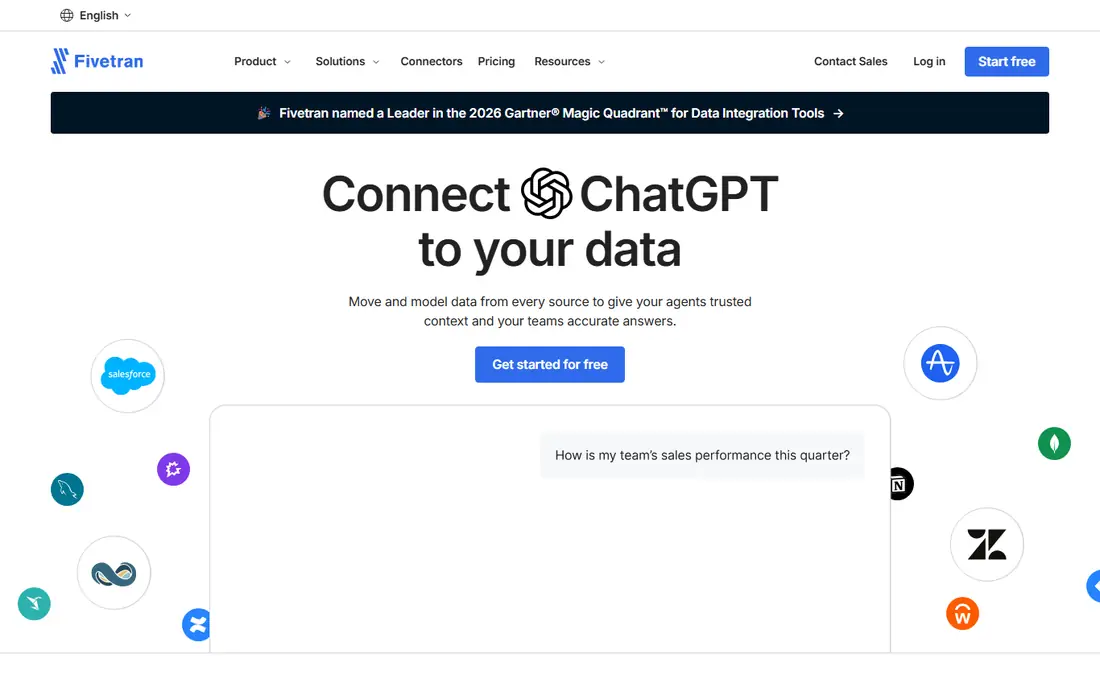
Fivetran suits teams that want data moved with little day-to-day pipeline work. It connects common SaaS apps, databases, and files to a warehouse or lake, then keeps schemas and syncs updated as sources change. That managed approach is the main reason larger analytics teams pick it first, even when the monthly bill needs careful watching.
The catch is cost control. Usage-based pricing rewards steady, well-chosen syncs and punishes noisy, high-churn sources, so teams should start with only the tables they report on. For a first managed ELT purchase, Fivetran remains a strong default, provided the budget owner reviews usage each month.
- Large connector catalog
- Automated schema handling
- Managed pipelines with monitoring
- Usage-based cost can rise with high data churn
- Less control than self-hosted tools
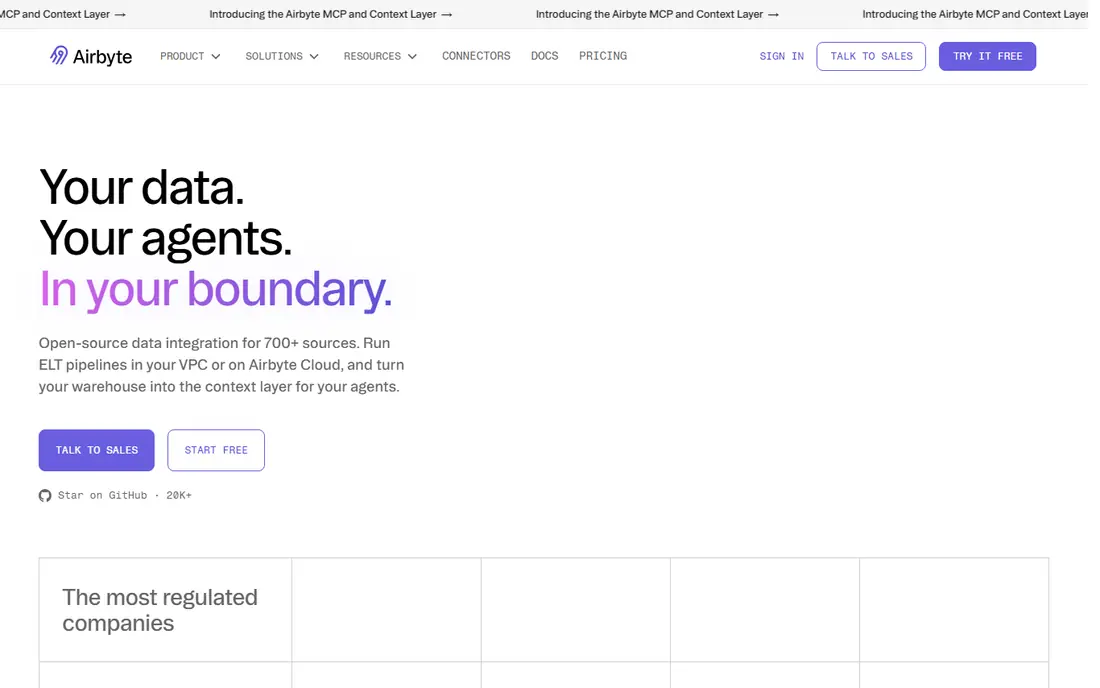
Airbyte fits teams that want control over where data moves and how connectors work. Its open-source core lets engineers run it in their own environment, build custom connectors, and avoid being locked to one vendor roadmap. The cloud option suits teams that want the same connector breadth without running infrastructure themselves.
The trade-off is effort. A self-hosted setup needs monitoring, upgrades, and capacity planning, which small teams may not want to own. Airbyte is best when flexibility matters more than a fully hands-off service, and when someone on the team can own the deployment.
- Open-source core
- Large connector catalog
- Self-hosted or cloud deployment
- Self-hosting needs engineering time
- Cloud costs vary with volume
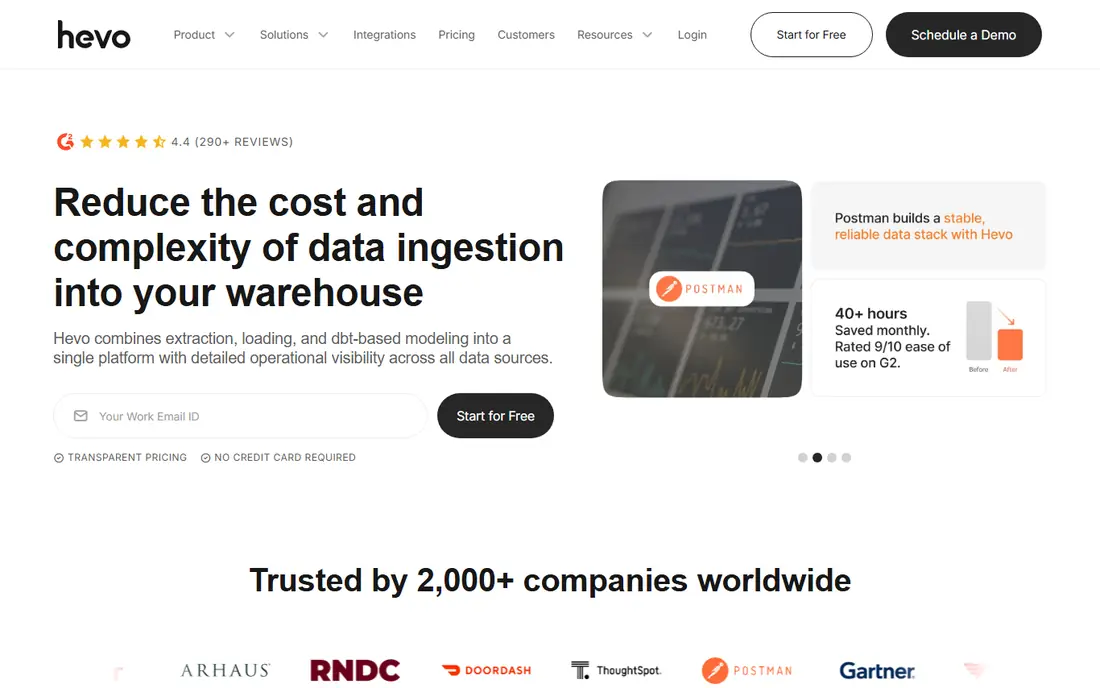
Hevo Data is built for teams that want pipelines without writing a lot of code. Sources connect through a guided setup, data lands in the warehouse, and basic transformations happen before analysts touch it. That simplicity helps marketing, finance, and operations teams move faster without waiting on a data engineering queue.
The main limit is price at the low end. A team with only one or two small sources may find the entry plan hard to justify. For a growing company with several sources and a clear reporting need, Hevo gives a clean middle path between a spreadsheet export and a full engineering build.
- No-code pipeline setup
- Near real-time replication options
- Built-in transformation options
- Entry price may be high for very small teams
- Advanced use cases may need warehouse-side work
Stitch keeps the job narrow on purpose: move data from SaaS tools and databases into a warehouse on a schedule. That focus makes it easy to set up, easy to explain to a finance or operations lead, and easy to maintain once it runs. Teams that only need reliable batch loads will not miss the extra features.
The limit shows up when reporting needs change. Transformations mostly happen in the warehouse or with another tool, and streaming use cases are outside its core design. Stitch is a good fit when the goal is dependable, simple replication rather than a full data platform.
- Simple setup for common sources
- Predictable row-based tiers
- Managed replication
- Limited transformation inside the tool
- Not built for streaming or complex CDC
Skyvia appeals to business users who need data moved, synced, or backed up without code. It covers integration between cloud apps, loading into warehouses, and pushing enriched data back to business tools. Unlimited users on plans also helps when several departments share the same account.
Volume and load limits still matter, so teams should map record counts before choosing a tier. Skyvia is strongest for straightforward, scheduled work and for teams that value a visual builder over a code-first pipeline tool.
- No-code interface
- Data integration plus backup and reverse ETL options
- Unlimited users on plans
- Volume limits shape larger workloads
- Less suited to heavy streaming pipelines
Estuary Flow is the pick when freshness matters more than batch convenience. It captures database changes as they happen and moves them toward warehouses, lakes, or applications with low delay. That design suits operational dashboards, fraud checks, and other work where yesterday data is too old.
The catch is setup discipline. Source permissions, change capture settings, and destination choices need attention at the start. Teams that invest that time get a streaming pipeline that batch tools cannot match, while teams that only need nightly reports will not need this level of speed.
- Streaming CDC with low latency
- Per-gigabyte pricing model
- SQL and TypeScript derivations
- Setup needs care around source permissions
- Smaller connector catalog than the largest ELT vendors
Matillion is less about loading alone and more about doing the transformation work where the data already lives. Pipelines run inside cloud warehouses, which keeps heavy processing close to the data and avoids moving large tables through a separate engine. Visual building helps analysts follow each step.
The trade-off is scope and pricing clarity. It is not the cheapest way to load a handful of SaaS sources, and published pricing is limited, so budgeting starts with a quote. Matillion fits warehouse-centered teams that already standardize on a cloud warehouse and want transformation as a first-class job.
- Runs transformations inside the warehouse
- Visual pipeline builder
- Cloud warehouse focus
- Quote-based pricing needs a sales conversation
- Not a general-purpose SaaS loader for every source
Qlik Talend, formerly Talend, suits enterprises that need integration, transformation, and data quality in one governed platform. It handles complex jobs, multiple source types, and rules that check data before it reaches reporting. Large teams with compliance needs often value that breadth over a quick setup.
The cost is complexity. Implementation and training take longer than with a no-code loader, and pricing requires a sales discussion. Talend is best when governance, quality checks, and enterprise scale matter more than the fastest first pipeline.
- Broad integration and transformation options
- Data quality and governance features
- Enterprise deployment options
- Quote-only pricing
- Heavier setup and training than simpler ELT tools
Informatica covers the full enterprise data job, from integration and quality to governance and cataloging. Regulated industries and very large companies use it when data must be tracked, cleaned, and controlled across many systems. That depth is its main selling point.
For most small and mid-size teams, it is too much. Pricing is custom, setup takes time, and a dedicated data team helps. Informatica belongs on a shortlist only when scale, governance, or regulatory needs justify an enterprise platform.
- Broad enterprise data management coverage
- Strong governance and quality tooling
- Large-scale deployment options
- Enterprise pricing and long implementation cycles
- Overkill for small teams
AWS Glue fits teams that already run on AWS and want ETL without managing servers. Jobs can be built visually or in code, run on Spark, and connect to AWS storage, databases, and analytics services. Pay-per-use billing suits variable workloads that do not need a server always running.
The honest catch is estimation. Costs depend on job size, frequency, and data volume, so a pilot with real workloads matters before a budget is set. Glue is a strong choice inside AWS, and a poor choice as a standalone tool for teams on other clouds.
- Serverless Spark-based ETL inside AWS
- Visual and code-based job options
- Tight AWS service integration
- Pricing is hard to estimate before use
- Best only for teams already committed to AWS
How we picked these
We compared official feature pages, pricing pages, and public documentation for each platform, and we favored tools that are live and supported in October 2026. We did not claim hands-on testing. We checked whether each tool truly moves and prepares data for analytics, rather than only visualizing it or only scheduling code. Price claims below come from vendor pages or are marked as See website where a vendor does not publish a fixed rate.
That method favors honest trade-offs. A tool can be excellent and still be wrong for a small team, and a simple loader can be right even if it lacks streaming or governance features. Use the fit notes in each section, not the ranking order alone, to narrow the list.
How to choose an ETL tool without overbuying
Start with the destination and the freshness need
If reports can wait until morning, a batch loader is enough. If dashboards, alerts, or operational tools need current data, shortlist streaming and change data capture tools first. The freshness need alone rules out half the market.
Count what you will actually sync
List sources, tables, and expected row or event volume, then check how each vendor meters that volume. A free tier that covers a pilot may not cover production, and a low entry price may rise fast with churn. Ask for a usage estimate on a real workload before signing.
Decide who will own it
A managed service suits teams without data engineers. Self-hosted or warehouse-native tools suit teams that already own infrastructure and want control. Match the owner to the tool, or even a strong platform will stall after the first pipeline.
Frequently asked questions
What is the difference between ETL and ELT?
ETL transforms data before loading it, while ELT loads raw data first and transforms it inside the warehouse. Most modern tools in this guide follow ELT patterns, with transformation options in the warehouse or in the pipeline. The label matters less than where cleaning and modeling happen in your setup.
Which ETL tool is best for a small team?
Stitch, Skyvia, and Hevo are common starting points because setup is visual and the scope is clear. Airbyte Cloud also works when a team wants open-source connectors without running servers. Start with one or two sources and expand only after reporting value is clear.
Are there free ETL tools?
Yes, with limits. Airbyte offers a free self-hosted core and a free cloud tier, Estuary offers a limited free tier, and Skyvia offers a free plan. Free tiers usually cap volume, connectors, or features, so check limits against production volume.
How do ETL tools charge?
Most charge by rows, events, volume, credits, or compute time, while some enterprise tools use custom quotes. That is why two teams can pay very different amounts for the same tool. Model your own volume before comparing headline prices.
Do I still need dbt or another transformation tool?
Sometimes. Several loaders include basic transformations, but many teams pair a loader with a SQL transformation tool for modeling, testing, and documentation. Fivetran now sits closer to that combined model, while other tools expect the warehouse to do the work.
Sources
See where you really rank - block by block
ProMapRanker scans Google Maps across a grid of your service area. Simple monthly plans from $19, white-label on every plan.
Start freeKeep reading
 zoho inventory alternatives
6 Alternatives to Zoho Inventory, Compared on Price and Fit
Zoho Inventory alternatives: 6 tools compared on price, free plans and fit. Katana leads the list for manufacturers. Fit and flaws are laid out for each entry.
Read → zoho crm alternatives
Best Zoho CRM Alternatives (2026)
Need Zoho CRM alternatives? We compare 7 tools on cost, free access and who each suits. Every pick gets a straight assessment. Built for quick decisions.
Read → zelle alternatives
Best Zelle Alternatives in 2026
Compare the best Zelle alternatives for sending money to friends, paying sellers and moving funds abroad, with honest notes on fees, speed and safety in 2026.
Read →