 ProMapRanker
Best Estimating Software for Auto Repair Shops

Key takeaways
- CCC ONE and Mitchell Cloud Estimating are the strongest picks for collision and insurer work, because their parts and labor data match what insurers expect.
- Every estimating tool in this list is quote only, so a shop should ask for a written price that covers users, locations, and data access.
- Shopmonkey, Tekmetric, and AutoLeap suit mechanical shops, since their estimates flow straight into scheduling, invoices, and customer texts.
- Web-Est and ALLDATA fit smaller shops that need accurate parts and labor data without a full collision platform.
- The best pick depends on the work you do most: collision and insurer jobs need CCC ONE, Mitchell, or Audatex, while mechanical repair fits a shop system estimate.
Quick comparison
| Pick | Great for | Pricing starts at | Free tier | |
|---|---|---|---|---|
 CCC ONE | Collision estimates and insurer work | quote only | No | Visit |
 Mitchell Cloud Estimating | Collision estimates with repair data | quote only | No | Visit |
 Audatex | Insurer-linked estimating | quote only | No | Visit |
 Web-Est | Fast estimates for small shops | quote only | No | Visit |
 ALLDATA | Parts and labor data for estimates | quote only | No | Visit |
 Shopmonkey | Estimates inside a shop system | quote only | No | Visit |
 Tekmetric | Estimates with digital inspections | quote only | No | Visit |
 AutoLeap | Estimates plus customer texts | quote only | No | Visit |
The best estimating software for auto repair shops
A good estimate wins the job before the work starts. It has to list the right parts, the right labor time, and the right price, and it has to reach the customer fast enough that they do not call the next shop. The eight tools below cover collision estimating, mechanical estimating, and estimates inside full shop systems.
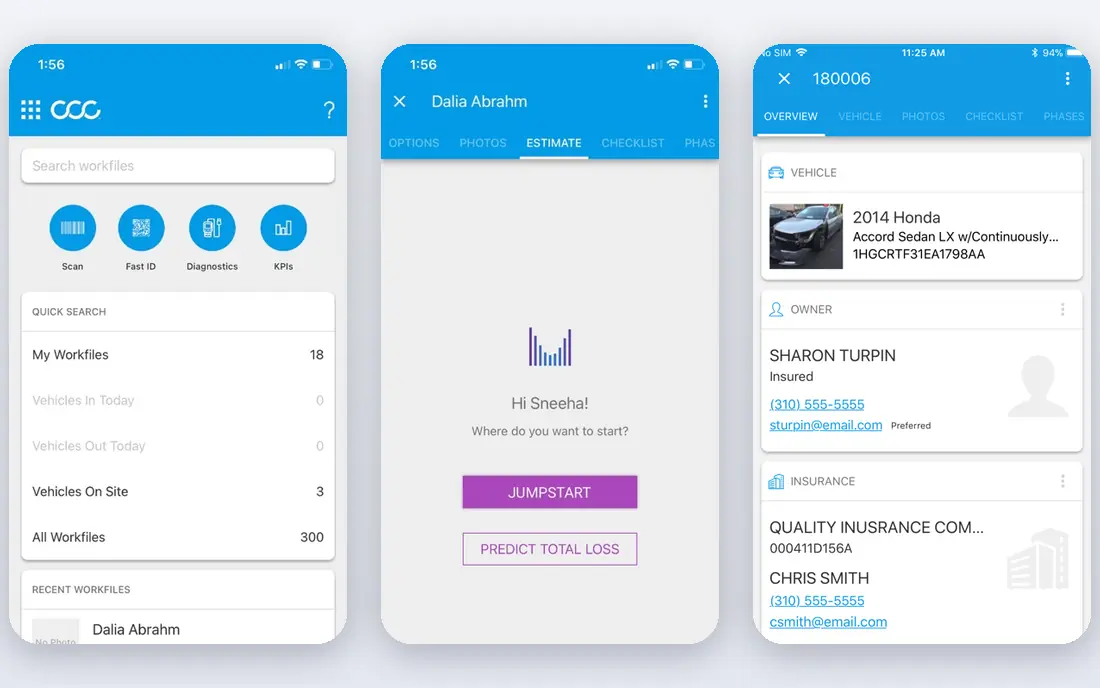
CCC ONE is the standard for collision estimating in the United States. Its parts and labor database matches what insurers use, so an estimate written in CCC ONE is one an adjuster can approve without a fight. The platform links estimating to repair planning, parts ordering, and invoicing, so the estimate follows the car through the shop.
The trade-off is price and focus. CCC ONE is quote only, and it is built for collision repair, so a general mechanical shop will pay for data it rarely uses. For a collision shop that works with insurers every day, it is the strongest pick in this list.
- Parts and labor data that insurers accept
- Estimating links to repair planning and invoicing
- Quote-only enterprise pricing
- The platform is built for collision shops, not general mechanical work
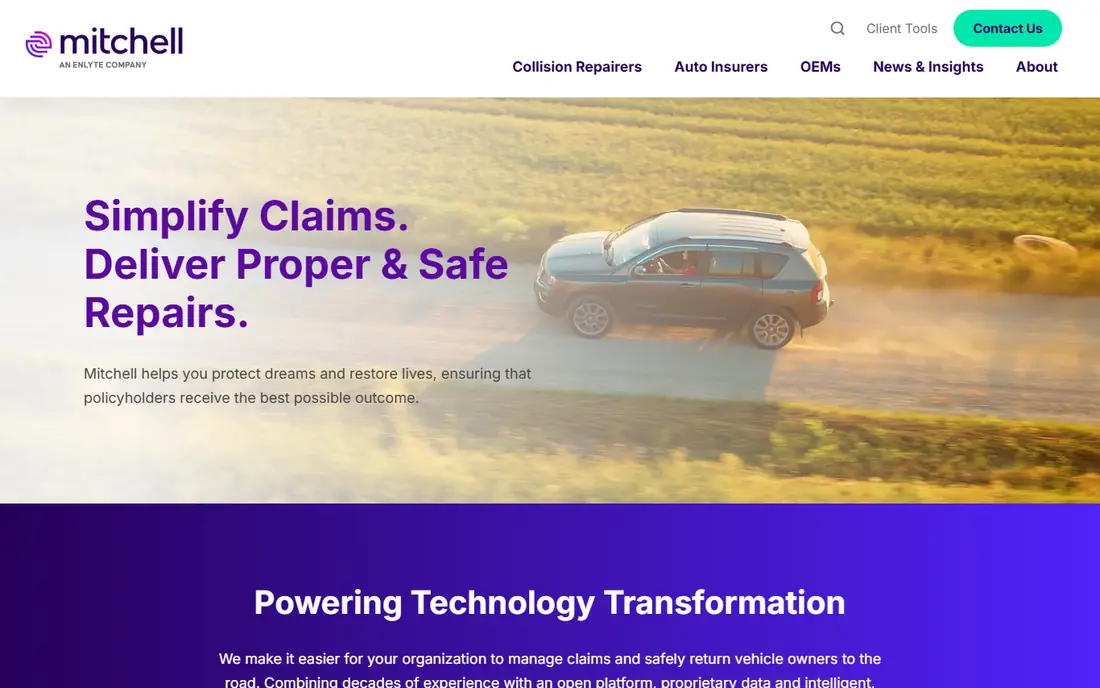
Mitchell Cloud Estimating brings Mitchell repair data into a cloud estimate. A writer can pull labor times, procedures, and parts data while building the estimate, and the result goes to the insurer in a format adjusters know. The cloud setup means estimates can start at the front desk and finish at the car.
The price comes by quote, and the full value shows when a shop also uses Mitchell repair information and shop management. A standalone collision shop still gets strong estimating, but a shop that only needs a simple quote may find the platform more than it needs.
- Cloud estimating with Mitchell repair procedures and labor times
- Insurer connections included
- Quote-only pricing
- The full value needs the wider Mitchell product family
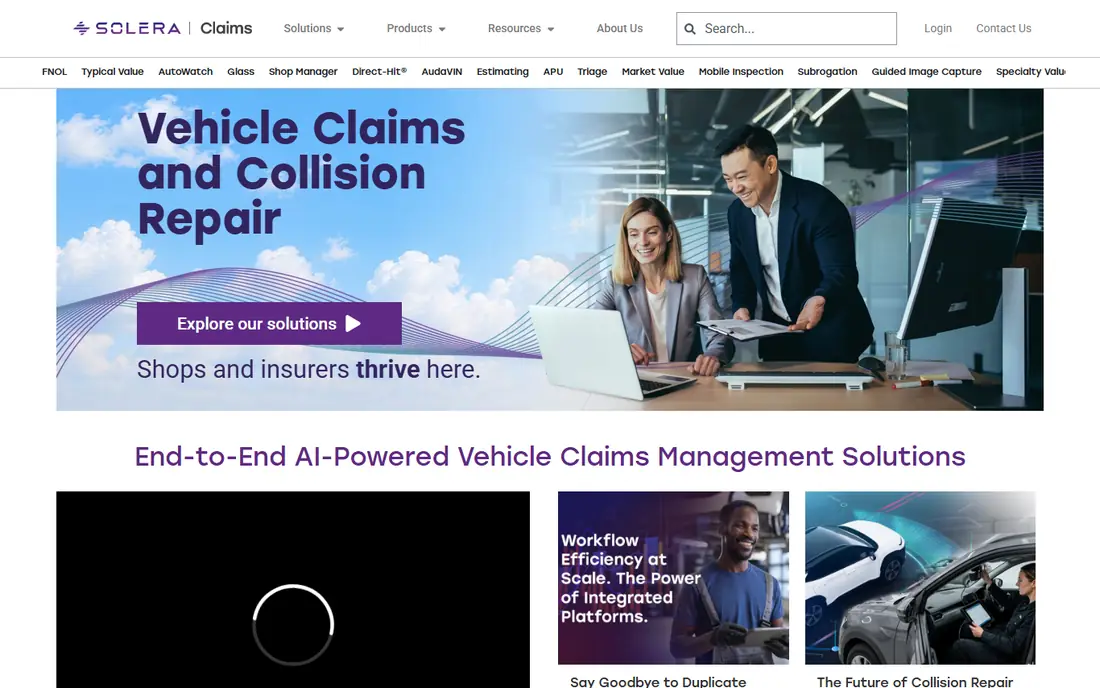
Audatex, from Solera, is an estimating platform tied closely to insurance claims. Its parts and labor data feed the same numbers insurers use, which shortens the approval cycle on a collision job. The platform also links to claims handling and parts sourcing, so the estimate, the claim, and the order stay connected.
The price is by quote, and setup takes real staff time, since the data and the workflows are deep. Audatex suits collision shops that handle insurer work daily, and it is less suited to a mechanical shop that only needs a quick quote for a brake job.
- Estimating data used across the insurance industry
- Links to claims and parts sourcing
- Quote-only pricing
- Setup and training take time for a new shop
Web-Est gives a small shop fast estimates without the weight of a full collision platform. A writer can build a quote from parts and labor data in the browser, send it to the customer, and turn it into a job. The web setup means no desktop install and a short learning curve.
The limits are depth and reporting. Web-Est is thinner on shop management and analytics than CCC ONE or Mitchell, so a large collision shop will want more. For a small shop that needs accurate estimates fast, Web-Est is a practical pick.
- Fast web-based estimates with parts and labor data
- Lower overhead than a full collision platform
- Quote-only pricing
- Reporting and shop management features are thinner than CCC ONE or Mitchell
ALLDATA is known for repair information, and its data powers estimates as well. A writer can build a quote from labor times and procedures that come from the vehicle maker, which gives the customer a clear reason for the price. The same account also gives technicians the repair steps they need.
The price comes by quote, and estimating is one part of a wider data product, so a shop that only needs quotes may find the bundle more than it needs. For a shop that already uses ALLDATA for repair data, building estimates from the same source is a natural fit.
- Repair data and labor times from the maker
- Estimates built on verified procedures
- Quote-only pricing
- Estimating is one part of a wider repair data product
Shopmonkey builds estimates inside the shop system, so a quote flows into the schedule, the inspection, and the invoice without retyping. The customer can approve the estimate by text or email, and the shop can start work as soon as the approval lands. That speed matters, since a slow estimate loses jobs.
The collision data is thinner than CCC ONE or Mitchell, so a collision shop that works with insurers should keep a dedicated estimating tool. For a mechanical shop, Shopmonkey estimates are fast, clear, and tied to the rest of the job.
- Estimates flow into scheduling, inspections, and invoices
- Customers approve by text or email
- Quote-only pricing
- Collision data is thinner than CCC ONE or Mitchell
Tekmetric pairs estimates with digital inspections, so the customer sees photos of the worn brake pads beside the price to fix them. That proof lifts approval rates, because the customer can see the problem instead of taking the shop at its word. Approval tracking shows which estimates turn into booked work and which ones go cold.
The price is by quote, and Tekmetric suits a multi-bay shop that runs inspections daily. A small shop with a simple quote flow may not need the full system, but for a busy shop, the inspection-plus-estimate flow is a real advantage.
- Estimates pair with digital inspections and photos
- Approval tracking shows which quotes turn into work
- Quote-only pricing
- The system suits multi-bay shops more than a one-bay operation
AutoLeap sends estimates by text, and the customer approves with a tap on the phone. That speed fits a mechanical shop, where a customer decides fast and the bay needs to stay full. The estimate links to scheduling and invoicing, so an approved quote becomes a booked job and then a bill without retyping.
The parts and labor data is thinner than CCC ONE, Mitchell, or Audatex, so a collision shop should not rely on AutoLeap alone. For a mechanical shop that wants fast text-based approvals, AutoLeap is a good fit.
- Estimates go out by text with an approval link
- Scheduling and invoicing in the same system
- Quote-only pricing
- Parts data is thinner than a dedicated estimating platform
Pick by shop type
| Shop type | Best fit | Why | Budget note | | Collision, insurer work | CCC ONE, Mitchell, Audatex | Insurer-accepted parts and labor data | Quote only, ask for a per-user price | | Small mechanical shop | Web-Est, ALLDATA | Accurate data without a big platform | Quote only, confirm data access fees | | Multi-bay mechanical | Tekmetric, Shopmonkey | Estimates with inspections and invoices | Quote only, get a per-user written quote | | Text-first shop | AutoLeap | Estimates approved by text | Quote only, ask what the plan includes |
How we chose
We compared vendor pricing pages, product pages, and documentation for each tool, and we checked that every homepage loads. We looked at parts and labor data, insurer acceptance, customer approval flows, links to scheduling and invoicing, and how well each tool fits collision versus mechanical work. Every tool in this list is quote only, so we did not invent prices. We did not test the tools hands-on and we did not run a shop pilot.
What to check before you buy
Ask for a written quote that lists the price per user, the data access fee, and any cost per estimate or per location. Test an estimate from parts lookup to customer approval, and check that the insurer format matches what your local adjusters accept. Confirm the estimate shows parts, labor, tax, and the total clearly, and that the customer can approve it by text or email. Ask how often the parts and labor data is updated, and read the contract term before signing.
Frequently asked questions
What is the best estimating software for an auto repair shop?
CCC ONE is the best pick for collision shops that work with insurers, because its parts and labor data matches what adjusters expect. For a mechanical shop, Shopmonkey or Tekmetric is better, since their estimates flow into scheduling, inspections, and invoices in one system.
How much does auto repair estimating software cost?
Every tool in this list is quote only, so there is no published starting price to compare. A shop should ask each vendor for a written quote that covers users, locations, and data access, and compare those quotes side by side before choosing.
Do insurers accept estimates from these tools?
Yes, for collision work. CCC ONE, Mitchell Cloud Estimating, and Audatex produce estimates in formats that insurers and adjusters use every day, which shortens approvals. Mechanical shop estimates from Shopmonkey, Tekmetric, or AutoLeap are for the customer, not the insurer, so they do not need the same format.
Can customers approve an estimate from their phone?
Yes. Shopmonkey, Tekmetric, and AutoLeap send the estimate by text or email with an approval link, so the customer can approve from a phone. That speed matters, because a customer who waits hours for a call often books with the next shop instead.
What is the difference between estimating software and a shop management system?
Estimating software focuses on parts, labor, and the quote itself, and the best collision tools carry insurer-grade data. A shop management system like Shopmonkey or Tekmetric includes estimating plus scheduling, inspections, invoicing, and customer messages. Many shops use both: a collision tool for insurer jobs and a shop system for daily mechanical work.
Sources
See where you really rank - block by block
ProMapRanker scans Google Maps across a grid of your service area. Simple monthly plans from $19, white-label on every plan.
Start freeKeep reading
 best invoicing software for roofers
Best Invoicing Software for Roofers
The best invoicing software for roofers compared on price, card fees, and job billing, so a roofing company can send invoices fast and collect money sooner.
Read → best invoicing software for auto repair shops
Best Invoicing Software for Auto Repair Shops
Compare the best invoicing software for auto repair shops, with real starting prices, repair-ready templates, and payment links that get invoices settled fast.
Read → best insulation contractor software
Best Insulation Contractor Software 2026
Compare the best insulation contractor software for spray foam, fiberglass and cellulose crews in 2026. See prices, trials and the right fit for your team size.
Read →