 ProMapRanker
Best Entertainment Companies to Work in 2026

Key takeaways
- This article is about employers, not products to buy, so the price fields below do not apply in the usual way and are marked accordingly.
- Netflix and Spotify suit people who want a tech-led, streaming-first culture, while Disney and NBCUniversal suit people who want theme parks, studios, and broadcast under one employer.
- Warner Bros. Discovery, Electronic Arts, and Roblox suit specialists in film, television, games, or creator platforms, where the work differs sharply by team.
- Role, team, and location matter more than company brand, so read current job postings and employee reviews for the specific team you would join.
- We compared public career pages, role variety, and widely reported workplace features, and we did not invent salaries, perks, or benefits that we could not verify.
Quick comparison
| Pick | Great for | Pricing starts at | Free tier | |
|---|---|---|---|---|
 Netflix | Streaming-first culture | See website | No | Visit |
 The Walt Disney Company | Parks, studios, and streaming breadth | See website | No | Visit |
 NBCUniversal | Broadcast, film, and parks variety | See website | No | Visit |
 Warner Bros. Discovery | Film, television, and streaming depth | See website | No | Visit |
 Spotify | Music and audio product work | See website | No | Visit |
 Electronic Arts | Games development at scale | See website | No | Visit |
 Roblox | Creator platform and games | See website | No | Visit |
 Live Nation Entertainment | Live events and touring | See website | No | Visit |
 Universal Music Group | Music labels and artist work | See website | No | Visit |
The best entertainment companies to work
We shortlisted large, live entertainment employers with active career pages and a range of roles across creative, technical, and operational work. The nine companies below cover streaming, studios, music, games, and live events, and each entry describes what working there is generally like from public sources, with the honest trade-offs.
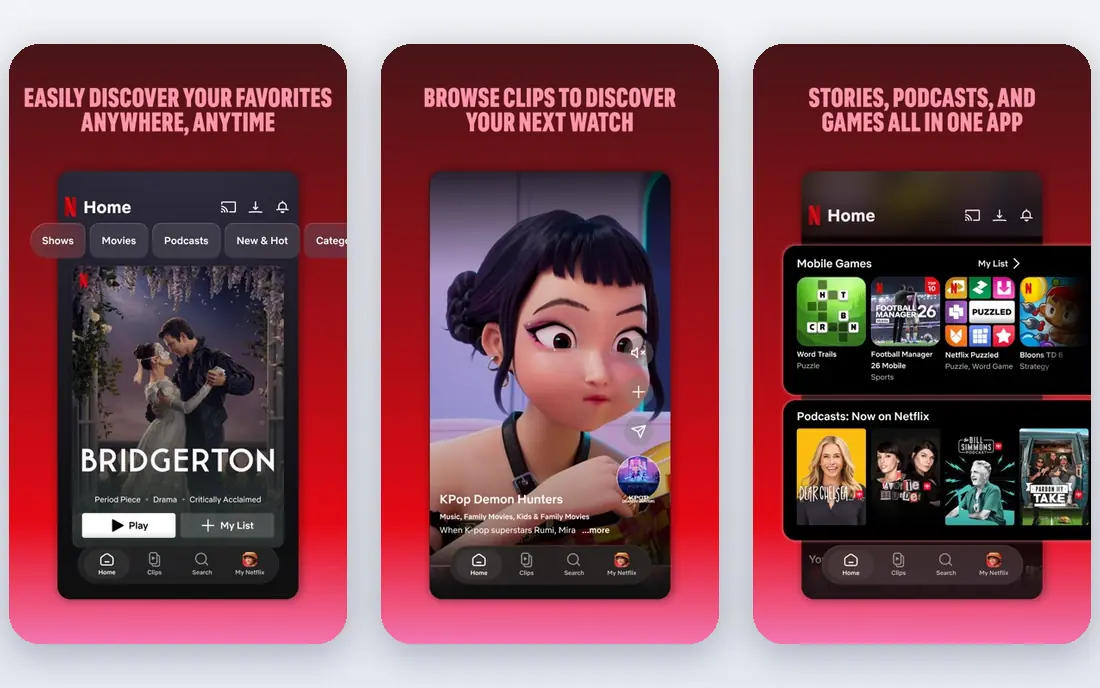
Netflix suits people who want a streaming company first and a studio second. Public job postings describe a compensation structure based on salary with an annual choice between salary and stock options, flexible time off for full-time salaried staff, and benefits including health plans, mental health support, a 401(k) plan with employer match, and family-forming benefits. The culture material emphasises freedom, responsibility, and candid feedback, which appeals to people who want autonomy and clear expectations.
We would shortlist Netflix when streaming product or content work is the goal, and we would read postings for the specific team before assuming the culture fits.
- Flexible time off for salaried staff described in public job postings
- Stock option programme described in postings
- Global streaming, studio, and games roles
- High-performance culture described in public material can feel intense
- Feedback expectations are direct
- Role and team experience varies widely
The Walt Disney Company
Great for: Parks, studios, and streaming breadth
Disney offers the broadest set of entertainment jobs in this list. One employer covers theme parks, Walt Disney Animation, Pixar, Marvel, Star Wars, National Geographic, ESPN, Disney+, and Hulu, which means a career can move from parks operations to studio work to streaming product without leaving the company. Public career material emphasises storytelling and guest experience, and the range of roles is a genuine advantage for people who want options over time.
Breadth also means inconsistency. Large-company process, approvals, and restructuring cycles can also affect teams unevenly. We would shortlist Disney when breadth and long-term mobility matter, and we would judge the specific business unit, not the brand alone.
- Very broad role range across parks, studios, streaming, and sports
- Well-known franchises and studio brands
- Internal mobility across business units in principle
- Scale means team experience varies greatly
- Parks and corporate roles differ sharply
- Large-company process can slow decisions
NBCUniversal suits people who want variety without leaving media. Its public company material describes work across broadcast, cable, news, sports, film, theme parks, and digital platforms, which covers a wider operational range than a streaming-only employer. For someone interested in live television, sports production, or parks operations alongside film and streaming, that mix offers paths that a narrower company cannot.
Live and news work carries its own trade-offs. Broadcast cycles, breaking news, and live sports can mean early starts, late finishes, and weekend work, depending on the role, while a corporate or streaming role in the same company may follow a standard week. We would shortlist NBCUniversal when broadcast and parks variety appeal, and we would check shift patterns and team expectations in the posting.
- Broadcast, cable, news, sports, film, and parks roles under one employer
- Major studio and theme park brands
- Varied locations and job families
- News and entertainment cycles can mean irregular hours
- Team experience varies by network and studio
- Large-company structure
Warner Bros. Discovery covers studios, networks, and direct-to-consumer streaming, with a library and production slate that spans film, prestige television, and unscripted content. Public company material describes three broad segments, studios, networks, and streaming, which translates into roles from production and post-production to product, data, and distribution. For people who want traditional studio craft alongside streaming work, that combination is distinctive.
The honest catch is change. The media industry has seen repeated restructuring, and a studio, network, or streaming team can face different pressures in the same year. Project-based production work also differs from permanent corporate roles in stability and hours. We would shortlist Warner Bros. Discovery when film and television depth matter most, and we would look at the stability and recent direction of the specific unit hiring.
- Deep studios, network, and streaming portfolio
- Prestige television and film heritage
- Varied creative and technical roles
- Industry restructuring can affect teams
- Streaming and studios work differs greatly by unit
- Role stability varies by project
Spotify suits people who want to work on music as a product, not only as content. Its public career material covers product, engineering, design, data, and content roles, alongside podcast and audiobook work, which gives a tech-led path into entertainment. For engineers, designers, and product managers who love music but want a software company environment, that combination is hard to match in this list.
The trade-off is that Spotify is a platform company, not a record label or a studio, so artist-facing work, label work, and live music work sit elsewhere. We would shortlist Spotify when music product, audio technology, or creator tools are the goal, and we would not expect it to replicate a label or studio career.
- Music and audio product focus
- Global product, engineering, and content roles
- Creator and podcast work alongside music
- Product and engineering culture differs from label or artist work
- Role location affects team experience
- Music industry economics shape some teams
Electronic Arts, known as EA, suits people who want to build games at the largest scale. Its public material covers studios working on sports, action, and simulation titles, with roles in engineering, design, art, audio, and production. For a games professional, the chance to work on a major franchise with a large player base, and to move between studios and genres, is a real draw.
Games development also has a well-documented downside: production cycles can bring intense periods before launch or major updates, and that pressure varies by studio, project phase, and role. Working on a long-running franchise also differs from building a new title, in creative freedom and in live service demands. We would shortlist EA when large-scale games work is the goal, and we would ask about current project phase and team working patterns during interviews.
- Large-scale games development across sports, action, and simulation titles
- Studio network with varied genres
- Technical and creative roles at scale
- Games development cycles can mean crunch periods on some teams
- Franchise work differs from original title work
- Studio experience varies
Roblox suits people who want to work on a creator platform rather than a single game or film slate. Its public material describes a platform where users create and share experiences, which creates roles in engineering, product, safety, moderation, creator tools, and economics that do not exist in a traditional studio. For someone interested in user-generated content, virtual economies, or platform safety, Roblox offers a distinctive career path.
That distinctiveness brings scrutiny. A platform used by younger audiences faces constant attention on safety, moderation, and creator earnings, and teams working in those areas carry responsibility that is visible outside the company. Creator economy work is also commercially complex, balancing creator payouts, platform revenue, and user experience. We would shortlist Roblox when platform and creator work appeal, and we would read current company material on safety and creator policy before applying.
- Creator platform at large scale
- Engineering, safety, and creator economy roles
- Younger audience product focus
- Platform safety and moderation work carries scrutiny
- Creator economy dynamics are complex
- Experience varies between platform and studio teams
Live Nation Entertainment suits people who want entertainment as a live experience rather than a screen product. Its public material covers concerts, festivals, venues, artist management, and ticketing, which translates into roles in event operations, marketing, venue management, production, and corporate functions. For someone who thrives on show days, touring logistics, or venue work, few employers in this list offer that at the same scale.
Live work has a schedule cost. Evenings, weekends, and show-day hours are normal for many operational and venue roles, while corporate roles follow a different pattern, so the same company can offer two very different working lives. Workload can also cluster around tours and festival seasons. We would shortlist Live Nation when live events are the passion, and we would check the schedule expectations for the exact role, not the company in general.
- Live concerts, festivals, and ticketing work at scale
- Varied operational, marketing, and venue roles
- Event-based work for people who like live production
- Event schedules can mean evenings and weekends
- Touring and venue roles differ sharply from corporate roles
- Seasonal and show-based workload
Universal Music Group suits people who want to work inside the recorded music business itself. Its public material covers labels, artist services, marketing, distribution, and publishing-related work across many genres and markets. For someone interested in artist development, repertoire, music marketing, or distribution, a major label group offers a breadth of genres and a global reach that an independent label cannot match on its own.
Label work also reflects the economics of streaming, where attention, playlist placement, and marketing spend shape outcomes, and where artist-facing roles can involve irregular hours around releases and tours. Corporate, data, and technology roles in the same group follow a different rhythm. We would shortlist Universal Music Group when label and artist work are the goal, and we would judge the specific label or division, since genre and team culture vary widely.
- Major label system with many imprints and genres
- Artist, repertoire, marketing, and distribution roles
- Global music business exposure
- Label economics and streaming dynamics affect some teams
- Artist-facing roles differ from corporate roles
- Large-company process
How we picked these
We compared public career pages, company descriptions, and widely reported workplace features, and we kept only large, live entertainment employers with active hiring in the United States. We favoured employers that cover distinct parts of entertainment, from streaming and studios to music, games, and live events, so readers can compare career paths rather than near-identical companies. Because this article is about employers, the starting price and free plan fields do not describe a consumer price; they are marked as not applicable in effect, with See website pointing to each company's career information. We did not invent salaries, bonuses, or specific perks, and any benefit described here is drawn from public postings or company material for that employer.
How to judge an entertainment employer before you apply
Start with the team, not the logo. Read the current job posting closely for location, schedule, travel, and on-call expectations, then look for employee reviews and interviews that mention that team or business unit. A streaming engineering team, a parks operations team, and a studio production team can sit inside the same company while offering different hours, pay structures, and career paths, so general company reputation is a weak guide on its own.
Next, ask direct questions in interviews. Ask what a typical week looks like, how project phases affect hours, how internal moves work, and what happened to the last person in the role. Ask about the manager, the team size, and the work for the next six months, since those factors shape daily life more than a company mission statement. Finally, weigh stability against opportunity: a growing streaming or games team may offer faster progression with more change, while an established studio or label may offer steadier work with slower movement. Neither is better in general; the right choice depends on your stage and appetite for change.
Frequently asked questions
Which entertainment company is best to work for overall?
There is no single best employer, since the right choice depends on whether you want streaming, studios, music, games, or live events, and on the specific team hiring. Netflix and Spotify suit tech-led product cultures, Disney and NBCUniversal suit breadth across parks and studios, and EA, Roblox, and Live Nation suit games, creator platforms, and live work respectively. Shortlist by career path first, then by company.
Do entertainment companies pay well compared with tech companies?
Pay varies more by role family and location than by industry label. Engineering and product roles at streaming and games companies often compete with tech pay, while creative, production, and operations roles follow entertainment industry norms that can differ sharply. Always check the pay range in the specific job posting, since ranges in this sector vary widely by role.
Is it hard to get a job at Netflix or Disney?
Both receive large numbers of applications for popular roles, so competition is strong, especially for content, product, and studio positions. A relevant portfolio, prior work in a related field, and referrals help, but the strongest advantage is matching a specific team need, such as a skill, a genre, or a location, rather than applying broadly to the brand.
Should I start at a large entertainment company or a smaller studio?
A large company offers breadth, internal mobility, structured training, and a recognisable name, while a smaller studio often offers broader responsibility earlier and closer contact with creative decisions. Early-career professionals often benefit from the structure of a large employer, while mid-career specialists may prefer the scope of a smaller team. Consider what you need to learn next, not only the brand.
What roles exist in entertainment beyond acting and directing?
Entertainment employers hire engineers, product managers, designers, data analysts, marketers, lawyers, accountants, operations staff, venue managers, safety specialists, and many other roles. Most jobs at the companies in this list are not on camera or on stage, and many require the same skills as comparable roles in tech, finance, or operations, applied to entertainment products.
How do I research a specific entertainment team before applying?
Read the job posting, the team's public work, recent company announcements for that unit, and employee reviews that name the team or location. Use interviews to ask about typical weeks, project phases, manager style, and internal mobility. If a posting lacks a pay range, a schedule, or a location, ask for those details before accepting an interview process that will take significant time.
Sources
- https://www.financecharts.com/sectors/communication_services/movies__amp__entertainment
- https://www.5wpr.com/research/entertainment-streaming-ai-visibility-index-2026/
- https://himalayas.app/companies/markets/entertainment-industry?fbclid=IwAR3pBiIThKUCoS3NgB4jgSQILgkynMlX-972NCK4_eLBjrZEFJ5YooM20ZU&search_data=%7B%22json%22%3A%7B%22query%22%3A%22*%22%2C%22sortBy%22%3A%7B%22facet%22%3A%7B%22_score%22%3A%7B%22order%22%3A%22desc%22%7D%7D%7D%7D%7D
- https://builtin.com/job/specialist-communications-entertainment/7979891
See where you really rank - block by block
ProMapRanker scans Google Maps across a grid of your service area. Simple monthly plans from $19, white-label on every plan.
Start freeKeep reading
 worlds best local seo company
8 Worlds Best Local SEO Companies for Map Pack Growth in 2026
Compare the worlds best local seo company options for Google Business Profile work, citations, reviews, and multi-location rankings and reporting in 2026.
Read → world's best web hosting company
World's Best Web Hosting Company in 2026
Searching for the world's best web hosting company? We compared 10 hosts on price, renewal rates, speed, and support to help you choose well today in 2026.
Read → who's got the best nanny tax services
Who's Got the Best Nanny Tax Services in 2026
We answer who's got the best nanny tax services, comparing full filing, back taxes, software, and pricing so families can handle nanny taxes correctly.
Read →