 ProMapRanker
Best Enterprise Learning Platforms in 2026

Key takeaways
- Most enterprise learning platforms are quote-based, so the real comparison is total contract cost, including implementation, integrations and content add-ons.
- Platforms inside an HR suite suit companies already running that suite, while standalone platforms suit companies training customers and partners as well as staff.
- Compliance tracking, certification and audit reporting matter more than course counts for regulated teams.
- A pilot with real content and real learners reveals more than a sales demo, so test uploads, assignments and reporting before signing a multi-year deal.
Quick comparison
| Pick | Great for | Pricing starts at | Free tier | |
|---|---|---|---|---|
 Docebo | Employees, customers and partners | See website | No | Visit |
 Cornerstone | Large global talent suites | See website | No | Visit |
 Workday Learning | Companies already on Workday | See website | No | Visit |
 SAP SuccessFactors Learning | Companies already on SAP | See website | No | Visit |
 Degreed | Skills and career growth | See website | No | Visit |
 Absorb LMS | Premium learner experience | See website | No | Visit |
 360Learning | Expert-led course creation | $8 per user per month | Free trial | Visit |
 TalentLMS | Fast rollout for mid-size teams | $119 per month | Yes | Visit |
 Litmos | Compliance plus ready content | $8,000 per year | Free trial | Visit |
 LearnUpon | Customer and partner training | See website | No | Visit |
The best enterprise learning platforms
An enterprise learning platform manages training at scale: course delivery, assignments, certifications, compliance records and reporting across thousands of learners. We compared audience support, content options, skills features, HR integrations and pricing transparency, using vendor pages and published pricing research.
We focused on platforms that handle large, multi-site workforces, not small course-hosting tools. The list below mixes standalone learning platforms with HR suite modules, because the right choice often depends on the systems a company already runs.

Docebo is our pick for companies that train more than their own staff. Its extended enterprise features let one platform serve employees, customers and partners in separate branded portals, which is rare at this level. It also offers a large integration catalogue, certification tracking and AI-assisted content creation on a usage-credit model.
The catch is commitment. Docebo is sold to organizations with 250 or more learners, pricing is quote-only, and implementation is a real project rather than a quick setup. Companies that want a published price before a sales call will find that frustrating, but buyers with a broad audience will find few rivals that match its range.
- One platform for staff, customer and partner audiences
- Strong integration catalogue
- AI-assisted content and skills features
- Quote-only pricing with multi-year terms common
- Configuration project can be lengthy
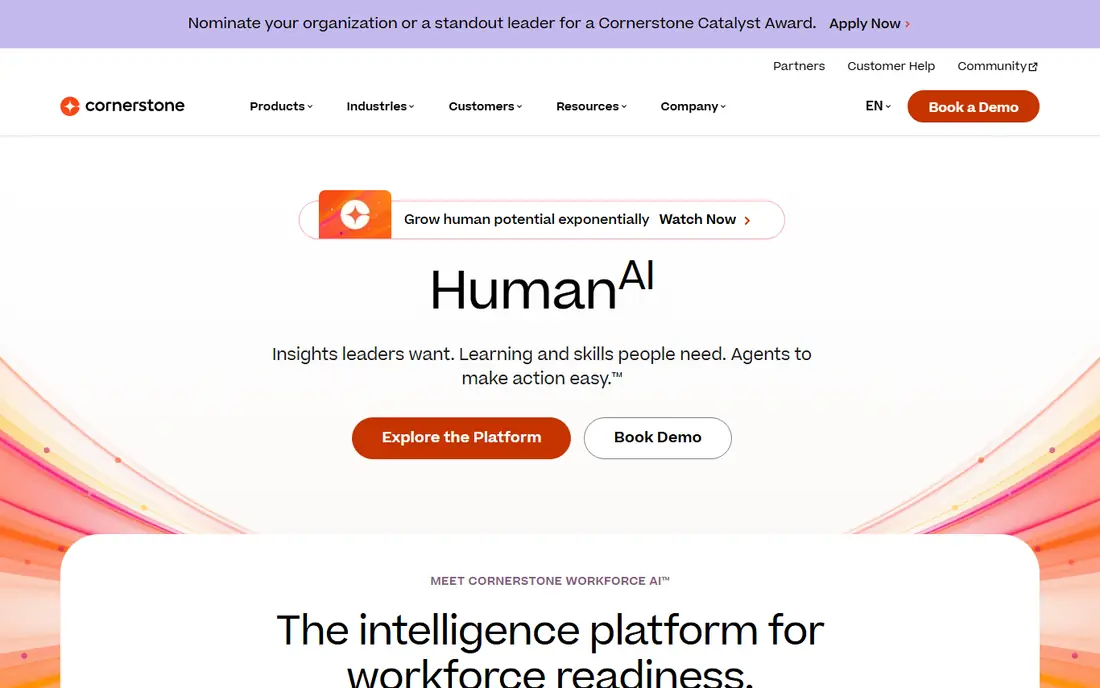
Cornerstone suits large organizations that want learning inside a wider talent suite. Learning, skills, performance and career tools share data, so a compliance record, a skills gap and a development plan can sit in one system. Its reporting is built for audit-heavy industries, and it handles large global workforces well.
The trade-off is scope. Buying learning alone is possible, but Cornerstone becomes most competitive when a company needs several modules, and a multi-module rollout takes longer than a standalone LMS launch. Smaller companies may find the suite heavier than they need.
- Learning combined with talent, skills and performance tools
- Strong compliance reporting
- Global scale
- Quote-only pricing
- Suite breadth can mean a longer rollout when several modules go live together
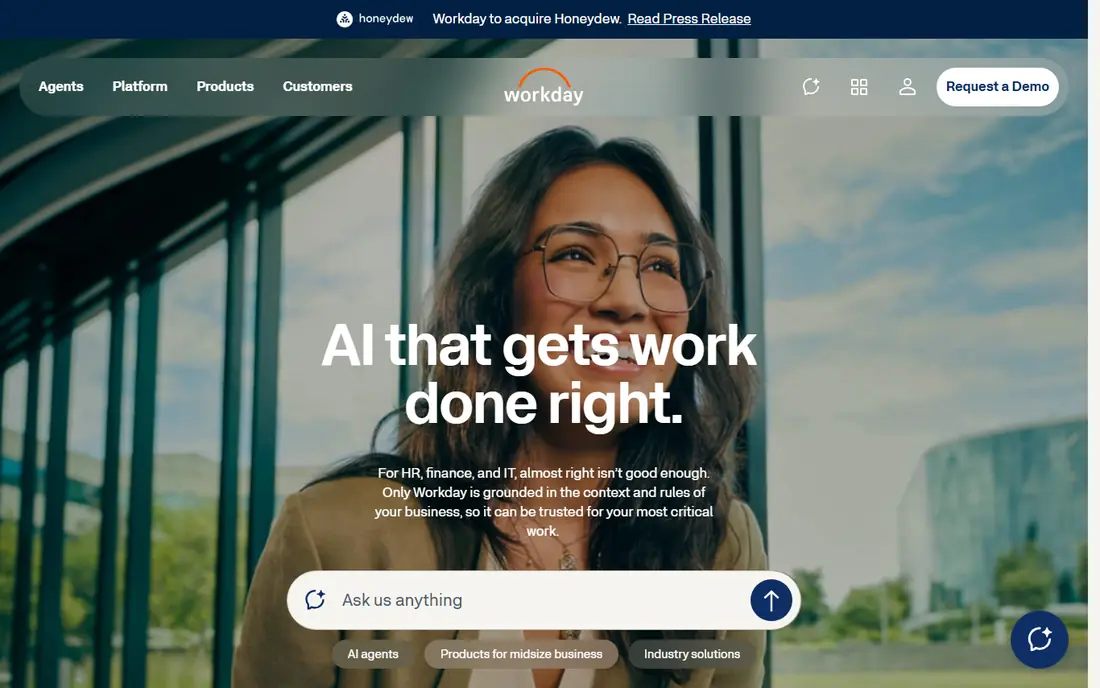
Workday Learning is the natural choice for companies already running Workday as their HR system. Learning assignments can follow job, location and manager data automatically, and completions feed back into the same HR record. That link removes a lot of manual user management that standalone platforms need.
The catch is that the value depends on the Workday base. Companies not already on Workday should not adopt the whole HR suite just for learning, and reviewers commonly describe Workday Learning as costly with high rollout effort. For existing Workday customers, though, the integration case is strong.
- Native link to Workday HR data and roles
- Learning tied to job and skills records
- Single vendor for HR and learning
- Quote-only and typically costly
- Weaker fit for companies not already running Workday
SAP SuccessFactors Learning plays the same role for SAP customers that Workday Learning plays for Workday customers. Learning sits inside the SuccessFactors suite, so assignments, compliance tracking and reporting draw on the same employee data. It handles complex assignment rules and large regulated workforces well.
The trade-off is complexity. A large SAP estate brings integration and governance work, and the platform is best judged as part of a wider SAP decision rather than a standalone purchase. Companies already committed to SAP will get the most from it.
- Deep link to SAP HR and talent data
- Strong compliance and assignment controls
- Global enterprise scale
- Quote-only pricing
- Implementation can be complex in large SAP estates
Degreed is different from the LMS tools in this list, and that difference matters. It is a learning experience platform focused on skills, discovery and career growth, pulling content from many providers into one learner view. For companies building a skills strategy or supporting internal mobility, that view is valuable.
The catch is that Degreed usually sits alongside an LMS rather than replacing one. Compliance assignments, certification records and audit reporting still need a system of record, so buyers should budget for both layers. Used that way, Degreed adds a skills layer that most LMS tools do not match.
- Skills-focused learning experience with content from many providers
- Career and internal mobility features
- Strong analytics
- It is a learning experience platform, so most buyers still need an LMS underneath for compliance records
- Quote-only pricing
Absorb LMS suits companies where the learner experience itself is a selling point, such as customer training academies and partner programs. Its interface looks clean, it handles external audiences well, and it supports course sales through e-commerce features. Reporting covers the compliance and completion views most administrators need.
The trade-off is price clarity. Absorb does not publish a rate card, so buyers must request a quote and compare the full contract, including any implementation and content costs. For teams that value a premium front end, the extra sales step is worth taking.
- Polished learner interface
- Strong support for internal and external audiences
- Good reporting and e-commerce options
- Quote-only pricing
- Advanced configuration can still need vendor help
360Learning is built around a simple idea: the people who know the work should help create the training. Subject experts co-author courses with learning teams, using AI-assisted authoring tools, and learners give feedback that flags gaps. The Team plan costs 8 dollars per user per month for up to 100 users, with a 30-day free trial, which makes it easy to test with a small group.
The catch is cultural as much as technical. The model works best when experts actually contribute, and a company without that habit may not get the full value. Business and Enterprise tiers are also quote-only, so larger buyers still face a sales process.
- Collaborative authoring by in-house experts
- Published Team plan price
- 30-day free trial
- Enterprise tiers are quote-only
- Collaborative model needs internal experts willing to create content
TalentLMS is the fastest route to a live platform in this list for mid-size teams. Its Core plan costs 119 dollars per month on annual billing for up to 40 users, and a free account covers up to 5 users and 10 courses for testing. Branching lets one account serve separate teams, departments or customer groups.
The honest catch is ceiling. TalentLMS handles mid-size training well, but a global enterprise with complex compliance, multi-domain and deep integration needs will likely outgrow it. For teams that need training live this month rather than this quarter, that trade is often worth making.
- Published pricing and a free account for small teams
- Fast setup
- Branching for separate teams and audiences
- Enterprise depth is thinner than Docebo or Cornerstone
- Higher tiers climb in price with user counts
Litmos, part of SAP, suits teams that want assigned compliance training plus the option to buy ready-made content in the same purchase. Its Foundation plan starts at 8,000 dollars per year, with learning paths, instructor-led and virtual sessions, and SCORM and xAPI support. That published starting point makes early budgeting easier than with quote-only rivals.
The catch is add-ons. Content libraries, extra tenants and business intelligence access are sold separately on every plan, so the starting price is not the full price for many buyers. Ask for a quote that includes the content and reporting the team actually needs.
- Published Foundation plan price
- Compliance assignment and tracking
- Content libraries available as add-ons
- Premium content and extra tenants cost extra
- AI tier is quote-only
LearnUpon is a strong pick for companies whose main audience sits outside the payroll. Its portals let customers and partners access training in branded spaces, while administrators manage courses, users and reports from one console. That external focus is why many mid-market companies choose it for customer education.
The trade-off is price transparency. LearnUpon does not publish a rate, and buyers should ask how the vendor counts users, portals and authoring seats, since those definitions drive the quote. A demo with a real external audience scenario is the best way to judge it.
- Strong portals for customers and partners
- Clean admin experience
- Scales to large external audiences
- Quote-only pricing
- Demo needed to judge fit, since no free trial is published
How we picked these
We compared vendor feature pages, published pricing research and platform scope for tools that serve large or growing workforces. We left out small course-hosting tools and general video platforms without assignment, certification and compliance reporting. We did not run a live pilot for this guide, and we treated third-party price estimates as planning anchors rather than quotes.
What to check before you buy
Who counts as a user
Ask whether pricing counts registered users, monthly active users or yearly active users, and what happens when headcount rises mid-term. That definition can change the contract cost more than the headline rate.
Compliance and certification
Ask how assignments, renewals, expiry reminders and audit reports work for the regulations your industry faces. A pretty course player does not help if the audit trail is weak.
Content and skills
Ask whether content is included, which providers are bundled, and whether skills data feeds back into HR or talent tools. A platform with no usable content leaves the learning team building everything from scratch.
Implementation and integrations
Ask for the implementation timeline, what the vendor delivers versus what your team must do, and which HR, identity and content integrations are included in the quoted price.
Frequently asked questions
What is the best enterprise learning platform for a large global company?
Docebo and Cornerstone are strong starting points, with Docebo best for mixed internal and external audiences and Cornerstone best for a full talent suite. Companies already on Workday or SAP should also weigh their native learning modules before adding a standalone tool.
What is the best enterprise learning platform for customer training?
LearnUpon and Absorb LMS suit customer and partner training, because both handle external portals and branded learner spaces well. 360Learning also works when customer-facing experts help create the content.
How much does an enterprise learning platform cost?
Most enterprise platforms are quote-only, so costs vary by user count, audiences and add-ons. Published exceptions in this list include 360Learning at 8 dollars per user per month on its Team plan, TalentLMS from 119 dollars per month, and Litmos from 8,000 dollars per year.
Do we still need an LMS if we buy Degreed?
In most cases, yes. Degreed is a learning experience platform focused on skills and discovery, while an LMS remains the system of record for assignments, certifications and compliance reporting. Plan for both layers if skills are the goal.
How long does implementation usually take?
Timelines vary, but enterprise rollouts commonly take 8 to 16 weeks, longer when several modules or complex HR integrations go live together. Ask the vendor for a written plan with milestones, data migration steps and training for administrators.
Sources
See where you really rank - block by block
ProMapRanker scans Google Maps across a grid of your service area. Simple monthly plans from $19, white-label on every plan.
Start freeKeep reading
 zscaler alternatives
Best Zscaler Alternatives in 2026
Looking for zscaler alternatives? We compare 9 SASE and zero trust platforms on architecture, data protection, pricing, and fit for your network and team.
Read → zapier alternatives free
Best Zapier Alternatives Free in 2026
Nine automation tools for zapier alternatives free in 2026, all with genuinely free tiers, plus free plan limits, starting prices and upgrade paths explained.
Read → which platform is best for online reputation
Which Platform Is Best for Online Reputation in 2026
Wondering which platform is best for online reputation? We compare 8 review, listing, and response tools for small and multi-location businesses and agencies.
Read →