 ProMapRanker
Best Email Warm Up Tools in 2026

Key takeaways
- Email warm-up builds sender reputation by gradually increasing sending volume with opens and replies, but it cannot fix a bad list, missing authentication or spammy content.
- Per-inbox pricing looks cheap for one mailbox and expensive for ten, while unlimited plans suit agencies and teams warming many inboxes at once.
- Set up SPF, DKIM and DMARC before warming a domain, and keep daily volume low at first, then raise it slowly over several weeks.
- Warm-up is not a shortcut for cold email consent rules, so only send to people you have a lawful basis to contact, and honor opt-outs promptly.
Quick comparison
| Pick | Great for | Pricing starts at | Free tier | |
|---|---|---|---|---|
 Instantly | Unlimited warm-up with outreach | $37 per month | No | Visit |
 Smartlead | Unlimited warm-up for agencies | $32 per month | Free trial (14 days) | Visit |
 Lemwarm | Lemlist users | $29 per inbox per month | No | Visit |
 Mailreach | Placement testing plus warm-up | $20 per mailbox per month | No | Visit |
 Warmbox | Simple low-cost warm-up | $15 per month | No | Visit |
 Warmup Inbox | Simple standalone warm-up | $15 per inbox per month | Free trial (7 days) | Visit |
 Warmy | Diagnostics and warm-up together | $49 per mailbox per month | Free trial (7 days) | Visit |
 TrulyInbox | Free start and flat-rate warm-up | Free | Yes | Visit |
 Mailivery | Flat-rate unlimited mailboxes | $29 per month | Free trial (7 days) | Visit |
 Folderly | Premium deliverability suite | $96 per mailbox per month | No | Visit |
The best email warm up tools
We compared official pricing pages and public feature descriptions for tools that are live in October 2026. Warm-up tools exchange automated emails between real inboxes, with opens and replies, to build a positive sending history for a new domain or mailbox. They help deliverability, but they do not guarantee inbox placement, and they do not replace good list hygiene, authentication or relevant content.
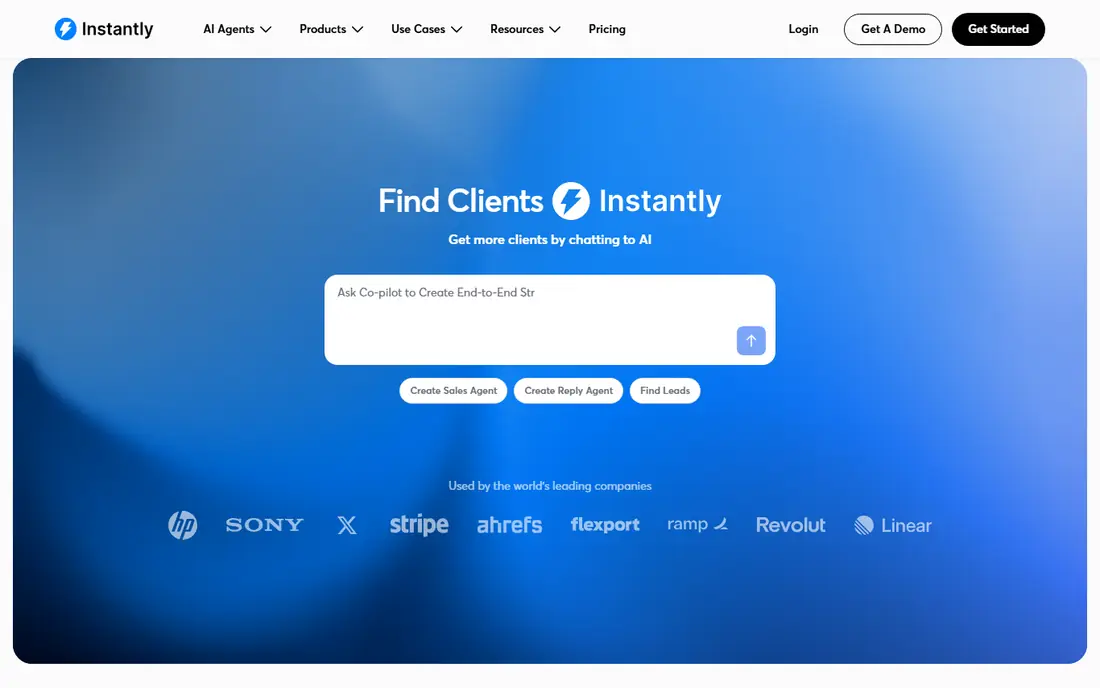
Instantly is the most common choice for teams that run cold outreach at scale, because warm-up is included on every paid plan with no per-inbox fee. The Growth plan costs about $37 per month on annual billing, with higher tiers adding more sending capacity and features. Inboxes can be warmed with gradual volume ramps, reply settings and rotation across accounts, all inside the same tool that sends campaigns.
That bundle is both the strength and the limit. A team that only needs warm-up, without outreach, will pay for a full outreach platform. A team that does need outreach, however, gets warm-up for every inbox at no extra per-inbox cost, which is far cheaper than per-inbox tools once mailbox count passes three or four. Check the current plan price on the vendor site, since monthly and annual rates differ.
- Unlimited warm-up on paid plans
- Outreach and warm-up in one tool
- Inbox rotation and volume controls
- Warm-up is bundled with outreach, so standalone buyers pay for more
- Pricing varies by billing term
- Deliverability still depends on list quality
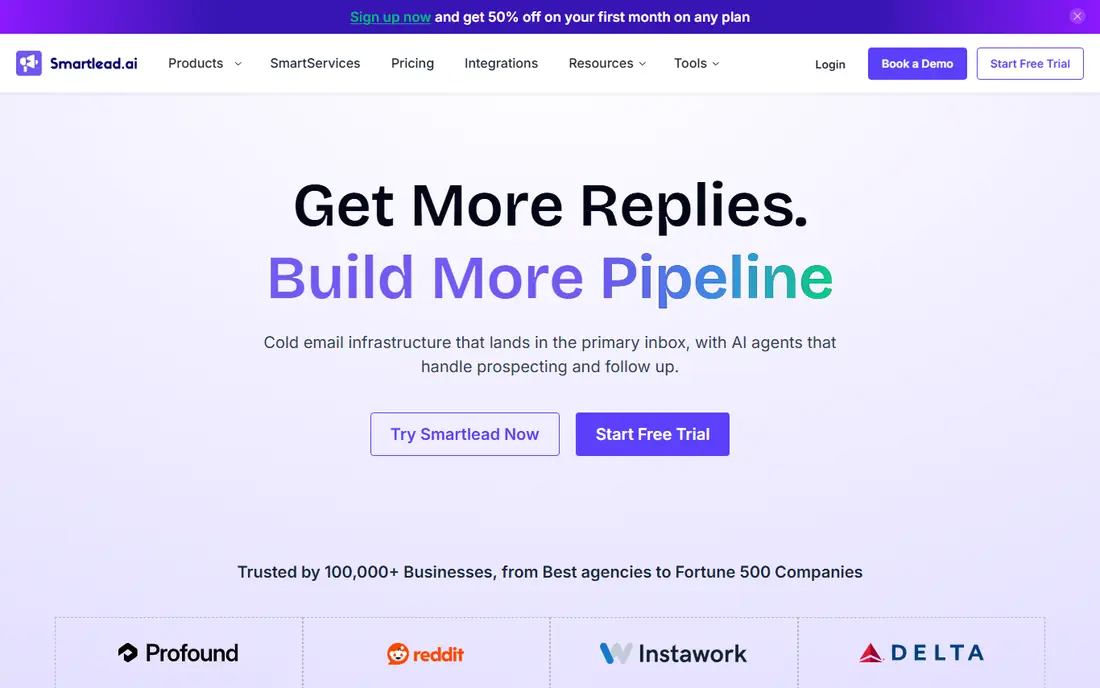
Smartlead includes unlimited email warm-up on its paid plans, with a Basic plan at about $32 per month on annual billing. Warm-up settings cover daily volume, reply rates and ramp patterns, and the platform also handles outreach, inbox rotation and deliverability monitoring. Agencies value its client management and white-label options, which let them run warm-up for many clients under one account.
Like Instantly, Smartlead is an outreach platform first, so a buyer who only wants warm-up will pay for sending features as well. For an agency or a team warming many inboxes, that trade-off is usually worth it, since per-inbox tools would cost several times more at the same mailbox count. Smartlead also offers a free trial, so a team can test its warm-up dashboard and controls before committing to a plan.
- Unlimited warm-up included
- Agency and white-label features
- Detailed warm-up controls
- Outreach platform, not a standalone warm-up tool
- Interface suits technical users
- Higher tiers needed for full agency features

Lemwarm is the warm-up tool from Lemlist, and it works best for teams that already send with Lemlist. It warms each mailbox with gradual volume increases, opens and replies from a network of real inboxes, and its settings can be tuned per mailbox. The entry price is about $29 per inbox per month, which is reasonable for one or two mailboxes.
The math changes at scale. Ten inboxes cost about $290 per month, while an unlimited plan from Instantly or Smartlead costs far less for the same count. Lemwarm still makes sense for a Lemlist user with a small mailbox count who wants warm-up and outreach tightly linked. A team with many inboxes should compare the total monthly cost across all mailboxes, not just the per-inbox rate.
- Deep integration with Lemlist campaigns
- Large warm-up network
- Tailored ramp and reply settings
- Per-inbox pricing adds up fast
- Standalone value is lower outside Lemlist
- No free plan on its own
Mailreach combines warm-up with deliverability testing, which sets it apart from simpler warm-up tools. Alongside gradual sending and engagement, it runs inbox placement tests that show whether mail lands in the inbox, promotions or spam folder across major providers, plus spam score checks. The entry price is about $20 per mailbox per month on annual billing, with higher tiers adding more tests and mailboxes.
That testing focus is valuable for a team that wants to diagnose a deliverability problem, not just warm a mailbox blindly. The cost is per mailbox, so a team with many inboxes should model the total before choosing Mailreach over an unlimited plan. For one to three mailboxes where placement visibility matters, Mailreach is a strong standalone choice.
- Warm-up plus inbox placement and spam testing
- Clear per-mailbox pricing
- Monitoring and alerts
- Per-mailbox pricing scales with inbox count
- No free trial on the standard plan
- Testing features need regular use to justify cost
Warmbox is a simple, low-cost warm-up tool for a solo operator or a small team with one or two mailboxes. Its Solo plan starts at about $15 per month on annual billing, with automatic volume ramping, opens and replies, and basic monitoring. Setup is quick, and the dashboard focuses on warm-up progress rather than a full outreach suite.
The limits are scale and diagnostics. More mailboxes need higher tiers, and Warmbox does not offer the same placement testing depth as Mailreach or the diagnostic suite of Warmy. For a single mailbox on a new domain, that simplicity is enough, and the low price makes it easy to keep warm-up running while a sender builds volume slowly. For many mailboxes, compare the total cost against an unlimited plan first.
- Low entry price
- Simple setup
- Automatic ramp and engagement
- Entry tier covers a single inbox
- Higher tiers needed for more mailboxes
- Fewer diagnostics than Mailreach or Warmy
Warmup Inbox is one of the simplest standalone warm-up tools, and that simplicity is its main appeal. Connect a mailbox, set a ramp, and the tool exchanges warm-up emails with a network of real inboxes, with opens and replies to build a positive history. Basic starts at $15 per inbox per month on annual billing, with a 7-day free trial to test setup.
As with other per-inbox tools, the total cost rises with every mailbox, so ten inboxes cost about $150 per month. That is fine for a small team with a few mailboxes, but an agency should look at unlimited plans instead. Warmup Inbox suits a beginner who wants warm-up only, without learning an outreach platform, and who values a straightforward dashboard over advanced diagnostics.
- Very simple setup
- Large inbox network
- Clear per-inbox pricing
- Per-inbox cost grows with mailbox count
- Limited outreach features
- Diagnostics are basic
Warmy combines warm-up with a diagnostic suite that checks authentication, blacklists, spam scores and inbox placement, which helps a team find the reason behind a deliverability problem rather than just warming blindly. It offers separate warm-up paths for business and consumer mailboxes, and its reports go deeper than most standalone tools. Entry pricing starts at about $49 per mailbox per month, with a 7-day free trial.
That price is high for a single mailbox, and it becomes very expensive for many mailboxes, so Warmy suits a team with a few important mailboxes and a deliverability problem to solve, rather than an agency warming dozens of inboxes. If your main need is simple warm-up at low cost, Warmbox or TrulyInbox will do the same basic job for less. If you need diagnostics, Warmy is worth the trial.
- Warm-up plus deliverability diagnostics
- Separate business and consumer warm-up
- Detailed reports
- High per-mailbox price
- Costs add up fast for many inboxes
- More complex than a basic warm-up tool
TrulyInbox stands out for its free plan and its flat-rate paid pricing. The free plan lets a small sender start warming a mailbox without paying, while the paid plan starts at about $22 to $29 per month for unlimited mailboxes, depending on billing term and current pricing. That flat-rate model makes it one of the cheapest options for a team warming many inboxes without buying a full outreach platform.
The trade-off is scope. TrulyInbox is a warm-up tool, not a full outreach suite, so a team that also needs campaigns will need another tool. Its free plan also has volume limits, so it suits a slow, careful warm-up rather than high-volume sending. For a budget-conscious sender with several mailboxes, TrulyInbox is a strong value choice, and the free plan makes it easy to test.
- Free plan available
- Flat-rate paid plan for unlimited mailboxes
- Per-inbox reporting
- Smaller public profile than Instantly or Smartlead
- Free plan has volume limits
- Fewer outreach features
Mailivery offers a flat-rate warm-up plan at about $29 per month for unlimited mailboxes, with a 7-day free trial. That pricing makes it a direct competitor to TrulyInbox for teams that want warm-up without per-inbox fees and without buying an outreach platform. Warm-up emails are exchanged with a pool of real inboxes, with opens and replies to build sender reputation over time.
Mailivery is a standalone tool, so a team that needs outreach campaigns will still need a sending platform alongside it. For a team whose only job is warming many mailboxes cheaply, that focus is fine, and the flat rate keeps budgeting simple. Compare Mailivery with TrulyInbox on dashboard clarity and reporting, since price alone does not separate them much at this level.
- Flat-rate plan for unlimited mailboxes
- Simple dashboard
- Warm-up pool with replies
- Standalone warm-up only
- No full outreach suite
- Deliverability still depends on list and content quality
Folderly is a premium deliverability platform that includes warm-up alongside inbox placement testing, spam checks and ongoing monitoring. Its entry price is about $96 per mailbox per month on annual billing, which makes it the most expensive tool on this list by a wide margin. That price buys a deeper suite and more hands-on deliverability support than a basic warm-up tool offers.
For most small senders, Folderly is more than needed, and its per-mailbox price makes it impractical for many inboxes. It suits a larger sender or an agency with a deliverability problem that justifies a premium budget, such as a domain with a damaged reputation that needs careful repair and monitoring. A small sender should start with a cheaper tool and only consider Folderly if cheaper options and good list hygiene do not fix placement.
- Full deliverability suite with warm-up, testing and monitoring
- Detailed spam and placement checks
- Suited to larger senders
- Highest price on this list
- Per-mailbox cost is very high at scale
- More than most small senders need
How we picked these
We compared official pricing pages and public feature descriptions for email warm-up tools that are live in October 2026. We favored tools with a clear warm-up method, a published price or a clear pricing model, and a use case for either a single mailbox or many mailboxes. We included both per-inbox and unlimited models so a reader can compare total cost at their own mailbox count, and we did not invent deliverability percentages, since placement varies by domain, list and content.
How to warm a mailbox safely
Start with authentication. Publish SPF, DKIM and DMARC for your sending domain, and confirm that they pass before you warm anything, since a warm-up tool cannot fix missing authentication. Use a dedicated sending domain or subdomain for outreach, separate from your main company domain, so a reputation problem does not affect everyday business mail.
Then warm slowly. Start with a low daily volume, let opens and replies build over several weeks, and raise volume gradually rather than jumping to full campaign volume at once. Keep your list clean, remove bounces and complaints promptly, and send relevant mail that recipients expect. If placement drops, pause, check authentication and list quality, and reduce volume before you increase it again.
Frequently asked questions
What is the best email warmup service for one mailbox?
For one mailbox, Warmbox, Warmup Inbox and Mailreach are strong standalone choices, since their per-mailbox prices are low and setup is simple. TrulyInbox is also worth testing, since its free plan lets a sender start without paying. Choose based on whether you also want placement testing, which Mailreach covers best.
What is the best email warm up tool for many mailboxes?
For many mailboxes, an unlimited plan is usually cheapest. Instantly and Smartlead include unlimited warm-up with outreach, while TrulyInbox and Mailivery offer flat-rate warm-up without a full outreach suite. Compare the total monthly cost at your mailbox count, since per-inbox tools cost several times more at ten or more mailboxes.
How long does email warm-up take?
Email warm-up usually takes several weeks, with volume rising gradually from a low daily count. A new domain should not jump to full campaign volume in the first week, since a sudden spike can harm sender reputation. Keep warming while you send, and monitor placement and bounce rates throughout.
Does warm-up guarantee inbox placement?
No. Warm-up builds a positive sending history, but inbox placement also depends on authentication, list quality, content, complaint rates and the receiving provider. A warmed mailbox can still land in spam if it sends to a bad list or uses spammy content, so warm-up is one part of deliverability, not a guarantee.
Is email warm-up safe for a business domain?
Warm-up is safer on a dedicated sending subdomain than on a main company domain, since a reputation problem will not affect everyday mail. Use a lawful basis for outreach, honor opt-outs, and follow the receiving provider's rules. Never use warm-up to hide spam, and never send to purchased lists that recipients did not expect.
Sources
See where you really rank - block by block
ProMapRanker scans Google Maps across a grid of your service area. Simple monthly plans from $19, white-label on every plan.
Start freeKeep reading
 zoho inventory alternatives
6 Alternatives to Zoho Inventory, Compared on Price and Fit
Zoho Inventory alternatives: 6 tools compared on price, free plans and fit. Katana leads the list for manufacturers. Fit and flaws are laid out for each entry.
Read → zoho crm alternatives
Best Zoho CRM Alternatives (2026)
Need Zoho CRM alternatives? We compare 7 tools on cost, free access and who each suits. Every pick gets a straight assessment. Built for quick decisions.
Read → zelle alternatives
Best Zelle Alternatives in 2026
Compare the best Zelle alternatives for sending money to friends, paying sellers and moving funds abroad, with honest notes on fees, speed and safety in 2026.
Read →