 ProMapRanker
Best Email Finder Tools in 2026

Key takeaways
- Hunter leads for simple domain searches, while Apollo leads for volume prospecting with a free tier and a built-in sales platform.
- RocketReach suits executive and recruiting searches, but its per-seat price is the highest in this guide.
- Snov.io, Skrapp, GetProspect, Tomba and Prospeo suit smaller teams that want credit-based pricing and verification.
- Lusha adds phone data alongside email, which helps teams that call as well as email.
- Only use these tools for lawful business outreach: contact business addresses, respect consent and opt-outs, follow spam rules, and never harvest personal emails.
Quick comparison
| Pick | Great for | Pricing starts at | Free tier | |
|---|---|---|---|---|
 Hunter | Simple domain email search | $49 per month | Yes | Visit |
 Apollo | All-in-one prospecting at volume | $49 per month | Yes | Visit |
 RocketReach | Executive and recruiting contacts | $80 per month | No | Visit |
 Snov.io | International outreach workflows | $30 per month | Yes | Visit |
 Lusha | Email plus phone prospecting | $36 per month | Yes | Visit |
 Skrapp | Company-level search on a budget | $30 per month | Yes | Visit |
 GetProspect | Verified emails with fair credit use | $49 per month | Yes | Visit |
 Tomba | Finder plus verifier in one credit pool | $49 per month | Yes | Visit |
 Prospeo | Fresh, verified emails per contact | See website | Yes | Visit |
The best email finder tools
We compared official pricing pages and 2026 finder comparisons, favoring tools that are live now, verify addresses, and state free credit limits plainly. Note: these tools are for lawful business outreach only. Use business contact details, honor opt-outs and consent rules, follow spam laws in your region, and do not use them to harvest personal emails or to contact people who have not agreed to business contact.
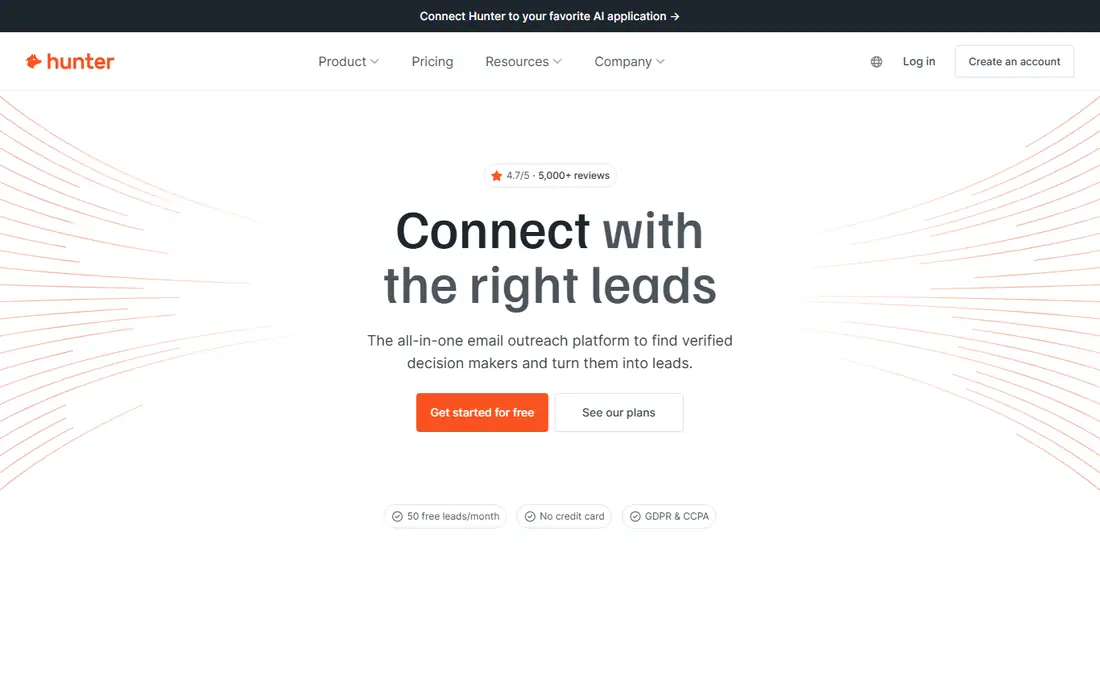
Hunter is the simplest credible finder in this guide. Enter a company domain, see the public email pattern and listed addresses, and verify an address before sending. That clarity suits small teams that need a handful of business contacts per week without learning a full sales platform.
The limits are scope and free credits. Hunter does not provide phone numbers, and its free tier is small, with published comparisons listing 25 to 50 credits per month at different times, so confirm the live figure before relying on it. Paid plans start near $49 per month. Hunter earns its place for domain research and verification, not for building large prospect lists.
- Clean domain search and email verifier
- Pattern-based search for company domains
- Simple bulk and API options
- No phone data
- Free tier is small, near 25 to 50 credits per month depending on the source checked
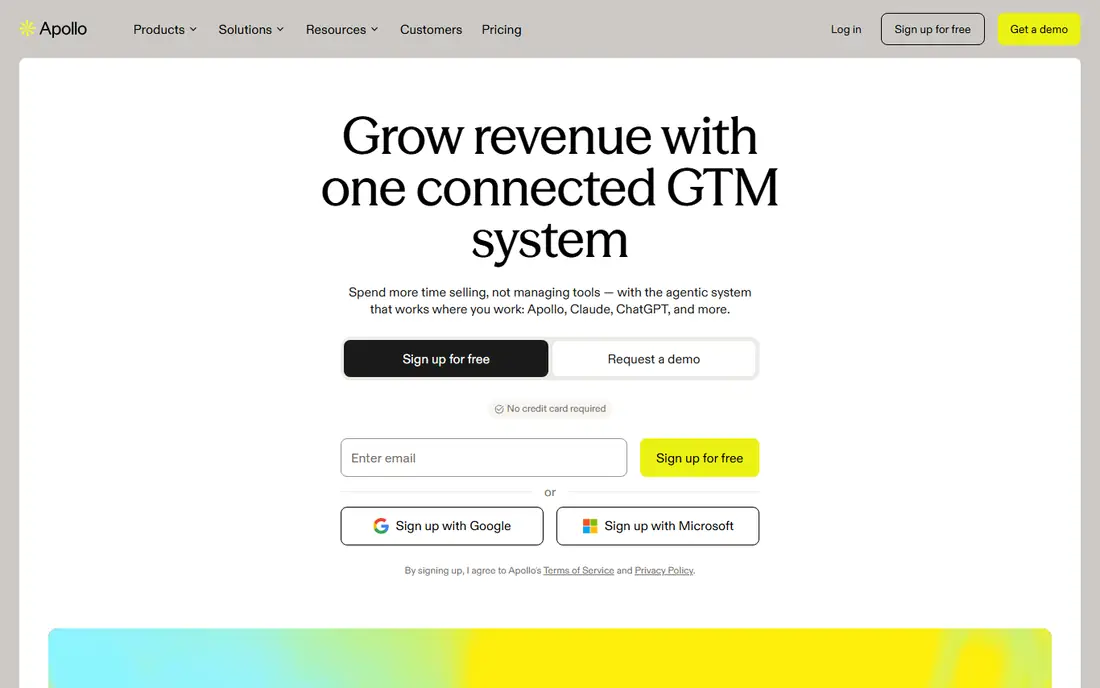
Apollo is the volume pick. Its database covers companies and contacts at scale, filters narrow by industry, size, role and technology, and the same platform adds sequences, a dialer and CRM records. A team that prospects daily gets finding, outreach and tracking in one login, which is why Apollo appears in so many sales stacks.
Email-only users subsidize that breadth. Paid plans start near $49 per user per month, and teams that only need addresses may get better value from Hunter or Tomba. Accuracy also varies, so verify important contacts before a campaign. Apollo suits teams that will use sequences and CRM features, not teams that want a single lookup.
- Large contact database plus sequences, dialer and CRM features
- Generous free tier for testing
- Strong filters for company and role
- Full platform is more than a finder, so email-only users pay for unused features
- Data accuracy varies by segment
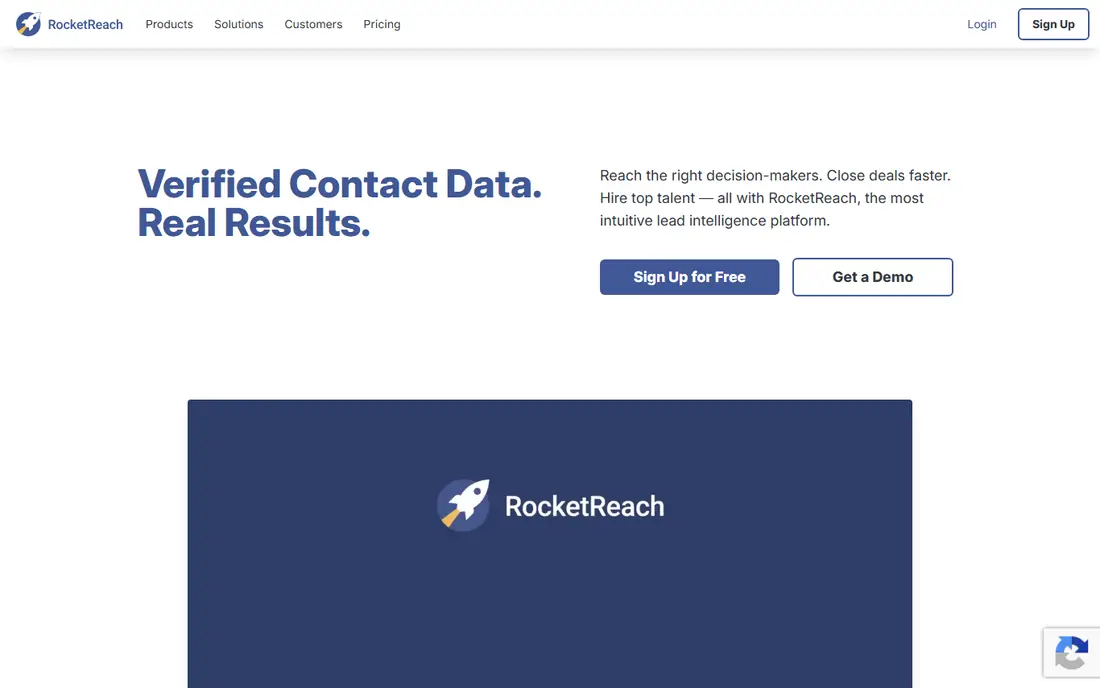
RocketReach is the tool recruiters and enterprise sellers reach for when a specific executive matters more than list size. Its profiles draw on professional data sources to surface senior contacts, and higher tiers add phone numbers alongside email. For a high-value hire or deal, that depth can justify the price.
For general prospecting, the price is hard to defend. Entry sits near $80 per user per month, free lookups are minimal, and verification handling should be confirmed before buying. Small teams should start with Hunter or Apollo and move to RocketReach only when executive coverage is the bottleneck. Always verify a RocketReach address before sending, since a wrong executive email wastes the most valuable contact in the list.
- Deep executive and professional contact coverage
- Phone and email data in higher tiers
- Strong fit for recruiting and enterprise sales
- Highest entry price in this guide
- Free lookups are minimal, near five per month in published comparisons
- Verification may be a separate add-on
Snov.io suits teams that want finding and outreach in one place without Apollo pricing. It finds emails by domain and name, verifies them, and runs drip campaigns with tracking from the same dashboard. International teams like its coverage outside the United States, where some US-focused tools thin out.
The shared credit pool is the catch: finding, verifying and sending draw on related limits, so a busy month can exhaust credits sooner than expected. Published entry pricing sits near $30 per month, with a free tier near 50 credits. Verify a sample of results in each new region before scaling, since accuracy varies more internationally than in US data.
- Finder plus verifier, email campaigns and CRM in one platform
- Good international coverage
- Free credits for testing
- Accuracy varies by region and segment
- Credit pool is shared across features, so heavy campaigns drain credits fast
Lusha fits teams that call as well as email. Its browser extension surfaces business emails and direct dials while browsing professional profiles, and credits reveal the contact details you choose. That phone-plus-email pair helps sales teams that follow an email with a call, and recruiters who need a direct number for a candidate.
Credit math needs attention. Phone reveals typically cost more credits than email reveals, so a team that reveals phones freely will burn credits fast. Published entry pricing sits near $36 per user per month, with a free tier near 70 credits per month in some comparisons. Confirm credit costs for phones before buying, and use Lusha only for business contacts with a lawful outreach basis.
- Email and direct phone data in one extension
- Browser extension for LinkedIn prospecting
- CRM integrations for common platforms
- Phone reveals cost extra credits
- Entry pricing varies by billing period and tier
Skrapp is a budget finder that does one job cleanly: find business emails at a company, verify them and export the list. Its free tier near 100 credits per month in published comparisons is generous for a small team, and paid entry near $30 per month billed annually keeps costs low for light prospecting.
The database is smaller than the giants, so niche roles and small companies may return fewer results. Skrapp also lacks the campaign and CRM depth of Snov.io and Apollo. It suits a freelancer or small team that needs reliable company-level search at low cost, and it pairs well with a separate outreach tool if campaigns grow.
- Simple domain and company search
- Fair credit handling reported by reviewers
- LinkedIn extension for prospecting
- Smaller database than Apollo or RocketReach
- Fewer workflow features than Snov.io
GetProspect appeals to teams that hate paying for bad data. Its finder searches by domain and name, verifies addresses, and handles catch-all domains with care, while its credit policy avoids charging for certain invalid results according to published comparisons. That fairness lowers the true cost per usable email, which matters more than the headline credit count.
The platform is lighter than Apollo or Snov.io for campaigns and CRM work, so teams that need sequences should pair it with an outreach tool. Entry pricing sits near $49 per month, with a free tier near 50 valid emails per month. GetProspect suits teams that value verified results and honest credit use over platform breadth.
- Domain search with verification and catch-all handling
- Fair credit policy that avoids charging for some invalid results
- LinkedIn extension
- Smaller brand presence than Hunter or Apollo
- Workflow features are lighter than full sales platforms
Tomba keeps finding, verifying, domain search and phone lookup in a single credit pool, which makes cost per verified contact easy to track. A team does not juggle separate pools for each feature, and the free tier includes API access for developers testing against their own data. That API access is a real advantage for technical buyers.
The free tier is small at about 25 searches per month, and paid entry sits near $49 per month for Starter. Tomba suits technical teams and small businesses that want one pool, one bill and verification included. Larger teams should compare its bulk pricing against Apollo before committing to a full migration.
- Finder, verifier, domain search and phone finder in one credit pool
- Free API key for testing
- Clear bulk options
- Free tier is small, near 25 searches per month
- Phone data is thinner than Lusha for some roles
Prospeo is the accuracy-focused pick in recent third-party comparisons, which report high validity on returned results and fresh data. Its model charges per email rather than a flat seat fee in some listings, which suits teams with uneven monthly volume. A free tier near 75 emails per month lets a team test accuracy on real prospects before paying.
Per-email pricing can surprise a team that scales fast, so estimate monthly volume before committing. Prospeo also lacks the campaign breadth of Apollo and Snov.io. It suits teams that care most about deliverable addresses and are willing to pay per verified contact rather than per seat.
- High verified accuracy reported in third-party comparisons
- Pay-per-email model suits variable volume
- Free tier for testing
- Pricing is per email rather than a flat monthly plan in some listings, so budgeting needs a volume estimate
- Smaller platform than Apollo
How we picked these
We compared official pricing pages and 2026 finder comparisons that checked vendor terms directly, favoring tools that are live now, verify addresses and state free limits. We left out scrapers that harvest personal data without verification, and tools that only clean lists without finding new contacts. Where free credit counts varied between sources, we noted the range or wrote See website for pricing that could not be confirmed as a single figure.
What to check before you choose
Start with your lawful basis and your list size. A small team doing targeted business outreach needs Hunter, Skrapp or Tomba, while a team building large lists needs Apollo or Snov.io. Next, verify a sample of 25 known contacts in each tool before paying, since accuracy varies by industry and region more than marketing pages admit.
Then check credit rules: what counts as a credit, whether invalid results are charged, and whether phones cost extra. Finally, keep your outreach lawful and respectful: use business addresses, include a clear opt-out, stop contacting people who decline, and never buy or scrape personal email lists. A good finder does not make a bad campaign lawful.
Frequently asked questions
What is the best email finder tool?
Hunter leads for simple domain search, Apollo leads for volume prospecting, and RocketReach leads for executive contacts. The best pick depends on whether you need a few verified addresses, a large list or a specific senior contact. Test accuracy on known contacts before choosing.
What is the best free email finder tool?
Skrapp, Hunter, Apollo, Snov.io, GetProspect, Tomba and Prospeo all offer free tiers, with limits from about 25 to 100 credits per month. Free tiers suit testing and light use, not full campaigns. Compare the live free limit on the vendor site, since these change often.
How do email finder tools work?
Most finders search public business data and email patterns for a company domain, then verify whether an address accepts mail. Some also enrich profiles with role, company and phone data. Verification matters because an unverified list bounces, harms deliverability and wastes outreach effort.
Is it legal to use an email finder tool?
Using a finder for lawful business outreach to business contacts is common, but rules on consent, spam and data protection vary by region. Use business addresses, honor opt-outs, follow spam laws and do not harvest personal emails. This guide is not legal advice, so check local rules before running campaigns.
What is the best email lookup tool for LinkedIn prospecting?
Lusha, Skrapp and GetProspect offer browser extensions that surface business contact details while browsing professional profiles. Apollo also covers LinkedIn-style prospecting through its database filters. Use only business contact data and respect platform terms and opt-outs.
Why do emails from finder tools bounce?
Bounces happen when data is stale, a domain uses a catch-all that accepts then rejects mail, or a contact has left the company. Verification cuts bounces but does not remove them entirely. Run found addresses through a verifier, watch bounce rates, and remove hard bounces at once.
Sources
See where you really rank - block by block
ProMapRanker scans Google Maps across a grid of your service area. Simple monthly plans from $19, white-label on every plan.
Start freeKeep reading
 zscaler alternatives
Best Zscaler Alternatives in 2026
Looking for zscaler alternatives? We compare 9 SASE and zero trust platforms on architecture, data protection, pricing, and fit for your network and team.
Read → zapier alternatives free
Best Zapier Alternatives Free in 2026
Nine automation tools for zapier alternatives free in 2026, all with genuinely free tiers, plus free plan limits, starting prices and upgrade paths explained.
Read → which platform is best for online reputation
Which Platform Is Best for Online Reputation in 2026
Wondering which platform is best for online reputation? We compare 8 review, listing, and response tools for small and multi-location businesses and agencies.
Read →