 ProMapRanker
Best ELT Services to Use in 2026

Key takeaways
- Fivetran suits teams who want managed connectors, while Airbyte suits teams who want open source control.
- Stitch starts at $100 per month and Skyvia starts at $79 per month, giving smaller teams a clearer entry price.
- ELT means extract, load, then transform inside the warehouse, which differs from older ETL flows that transform before loading.
- Watch volume billing closely, since changing rows, updates, and full refreshes can raise the bill fast.
Quick comparison
| Pick | Great for | Pricing starts at | Free tier | |
|---|---|---|---|---|
 Fivetran | Managed ELT for many sources | See website | Free trial | Visit |
 Airbyte | Open source ELT with cloud option | See website | Yes | Visit |
 Stitch | Simple ELT for small teams | $100 per month | Free trial | Visit |
 Hevo Data | No-code ELT for mid sized teams | See website | Yes | Visit |
 Matillion | ELT built for cloud warehouses | See website | Free trial | Visit |
 Talend | Enterprise data integration and ELT | See website | Free trial | Visit |
 Skyvia | Low-cost ELT for smaller teams | $79 per month | Yes | Visit |
 Integrate.io | ELT and ETL for business teams | See website | Free trial | Visit |
 Azure Data Factory | ELT inside Azure | See website | No | Visit |
The best ELT services to use
ELT stands for extract, load, transform. Data is extracted from a source, loaded into a warehouse or lake, and then transformed inside that warehouse for analysis. This guide covers services that move data in that pattern, rather than tools that only transform data after it has already arrived.
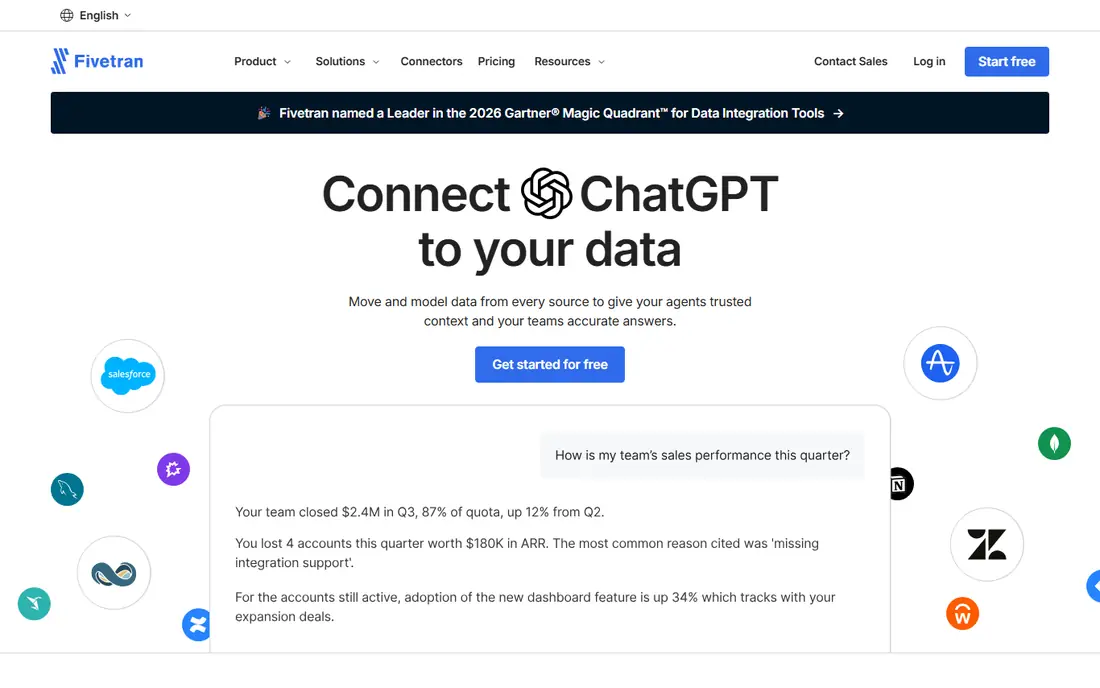
For families who want the filing handled end to end, this is a strong place to start. Fivetran is a managed ELT service that moves data from sources such as apps and databases into a warehouse, then lets the warehouse handle transformation. It suits data teams who want connectors maintained by a vendor rather than built in house.
The strength is connector depth and maintenance, which saves engineering time on source changes. The catch is billing, since charges follow monthly active rows and can rise when tables change often.
The practical question is how much of the year end work is included in the monthly price. Model the cost for your largest tables first, and use selective sync to keep unused columns out of the bill.
- Hundreds of managed connectors
- Automated schema changes
- Strong reliability focus
- Usage based pricing can rise with changing rows
- Costs need active monitoring
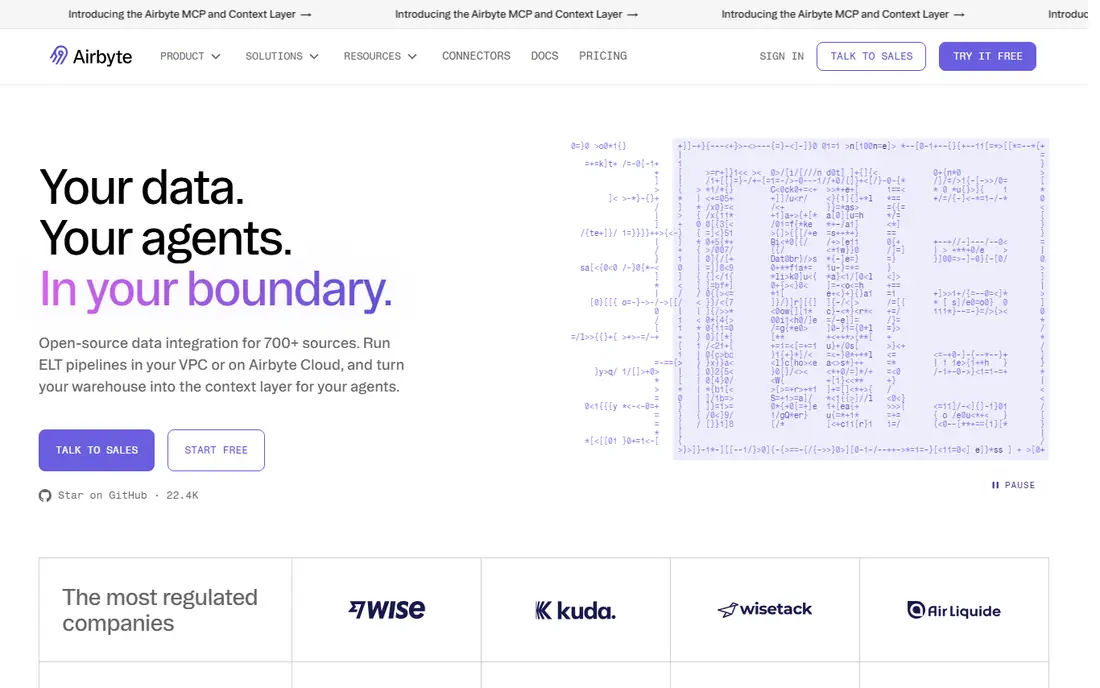
If a single clear monthly price matters more than a long list of extras, this option stands out. Airbyte offers an open source ELT platform that teams can self host, plus a managed cloud service for teams who prefer not to run it themselves. It suits teams who value control, a large connector catalogue, and a lower entry cost.
The strength is flexibility, since the open source core lets teams inspect and extend connectors. The catch is operating cost, since self hosting still needs servers, monitoring, and upgrades.
Check the add on fees before you sign up, since the headline price does not tell the whole story. Start with the cloud option unless your team already runs data infrastructure well.
- Open source core you can self host
- Cloud option
- Large connector catalogue
- Self hosting adds operating work
- Cloud pricing needs careful volume planning
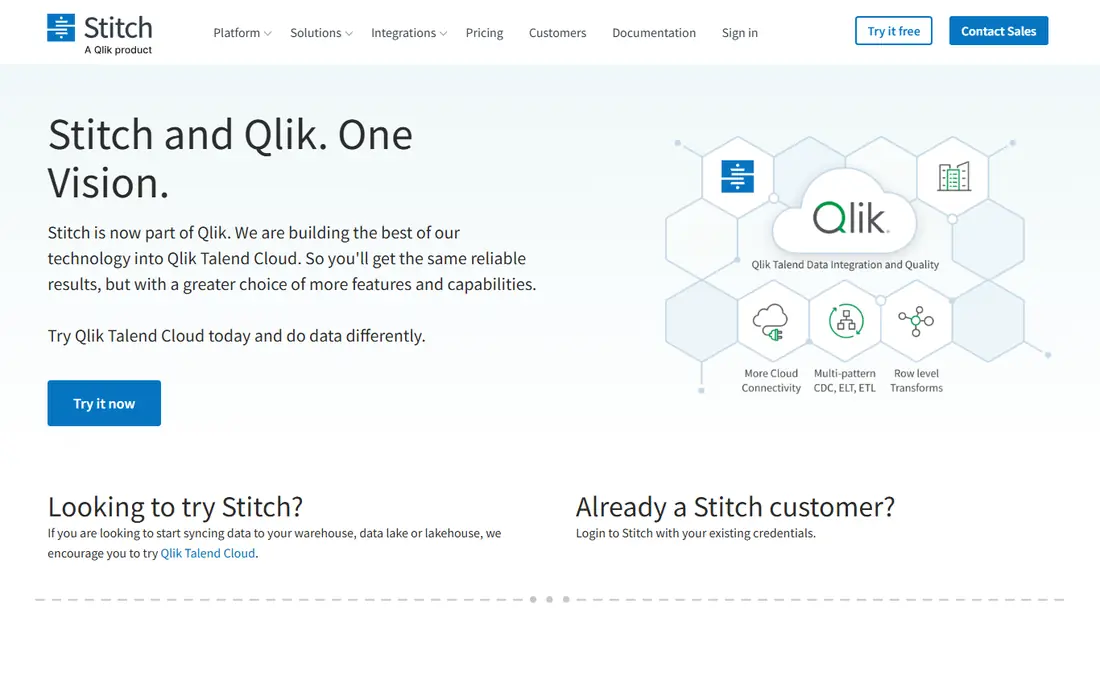
This service suits households that want a familiar payroll brand behind the pay run. Stitch is a straightforward ELT service that replicates data from common sources into a warehouse on a row based plan. It suits small and mid sized teams who want a simple setup and a predictable starting price.
The strength is simplicity, since setup and pricing are easier to grasp than usage based rivals. The catch is breadth, since some newer or niche sources may not be covered.
The value here depends on how often you need help, not just on the monthly fee. Check that every source and destination you need is listed before you rely on the starting price.
- Simple row based pricing
- Easy setup for common sources
- Talend backed service
- Connector range is narrower than larger rivals
- Product direction has shifted toward a wider cloud platform
Families with a more complex household setup may find the extra guidance here worth the higher price. Hevo Data is a no-code ELT platform that moves data from sources into warehouses and offers transformation steps in the same tool. It suits mid sized teams who want pipelines without writing a lot of code.
The strength is ease of setup, since non specialist teams can build a pipeline quickly. The catch is event counting, since frequent updates to the same rows can raise the bill.
Ask what happens when a tax agency sends a notice, because that support varies a lot by provider. Estimate events from update frequency, not just row count, and test with your busiest table.
- No-code pipeline setup
- Many sources
- Transformation inside the platform
- Event based pricing can rise with frequent updates
- Deletes and updates count toward volume
A long history in household employment is the main draw here, and the service covers the usual filing steps. Matillion is an ELT platform built around cloud warehouses, with visual pipelines and transformation jobs that run inside the warehouse. It suits teams who already use a cloud warehouse and want transformation close to the data.
The strength is warehouse native design, which keeps heavy work inside the warehouse rather than in a separate engine. The catch is pricing clarity, since credit based billing needs a careful estimate for your workload.
State rules are where household payroll gets tricky, so confirm coverage for your state first. Ask for a cost model based on your actual job schedule and data volume, not just a list price.
- Warehouse native transformation
- Visual pipeline design
- Strong cloud warehouse focus
- Pricing is credit based and needs a quote for larger use
- Learning curve for complex jobs
This is a useful choice for families who want a person to talk to when a state rule is unclear. Talend provides enterprise data integration, including ELT style pipelines, data quality, and governance tools. It suits large organisations with compliance needs, many systems, and a dedicated data team.
The strength is breadth, since integration, quality, and governance can sit under one vendor. The catch is weight, since enterprise setup and pricing may be more than a small team needs.
A clear pay schedule and direct deposit help most families more than a long feature list. Use Talend when governance and scale matter more than a quick single pipeline setup.
- Broad enterprise data integration
- Governance and quality tools
- Many connectors
- Enterprise pricing and setup can be heavy for a small team
- Platform scope is wide
Larger employers and families with several staff members may prefer the broader payroll platform behind this option. Skyvia is a cloud data integration service that offers ELT style replication with pricing based mainly on data volume. It suits small businesses and startups with low to moderate data needs who want a clear entry price.
The strength is price clarity, since volume, not user count or connector count, drives the main plans. The catch is depth, since very complex transformation or enterprise governance may need a larger platform.
If you employ more than one person, the per employee charge can change the ranking quickly. Test the free tier with your real sources, and check log retention and support on the plan you choose.
- Simple pricing by data volume
- Many connectors on basic plans
- Cloud based setup
- Advanced enterprise features are limited
- Support tiers vary by plan
Families who are comfortable doing more of the maths themselves can save money with this lighter tool. Integrate.io offers a visual platform for moving and transforming data, with both ELT and traditional ETL style flows. It suits business and data teams who want a visual builder rather than code for most pipelines.
The strength is the visual builder, which makes pipeline logic easier to review and hand over. The catch is quoting, since the final price depends on volume and features you select.
This is best judged on total annual cost, including any year end or setup charges. Map your sources, destinations, and transformation steps before the sales call, so the quote matches real use.
- Visual pipeline builder
- ELT and ETL options
- Warehouse and database destinations
- Pricing is quoted
- Some advanced features sit on higher plans
This option fits teams that already use a wider payroll system and want household pay inside the same setup. Azure Data Factory is Microsoft cloud service for building data pipelines, including ELT style loads into Azure warehouses and lakes. It suits teams already running on Azure who want pipelines close to their other Azure services.
The strength is Azure fit, since identity, storage, and warehouse services connect with less glue code. The catch is scope, since teams outside Azure may find the fit weaker and pricing harder to model.
Keep the focus on filing accuracy and deadlines, since those are the costly mistakes to avoid. Estimate pipeline runs, data movement, and integration runtime hours together, not just the service list price.
- Native Azure integration
- Visual pipelines
- Serverless and managed runtimes
- Best value is inside Azure, so multi cloud teams may face extra work
- Pricing has several parts
How we picked these
We compared official feature pages, pricing pages, and public service descriptions for each provider, and we kept only services that are live and that fit the topic directly. We favoured providers with clear filing, support, or delivery terms, and we marked prices as See website where a vendor does not publish a clear starting price. We did not claim hands-on testing, and we treated vendor claims about speed or quality as claims to check against your own brief, not as guarantees.
How to pick an ELT service
Start with your sources and destination, since a service is only useful if it covers both ends of your pipeline. Next, model cost from your real change volume, not from total table size, because most ELT bills follow changed rows, events, or credits. Check how schema changes are handled, how failed syncs are reported, and whether you can replay a failed load without a full refresh. Finally, test with your largest and messiest table, since that table will reveal limits in connector quality, speed, and cost before you commit.
Frequently asked questions
What does ELT mean?
ELT means extract, load, transform. Data is copied into a warehouse first, then transformed with warehouse compute. This differs from ETL, where data is transformed before it is loaded, and it suits cloud warehouses that can handle transformation at scale.
Is ELT better than ETL?
ELT suits cloud warehouses and teams who want raw data available quickly for many uses. ETL can still suit cases where data must be cleaned or reduced before loading, such as strict privacy rules or very large source systems.
How much does an ELT service cost?
Most services bill by changed rows, events, credits, or compute, so the same tables can cost very different amounts on different platforms. Model cost from update frequency and change volume, and include full refreshes in the estimate.
Can I use an ELT service without a data team?
Yes, for common sources, since no-code services such as Hevo Data and Skyvia are built for business teams. Complex sources, custom logic, and governance still benefit from data engineering help.
What is the difference between Fivetran and Airbyte?
Fivetran is a managed service with vendor maintained connectors, while Airbyte offers an open source core you can self host plus a managed cloud option. Fivetran trades higher managed cost for less operating work, while Airbyte trades more control for more operating responsibility.
Sources
See where you really rank - block by block
ProMapRanker scans Google Maps across a grid of your service area. Simple monthly plans from $19, white-label on every plan.
Start freeKeep reading
 worlds best local seo company
8 Worlds Best Local SEO Companies for Map Pack Growth in 2026
Compare the worlds best local seo company options for Google Business Profile work, citations, reviews, and multi-location rankings and reporting in 2026.
Read → world's best web hosting company
World's Best Web Hosting Company in 2026
Searching for the world's best web hosting company? We compared 10 hosts on price, renewal rates, speed, and support to help you choose well today in 2026.
Read → who's got the best nanny tax services
Who's Got the Best Nanny Tax Services in 2026
We answer who's got the best nanny tax services, comparing full filing, back taxes, software, and pricing so families can handle nanny taxes correctly.
Read →