 ProMapRanker
6 Ecommerce Platforms for Product Listings Ranked for 2026


Listing where the buyers already · Pricing starts at: See website
Direct answer
Amazon Seller Central comes first here, mainly for listing where the buyers already are. BigCommerce is better for built in features for growing catalogues, and WooCommerce is better for flexible self hosted catalogues. The other 3 tools in the list cover narrower or pricier cases.
Key takeaways
- Amazon Seller Central sits first on this list: listing where the buyers already are.
- Etsy fits handmade and vintage listing discovery.
- No starting price is shown for any of the 6 tools, Amazon Seller Central and Etsy included, so plan time for sales calls.
- Just one of the 6 tools, WooCommerce, has a free plan.
Quick comparison
| Pick | Great for | Pricing starts at | Free tier | |
|---|---|---|---|---|
| Amazon Seller Central | Listing where the buyers already | See website | No | Visit |
 BigCommerce | Built in features for expanding catalogues | See website | No | Visit |
 WooCommerce | Adaptable self hosted catalogues | See website | Yes | Visit |
 Wix | Straightforward keeps with simple listing creation | See website | No | Visit |
 Shopify | Listing workflow and feed syndication at scale | See website | No | Visit |
 Etsy | Handmade and vintage listing discovery | See website | No | Visit |
The 6 tools in detail
If you are comparing ecommerce platforms for product listings, this page covers 6 tools in one place: what each is best for, what it costs to start, whether it has a free plan, and the main limit to know about.

Amazon Seller Central works best for listing where the buyers already are. Its catalogue mechanics reward complete attributes, solid images and review volume, and punish sloppy data with invisibility or worse.
Brand owners should register, use the enhanced content, and keep their own store, on Shopify or WooCommerce, as the home Amazon cannot reprice. More specifically, treat it as a channel with a landlord's temperament: profitable, enormous and entirely indifferent to your roadmap. No starting price is listed for Amazon Seller Central here; confirm pricing on the vendor site. Amazon Seller Central has no permanent free option.
Drawbacks to consider: enforced by systems that answer slowly; You rent the shelf: commissions per category.
- Fulfilment by Amazon turns your listing into a Prime promise without your own warehouse
- Brand Registry brings enhanced content
- No customer relationship: the buyer is Amazon's

BigCommerce is designed for built in features for growing catalogues. For a mid sized, multi channel catalogue run by a small team, it is often the correct answer that the market's noise drowns out.
The main drawbacks: smaller app and freelancer ecosystem when you need something unusual.
Its smaller ecosystem is the real cost: the odd integration or designer is simpler to find in Shopify's world. No starting price is listed for BigCommerce here; confirm pricing on the vendor site. BigCommerce has no free tier.
- Solid multi storefront and B2B listing features at higher levels
- More catalogue machinery in the box than Shopify: rich product options
- The admin and theme system feel less refined than Shopify's
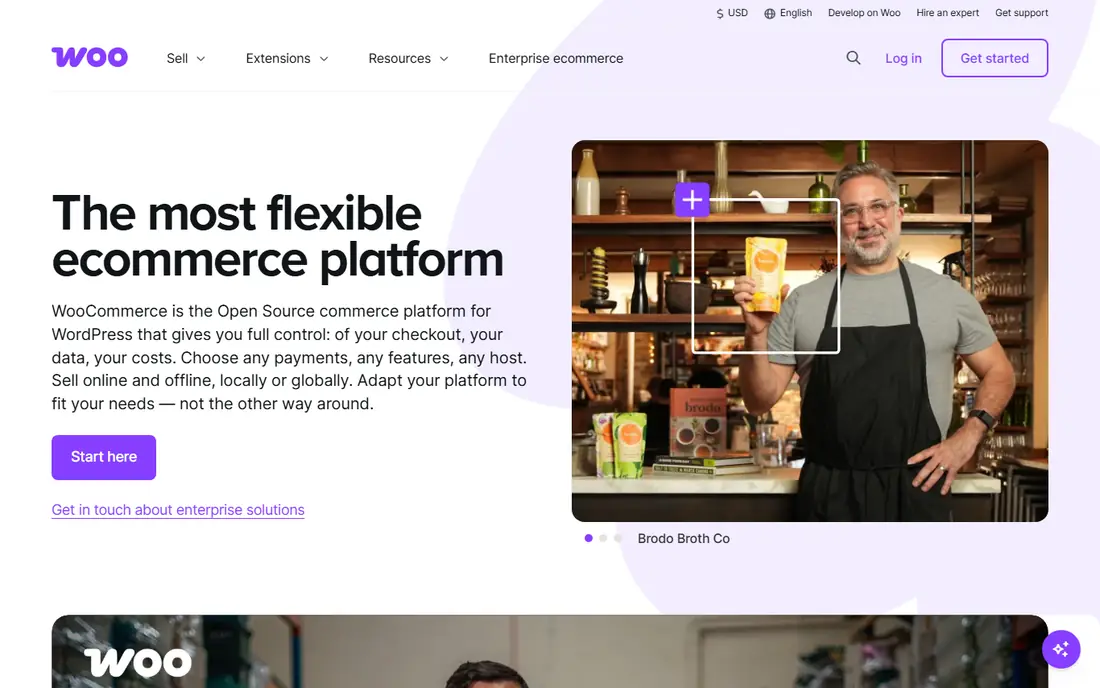
WooCommerce is designed for flexible self hosted catalogues. The price is operational: someone must mind the shop's machinery.
Keeps with unusual products, complicated attributes or content led selling, where the listing is half article, get from WooCommerce a freedom the hosted builders ration. In practice, WooCommerce is the librarian's system: nothing about your catalogue need be standard if you do not want it to be. WooCommerce does not show a starting price in this comparison, so check the vendor site for current pricing. WooCommerce includes a free tier.
Watch-outs: feed syndication to channels is plugin dependent, with quality to match your choices; security and speed are your jobs, extension quality varies.
- Product types include straightforward, variable, grouped
- No per sale product fee: costs are hosting
- A listing stack is assembled, not given
Wix makes the most sense for straightforward keeps with simple listing creation. Wix serves the small seller whose listing problem is time, not scale: fifty products, a clean page each, channels connected, orders flowing.
Also, the boundary is growth: a catalogue heading for thousands of SKUs and a feed strategy will outgrow it, and the exit cost argues for starting on Shopify if that future is already visible. Pricing for Wix is not stated here, so ask the vendor for current figures. There is no free plan with Wix.
Main advantages: variants and inventory handle the small catalogue's needs fully; product pages. Trade-offs to know: migrating away later is painful: listings do not export as gracefully as they entered.
- Meta and marketplaces are built in at commerce levels
- Pricing is friendly for small keeps
- Catalogue depth and bulk tooling thin out as SKU counts grow
Shopify is designed for listing workflow and feed syndication at scale. Price it honestly: plan, apps, and the payments decision together form the real subscription, and Shopify knows its workflow is worth it.
Where it is weaker: content and page adaptability trails the design led rivals.
Check the vendor site for Shopify pricing; none is listed in this comparison. Shopify does not include a free plan.
- Image optimisation
- Amazon and others with feed rules handled
- Transaction fees apply except when you use its payments arm
Think of Etsy for handmade and vintage listing discovery. Etsy closes the list as the second destination: for the right products it is not a channel but the market itself, the place buyers type the search.
Points against: Fee stack per sale, listing, transaction; your listing competes in Etsy's catalogue under Etsy's algorithm.
Its listing craft is specific, titles and tags that speak its search's language, photographs that survive a thumbnail grid, and its fees reward sellers who price with the full stack in view. This comparison lists no price for Etsy; ask the vendor. Etsy has no permanent free option.
Highlights: The marketplace where handmade; tags and photographs with real discovery for tiny sellers.
- Listing is cheap and quick, with an audience that arrives intending to buy the unusual
- Seller tools and promoted listings provide small shops a marketing on ramp
- Layers on up beyond the friendly headline
How we built this list
ProMapRanker looked at what each vendor publishes: pricing, plan limits, feature coverage for ecommerce platforms for product listings and stated drawbacks. No hands-on testing is claimed. Treat prices as a snapshot: vendors change plans often, so check the vendor site for the figure that applies today. The ranking is editorial: typical fit first, then clear pricing, then free access. If your needs are unusual, read the profiles rather than relying on position.
Before you commit
- Confirm the entry price with every vendor: no tool from Amazon Seller Central to Etsy shows a fixed starting price.
- Test the free plan from WooCommerce against your real workload before relying on it.
- Ask BigCommerce whether prices are locked for the first term and what happens at renewal.
- Ask whether Wix integrates with your current software, and whether that comes standard or as an add-on.
- Look at the help docs and support options for Etsy before you commit.
Frequently asked questions
Which options for ecommerce platforms for product listings have a free plan?
WooCommerce is the only tool in this list with a free plan. Free plans usually cap users, projects or features, so check the limits on the vendor page.
Which system is a good match for a large product catalogue?
Start with Amazon Seller Central if you need listing where the buyers already are. BigCommerce is the better match for built in features for expanding catalogues, and WooCommerce for adaptable self hosted catalogues. The best choice depends on budget, team size and workflow.
How are the tools for ecommerce platforms for product listings ordered?
The order follows typical fit for ecommerce platforms for product listings, with Amazon Seller Central first and Etsy last, then price clarity and free access. It is editorial judgement, not a score, so another team could rank the tools differently.
Is Amazon Seller Central the right pick for everyone comparing ecommerce platforms for product listings?
No single tool suits every team. Amazon Seller Central comes first because it fits listing where the buyers already are, while BigCommerce suits built in features for growing catalogues and WooCommerce suits flexible self hosted catalogues. Match the tool to your own size, budget and workflow before deciding.
Can I try these tools before paying?
Often, yes. WooCommerce has a free plan. Use your own data and a real task during the test, and check what the free tier or trial limits before you rely on it.
Sources
See where you really rank - block by block
ProMapRanker scans Google Maps across a grid of your service area. Simple monthly plans from $19, white-label on every plan.
Start freeKeep reading
 zoho inventory alternatives
6 Alternatives to Zoho Inventory, Compared on Price and Fit
Zoho Inventory alternatives: 6 tools compared on price, free plans and fit. Katana leads the list for manufacturers. Fit and flaws are laid out for each entry.
Read → zoho crm alternatives
Best Zoho CRM Alternatives (2026)
Need Zoho CRM alternatives? We compare 7 tools on cost, free access and who each suits. Every pick gets a straight assessment. Built for quick decisions.
Read → zelle alternatives
Best Zelle Alternatives in 2026
Compare the best Zelle alternatives for sending money to friends, paying sellers and moving funds abroad, with honest notes on fees, speed and safety in 2026.
Read →