 ProMapRanker
Best Ecommerce Platform for Startups in 2026


Most startups that want to launch fast · Pricing starts at: $29 per month
Key takeaways
- Hosted platforms suit most startups, while WooCommerce suits startups that already use WordPress.
- App and extension costs often matter more than the base plan price.
- Transaction fees, sales limits, and payment provider choices change the real monthly cost.
- Start simple, prove demand, and move up a tier only when sales justify it.
Quick comparison
| Pick | Great for | Pricing starts at | Free tier | |
|---|---|---|---|---|
| Shopify | Most startups that want to launch fast | $29 per month | Free trial | Visit |
 WooCommerce | Startups on WordPress that want control | Free | Yes | Visit |
 BigCommerce | Startups planning to scale without many apps | $29 per month | Free trial | Visit |
 Wix | Small stores that want a simple builder | $29 per month | Free trial | Visit |
 Squarespace | Design-led brands and creators | $19 per month | Free trial | Visit |
 Square Online | Retail startups with in-person sales | Free | Yes | Visit |
 Ecwid | Adding a store to an existing website | $19 per month | Yes | Visit |
 Shift4Shop | US startups that want many built-in features | $29 per month | Free trial | Visit |
The best ecommerce platforms for startups
We compared online store platforms for new businesses, from hosted builders to open-source options. The right platform depends on your technical comfort, your sales channels, and how much you want to manage hosting and updates yourself.

For many buyers, Shopify is the first name that comes up, and there is a reason for that. Shopify is our pick for most startups because it covers hosting, checkout, and payments in one place. Its themes and app store let a new store launch quickly and add features as sales grow.
The catch is total cost, since paid apps for reviews, subscriptions, and shipping can push the bill above the base plan. Before you commit, check the current plan details, any contract or cancellation terms, and what is included at the price shown on the vendor site. If that fit matches your routine and your budget, Shopify is a sensible shortlist pick. If it does not, one of the other options below may suit you better.
- Hosted store with checkout and payments
- Large app store
- Multi-channel selling
- App costs add up
- Transaction fees apply with some payment providers
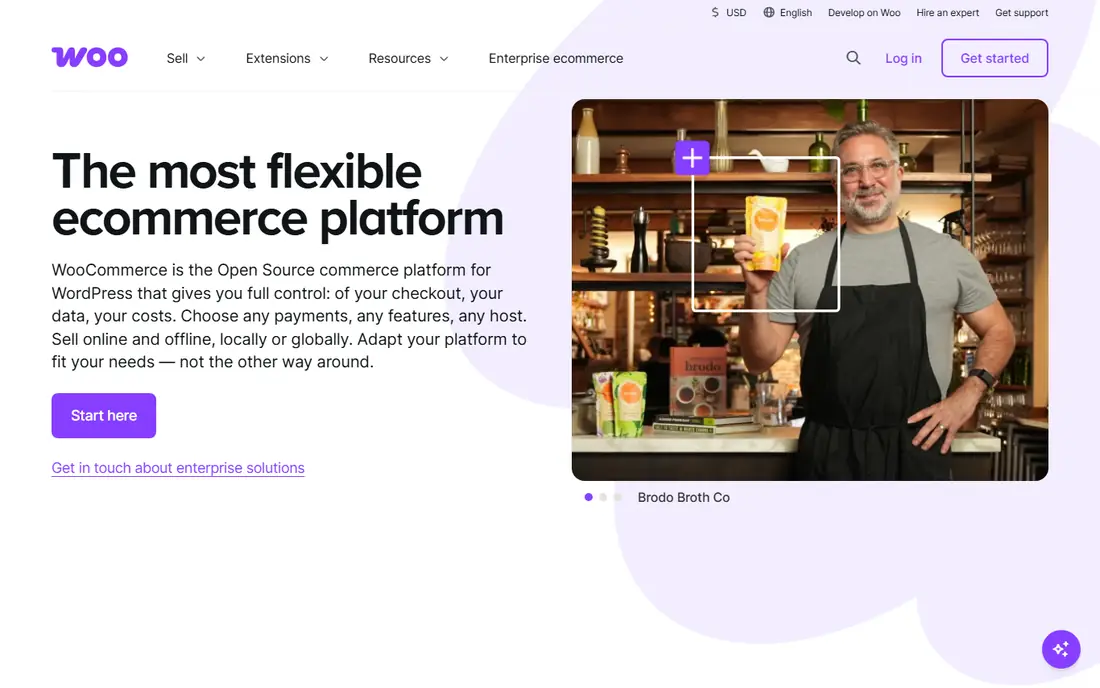
If your priority is Startups on WordPress that want control, WooCommerce deserves a close look before you decide. WooCommerce suits startups that already run a WordPress site or want full control. The core plugin is free, and you can choose hosting and extensions to fit your budget.
The catch is maintenance, since you manage updates, backups, and security rather than a hosted platform. Before you commit, check the current plan details, any contract or cancellation terms, and what is included at the price shown on the vendor site. If that fit matches your routine and your budget, WooCommerce is a sensible shortlist pick. If it does not, one of the other options below may suit you better.
- Free core plugin
- Full control over design and data
- Huge extension range
- Hosting, security, and updates are your job
- Setup takes longer

BigCommerce suits buyers who want a clear trade between price, features, and effort. BigCommerce suits startups that want built-in features and plan to scale steadily. Its product, discount, and channel tools reduce the need for extra apps at the start.
The catch is sales limits, since growing sales can require a higher tier sooner than expected. Before you commit, check the current plan details, any contract or cancellation terms, and what is included at the price shown on the vendor site. If that fit matches your routine and your budget, BigCommerce is a sensible shortlist pick. If it does not, one of the other options below may suit you better.
- Many built-in features
- Multi-channel selling
- No platform fee on its own terms
- Plan tiers are tied to sales volume
- Smaller app range than Shopify
Start with Wix if you want a practical option without a long setup process. Wix suits small stores that want a website and shop in one simple builder. Its editor is easy to learn, and templates help a new brand look polished fast.
The catch is scale, since larger catalogs and complex selling needs may outgrow its ecommerce tools. Before you commit, check the current plan details, any contract or cancellation terms, and what is included at the price shown on the vendor site. If that fit matches your routine and your budget, Wix is a sensible shortlist pick. If it does not, one of the other options below may suit you better.
- Simple drag-and-drop builder
- Templates
- Built-in marketing tools
- Ecommerce features are simpler than Shopify for large catalogs
- Plan needs checking for payments
We put Squarespace on this list because it answers a specific need well. Squarespace suits design-led startups, creators, and small brands that value visual polish. Its templates and content tools make a brand site and store feel cohesive.
The catch is fees and depth, since the Basic commerce plan adds a transaction fee and advanced selling tools are thinner. Before you commit, check the current plan details, any contract or cancellation terms, and what is included at the price shown on the vendor site. If that fit matches your routine and your budget, Squarespace is a sensible shortlist pick. If it does not, one of the other options below may suit you better.
- Strong design templates
- Content and commerce in one site
- Built-in marketing tools
- Online store transaction fee on Basic plan
- Ecommerce depth is less than Shopify
Square Online is worth shortlisting when Retail startups with in-person sales matters more than having every extra feature. Square Online suits retail startups that sell both in person and online. Its free plan covers a basic online store, and Square payments link in-store and online sales.
The catch is ecosystem fit, since the best value comes when you use Square for payments and hardware. Before you commit, check the current plan details, any contract or cancellation terms, and what is included at the price shown on the vendor site. If that fit matches your routine and your budget, Square Online is a sensible shortlist pick. If it does not, one of the other options below may suit you better.
- Free starting plan
- Square payments and point of sale
- In-person and online selling
- Paid features cost more as you grow
- Best value is inside Square payments
Among the options here, Ecwid stands out for a simple reason: it is easy to understand what you get. Ecwid suits creators and small businesses that already have a website and only need to add selling. Its store widget drops into a site, blog, or social page without rebuilding everything.
The catch is scope, since it is an add-on store, not a full brand site builder. Before you commit, check the current plan details, any contract or cancellation terms, and what is included at the price shown on the vendor site. If that fit matches your routine and your budget, Ecwid is a sensible shortlist pick. If it does not, one of the other options below may suit you better.
- Embeds a store into an existing site
- Social selling
- Free plan for small catalogs
- Not a full website builder
- Larger catalogs need paid plans
Consider Shift4Shop if you want a dependable choice for everyday use. Shift4Shop suits US startups that want many features without buying many apps. Its built-in tools cover products, marketing, and shipping for a standard store.
The catch is ecosystem size, since its app and theme range is smaller than Shopify or WooCommerce. Before you commit, check the current plan details, any contract or cancellation terms, and what is included at the price shown on the vendor site. If that fit matches your routine and your budget, Shift4Shop is a sensible shortlist pick. If it does not, one of the other options below may suit you better.
- Many built-in ecommerce features
- US-focused selling tools
- Hosting included
- Smaller app ecosystem than Shopify
- Design options feel less modern to some users
How we picked these
We compared official pricing pages and feature lists for each platform, and we focused on current entry prices, hosting, transaction fees, and sales limits. We favored platforms with clear pricing and current US availability, and we used See website where pricing varied by market. We did not claim hands-on store sales results, since success depends on product, traffic, and pricing.
How to choose an ecommerce platform as a startup
Start with your team and your catalog. A solo founder with a small catalog usually does best on a hosted platform such as Shopify, Wix, or Squarespace. A WordPress user should consider WooCommerce. A retail startup with in-person sales should consider Square Online. A creator with an existing site should consider Ecwid. Matching the platform to your current setup saves time and money.
Total cost, fees, and channels
Add base plan, apps, payment fees, and any transaction fees to get the real monthly cost. Check sales limits on BigCommerce and similar platforms, since a growing store may need a higher tier. Check sales channels too, including social, marketplace, and search integrations, since traffic sources differ by product type. A platform that fits your main channel is worth more than one with a longer feature list.
Test, launch, and grow
Use a trial to build a real product page, test checkout on a phone, and check shipping and tax settings. Launch with a small catalog and a clear return policy, then add apps only when a real problem appears. Review the platform each quarter, and move up a tier or switch only when sales, catalog size, or channel needs clearly justify the change.
Frequently asked questions
Which ecommerce platform is best for small business?
Shopify is the safest default for most small businesses because it is hosted and easy to scale. WooCommerce suits WordPress users who want control. Square Online suits retail businesses with in-person sales. Pick by your current website and sales channels.
What is the best ecommerce platform for beginners?
Shopify, Wix, and Squarespace are the easiest for beginners because they are hosted and include templates. Wix and Squarespace suit small catalogs and design-led brands. Shopify suits beginners who plan to grow into a larger store.
Is WooCommerce free?
The core WooCommerce plugin is free, but hosting, a domain, payment fees, and paid extensions cost money. Total cost depends on hosting quality and which extensions you need. For many startups, hosted platforms cost a similar total with less maintenance.
How much does Shopify cost for a startup?
Shopify Basic costs $29 per month when billed yearly, or $39 per month when billed monthly, based on current pricing pages. Apps, payment fees, and themes can add to that total. Use a trial to test the platform before committing to paid apps.
Can I sell on social media with these platforms?
Yes, Shopify, BigCommerce, Wix, Squarespace, and Square Online all support social selling channels. Check which channels are supported in your region and whether extra fees apply. Social selling works best when product data and inventory stay in sync.
When should a startup switch platforms?
Switch when sales volume, catalog size, or channel needs clearly outgrow the current platform. Warning signs include high app costs, sales limits, or missing features you use daily. Plan a switch carefully, since product data, orders, and redirects need migration.
Sources
See where you really rank - block by block
ProMapRanker scans Google Maps across a grid of your service area. Simple monthly plans from $19, white-label on every plan.
Start freeKeep reading
 zendesk alternatives
Best Zendesk Alternatives in 2026
Compare the best Zendesk alternatives in 2026, from budget help desks to AI-first support tools, with current pricing, free plans, and honest trade-offs.
Read → wordpress alternatives
Best WordPress Alternatives in 2026
Looking for the best WordPress alternatives? We compare 8 free and paid options for blogs, business sites, stores, and developer-led projects in 2026.
Read → which real estate company has the best training
Best Real Estate Company Training in 2026
Compare which real estate company has the best training, from Keller Williams and eXp to Compass and Coldwell Banker, by program, mentor, and fit in 2026.
Read →