 ProMapRanker
Best Ecommerce Platform for Dropshipping in 2026

Key takeaways
- Shopify has the deepest dropshipping app ecosystem, which makes it the simplest starting point for most new sellers.
- WooCommerce gives the most control and the lowest platform cost, but you pay with hosting, maintenance, and setup time.
- BigCommerce suits larger catalogs and higher-volume stores that want more built-in features and fewer paid apps.
- Transaction fees and app subscriptions often cost more than the monthly plan, so compare total cost at your expected sales level.
Quick comparison
| Pick | Great for | Pricing starts at | Free tier | |
|---|---|---|---|---|
 Shopify | Most new dropshippers | $39 per month | Free trial | Visit |
 WooCommerce | WordPress users wanting control | Free | Yes | Visit |
 BigCommerce | Larger catalogs and scaling stores | $39 per month | Free trial | Visit |
 Wix | Beginners wanting a simple builder | See website | Yes | Visit |
 Squarespace | Design-led brands | See website | Free trial | Visit |
 Ecwid | Adding a store to an existing site | Free | Yes | Visit |
 Shift4Shop | US sellers wanting a free hosted plan | Free | Yes | Visit |
 PrestaShop | Open-source sellers with technical help | Free | Yes | Visit |
 Sellfy | Creators and print-on-demand sellers | See website | Free trial | Visit |
The best ecommerce platforms for dropshipping
Dropshipping lives or dies on supplier connections, order automation, and total fees, not just on how nice the store builder looks. A good platform should connect to suppliers, sync inventory and tracking, handle payments cleanly, and stay affordable as orders grow. The nine platforms below cover hosted, open-source, and creator-focused options.

Shopify is the default answer for dropshipping for a practical reason: almost every major dropshipping app supports it first. DSers, Spocket, Zendrop, AutoDS, and print-on-demand apps such as Printify all install in a few clicks, and they automate product import, inventory sync, order forwarding, and tracking updates. That depth saves hours each week compared with manual order handling.
The cost picture needs care. The Basic plan is $39 per month when paid monthly, with a lower annual rate, and card processing fees apply on top. If you avoid Shopify Payments, extra transaction fees apply too. For most beginners, the time saved and the app choice justify the cost, but keep a list of paid apps and review it monthly so subscriptions do not quietly grow.
- Largest dropshipping app ecosystem
- Fast setup
- Strong payment and checkout tools
- Monthly plan plus app fees add up
- Transaction fees apply unless you use Shopify Payments
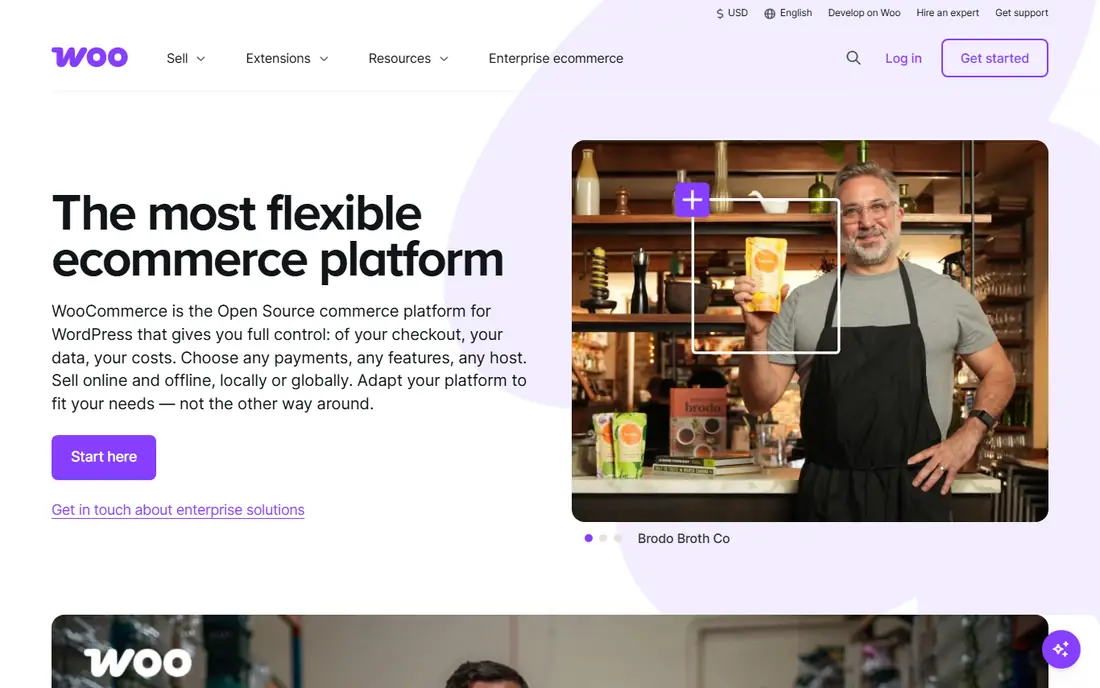
WooCommerce turns a WordPress site into a store, and it is the best fit if you already run WordPress or want full ownership of your site and data. The core plugin is free, it charges no platform transaction fee, and supplier tools such as AliDropship and Spocket connect to it. Content and SEO also feel natural here, since WordPress was built for publishing.
Control comes with work. You pay for hosting, a theme, and any premium extensions, and you are responsible for updates, backups, and security. A beginner who wants a store live this weekend may prefer Shopify, while a seller with WordPress skills, or a content-led store, will get more long-term value from WooCommerce.
- Free core plugin
- Full control over data and design
- No platform transaction fee
- Hosting, themes, and plugins cost extra
- You handle updates, security, and maintenance
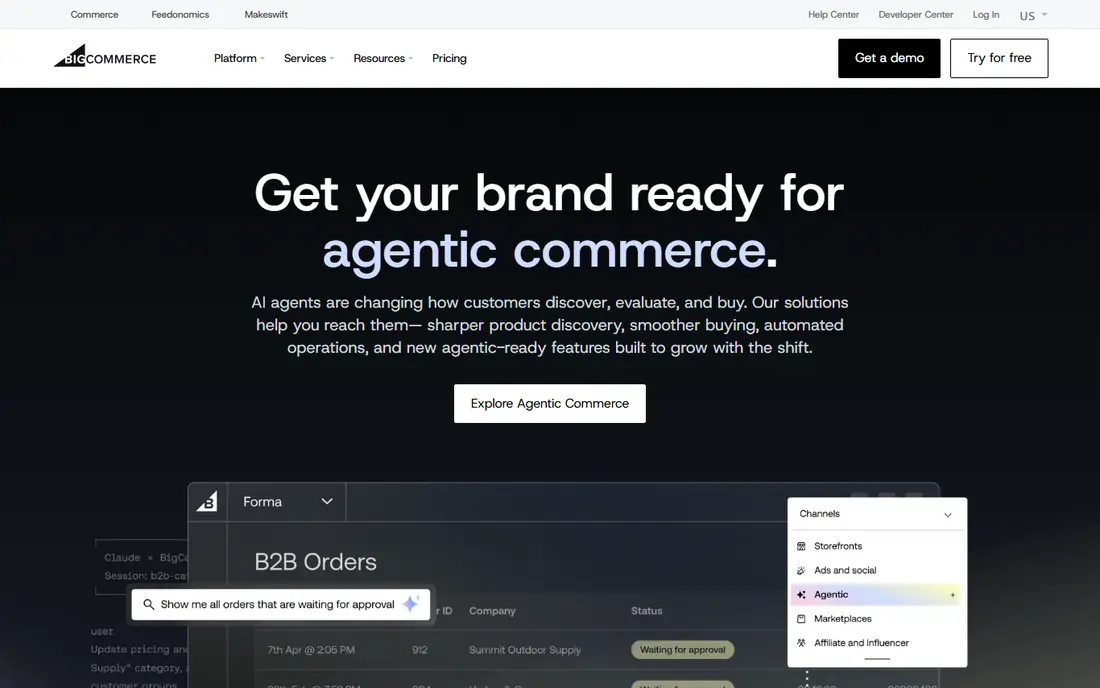
BigCommerce suits sellers who want more features built in and fewer paid apps. Its Core plan starts at $39 per month when paid monthly, and it handles large catalogs, multi-channel selling, and SEO tools without as many add-ons. For a store scaling past the beginner stage, that built-in depth can keep total cost and complexity lower than a heavily app-dependent Shopify store.
The dropshipping ecosystem is thinner than Shopify's, so check that your preferred supplier app works well on BigCommerce before you commit. Also note that BigCommerce moves stores to higher plans when sales pass set thresholds, so forecast revenue honestly and read the plan limits before launch.
- Many built-in features
- No added fee on some payment providers
- Strong for large catalogs
- Smaller dropshipping app ecosystem than Shopify
- Sales thresholds can push you to a higher plan
Wix is a friendly first platform for a small dropshipping store, especially for sellers who value design control and a simple editor. Its ecommerce plans support supplier integrations such as Spocket and Modalyst, plus print-on-demand partners, so you can launch without code. AI-assisted setup can also produce a usable first store quickly.
Scale is the limit. Very large catalogs, complex automation, and high-volume operations are smoother on Shopify or BigCommerce. If your plan is a focused niche store with a modest catalog, Wix is a solid, low-friction choice, but confirm the ecommerce plan price and transaction terms for your region before you build.
- Easy drag-and-drop builder
- Supplier integrations including Spocket and Modalyst
- Built-in AI tools
- Less scalable for very large stores
- App ecosystem smaller than Shopify
Squarespace fits sellers whose brand and visuals do the selling. Its templates look polished with little design skill, and its commerce plans support selling, payments, and print-on-demand integrations such as Printful and Spocket. For a creator or small brand with a tight product range, that polish can lift conversion without a designer.
It is not the best tool for a sprawling multi-supplier dropshipping operation. App choice is narrower, and automation options are more limited than on Shopify. Use Squarespace when design and brand matter most and your catalog stays focused, and use a dedicated dropshipping platform when supplier automation is the priority.
- Strong design templates
- Simple store setup
- Good for brand-led and print-on-demand stores
- Dropshipping app choice is narrower
- Less suited to complex multi-supplier automation
Ecwid is different from most platforms here, because it is built to add a store to a site you already own. You can embed it in WordPress, Wix, Squarespace, or a social page, and sell without rebuilding your whole site. The free plan lets you test selling with a small catalog, and paid plans add more products, features, and integrations.
That embed model is also its limit. If you want a full standalone store with deep customization, a dedicated platform will serve you better. Ecwid shines for bloggers, creators, and small businesses that already have traffic and just need a clean way to sell a focused range, including print-on-demand products.
- Free starter plan
- Embeds into an existing website or social page
- Print-on-demand integrations
- Feature limits on free and low plans
- Less of a full standalone store builder
Shift4Shop offers a genuinely free hosted store for US sellers who use Shift4 Payments, which makes it one of the cheapest ways to start dropshipping. It includes built-in ecommerce features, supplier connections, and order tools without a monthly plan fee, and paid plans exist for sellers who want more. For a budget-conscious US beginner, that is a strong offer.
The catch is the payment condition and the smaller ecosystem. If you do not want Shift4 Payments, or you sell mainly outside the US, the value drops. Check the free plan terms, payment processing rates, and whether your supplier tools integrate cleanly before you build a store around it.
- Free hosted plan for qualifying US sellers
- Built-in features
- Supplier integrations
- Free plan requires Shift4 Payments
- Less popular outside the US
- Smaller app ecosystem
PrestaShop is an open-source ecommerce platform with a strong following in Europe and a large library of modules for payments, shipping, and supplier workflows. The core software is free, you control hosting and data, and you can tailor the store deeply with modules and code. Sellers with technical help, or a developer on call, can build a capable dropshipping store on it.
Like WooCommerce, it is not a hands-off hosted service. Hosting, module costs, updates, and security fall to you, and premium modules for dropshipping can add up. Choose PrestaShop when you need open-source control and have the skills to run it, not when you want the fastest possible launch.
- Free open-source core
- Large module library
- Strong in European markets
- Hosting and premium modules cost extra
- Setup and maintenance need technical skill
Sellfy is built for creators selling digital products, merchandise, and print-on-demand goods, and it keeps setup deliberately simple. You can launch a storefront quickly, connect print-on-demand fulfillment, and sell without managing a large app stack. For a creator whose audience already exists, that speed matters more than deep automation.
General dropshipping with many suppliers from different sources is not its strength. If your model depends on AliExpress-style multi-supplier automation, Shopify or WooCommerce will fit better. Sellfy wins when your products are your own designs, your catalog is focused, and you want selling live with minimal setup.
- Simple setup for creators
- Native print-on-demand
- No added platform fee on sales in some plans
- Narrower fit for general multi-supplier dropshipping
- Fewer advanced store features
How we picked these
We compared official pricing pages, supplier and app integrations, payment terms, and public platform comparisons in October 2026. We favored platforms with a real dropshipping path, whether through apps, supplier integrations, or print-on-demand, and we included hosted and open-source options so beginners and technical sellers both have a fit. Where pricing varies by billing period or region, we list the monthly figure we could verify or See website, and we flag transaction and app costs as the hidden total.
What to check before you choose
Start with suppliers, not templates. List the suppliers and apps you actually plan to use, and confirm they integrate with the platform on a paid plan you can afford. Then add up total cost: monthly plan, payment processing, app subscriptions, and any premium theme. A platform that looks cheap on plan price can cost more once apps are included.
Next, test checkout and fulfillment end to end with a test order. Check inventory sync, tracking updates, customer emails, and refund handling, since those details shape reviews and repeat sales. Finally, think about growth: catalog size, traffic, content plans, and whether you will need multi-channel selling. Pick the platform that fits the store you plan to run in a year, not just the store you launch this week.
Frequently asked questions
What is the best ecommerce platform for dropshipping for beginners?
Shopify is the best starting point for most beginners, because its dropshipping apps, checkout, and support reduce setup and order work. Wix is a simpler alternative for a very small store, while WooCommerce suits beginners who already know WordPress.
What are the best ecommerce platforms for dropshipping at scale?
BigCommerce and Shopify suit scaling stores, with BigCommerce offering more built-in features and Shopify offering the deepest app ecosystem. WooCommerce also scales well when you have hosting and maintenance covered.
Is WooCommerce really free for dropshipping?
The WooCommerce core plugin is free, but hosting, a domain, a theme, and premium extensions cost money. It still often costs less than a hosted plan plus apps, but budget for hosting and maintenance from the start.
Do I need paid apps to dropship on Shopify?
Most dropshippers use at least one paid supplier or automation app on Shopify, since the core platform does not include supplier syncing by itself. Many apps offer free tiers or trials, so test one supplier workflow before paying for several apps at once.
Which platform has the lowest fees for dropshipping?
Fee totals depend on plan, payment provider, and apps, so no single platform wins for every seller. WooCommerce and PrestaShop avoid platform transaction fees but add hosting costs, while hosted platforms bundle hosting and support into the monthly plan.
Sources
See where you really rank - block by block
ProMapRanker scans Google Maps across a grid of your service area. Simple monthly plans from $19, white-label on every plan.
Start freeKeep reading
 zscaler alternatives
Best Zscaler Alternatives in 2026
Looking for zscaler alternatives? We compare 9 SASE and zero trust platforms on architecture, data protection, pricing, and fit for your network and team.
Read → zapier alternatives free
Best Zapier Alternatives Free in 2026
Nine automation tools for zapier alternatives free in 2026, all with genuinely free tiers, plus free plan limits, starting prices and upgrade paths explained.
Read → which platform is best for online reputation
Which Platform Is Best for Online Reputation in 2026
Wondering which platform is best for online reputation? We compare 8 review, listing, and response tools for small and multi-location businesses and agencies.
Read →