 ProMapRanker
Best Ecommerce Company in India in 2026

Key takeaways
- Flipkart and Amazon India offer the widest product range and delivery reach for most shoppers in India.
- Meesho suits value-focused sellers and buyers, while Myntra and Ajio suit fashion-first shoppers.
- Nykaa, BigBasket and JioMart work best when the basket is beauty, groceries or everyday household goods.
- Seller fees, returns and delivery speed differ by category, so compare the full cost before choosing one platform.
Quick comparison
| Pick | Great for | Pricing starts at | Free tier | |
|---|---|---|---|---|
 Flipkart | Widest general range | See website | No | Visit |
 Amazon India | Choice and delivery options | See website | No | Visit |
 Meesho | Value products and small sellers | See website | No | Visit |
 Myntra | Fashion and beauty brands | See website | No | Visit |
 Ajio | Fashion discovery | See website | No | Visit |
 Nykaa | Beauty and personal care | See website | No | Visit |
 BigBasket | Groceries and household goods | See website | No | Visit |
 Snapdeal | Budget everyday products | See website | No | Visit |
 JioMart | Groceries and daily essentials | See website | No | Visit |
The best ecommerce companies in India
We compared official store pages, seller information, delivery options and public reviews to sort the large general platforms from the focused specialists. The right choice depends on what you buy or sell most often.
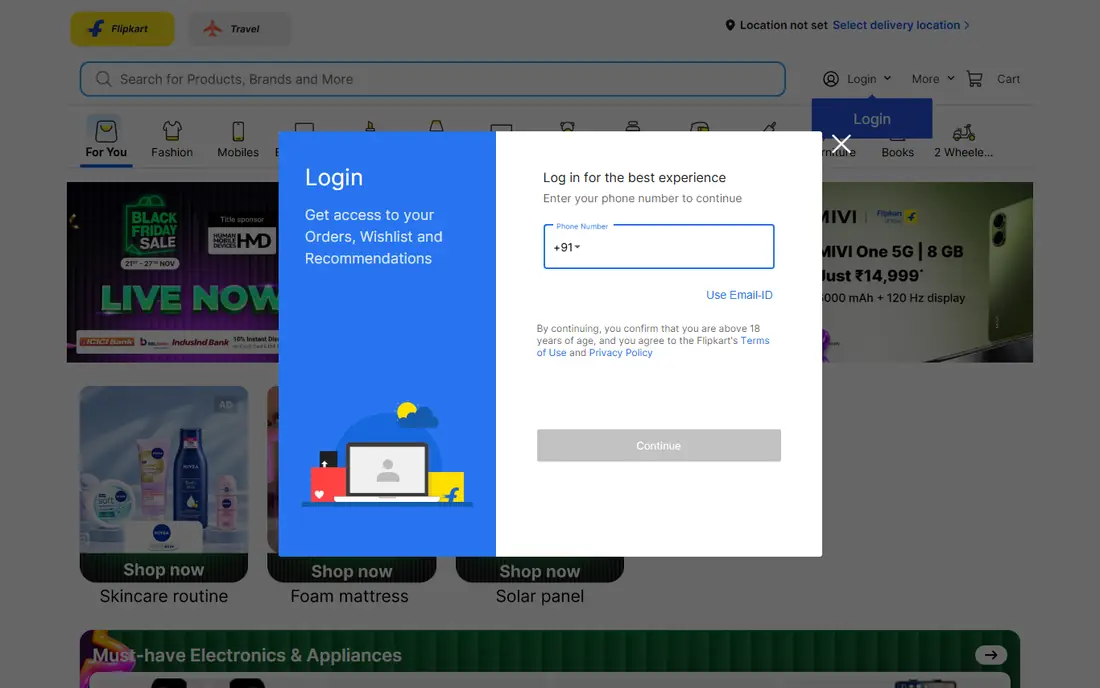
Flipkart remains the first place many Indian shoppers check for phones, appliances, fashion and home goods. Its scale gives buyers a wide choice in one basket, and its logistics arm supports delivery across many pin codes. For sellers, that reach can matter more than a slightly lower fee elsewhere, because a listing seen by more buyers has a better chance of selling.
The trade-off is that scale brings variation. Product quality, packaging and delivery speed can differ by seller and location, so reading seller details and return terms before ordering is wise. Sellers should also study category fees, commission and advertising costs, since those shape the final margin more than the headline selling price.
- Very large product range
- Strong logistics network
- Frequent sale pricing
- Seller fees and returns vary by category
- Quality can differ between sellers
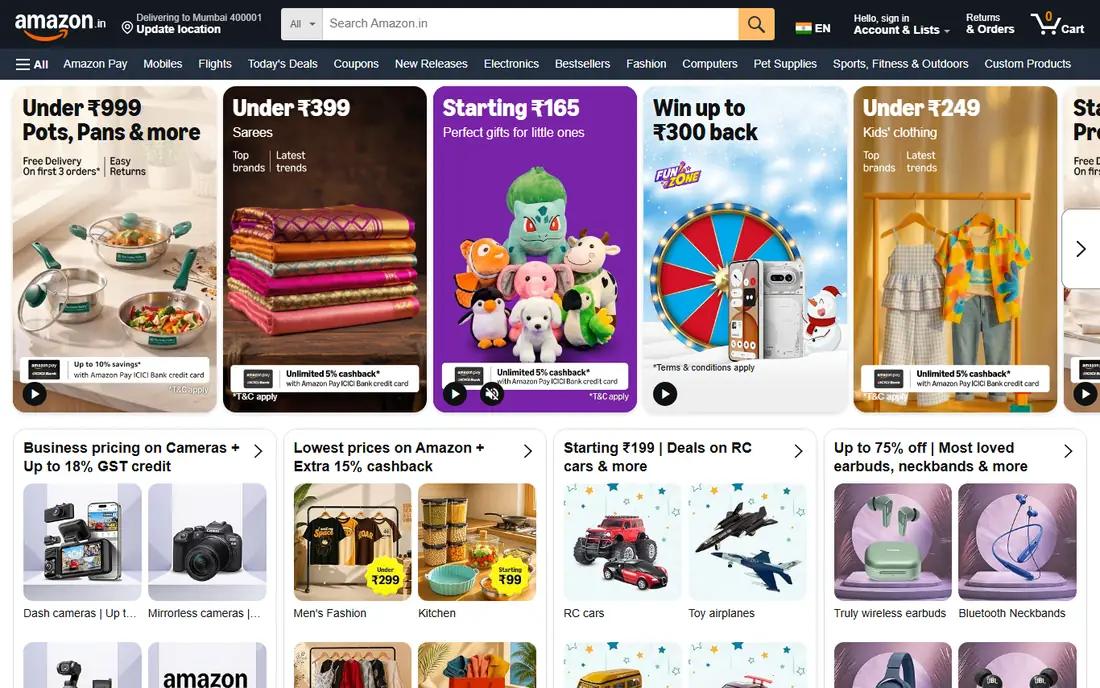
Amazon India suits shoppers who want one account for electronics, books, household goods and much more. Its fulfilment network and Prime options give many buyers faster delivery and clearer return handling, though exact speed depends on location and stock. The search filters and customer reviews also help buyers compare similar products without opening dozens of tabs.
Sellers face a crowded marketplace, so a good listing needs clear photos, accurate details and competitive pricing. Fulfilment by Amazon can simplify storage and shipping, but it adds fees that must be counted in the margin. For a new seller, starting with a small range and learning which products move well is a safer path than listing everything at once.
- Huge catalogue
- Prime delivery and returns options
- Strong seller tools
- Fees differ by category and fulfilment choice
- Competition among sellers is intense
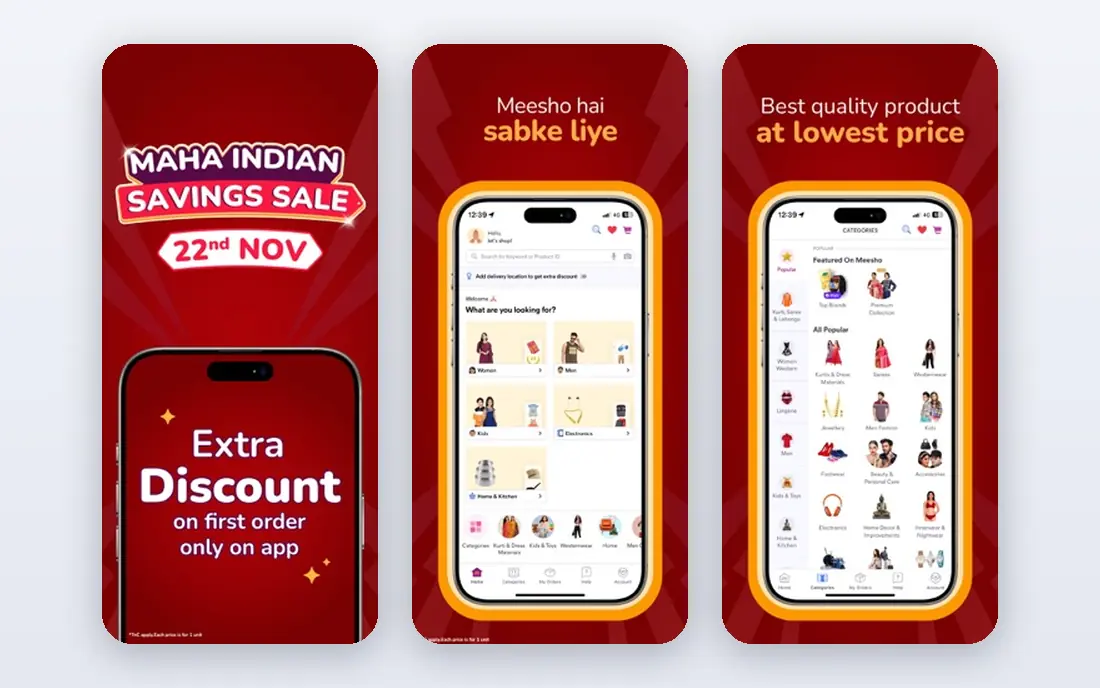
Meesho has grown by serving price-sensitive buyers and small sellers, including many home-based businesses. Its catalogue tools are simple enough for a first-time seller, and its reach beyond large metros helps products find buyers in smaller towns. For shoppers, it is often the cheapest place to try everyday fashion, home items and accessories.
The catch is that low prices can mean thinner margins and more returns, especially for unbranded fashion. Sellers need careful sizing information, honest photos and realistic pricing that leaves room for return costs. Buyers should check measurements and seller feedback closely, since a low price alone does not guarantee the fit or finish they expect.
- Low-cost entry for small sellers
- Strong reach beyond large cities
- Simple catalogue tools
- Lower average order values
- Return rates can be higher in value categories
Myntra stands out for shoppers who care about brands, fit and style rather than the lowest possible price. Its fashion focus means better filters for size, fabric, colour and brand, and its sales events often bring branded items within reach. Beauty and lifestyle products sit alongside fashion, which makes it a one-stop shop for a wardrobe refresh.
For sellers, the curated approach is both a strength and a barrier. Brand approval and quality checks can slow onboarding, and smaller unbranded sellers may find a better fit on a general marketplace. Shoppers should still check size charts, because brand sizing differs, and return terms can vary by product type.
- Curated fashion brands
- Strong size and style filters
- Frequent brand sales
- Brand approval can be strict for sellers
- Less suited to general goods
Ajio, from Reliance, mixes well-known labels with its own ranges and international brands, which gives fashion shoppers a broad shelf to browse. Its app and website make discovery easy, with edits and collections that help a buyer find a style without knowing a brand name in advance. Discount events are frequent, so patient shoppers can often wait for a better price.
Delivery and return handling can vary because some items ship from different sellers or warehouses. Buyers should check the delivery estimate and return window on the product page, not just the category page. Sellers should note that Ajio leans toward branded and curated fashion, so it fits a fashion brand better than a general goods seller.
- Mix of national and international labels
- Own-label ranges
- Regular discounts
- Delivery times vary by product
- Returns handling differs for some labels
Nykaa built its name on beauty, and that focus still shows in its range of skincare, makeup, hair care and wellness products. Shoppers get detailed shade, ingredient and usage information, plus reviews from buyers with similar skin or hair concerns. That detail matters in beauty, where a wrong shade or formula is hard to fix after delivery.
The platform is less useful for general shopping, and a buyer who wants groceries or electronics will need another site. Prices also move with brand offers, so comparing the same product across a sale and a non-sale week can save money. Sellers in beauty gain from an audience that already trusts the platform for genuine products, but they must meet its listing and quality standards.
- Wide beauty brand range
- Product information and shades
- Trusted authenticity focus
- Prices vary by brand and offer
- Less useful outside beauty and wellness
BigBasket suits households that want a planned weekly grocery shop rather than a quick top-up. Its range covers fresh produce, staples, dairy, cleaning goods and household items, and scheduled slots let a buyer pick a delivery time that fits the day. That planning angle is the main reason many families keep it as their default grocery site.
Availability still depends on city and warehouse stock, so a rural or smaller-city shopper may see a shorter list. Delivery fees and minimum order rules can also change the value of a small basket, so it pays to combine orders where possible. Checking freshness and expiry details on arrival remains good practice for any grocery delivery.
- Large grocery range
- Scheduled delivery slots
- Fresh produce options
- Availability varies by city
- Delivery fees depend on order value and slot
Snapdeal focuses on value, and that gives budget shoppers a place to find everyday clothing, home goods and accessories without paying for a premium brand shelf. Its buying flow is simple, and sellers with value products can reach buyers who shop mainly on price. For a household restocking basics, that focus can keep the total bill lower.
The range of premium brands is narrower than on Flipkart or Amazon India, so a shopper looking for a specific branded item may need to look elsewhere. Delivery speed also varies by seller and location, so urgent orders should be checked against the stated estimate. As with any value marketplace, reading reviews and product details helps avoid a disappointing purchase.
- Budget pricing on everyday items
- Simple buying flow
- Value-focused sellers
- Smaller brand range than large general platforms
- Delivery speed varies
JioMart leans on Reliance Retail to offer groceries, staples and daily essentials at competitive prices. For a household that buys rice, oil, cleaning goods and packaged food regularly, its staple pricing and bulk options can add up to real savings over a month. The platform also lists electronics and fashion, but groceries remain its clearest strength.
Shoppers outside its strong delivery areas may see fewer slots or a smaller range, so the first step is to check service in the local pin code. Non-grocery buyers will still find a wider choice on a general marketplace. Used for its strength, though, JioMart is a practical weekly essentials option rather than a general shopping destination.
- Grocery and essentials focus
- Reliance retail backing
- Competitive staple pricing
- Non-grocery range is thinner
- Delivery coverage varies by area
How we picked these
We compared official feature pages, seller information, delivery options, pricing pages and public reviews for platforms that operate in India and serve shoppers or sellers today. We favoured companies with a live Indian storefront, clear category focus and a track record of delivery and returns handling. Where a fee or price could not be confirmed from the vendor, we wrote See website rather than guessing.
What to check before you buy or sell
Start with the total cost, not the headline price. For shoppers, that means delivery fees, return costs and any membership needed for faster shipping. For sellers, it means commission, logistics, advertising and return handling, all of which differ by category. A platform that looks cheapest on one product can be dearer once those costs are added.
Next, match the platform to the product. Fashion brands do better on a curated fashion site, groceries do better on a grocery specialist, and value goods do better where buyers already shop on price. Check delivery coverage in the buyer pin code, read the return window for the exact product, and confirm seller or brand authenticity for higher-value items. A short trial with a small order or a small listing range will reveal more than any feature list.
Frequently asked questions
Which ecommerce company is best in India for most shoppers?
Flipkart and Amazon India suit most shoppers because of their range and delivery reach, while a specialist such as Nykaa or BigBasket suits a single category better. The best choice depends on what you buy most often and where you live.
Is Meesho good for small sellers?
Meesho can be a good start for small sellers because entry costs are low and catalogue tools are simple. Sellers should still plan for return costs and price products with a margin that survives a return.
Do seller fees differ across platforms?
Yes, fees differ by category, fulfilment choice and advertising spend. Check the seller fee page for the exact category before listing, and work out the margin after commission, shipping and returns.
Which platform is best for fashion brands?
Myntra and Ajio suit fashion brands because their shoppers arrive looking for fashion, and their filters support size, brand and style discovery. General marketplaces can still work, but they bring more price competition.
Is online grocery shopping reliable in India?
Grocery delivery is reliable in many cities, especially through BigBasket and JioMart, but availability and slot timing vary by area. Check the delivery slot, order minimum and freshness on arrival for the first few orders.
Should a new seller list on more than one platform?
Listing on two platforms can widen reach, but it also doubles inventory and return handling. Start with one platform that fits the product, learn its fees and returns, then expand once operations are steady.
Sources
See where you really rank - block by block
ProMapRanker scans Google Maps across a grid of your service area. Simple monthly plans from $19, white-label on every plan.
Start freeKeep reading
 worlds best local seo company
8 Worlds Best Local SEO Companies for Map Pack Growth in 2026
Compare the worlds best local seo company options for Google Business Profile work, citations, reviews, and multi-location rankings and reporting in 2026.
Read → world's best web hosting company
World's Best Web Hosting Company in 2026
Searching for the world's best web hosting company? We compared 10 hosts on price, renewal rates, speed, and support to help you choose well today in 2026.
Read → who's got the best nanny tax services
Who's Got the Best Nanny Tax Services in 2026
We answer who's got the best nanny tax services, comparing full filing, back taxes, software, and pricing so families can handle nanny taxes correctly.
Read →