 ProMapRanker
Comparing 5 E-Commerce Platforms for Startups in 2026

Key takeaways
- Wix sits first on this list: straightforward small-catalog keeps.
- Ecwid suits add a store to any site.
- Every tool from Wix to Ecwid works by quote, with no list price shown.
- Wix, Ecwid and the 3 others all need a premium plan or a trial, since no free plan is listed.
- Shopify comes with a trade-off: transaction fees without Shopify Payments.
Direct answer
For straightforward small-catalog stores, Wix is where this list starts. If your case is different, WooCommerce suits WordPress-based control and BigCommerce suits built-in features at scale. The other 2 tools in the list cover narrower or pricier cases.
Quick comparison
| Pick | Great for | Pricing starts at | Free tier | |
|---|---|---|---|---|
 Wix | Straightforward small-catalog keeps | See website | Not stated | Visit |
 WooCommerce | WordPress-based control | See website | Not stated | Visit |
 BigCommerce | Built-in features at scale | See website | Not stated | Visit |
 Shopify | Best overall for startups | See website | Not stated | Visit |
 Ecwid | Add a store to any site | See website | Not stated | Visit |
Our 5 E-commerce platforms for startups
ProMapRanker compared 5 E-commerce platforms for startups. The goal is a practical shortlist: published prices, free plan facts, best-fit use cases and honest limits for every entry.

Wix is built with straightforward small-catalog keeps in mind. Wix lets startups build a beautiful site with an integrated store using drag-and-drop, with no technical skills. Worth adding: scaling to large catalogs strains the product.
But for startups whose store is secondary to their brand site, Wix's simplicity wins. On top of that, AI-assisted site building accelerates things further. In daily use, for small catalogs, service firms adding products, or content sites with merchandise, it is the fastest path to selling. More specifically, ecommerce depth trails dedicated products: advanced inventory, multi-channel, and B2B features are restricted. No starting price is listed for Wix here; confirm pricing on the vendor site. Free plan details: Not stated.
Honest limits: Harder to scale complicated stores.
- Well suited to small catalogs
- Budget-friendly entry
- Less ecommerce depth
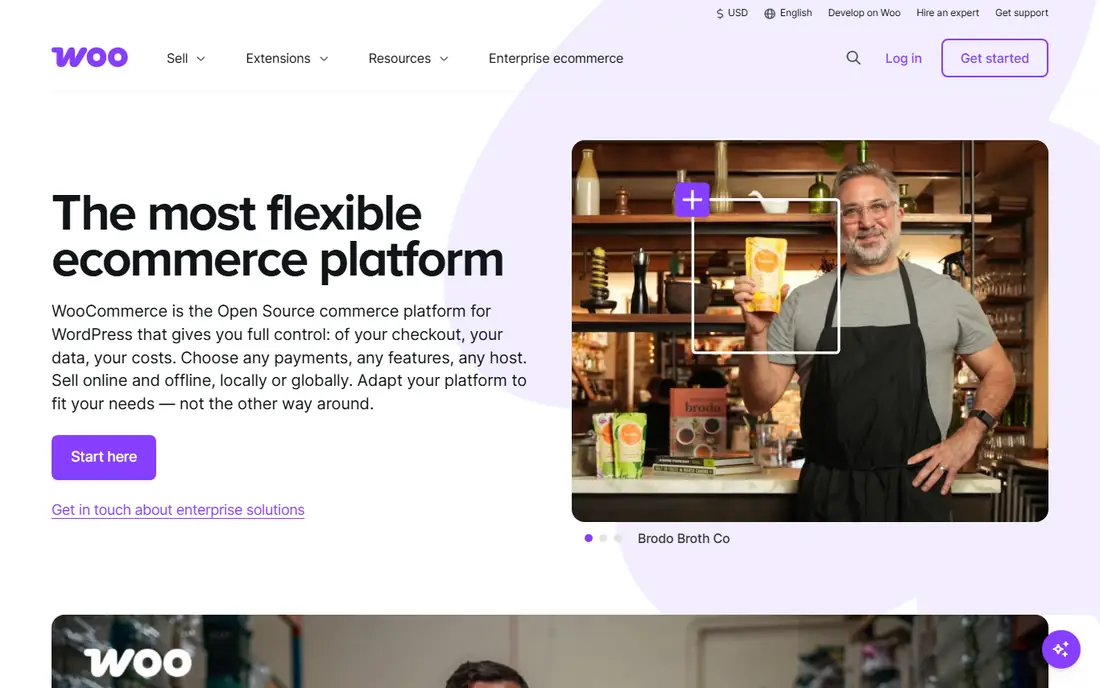
WooCommerce is designed for WordPress-based control. Startups with WordPress skills or content-heavy sites (blogs driving commerce) find it natural. The extension marketplace includes payments, shipping, and subscriptions.
Drawbacks to consider: You handle hosting and updates.
Worth adding: you own the technical burden: hosting, updates, security, backups. Costs shift from subscriptions to hosting and premium extensions. But for startups that value control and already live in WordPress, WooCommerce's adaptability is unmatched. Check the vendor site for WooCommerce pricing; none is listed in this comparison. Free plan details: Not stated.
- Unlimited customization
- Free open-source core
- Costs shift to extensions and hosting

Pick BigCommerce if this describes you: built-in features at scale. The system scales to enterprise without migration. Worth adding: startups with complicated catalogs or B2B ambitions get further before needing apps.
Limits to weigh: Theme ecosystem smaller than Shopify.
For everyday use, the theme and app ecosystem is smaller than Shopify's. And the admin interface assumes more sophistication. BigCommerce shows no starting price here, so confirm the cost on the vendor site. Free access: Not stated.
- No transaction fees
- A decent match for B2B
- Ramp-up time
Shopify works best for best overall for startups. The sheer size of its partner ecosystem means help is always available, from freelancers to agencies, which matters when something breaks at midnight before a launch. Beyond that, costs compound: apps, themes, and transaction fees add up.
Drawbacks to consider: App costs add up.
And customization beyond themes needs developers. But for startups that want to focus on selling rather than software, Shopify removes the most friction. Worth adding: the app store spans nearly every need, the checkout converts well, and the ecosystem of themes, agencies, and freelancers is unmatched. In daily use, most startup keeps never outgrow it. Check the vendor site for Shopify pricing; none is listed in this comparison. Trial and free access: Not stated.
- Easiest to launch and scale
- Huge app store
- Transaction fees without Shopify Payments
Pick Ecwid if this describes you: add a store to any site. The multichannel sync also keeps inventory consistent everywhere you sell. Startups with an established site avoid rebuilding.
Watch-outs: Less of a full website product.
In daily use, the free level handles small catalogs. But for startups that already have a site and just have to start selling, Ecwid is the lowest-friction choice. Ecwid shows no starting price here, so confirm the cost on the vendor site. On free options: Not stated.
- Embeds in any existing site
- Multichannel selling
- Design tied to host site
Our selection method
We compared the tools on published pricing, free plan or trial availability, feature coverage for E-commerce platforms for startups, and the limits each vendor documents. Prices and plan limits come from vendor pages and can change, so confirm them on the vendor site before you buy. The ranking is editorial: typical fit first, then clear pricing, then free access. If your needs are unusual, read the profiles rather than relying on position.
Pre-purchase checklist
- Request quotes from Wix, Ecwid and the others; the list shows no fixed prices.
- Read the limits listed for Wix first: less ecommerce depth.
- Involve the people who will use Wix daily; a short pilot beats a long feature checklist.
- Check how data leaves WooCommerce: formats, limits and whether exports are available on every plan.
- Check whether Shopify bills monthly or annually, and what cancelling early costs.
Frequently asked questions
Can I migrate products later?
Yes, but migration costs time and risks SEO disruption. Product, customer, and order data can be exported and imported, but themes and customizations do not transfer.
What is the best e-commerce system for a new startup?
This list starts with Wix, which fits straightforward small-catalog keeps. For other needs, WooCommerce is aimed at WordPress-based control, and BigCommerce at built-in features at scale. Check each tool's price and main limit first.
Which product is best for dropshipping?
Start with Wix if you need simple small-catalog keeps. WooCommerce is the better match for WordPress-based control, and BigCommerce for built-in features at scale. The best choice depends on budget, team size and workflow.
Does any tool for E-commerce platforms for startups here have a free plan?
A permanent free plan is not offered by Wix, Ecwid or the other tools here. Plan a short evaluation period instead.
Can I try these tools before paying?
Not by default. None of the tools, from Wix to Ecwid, lists a free plan or a free trial here, so ask each vendor for a demo before committing.
How are the tools for E-commerce platforms for startups ordered?
Wix sits first and Ecwid last because the order follows typical fit for E-commerce platforms for startups, then price clarity and free access. It is a judgement call, so read each profile for fit and limits.
Sources
See where you really rank - block by block
ProMapRanker scans Google Maps across a grid of your service area. Simple monthly plans from $19, white-label on every plan.
Start freeKeep reading
 zoho inventory alternatives
6 Alternatives to Zoho Inventory, Compared on Price and Fit
Zoho Inventory alternatives: 6 tools compared on price, free plans and fit. Katana leads the list for manufacturers. Fit and flaws are laid out for each entry.
Read → zoho crm alternatives
Best Zoho CRM Alternatives (2026)
Need Zoho CRM alternatives? We compare 7 tools on cost, free access and who each suits. Every pick gets a straight assessment. Built for quick decisions.
Read → zelle alternatives
Best Zelle Alternatives in 2026
Compare the best Zelle alternatives for sending money to friends, paying sellers and moving funds abroad, with honest notes on fees, speed and safety in 2026.
Read →