 ProMapRanker
Best E-commerce Platforms Comparison in 2026

Key takeaways
- Shopify is the best all round pick for most growing stores in this comparison.
- WooCommerce and PrestaShop suit sellers who want open source control and are willing to manage hosting.
- BigCommerce suits larger catalogues and B2B selling, with no added platform transaction fees.
- Squarespace and Wix suit small, design led stores, while Ecwid suits adding a store to an existing site.
Quick comparison
| Pick | Great for | Pricing starts at | Free tier | |
|---|---|---|---|---|
 Shopify | Most growing stores | $39 per month | Free trial | Visit |
 WooCommerce | WordPress users who want control | Free | Yes | Visit |
 BigCommerce | Larger catalogues and B2B selling | $39 per month | Free trial | Visit |
 Squarespace | Design led small stores | $16 per month | Free trial | Visit |
 Wix | Beginners who want a fast launch | $17 per month | Yes | Visit |
 Ecwid | Adding a store to an existing site | Free | Yes | Visit |
 PrestaShop | Sellers who want open source control | Free | Yes | Visit |
 Shift4Shop | Budget sellers using Shift4 payments | Free | Yes | Visit |
The best e-commerce platforms compared in 2026

Shopify fits sellers who want a hosted store with a large app range. Shopify offers hosted selling, checkout, payments, shipping tools, and a large app marketplace, so most stores can launch without managing servers. That focus matters because it shapes the day to day work, the customers you meet, and the skills that carry weight inside the organisation. Before you shortlist it, read the official product and careers pages, check current openings in your region, and compare the role titles on offer with the work you want to do next.
What stands out is the largest app range here and a checkout that many buyers already trust. In practice, that can mean clearer training, a wider product range to learn, or a steadier pipeline of work, depending on the team and territory. The honest catch is app costs add up, and non Shopify payment gateways can carry extra fees. Ask about territory, quota structure, travel, and support during interviews, and treat any single review or headline as one data point rather than a verdict.
- The largest app range here and a checkout that many buyers already trust
- A recognisable name in its field
- Material that helps you judge fit from official pages
- App costs add up, and non Shopify payment gateways can carry extra fees
- Terms and availability vary by region and plan
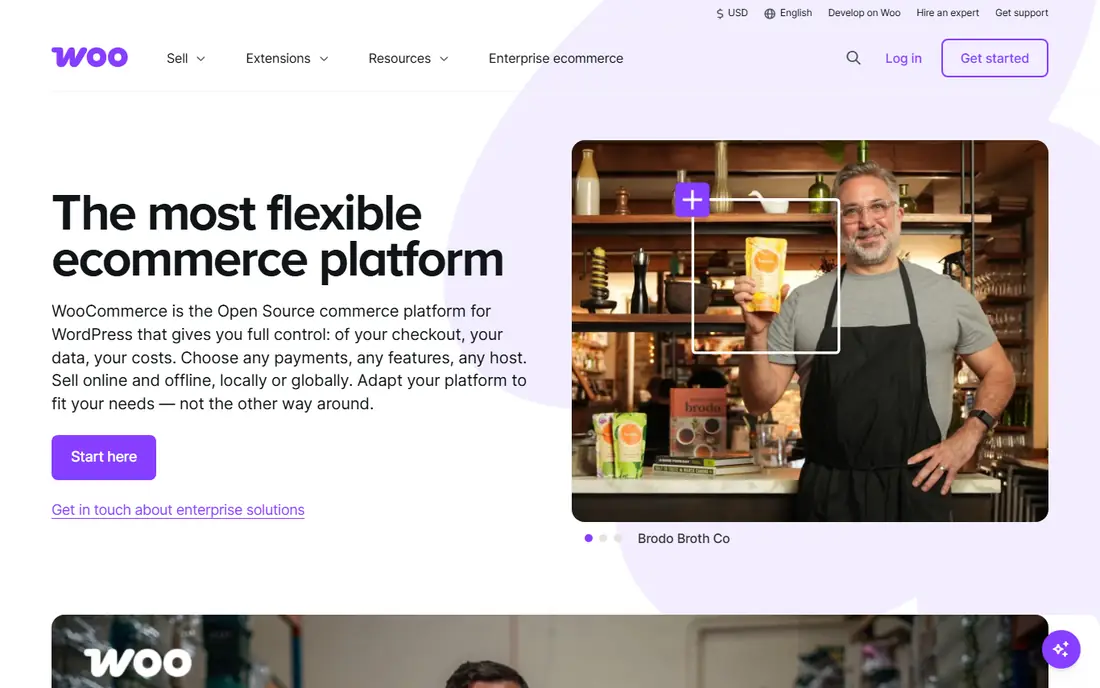
WooCommerce fits WordPress site owners who want full control over their store. WooCommerce is a free WordPress plugin for selling, with paid extensions for payments, shipping, and subscriptions, so you control hosting and design. That focus matters because it shapes the day to day work, the customers you meet, and the skills that carry weight inside the organisation. Before you shortlist it, read the official product and careers pages, check current openings in your region, and compare the role titles on offer with the work you want to do next.
What stands out is full control over data, design, and extensions. In practice, that can mean clearer training, a wider product range to learn, or a steadier pipeline of work, depending on the team and territory. The honest catch is you pay for hosting and upkeep, and you need to manage updates and security yourself. Ask about territory, quota structure, travel, and support during interviews, and treat any single review or headline as one data point rather than a verdict.
- Full control over data, design, and extensions
- A recognisable name in its field
- Material that helps you judge fit from official pages
- You pay for hosting and upkeep, and you need to manage updates and security yourself
- Terms and availability vary by region and plan
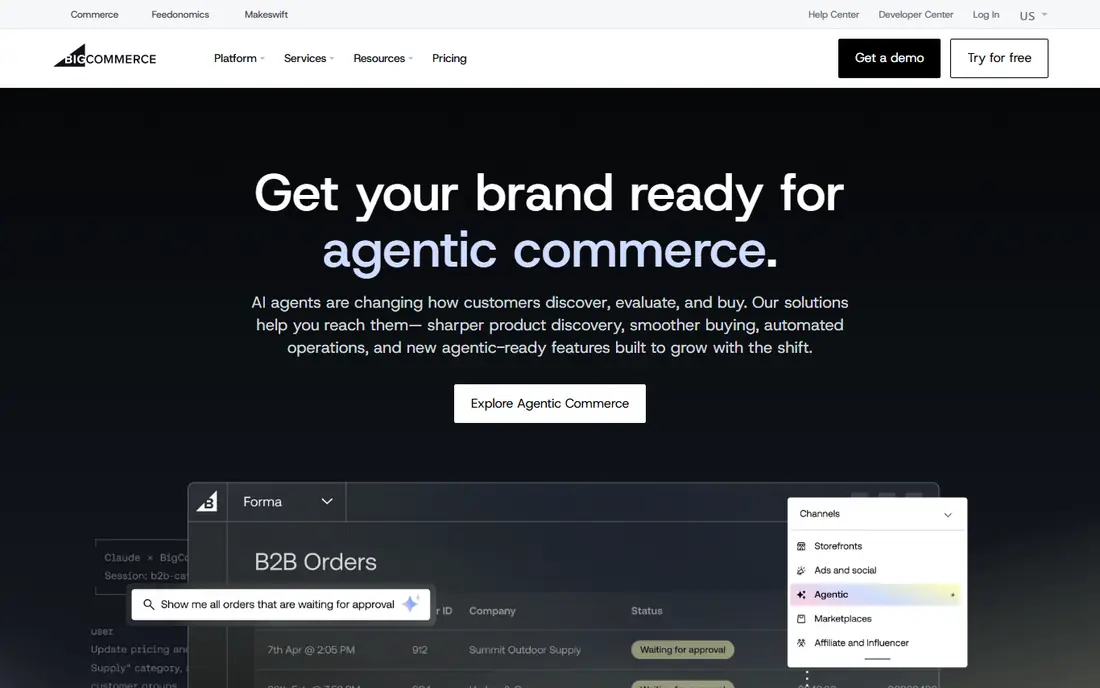
BigCommerce fits sellers with large catalogues or B2B buyers. BigCommerce offers hosted selling with no added platform transaction fees, plus B2B tools and multi currency selling for growing firms. That focus matters because it shapes the day to day work, the customers you meet, and the skills that carry weight inside the organisation. Before you shortlist it, read the official product and careers pages, check current openings in your region, and compare the role titles on offer with the work you want to do next.
What stands out is no added platform transaction fees and strong built in B2B features. In practice, that can mean clearer training, a wider product range to learn, or a steadier pipeline of work, depending on the team and territory. The honest catch is theme and app choice is smaller than Shopify, so check extensions before you migrate. Ask about territory, quota structure, travel, and support during interviews, and treat any single review or headline as one data point rather than a verdict.
- No added platform transaction fees and strong built in B2B features
- A recognisable name in its field
- Material that helps you judge fit from official pages
- Theme and app choice is smaller than Shopify, so check extensions before you migrate
- Terms and availability vary by region and plan
Squarespace fits creatives and small brands that value design. Squarespace offers templates, a website builder, and commerce tools in one plan, so a small store can look polished without a designer. That focus matters because it shapes the day to day work, the customers you meet, and the skills that carry weight inside the organisation. Before you shortlist it, read the official product and careers pages, check current openings in your region, and compare the role titles on offer with the work you want to do next.
What stands out is polished templates and a simple all in one setup. In practice, that can mean clearer training, a wider product range to learn, or a steadier pipeline of work, depending on the team and territory. The honest catch is commerce features are simpler than Shopify or BigCommerce, so large catalogues may feel limited. Ask about territory, quota structure, travel, and support during interviews, and treat any single review or headline as one data point rather than a verdict.
- Polished templates and a simple all in one setup
- A recognisable name in its field
- Material that helps you judge fit from official pages
- Commerce features are simpler than Shopify or BigCommerce, so large catalogues may feel limited
- Terms and availability vary by region and plan
Wix fits small firms that want drag and drop building. Wix offers a drag and drop builder, templates, and commerce plans, so a small shop can launch quickly without code. That focus matters because it shapes the day to day work, the customers you meet, and the skills that carry weight inside the organisation. Before you shortlist it, read the official product and careers pages, check current openings in your region, and compare the role titles on offer with the work you want to do next.
What stands out is a fast, visual setup for small shops. In practice, that can mean clearer training, a wider product range to learn, or a steadier pipeline of work, depending on the team and territory. The honest catch is scaling to a large catalogue or complex selling rules can be harder than on Shopify. Ask about territory, quota structure, travel, and support during interviews, and treat any single review or headline as one data point rather than a verdict.
- A fast, visual setup for small shops
- A recognisable name in its field
- Material that helps you judge fit from official pages
- Scaling to a large catalogue or complex selling rules can be harder than on Shopify
- Terms and availability vary by region and plan
Ecwid fits site owners who want to add selling to a current site. Ecwid lets you add a store to an existing website or social page, with a free plan for a small catalogue. That focus matters because it shapes the day to day work, the customers you meet, and the skills that carry weight inside the organisation. Before you shortlist it, read the official product and careers pages, check current openings in your region, and compare the role titles on offer with the work you want to do next.
What stands out is an easy way to add commerce without rebuilding your site. In practice, that can mean clearer training, a wider product range to learn, or a steadier pipeline of work, depending on the team and territory. The honest catch is the free plan limits products, so growing stores need a paid plan. Ask about territory, quota structure, travel, and support during interviews, and treat any single review or headline as one data point rather than a verdict.
- An easy way to add commerce without rebuilding your site
- A recognisable name in its field
- Material that helps you judge fit from official pages
- The free plan limits products, so growing stores need a paid plan
- Terms and availability vary by region and plan
PrestaShop fits sellers who want open source software and module choice. PrestaShop is open source commerce software with a module marketplace, so you can shape the store and choose your hosting. That focus matters because it shapes the day to day work, the customers you meet, and the skills that carry weight inside the organisation. Before you shortlist it, read the official product and careers pages, check current openings in your region, and compare the role titles on offer with the work you want to do next.
What stands out is open source control and a wide module range. In practice, that can mean clearer training, a wider product range to learn, or a steadier pipeline of work, depending on the team and territory. The honest catch is you manage hosting, updates, and module costs, so technical skill matters. Ask about territory, quota structure, travel, and support during interviews, and treat any single review or headline as one data point rather than a verdict.
- Open source control and a wide module range
- A recognisable name in its field
- Material that helps you judge fit from official pages
- You manage hosting, updates, and module costs, so technical skill matters
- Terms and availability vary by region and plan
Shift4Shop fits sellers who want a free plan tied to Shift4 payments. Shift4Shop offers hosted selling with a free plan when you use Shift4 payments, plus built in SEO and product tools. That focus matters because it shapes the day to day work, the customers you meet, and the skills that carry weight inside the organisation. Before you shortlist it, read the official product and careers pages, check current openings in your region, and compare the role titles on offer with the work you want to do next.
What stands out is a free hosted option for sellers who use Shift4 payments. In practice, that can mean clearer training, a wider product range to learn, or a steadier pipeline of work, depending on the team and territory. The honest catch is the free plan depends on that payment choice, so compare processor costs first. Ask about territory, quota structure, travel, and support during interviews, and treat any single review or headline as one data point rather than a verdict.
- A free hosted option for sellers who use Shift4 payments
- A recognisable name in its field
- Material that helps you judge fit from official pages
- The free plan depends on that payment choice, so compare processor costs first
- Terms and availability vary by region and plan
How we picked these
We compared official feature and pricing pages, app store listings where relevant, privacy and support pages, and public reviews. We kept only services that were live in October 2026 and that matched the topic closely. We did not claim hands-on testing, and we did not invent prices, awards, user counts, or ratings. Where a price was not clearly published on the vendor site, we wrote See website so you can confirm the current figure before you commit.
How to pick a platform from this comparison
Decide how much control you want. Hosted platforms such as Shopify, BigCommerce, Squarespace, and Wix handle hosting and security for you, while open source options such as WooCommerce and PrestaShop give you control but add upkeep. If you have no developer help, a hosted platform is usually the safer start.
Then compare total cost, not just the monthly plan. Add payment processing, apps or modules, themes, and any transaction fees. A low monthly plan can become costly once you add the tools you need, while a higher plan may include features that would otherwise be paid extras. Run the same product count and sales volume through each shortlisted platform.
Finally, test the parts buyers see. Build a product page, run a test checkout, and check mobile speed, shipping options, and discount rules. A platform that feels easy in a demo can still frustrate buyers at checkout, so test with real products and real shipping settings before you migrate a live store.
Frequently asked questions
Which e-commerce platform is best overall?
Shopify is the best overall pick in this comparison for most growing stores, because it combines hosted selling, a trusted checkout, and a large app range. WooCommerce is better if you already run WordPress and want full control.
Which platform is cheapest to start?
WooCommerce, PrestaShop, Ecwid, and Big Cartel all offer free starting options, but you still pay for hosting, a domain, or payment processing in most cases. Compare total cost for your product count rather than the headline plan price alone.
Is Shopify better than WooCommerce?
Shopify is easier to run because hosting and security are handled for you, while WooCommerce gives you more control over data and design. Choose Shopify for speed and simplicity, and WooCommerce for control and WordPress integration.
Which platform is best for B2B selling?
BigCommerce is the strongest B2B pick here, because it includes B2B tools and multi currency selling without added platform transaction fees. Check its customer group and pricing features against your exact B2B workflow before you commit.
Can I switch platforms later?
You can switch, but migration takes work: products, customers, orders, redirects, and SEO settings all need care. Pick a platform you can grow with for at least two years, and keep your domain and customer data in your own control.
Sources
See where you really rank - block by block
ProMapRanker scans Google Maps across a grid of your service area. Simple monthly plans from $19, white-label on every plan.
Start freeKeep reading
 zscaler alternatives
Best Zscaler Alternatives in 2026
Looking for zscaler alternatives? We compare 9 SASE and zero trust platforms on architecture, data protection, pricing, and fit for your network and team.
Read → zapier alternatives free
Best Zapier Alternatives Free in 2026
Nine automation tools for zapier alternatives free in 2026, all with genuinely free tiers, plus free plan limits, starting prices and upgrade paths explained.
Read → which platform is best for online reputation
Which Platform Is Best for Online Reputation in 2026
Wondering which platform is best for online reputation? We compare 8 review, listing, and response tools for small and multi-location businesses and agencies.
Read →