 ProMapRanker
Best Dropshipping Platforms in 2026

Key takeaways
- Your store platform and your supplier app are two separate choices, and both affect shipping speed and profit.
- US and EU suppliers usually cost more per item but ship faster than long-distance suppliers.
- Automation saves time on price and stock checks, but it does not fix poor product quality or slow suppliers.
- Start with a small catalog, order samples, and check delivery times before spending heavily on ads.
Quick comparison
| Pick | Great for | Pricing starts at | Free tier | |
|---|---|---|---|---|
 Shopify | Starting a dropshipping store fast | $29 per month | Free trial | Visit |
 WooCommerce | Control and low software cost on WordPress | Free | Yes | Visit |
 BigCommerce | Growing stores with built-in features | $29 per month | Free trial | Visit |
 Spocket | US and EU suppliers for faster shipping | $39.99 per month | Yes | Visit |
 AutoDS | Automation across many suppliers | $26.90 per month | Free trial | Visit |
 DSers | AliExpress order management at low cost | Free | Yes | Visit |
 Zendrop | Branding and US fulfillment options | $29 per month | Yes | Visit |
 CJ Dropshipping | Sourcing, warehousing, and custom packaging | Free | Yes | Visit |
The best dropshipping platforms
We compared store platforms that host a dropshipping store and supplier tools that import products and route orders. The best combination depends on where your customers live, how much automation you need, and how much you want to pay each month before you make a sale.

For many buyers, Shopify is the first name that comes up, and there is a reason for that. Shopify is the most common starting point for a dropshipping store because it is hosted and ready to sell quickly. Themes, checkout, payments, and sales channels are built in, and dropshipping apps connect directly to the catalog.
The catch is app stacking, since supplier, review, and marketing apps can push the monthly bill well above the base plan. Before you commit, check the current plan details, any contract or cancellation terms, and what is included at the price shown on the vendor site. If that fit matches your routine and your budget, Shopify is a sensible shortlist pick. If it does not, one of the other options below may suit you better.
- Large app store for dropshipping tools
- Hosted checkout and payments
- Many themes and sales channels
- Monthly cost grows as paid apps are added
- Transaction fees apply with some payment providers
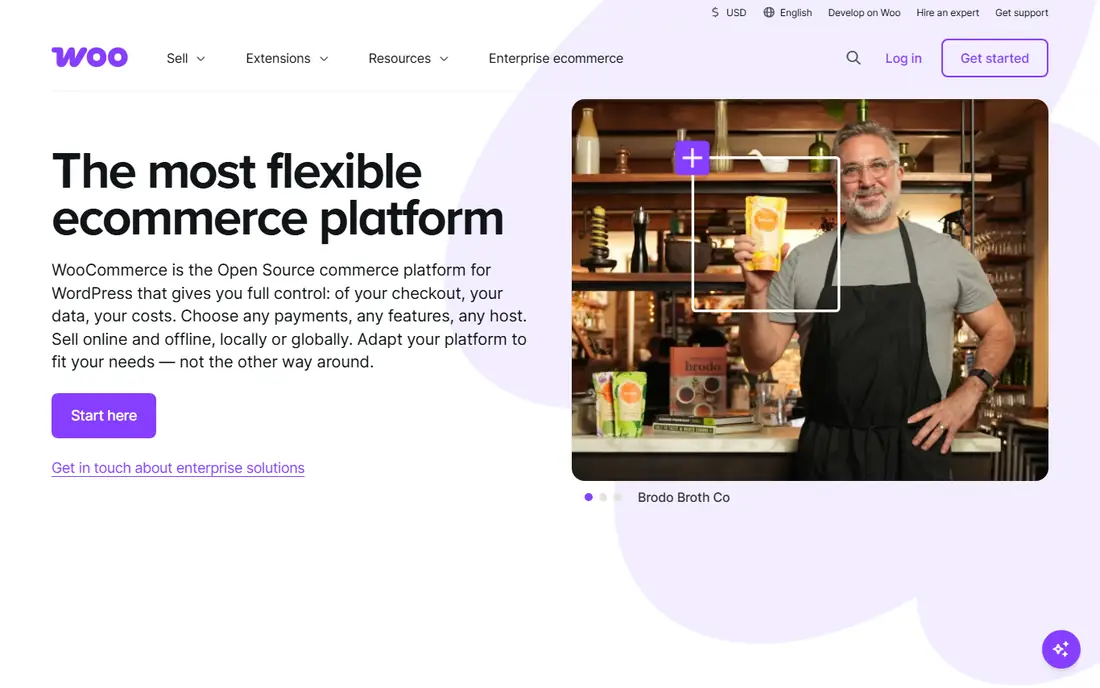
If your priority is Control and low software cost on WordPress, WooCommerce deserves a close look before you decide. WooCommerce suits sellers who already use WordPress or who want full control over their store. The core plugin is free, and you can choose hosting, payment providers, and extensions to fit your budget.
The catch is maintenance, since updates, backups, and security become your job rather than a hosted platform job. Before you commit, check the current plan details, any contract or cancellation terms, and what is included at the price shown on the vendor site. If that fit matches your routine and your budget, WooCommerce is a sensible shortlist pick. If it does not, one of the other options below may suit you better.
- Free core plugin
- Full control over hosting and data
- Huge WordPress plugin range
- You pay for hosting and manage updates and security
- Setup takes more time
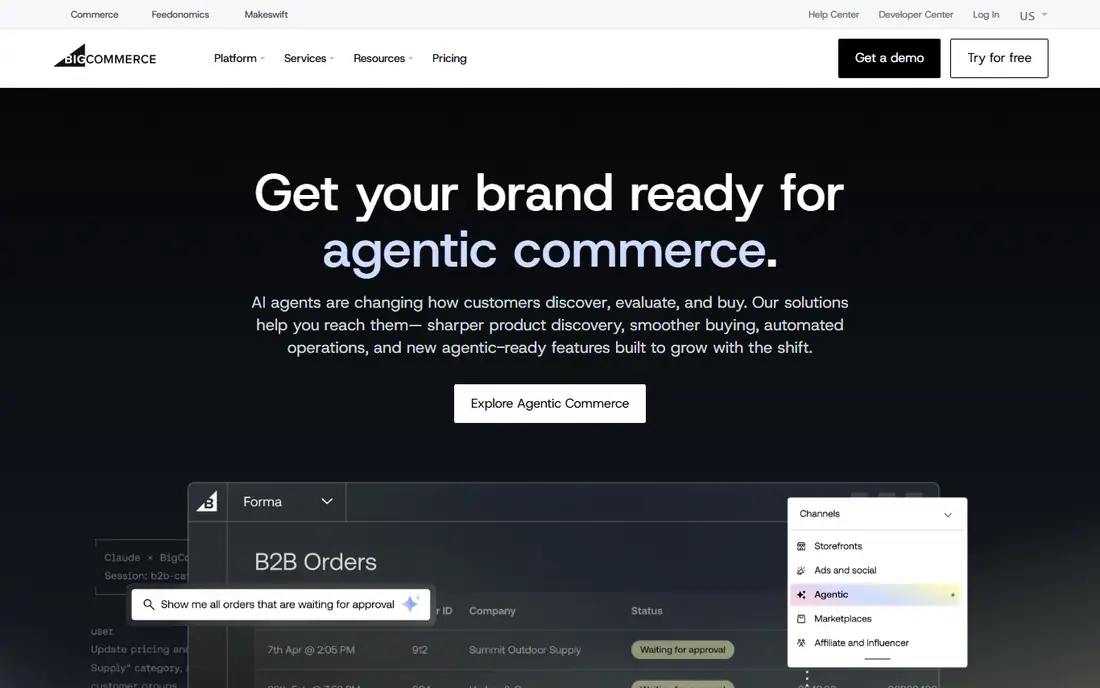
BigCommerce suits buyers who want a clear trade between price, features, and effort. BigCommerce suits sellers who want more features without adding many apps. Built-in product, discount, and channel tools reduce the need for extra paid tools at the start.
The catch is scale limits, since plan tiers are tied to sales volume and a growing store may need to move up a tier. Before you commit, check the current plan details, any contract or cancellation terms, and what is included at the price shown on the vendor site. If that fit matches your routine and your budget, BigCommerce is a sensible shortlist pick. If it does not, one of the other options below may suit you better.
- Many built-in selling features
- No extra platform transaction fee on its own terms
- Multi-channel selling
- Smaller dropshipping app range than Shopify
- Plan limits rise with sales volume
Start with Spocket if you want a practical option without a long setup process. Spocket is built for sellers who want faster delivery to US and EU customers. Its supplier catalog leans toward the US and Europe, which can shorten delivery times and reduce customer complaints.
The catch is product cost, since faster shipping and closer suppliers often mean a thinner margin per order. Before you commit, check the current plan details, any contract or cancellation terms, and what is included at the price shown on the vendor site. If that fit matches your routine and your budget, Spocket is a sensible shortlist pick. If it does not, one of the other options below may suit you better.
- US and EU supplier focus
- Branded invoicing on paid plans
- Direct Shopify and WooCommerce links
- Higher product costs than many overseas suppliers
- Free plan limits imports
We put AutoDS on this list because it answers a specific need well. AutoDS suits sellers who manage many products and want price and stock changes tracked for them. It can import from several sources, monitor supplier changes, and route orders with less manual work.
The catch is plan limits, since product counts and channels decide which tier you need as the store grows. Before you commit, check the current plan details, any contract or cancellation terms, and what is included at the price shown on the vendor site. If that fit matches your routine and your budget, AutoDS is a sensible shortlist pick. If it does not, one of the other options below may suit you better.
- Price and stock monitoring
- Bulk import
- Automation across several supplier sources
- No free plan
- Pricing rises with product and channel limits
DSers is worth shortlisting when AliExpress order management at low cost matters more than having every extra feature. DSers is the low-cost starting point for AliExpress dropshipping. Its bulk ordering and tracking sync save time when order volume rises, and the free plan covers basic use.
The catch is supplier risk, since AliExpress shipping times and stock accuracy vary widely by seller. Before you commit, check the current plan details, any contract or cancellation terms, and what is included at the price shown on the vendor site. If that fit matches your routine and your budget, DSers is a sensible shortlist pick. If it does not, one of the other options below may suit you better.
- Free basic plan
- Bulk ordering for AliExpress
- Tracking sync to the store
- AliExpress focus only
- Shipping times depend on the supplier, not the app
Among the options here, Zendrop stands out for a simple reason: it is easy to understand what you get. Zendrop suits sellers who want a more branded unboxing experience than a plain supplier parcel. Custom packaging, product sourcing help, and fulfillment automation sit in one tool.
The catch is the free tier limit, since real selling needs a paid plan once products are linked. Before you commit, check the current plan details, any contract or cancellation terms, and what is included at the price shown on the vendor site. If that fit matches your routine and your budget, Zendrop is a sensible shortlist pick. If it does not, one of the other options below may suit you better.
- Custom packaging and branding options
- US supplier options
- Automated fulfillment tools
- Free plan does not link products
- Paid tiers rise with linked product count
Consider CJ Dropshipping if you want a dependable choice for everyday use. CJ Dropshipping suits sellers who want sourcing help and warehousing without a monthly software fee. You can request products, store stock in regional warehouses, and add custom packaging for repeat orders.
The catch is variable cost, since product, shipping, and service fees add up order by order and need careful margin checks. Before you commit, check the current plan details, any contract or cancellation terms, and what is included at the price shown on the vendor site. If that fit matches your routine and your budget, CJ Dropshipping is a sensible shortlist pick. If it does not, one of the other options below may suit you better.
- Free to join
- Sourcing requests
- Warehouses in several regions
- Custom packaging options
- You pay per product and service
- Delivery times vary by warehouse and product
How we picked these
We compared official pricing pages and app store listings for each platform and tool, and we focused on current availability, supplier reach, and automation features. We favored tools that clearly state plan limits and supplier regions, and we left out closed tools and tools that only served one closed marketplace. We did not claim hands-on sales results, since profit depends on product choice, pricing, and ad costs.
How to choose a dropshipping platform without wasting money
Separate the store from the supplier. The store platform handles your website, checkout, and payments, while the supplier tool handles product import, order routing, and tracking. A good store with a slow supplier still leads to refunds, and a fast supplier on a confusing store still loses sales. Check both parts before you commit to a monthly plan, and start with a free plan or trial where one is offered.
Shipping, margins, and samples
Shipping time is often the deciding factor. US and EU suppliers usually ship faster but charge more, while overseas suppliers often charge less but take longer. Work out your margin after product cost, shipping, payment fees, platform fees, and ad spend. Order samples of your top products so you can check quality, packaging, and real delivery time before you scale.
Automation and support
Automation matters most once you pass a handful of daily orders. Price monitoring, stock sync, and bulk ordering prevent overselling and stale prices. Also check support hours, return handling, and who answers when a supplier fails to ship. A tool with clear return rules and responsive support saves more money than a slightly cheaper tool with slow help.
Frequently asked questions
What is the best dropshipping platform for beginners?
Shopify is the simplest starting point for most beginners because it is hosted and has many dropshipping apps. WooCommerce suits beginners who already know WordPress and want lower software costs. Start on a free plan or trial and add paid tools only when sales justify them.
Do I need a paid dropshipping app to start?
No, DSers and CJ Dropshipping both offer free starting options, and Spocket and Zendrop have limited free tiers. Paid plans become useful when you need more products, automation, or branding. Keep fixed costs low until you have steady orders.
Which platform is best for fast shipping?
Supplier location matters more than the store platform. Spocket, Zendrop, and CJ Dropshipping offer US or regional warehouse options that can shorten delivery. Always check the actual shipping time for each product, since supplier claims can vary.
Is dropshipping still worth it in 2026?
It can work for sellers who pick products with a real margin, verify suppliers, and handle customer service well. It is a poor fit for sellers who rely only on low prices or who cannot handle returns and slow deliveries. Treat supplier quality as the main risk, not the store theme.
What costs should I budget beyond the platform fee?
Budget for product cost, shipping, payment processing, apps, and advertising. Returns, refunds, and chargebacks also affect profit. Build a simple spreadsheet for one product before you launch, so a thin margin is visible early.
Can I use more than one supplier tool?
Yes, many stores use one main supplier tool and add a second for a specific region or product type. Keep the catalog simple at first, since each extra tool adds plan costs and support work. Add a second tool only when it solves a clear shipping or sourcing gap.
Sources
See where you really rank - block by block
ProMapRanker scans Google Maps across a grid of your service area. Simple monthly plans from $19, white-label on every plan.
Start freeKeep reading
 zendesk alternatives
Best Zendesk Alternatives in 2026
Compare the best Zendesk alternatives in 2026, from budget help desks to AI-first support tools, with current pricing, free plans, and honest trade-offs.
Read → wordpress alternatives
Best WordPress Alternatives in 2026
Looking for the best WordPress alternatives? We compare 8 free and paid options for blogs, business sites, stores, and developer-led projects in 2026.
Read → which real estate company has the best training
Best Real Estate Company Training in 2026
Compare which real estate company has the best training, from Keller Williams and eXp to Compass and Coldwell Banker, by program, mentor, and fit in 2026.
Read →