 ProMapRanker
Best Driving Apps to Make Money in 2026

Key takeaways
- Earnings vary by city, hours and demand, and driving income is side income for most people, not a guaranteed wage.
- Rideshare apps such as Uber and Lyft suit drivers who like passenger trips, while delivery apps suit drivers who prefer solo drop-offs.
- Grocery and retail apps such as Instacart, Shipt and Spark Driver add shopping work to the driving job, which changes the pace of each trip.
- Package apps such as Amazon Flex and Roadie pay by block or by gig, so planning and route choice matter more than hours online.
- Check vehicle rules, background checks, insurance and local requirements in your city before you sign up for any app here.
Quick comparison
| Pick | Great for | Pricing starts at | Free tier | |
|---|---|---|---|---|
 Uber Driver | Rideshare in busy cities | Free | Yes | Visit |
 Lyft Driver | Rideshare with scheduled rides | Free | Yes | Visit |
 DoorDash | High-volume food delivery | Free | Yes | Visit |
 Instacart Shopper | Grocery shopping and delivery | Free | Yes | Visit |
 Amazon Flex | Package delivery blocks | Free | Yes | Visit |
 Spark Driver | Walmart and retail delivery | Free | Yes | Visit |
 Shipt | Grocery and retail shopping | Free | Yes | Visit |
 Grubhub | Restaurant delivery | Free | Yes | Visit |
 Roadie | Larger and local deliveries | Free | Yes | Visit |
The best driving apps to make money
Driving apps all promise flexible work, but the work itself differs a lot. Some apps put passengers in your car, others put groceries in your trunk, and package apps ask you to follow a set route for a set block of time. This guide compares the main US options for drivers, with a plain note up front: earnings vary by city, hours and demand, and this is side income, not a guaranteed wage.
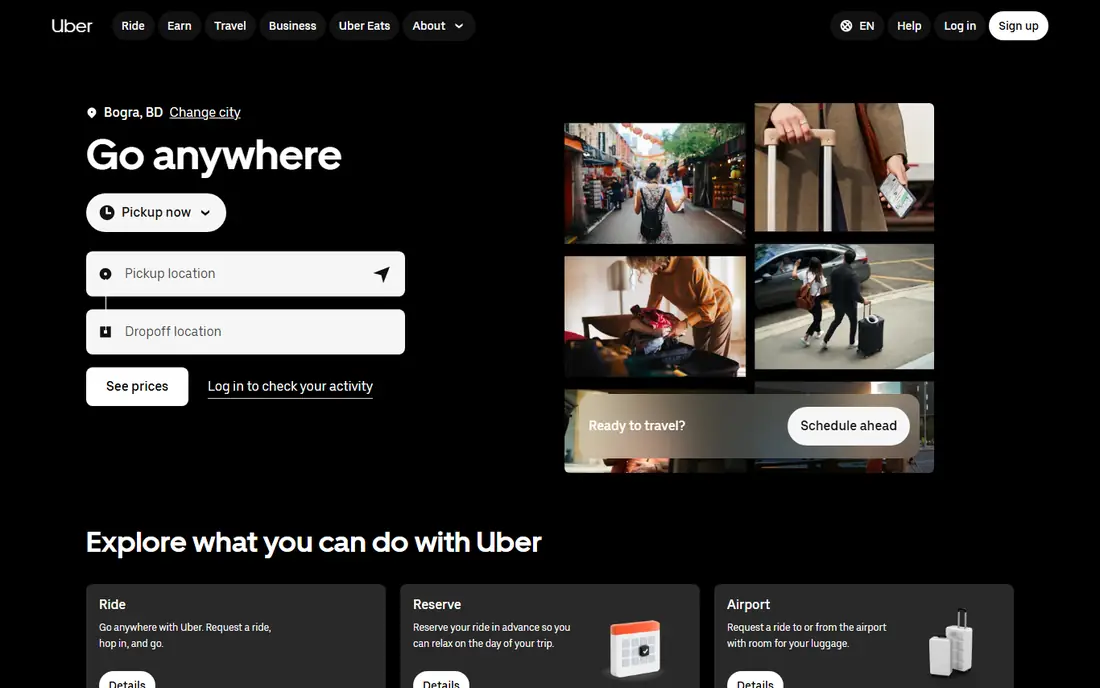
Uber Driver is the largest rideshare option in the US, and that scale is its main advantage. In a busy city, trip requests arrive often, especially at peak times, and drivers can also switch to Uber Eats delivery from the same account in many markets. That flexibility helps when passenger demand is slow.
The downside is the same as for every gig app: income is uneven. A good Friday night is not a typical Tuesday afternoon, and fuel, maintenance and insurance come out of what you earn. Check the driver requirements for your city, including vehicle age and background checks, before you count on Uber as a regular income source.
- Large rider demand in most US cities
- Uber Eats delivery in the same driver app
- Scheduled rides and trip previews in many markets
- Pay varies sharply by time and place
- Vehicle and background requirements apply
- Waiting time between trips is unpaid in most cases
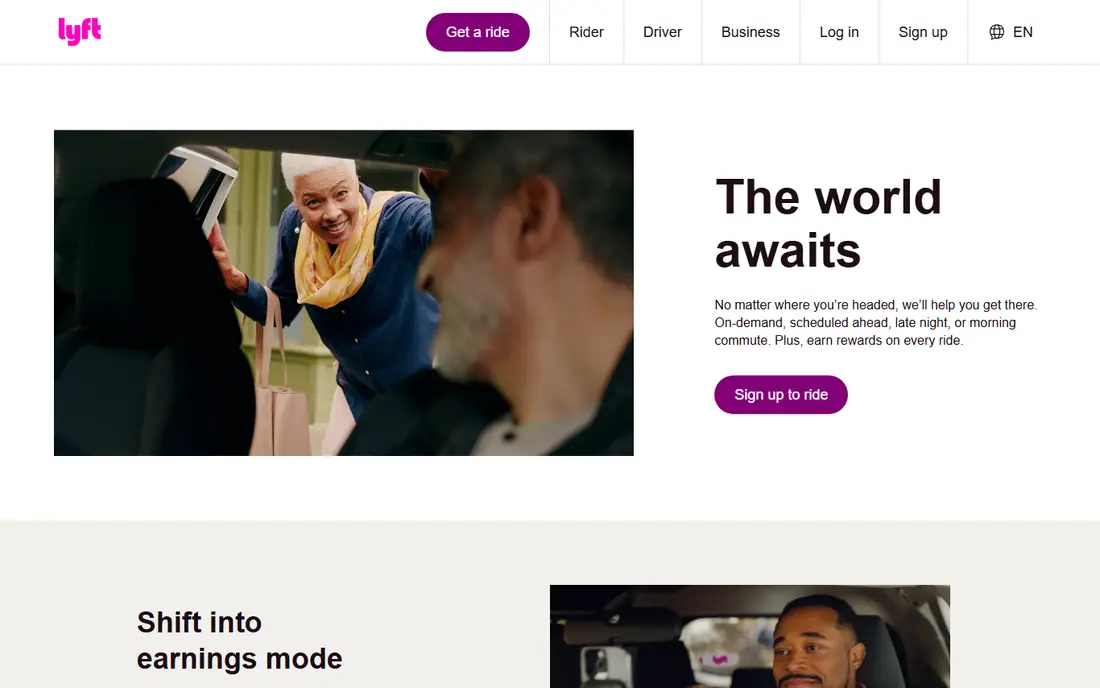
Lyft Driver is the main alternative to Uber for passenger work, and many drivers run both apps to cut waiting time. Scheduled rides are a useful feature, because they let you plan around a known pickup rather than waiting for requests to appear. Bonuses and tipping add to base fares in many markets, though neither is guaranteed.
Coverage is the catch. In some cities Lyft demand is strong, and in others it is clearly second to Uber. That is why pairing apps is common, and why a driver's results in one city say little about another city. Read the local driver terms and vehicle rules, and treat early weeks as a test of your market.
- Scheduled rides help plan a driving shift
- In-app tipping and bonuses in many markets
- A second large rideshare network to pair with Uber
- Demand is thinner than Uber in some cities
- Pay still varies by hour and place
- Passenger work brings its own safety and comfort issues
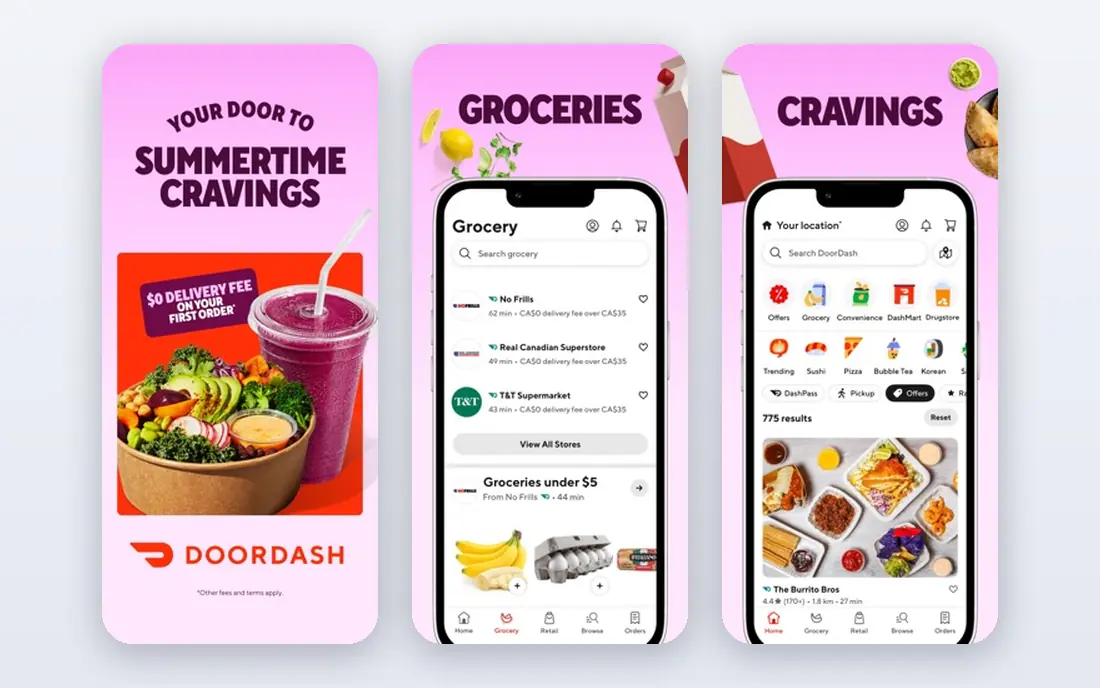
DoorDash is the largest food delivery app in the US by order volume, and that volume is what drivers notice first. Orders come through often in busy areas, and the app also covers grocery and retail orders in many markets. For a driver who wants frequent, short trips without passengers, DoorDash is a natural starting point.
The work is stop-start by nature. Waiting at a restaurant, parking, and short drives between stops all eat into the hour, and tips make up a large share of the total on many orders. Treat any single good shift as a good shift, not as a rate you can bank on, and track your mileage and costs from day one.
- High order volume in many areas
- Food, grocery and retail delivery in one app
- Dash scheduling and instant pay options in many markets
- Short trips and waiting at restaurants cut into hourly results
- Tips vary a lot
- Vehicle costs fall on the driver
Instacart Shopper is different from a pure delivery app because full-service shoppers pick the groceries as well as delivering them. That extra work can pay off on larger orders, where tips tend to be higher, and it suits drivers who like a slower, more careful pace than food delivery. In-store shoppers are a separate role in some areas, so check which role is open near you.
The pressure comes from the shopping itself. Finding items, handling substitutions and messaging customers all take time, and a difficult batch can run long. If you enjoy grocery shopping and you know your local stores well, Instacart can work nicely. If you prefer driving only, a delivery-only app may suit you better.
- Larger baskets can mean larger tips
- Full-service shopping adds work beyond driving
- Flexible batch choice in many markets
- Shopping takes time and care
- Substitutions and customer messages add pressure
- Batch pay varies by store and area
Amazon Flex pays drivers to pick up packages from a station and deliver them in a set block of time. The block model appeals to drivers who like a clear start and end, rather than waiting for one order at a time. There are no passengers, no food to keep hot, and the route is planned before you leave.
Blocks can be hard to get in some areas, and the work itself varies: a suburban route with driveways is very different from a dense apartment route with stairs and access codes. The app shows a payout range for a block, not a promise, and your own fuel and vehicle costs still apply. Check station locations near you before signing up.
- Set delivery blocks with a stated payout range
- Package work without passengers or food handling
- Stations in many metro areas
- Blocks are competitive and can be scarce
- Routes vary in length and difficulty
- Payouts are shown as ranges, not guarantees
Spark Driver is Walmart's delivery platform, and it covers grocery and general retail orders from Walmart stores. Drivers see order details before accepting in many markets, which helps with planning, and both delivery-only and shopping-plus-delivery work exist depending on the area. For drivers near a busy Walmart, it can be a steady second app.
The limit is geography. If Walmart stores near you are few or already well covered by drivers, orders and waitlists become an issue. Store layout and pickup speed also affect how many orders you can complete in an hour. Pairing Spark Driver with a food or rideshare app is a common way to fill quiet gaps.
- Walmart grocery and retail orders
- Order offers shown before acceptance in many markets
- Delivery and shopping roles available
- Availability depends on Walmart coverage near you
- Order quality varies by store and time
- Waitlists apply in some areas
Shipt shoppers pick and deliver grocery and retail orders, with Target as a well-known partner in many markets. Shoppers typically choose orders from a list rather than being assigned one after another, which gives more control over which stores and basket sizes you take. Repeat customers and good service can help tips over time.
As with Instacart, shopping speed matters. Knowing a store layout, handling substitutions well and communicating clearly all affect how many orders fit in a shift. If you are new to shopping work, start with smaller baskets and build up, and check which retailers Shipt covers in your city before you apply.
- Target and grocery orders in many markets
- Shoppers choose orders from an available list
- Membership model can bring repeat customers
- Order availability varies by area
- Shopping skill affects speed and tips
- Delivery windows add time pressure
Grubhub is a long-running restaurant delivery app, and it remains a useful option in cities where its restaurant coverage is strong. Scheduled blocks in many markets let drivers plan shifts in advance, and the app's pay model includes tips plus a contribution element in some areas, though the details vary by market and change over time.
The main question is local coverage. In some neighbourhoods Grubhub orders flow well, and in others DoorDash or Uber Eats will be busier. That is why drivers often test two delivery apps in the same area before settling on a routine. Check the current pay terms for your market in the app, rather than relying on older guides.
- Restaurant delivery with scheduled blocks in many markets
- Tips and contribution pay in some areas
- A long-running delivery network
- Coverage is thinner than DoorDash in some cities
- Block scheduling can limit spontaneity
- Order volume varies by neighbourhood
Roadie covers deliveries that do not fit the food app model, including larger items and local business deliveries. Drivers browse gigs, see the route and payout, and choose the ones that fit their vehicle and schedule. That choice is appealing for drivers with a larger car, SUV or truck who want something different from restaurant runs.
Volume is the limit. Roadie gigs are less frequent than food orders in most areas, so it works best as a second app rather than a sole income source. Read each gig carefully, including size, stairs and timing, because a large item that does not fit your vehicle wastes a trip for everyone.
- Larger items and local deliveries beyond food
- Gig choice by route and payout
- A UPS-owned network for bigger loads
- Gigs can be sparse outside busy areas
- Larger items may need a bigger vehicle
- Pay varies widely by gig size
How we picked these
We compared official driver pages and help material for US rideshare and delivery apps that are live in October 2026, and we favoured apps with broad coverage, a clear driver sign-up path, and a distinct kind of work. We did not claim hands-on driving for these apps, and we did not promise earnings figures, because pay varies by city, hours and demand. Where pay data appears in public sources, it reflects a specific place and period, not a rate any driver can expect.
What to check before you drive
Start with your car, your licence and your insurance. Each app sets vehicle age, background check and insurance rules, and some cities add their own requirements for rideshare drivers. Read those rules for your city before you apply, and confirm what your personal auto policy covers while you are driving for an app, because gig work can fall outside a standard policy.
Next, track your real costs. Fuel, tyres, maintenance, depreciation and taxes all come out of gross pay, and a shift that looks good before costs can look thin after them. Keep a mileage log, set aside money for taxes, and compare apps on net results over several weeks, not on one good night.
Finally, plan your hours around demand in your area. Lunch and dinner peaks suit food delivery, evenings and weekends suit rideshare, and grocery peaks often fall around weekends and holidays. Try two apps in the same area for a few weeks, keep notes on waiting time and trip length, and keep the app that fits your car, your schedule and your tolerance for passenger or shopping work.
Frequently asked questions
What is the best driver app to make money?
There is no single best app, because earnings vary by city, hours and demand. Rideshare apps suit busy cities with strong passenger demand, while delivery apps suit drivers who prefer solo trips. Many drivers run two apps and compare net results over several weeks before settling on a routine.
Can driving apps replace a full-time job?
For most people, driving apps work best as side income rather than a guaranteed wage. Pay is uneven, costs fall on the driver, and demand changes by season and area. Anyone considering full-time driving should track net pay after fuel, maintenance and taxes for at least a month first.
Do I need a special car to drive for these apps?
Requirements vary by app and city, and most apps set rules on vehicle age, condition and background checks. Rideshare apps tend to be stricter on vehicle age, while delivery apps often accept a wider range of cars. Larger Roadie gigs may need a bigger vehicle, so check the gig details before accepting.
Is Uber or Lyft better for drivers?
It depends on your city. Uber usually has larger rider demand, while Lyft can offer scheduled rides and a different bonus structure. Many drivers use both apps to reduce waiting time, and the better app in your area is the one with steadier requests during the hours you actually drive.
How do delivery apps pay drivers?
Delivery pay usually combines a base amount, tips and occasional bonuses or promotions, and the mix varies by app and market. Some apps show an estimated payout before you accept, while others pay per block or per gig. Tips are a large share of the total on many food and grocery orders, so they matter more than the base figure alone.
Sources
See where you really rank - block by block
ProMapRanker scans Google Maps across a grid of your service area. Simple monthly plans from $19, white-label on every plan.
Start freeKeep reading
 zscaler alternatives
Best Zscaler Alternatives in 2026
Looking for zscaler alternatives? We compare 9 SASE and zero trust platforms on architecture, data protection, pricing, and fit for your network and team.
Read → zapier alternatives free
Best Zapier Alternatives Free in 2026
Nine automation tools for zapier alternatives free in 2026, all with genuinely free tiers, plus free plan limits, starting prices and upgrade paths explained.
Read → which platform is best for online reputation
Which Platform Is Best for Online Reputation in 2026
Wondering which platform is best for online reputation? We compare 8 review, listing, and response tools for small and multi-location businesses and agencies.
Read →