 ProMapRanker
Which Display Advertising Software Fits You? 6 Tools Compared


Self-serve programmatic for mid-market teams · Pricing starts at: See website
Direct answer
For self-serve programmatic for mid-market teams, StackAdapt is where this list starts. Choozle is better for agencies running multi-client display, and Quantcast is better for audience insights plus programmatic buying. The other 3 tools in the list cover narrower or pricier cases.
Key takeaways
- StackAdapt takes the first slot, best suited to self-serve programmatic for mid-market teams.
- Check the limits for Choozle before you commit: smaller brand recognition can raise client questions.
- Pricing across the list, from StackAdapt to The Trade Desk, is by quote only.
- StackAdapt, The Trade Desk and the 4 others all need a premium plan or a trial, since no free plan is listed.
Quick comparison
| Pick | Great for | Pricing starts at | Free tier | |
|---|---|---|---|---|
| StackAdapt | Self-serve programmatic for mid-market teams | See website | Not stated | Visit |
 Choozle | Agencies running multi-client display | See website | Not stated | Visit |
 Quantcast | Audience insights plus programmatic buying | See website | Not stated | Visit |
 Criteo | AI retargeting for retailers | See website | Not stated | Visit |
 Google Ads (Display Network) | Reach on the Google Display Network | See website | Not stated | Visit |
 The Trade Desk | Teams comparing choices in this category | See website | Not stated | Visit |
Display Advertising Software, one by one
ProMapRanker compared 6 tools for display advertising software. The goal is a practical shortlist: published prices, free plan facts, best-fit use cases and honest limits for every entry.
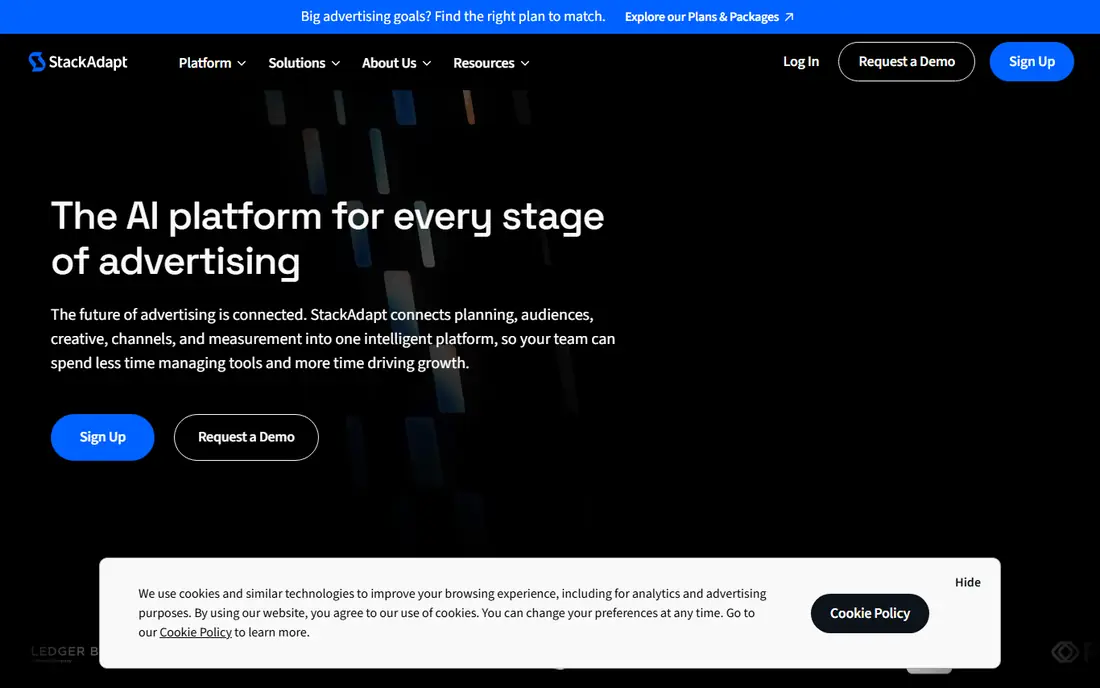
StackAdapt works best for self-serve programmatic for mid-market teams. StackAdapt made programmatic accessible to teams that could never justify an enterprise DSP seat.
Trade-offs to know: Inventory breadth trails the biggest enterprise DSPs.
That accessibility has limits. But for mid-market brands and agencies running straightforward prospecting and retargeting across channels, StackAdapt hits the sweet spot of capability and usability. StackAdapt shows no starting price here, so confirm the cost on the vendor site. Free access: Not stated.
Reasons to shortlist it: Native, display, video; CTV in one interface.
- Genuinely self-serve with low campaign minimums
- Useful onboarding for programmatic newcomers
- Advanced custom bidding choices are thinner
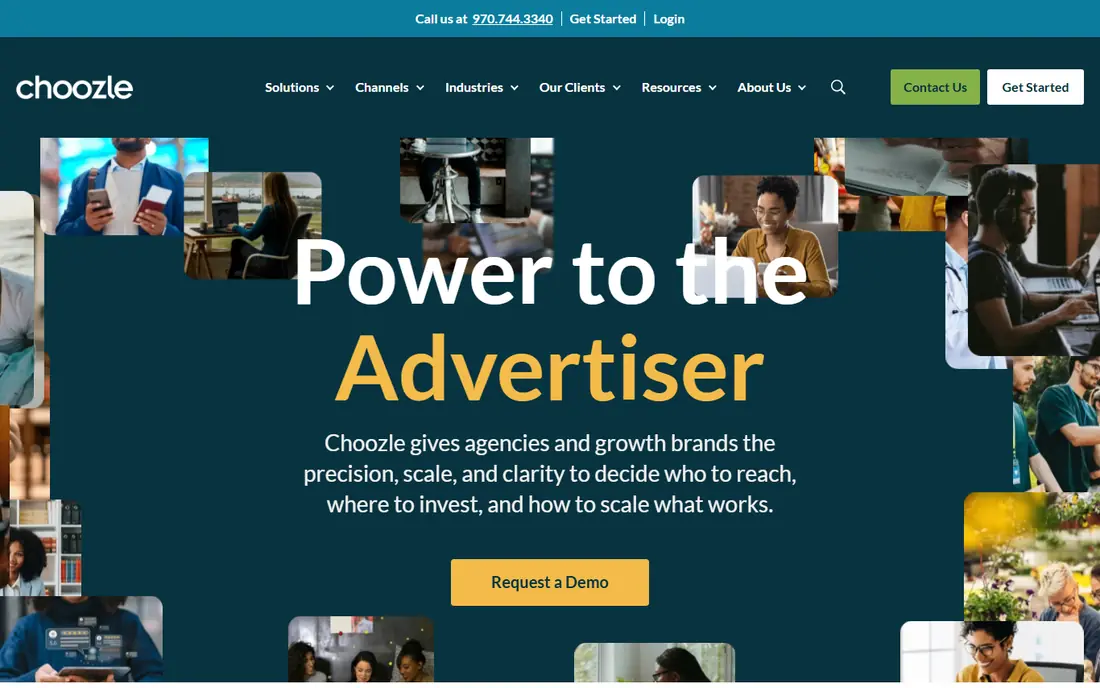
Choozle targets agencies running multi-client display. Choozle targets a specific buyer: the agency that runs programmatic for plenty of small and mid-sized clients. For everyday use, multi-account management, white-label reporting, and bundled training make it practical to offer display as a service without a trading desk.
On top of that, for its intended audience, though, the agency-first design saves real operational overhead. CRM data onboarding lets agencies activate client first-party data rapidly. And since Choozle is less known, agencies at times have to educate clients on what sits behind the curtain. No starting price is listed for Choozle here; confirm pricing on the vendor site. As for free access: Not stated.
Downsides: Feature depth trails enterprise DSPs.
- Aimed at agency multi-account management
- CRM and data onboarding integrations
- Smaller brand recognition can raise client questions
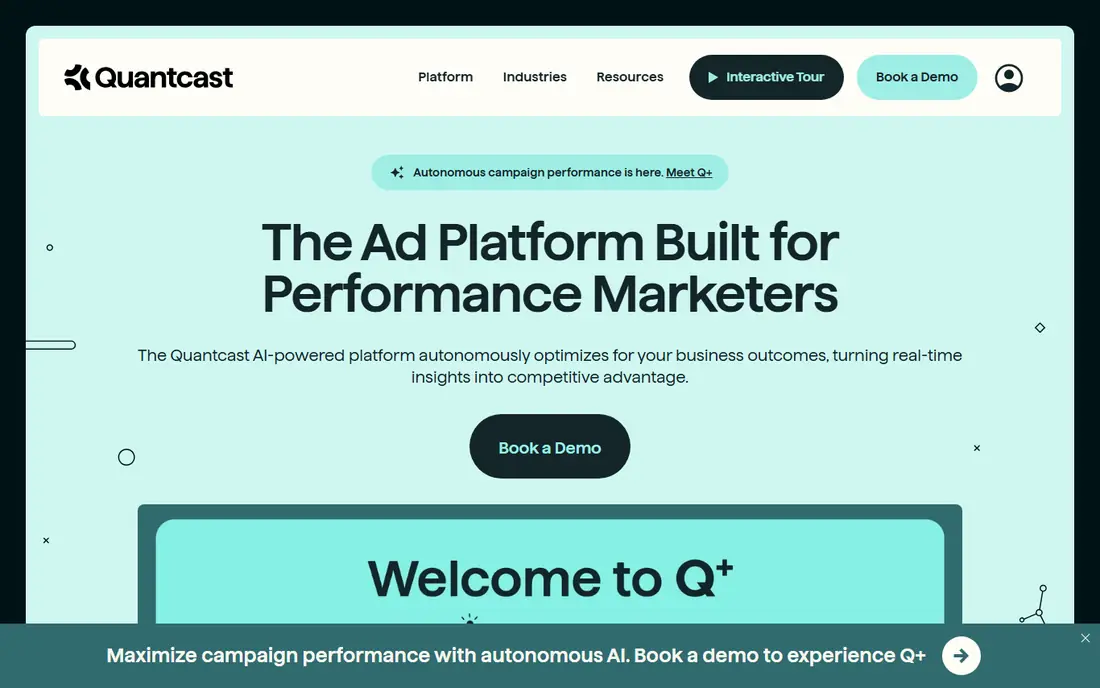
Pick Quantcast if this describes you: audience insights plus programmatic buying. If you need CTV buying, retail media, or deep custom integrations, a bigger DSP handles more ground. More specifically, agencies like it for mid-funnel prospecting where audience quality matters more than raw reach.
Trade-offs to know: System breadth is narrower than full-stack DSPs.
It is not trying to be everything. Quantcast pairs an AI-powered advertising product with audience measurement tools that plenty of marketers use at no cost. Its models build lookalikes and predictive audiences from large-scale web data, and it has invested early in cookieless targeting as external cookies fade. This comparison lists no price for Quantcast; ask the vendor. Free options: Not stated.
- Cookieless targeting capabilities
- Free audience measurement tools
- Best results come with meaningful spend
Criteo is a good fit for AI retargeting for retailers. Volume matters here. Criteo's models learn from your traffic, so small sites with thin visitor numbers see weaker results.
Retailers with real traffic, though, commonly see it pay for itself rapidly. Worth adding: Criteo built one of the largest commerce data sets in advertising, and its retargeting engine puts that data to work. Criteo does not show a starting price in this comparison, so check the vendor site for current pricing. On free options: Not stated.
Watch-outs: Less adaptable for non-retail advertisers.
- Managed service choice for hands-off teams
- Commerce data network boosts retargeting relevance
- Performance depends heavily on site traffic volume
Where Google Ads (Display Network) fits: reach on the Google Display Network. Nobody matches Google's display reach.
Limits to weigh: Brand-safety controls need active management.
For everyday use, the Google Display Network spans millions of websites, apps, and Google properties, and you can start spending with no minimums and no sales call. Google Ads (Display Network) does not show a starting price in this comparison, so check the vendor site for current pricing. Trial and free access: Not stated.
- Unmatched reach across millions of sites and apps
- Tight integration with Google Analytics and YouTube
- Transparency into placements and fees is restricted
The Trade Desk is aimed squarely at teams comparing choices in this category. Big brands use it to run display, video, CTV, and audio from one seat, with data-driven decisioning and in-depth log-level reporting. The main limit is access.
Limits to weigh: Enterprise minimums and contracts put it out of reach for small budgets.
Smaller teams typically enter through an agency trading desk instead of a direct seat. Buy it when your spend justifies dedicated programmatic expertise, not as a first experiment. No starting price is listed for The Trade Desk here; confirm pricing on the vendor site. Trial and free access: Not stated.
- Solid CTV and audio buying alongside display
- Massive reach across premium open-internet inventory
- Ramp-up time is steep for first-time programmatic buyers
How the list was put together
Each tool was reviewed on what its vendor publishes: price, plan limits, core features and stated drawbacks. We did not run hands-on tests. Treat prices as a snapshot: vendors change plans often, so check the vendor site for the figure that applies today. Position on the page reflects fit for a typical buyer first, with price clarity and free access breaking ties. Treat it as a guide, not a ruling.
What to confirm before you sign up
- Request quotes from StackAdapt, The Trade Desk and the others; the list shows no fixed prices.
- Read the limits listed for StackAdapt first: inventory breadth trails the biggest enterprise DSPs.
- Let daily users try Choozle on real work; their feedback beats any feature checklist.
- Test how quickly Quantcast answers a pre-sales question; it hints at how support will feel later.
- Before you load data into The Trade Desk, check what an export looks like and who can run it.
Frequently asked questions
Do these tools publish their prices?
No. None of the tools, from StackAdapt to The Trade Desk, shows a fixed starting price here, so budget time for quotes.
Is StackAdapt the right pick for everyone comparing display advertising software?
No single tool suits every team. StackAdapt comes first because it fits self-serve programmatic for mid-market teams, while Choozle suits agencies running multi-client display and Quantcast suits audience insights plus programmatic buying. Match the tool to your own size, budget and workflow before deciding.
How are the tools for display advertising software ordered?
The order follows typical fit for display advertising software, with StackAdapt first and The Trade Desk last, then price clarity and free access. It is editorial judgement, not a score, so another team could rank the tools differently.
What is display advertising software?
It is software for buying and managing banner, native, video, and rich-media ad placements across websites and apps. This bundles demand-side systems (DSPs) for programmatic buying, retargeting specialists, and networks like Google's Display Network, plus the reporting and optimization tools around them.
How do I measure display campaign success?
Use conversion tracking, incrementality tests where possible, and clean attribution windows. Vanity metrics like impressions tell you about delivery, not about whether the ads worked.
Does any tool for display advertising software here have a free plan?
A permanent free plan is not offered by StackAdapt, The Trade Desk or the other tools here. Plan a short evaluation period instead.
Sources
See where you really rank - block by block
ProMapRanker scans Google Maps across a grid of your service area. Simple monthly plans from $19, white-label on every plan.
Start freeKeep reading
 zoho inventory alternatives
6 Alternatives to Zoho Inventory, Compared on Price and Fit
Zoho Inventory alternatives: 6 tools compared on price, free plans and fit. Katana leads the list for manufacturers. Fit and flaws are laid out for each entry.
Read → zoho crm alternatives
Best Zoho CRM Alternatives (2026)
Need Zoho CRM alternatives? We compare 7 tools on cost, free access and who each suits. Every pick gets a straight assessment. Built for quick decisions.
Read → zelle alternatives
Best Zelle Alternatives in 2026
Compare the best Zelle alternatives for sending money to friends, paying sellers and moving funds abroad, with honest notes on fees, speed and safety in 2026.
Read →