 ProMapRanker
Best Digital Billboard Advertising Companies in 2026


Large owned billboard inventory · Pricing starts at: See website
Key takeaways
- Media owners sell their own inventory, while marketplaces and programmatic platforms buy across many owners.
- Digital billboards suit short bursts, dayparting, and fast creative changes that static boards cannot match.
- Ask for placement lists, proof of play, and audience method before you judge any campaign.
- Small budgets work best through self-service or programmatic buying, not through premium bulletin contracts.
Quick comparison
| Pick | Great for | Pricing starts at | Free tier | |
|---|---|---|---|---|
| Lamar Advertising | Large owned billboard inventory | See website | No | Visit |
 Clear Channel Outdoor | Large-market and airport reach | See website | No | Visit |
 OUTFRONT Media | Urban and transit inventory | See website | No | Visit |
 AdQuick | Buying across many owners | See website | No | Visit |
 Blip Billboards | Self-service local campaigns | See website | No | Visit |
 Vistar Media | Programmatic digital outdoor buying | See website | No | Visit |
 Broadsign | Operating digital signage networks | See website | No | Visit |
 Place Exchange | Programmatic marketplace access | See website | No | Visit |
 JCDecaux | Street furniture and airport media | See website | No | Visit |
The best digital billboard advertising companies
We compared official company pages and published service descriptions for media owners, marketplaces, and programmatic platforms. The right choice depends on whether you need one premium location, coverage across a city, or a self-service test with a small budget.
Lamar Advertising is one of the largest billboard owners in the United States, with digital bulletins along highways and in local markets. For an advertiser that wants a known board in a known location, direct buying from Lamar is simple to understand. Local teams can advise on placement, creative specs, and flight length.
The limit is scope. Lamar sells its own inventory, so a campaign that needs boards from several owners will need separate deals or a marketplace partner. Ask for traffic data, placement photos, and proof of play before you commit to a long flight.
- Very large owned inventory
- Strong highway and local market coverage
- Experienced local sales teams
- Pricing is quote-based
- Premium locations cost more
- Buying across other owners needs extra work
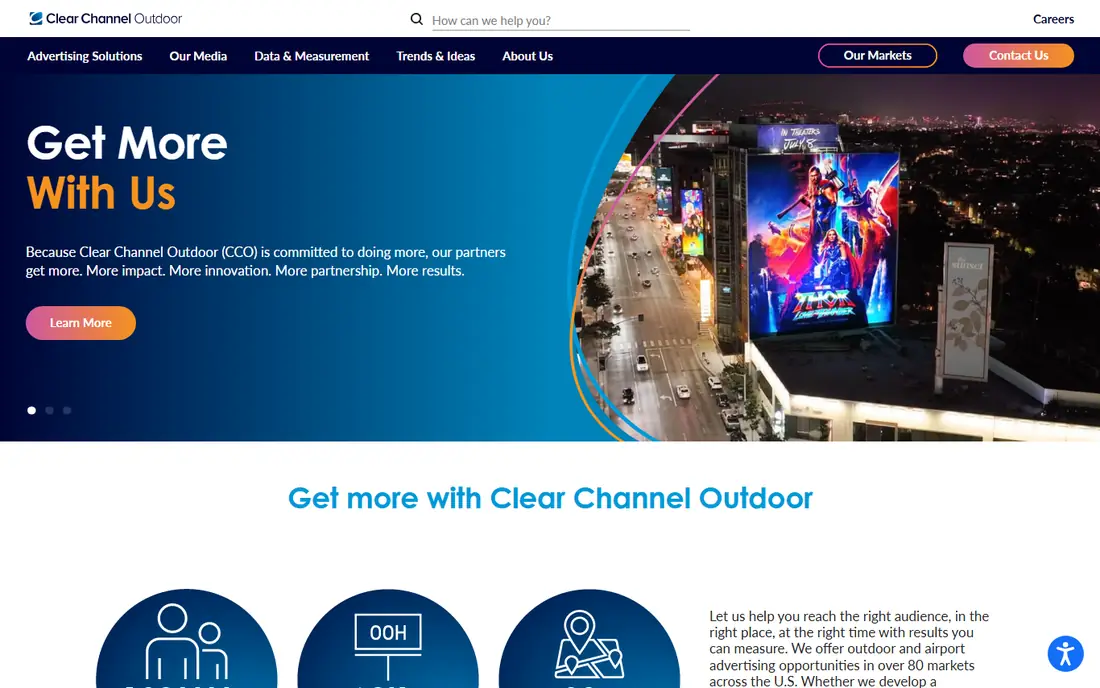
Clear Channel Outdoor fits brands that want scale in major cities and airports. Its digital bulletins cover high-traffic corridors, while airport screens reach travelers at a moment when they are receptive to destination, retail, and service messages. That mix suits national launches and tourism campaigns.
Costs vary sharply by market, so a national plan needs market-by-market quotes. Ask how digital inventory is split between direct sales and programmatic buying, and whether your creative can rotate by time of day or weather.
- Large-market digital bulletins
- Airport inventory in many cities
- Programmatic options
- Pricing is quote-based
- Premium markets are costly
- Smaller markets have less inventory
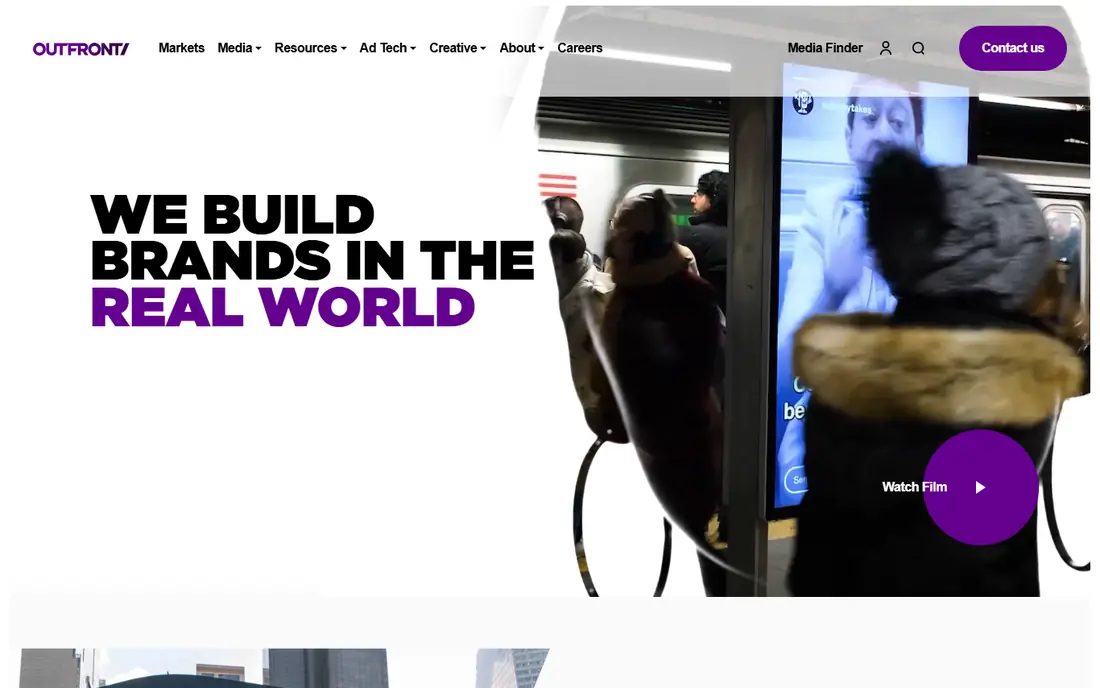
OUTFRONT Media is a strong choice for city campaigns that mix roadside boards with transit screens. Bus, rail, and station inventory can reach commuters repeatedly, which helps for local services, events, and retail openings. Large-format digital units add impact for launches in busy districts.
Transit buying can be complex, because contracts, formats, and availability differ by city and operator. Ask for a placement list with formats and dates, and confirm creative specs early, since transit screens often differ from highway bulletins.
- Strong urban billboards
- Transit inventory in major cities
- Large-format digital options
- Pricing is quote-based
- Transit contracts vary by city
- Premium urban sites are costly
AdQuick helps advertisers who do not want to call dozens of media owners. Its platform brings inventory from many owners into one plan, with mapping, creative delivery, and measurement tools. That approach suits multi-city campaigns, product launches, and brands testing outdoor for the first time.
You still need a clear brief. Define markets, dates, audience, and success measures before requesting quotes, or the options can feel overwhelming. Ask what measurement is included, and whether attribution covers store visits, website visits, or both.
- Marketplace across many media owners
- Planning, mapping, and measurement tools
- Direct and programmatic options
- Fees apply on top of media costs
- Inventory depends on owner availability
- Small campaigns still need creative work
Blip Billboards is the most accessible entry point on this list for a local business. Advertisers can set a budget, choose boards, upload creative, and run short digital slots without a large contract. That flexibility suits grand openings, seasonal offers, and event promotion.
The trade-off is share of voice. A short slot in a rotation means your message appears for seconds at a time, so creative must be very simple. Keep text short, use one call to action, and test one or two boards before expanding.
- Self-service buying
- Flexible budgets
- Useful for local businesses and short tests
- Inventory varies by market
- Short slots share a rotation
- Impact depends on board location
Vistar Media operates on the programmatic side of digital outdoor, connecting buyers with inventory through automated buying. That model allows targeting by location, time, and audience signals, and it can switch creative quickly in response to events or weather. Agencies and larger brands often use it for efficient multi-market buys.
Smaller advertisers may find the setup more technical than a marketplace or direct buy. Ask whether you will buy through Vistar directly, through a demand-side platform, or through an agency, and confirm fees and reporting before launch.
- Programmatic buying and targeting
- Supply-side tools for media owners
- Measurement options
- Needs programmatic knowledge
- Minimums may apply
- Results depend on data quality
Broadsign is different from most names here, because its core customers are media owners and network operators rather than small advertisers. Its software helps run digital screens, schedule content, and sell inventory, which is why many networks you see in venues run on it. Advertisers may encounter Broadsign through an owner or a programmatic partner.
If you are an advertiser, do not treat Broadsign as a direct buying shortcut. Instead, ask your media owner or platform which Broadsign tools they use for scheduling and proof of play, and make sure reporting covers your flights.
- Network management software
- Monetization tools for owners
- Used by many operators
- Mainly a platform for owners, not a simple ad-buying tool
- Pricing is quote-based
Place Exchange gives buyers programmatic access to outdoor inventory through demand-side platforms. That route suits agencies and brands that already buy digital media programmatically and want outdoor in the same workflow. It can simplify planning across screens, venues, and cities.
The barrier is access. Most small businesses will reach Place Exchange through an agency or platform, not by signing up directly. Ask your agency how inventory is selected, what audience data is used, and how proof of play is reported.
- Programmatic marketplace for outdoor
- Access through major buying platforms
- Measurement focus
- Needs a buying platform or agency
- Not a direct self-service store for most small firms
JCDecaux is known for street furniture such as bus shelters and kiosks, plus airport media in major markets. Its inventory suits pedestrian-heavy campaigns, retail districts, and travel audiences, where a smaller screen close to the street can work better than a highway board. Design quality and placement are central to its offer.
US advertisers should check coverage in their specific cities, because concessions differ by market. Ask for exact locations, screen sizes, and dwell times, and confirm whether digital screens support motion, dayparting, or interactive features.
- Street furniture expertise
- Airport media in major hubs
- Strong urban design and placement
- Pricing is quote-based
- US coverage is more limited than some rivals
- Formats vary by concession
How we picked these
We compared official company pages and published service descriptions for firms that sell, aggregate, or operate digital billboard inventory. We favored firms with a clear US presence, a stated buying route, and inventory types a reader can verify. We left out hardware-only firms that do not sell media, except where a platform role was clearly relevant.
This guide is based on publicly reported factors such as inventory type, buying method, and stated services. It is not a verified ranking, and pricing, availability, and formats vary by market and season. Request placement lists and quotes for your exact markets before choosing a partner.
How to plan a digital billboard campaign
Start with a simple message. Drivers and pedestrians have seconds to read a board, so use a short headline, one image or idea, and one action such as a website, store visit, or event date. Test creative at a distance, not just on a laptop screen.
Next, match format to goal. A highway bulletin builds broad awareness, a transit screen builds repeat exposure, and a place-based screen reaches people near a purchase moment. A mix often works better than a single format, but only if each placement has a clear job.
Buying routes explained
Direct buying gives you a specific board from a specific owner, marketplace buying gives you choice across owners, and programmatic buying gives you flexible, data-led placement. Each route has different fees, minimums, and reporting, so compare total cost and proof of play, not just the media rate.
Measurement to request
Ask for verified impressions, proof of play logs, placement lists, and audience method. For store or website outcomes, ask whether attribution is included and what it measures. Without that detail, you cannot tell whether a campaign worked or simply ran.
Frequently asked questions
How much does digital billboard advertising cost?
Costs vary widely by market, board location, format, and flight length, and most owners quote per campaign. Small self-service campaigns can start with modest budgets, while premium highway and urban boards cost far more. Request quotes for your exact markets and dates rather than relying on national averages.
How long should a digital billboard campaign run?
Short flights of days or weeks can work for events, launches, and seasonal offers, while brand campaigns often run four weeks or longer for repeat exposure. Digital boards allow faster creative changes, so you can test messages within a flight. Ask your partner about minimum flight lengths in each market.
Can small businesses use digital billboards?
Yes, especially through self-service platforms and programmatic buying, which allow smaller budgets and shorter flights. Focus on one or two boards near your store or service area, and keep creative simple. A single well-placed board often beats a scattered national buy for a local firm.
What creative specs do digital billboards need?
Specs vary by owner and format, but most digital boards accept standard image and video files in set aspect ratios. Motion is common on place-based and transit screens, while highway boards often use static frames with set dwell times. Confirm file size, resolution, and duration before production.
How do I know my ad actually played?
Ask for proof of play logs, placement lists, and photos or screenshots where available. Programmatic and marketplace platforms often include reporting dashboards, while direct owners provide post-campaign reports. Agree reporting format and timing before launch, not after.
Sources
See where you really rank - block by block
ProMapRanker scans Google Maps across a grid of your service area. Simple monthly plans from $19, white-label on every plan.
Start freeKeep reading
 zoro.to alternatives
Best Zoro.to Alternatives in 2026
We compare the best zoro.to alternatives in 2026, listing only legal licensed anime streaming services, from Crunchyroll to free options for fans today.
Read → zip alternatives
Best Zip Alternatives in 2026
We compare the best zip alternatives for buy now, pay later in 2026, covering pay-in-4 plans, fees, spending limits, and credit reporting options today.
Read → yesware alternatives
Best Yesware Alternatives in 2026
Compare the best yesware alternatives for sales email tracking, templates, and sequences, with current pricing and honest tradeoffs for small sales teams.
Read →