 ProMapRanker
Best Delivery App to Work in 2026

Key takeaways
- DoorDash and Uber Eats offer the most flexible food delivery, with volume that varies by city and hour.
- Instacart and Shipt suit drivers who accept shopping work in exchange for grocery batches and tips.
- Amazon Flex and Grubhub suit drivers who prefer scheduled blocks over open-ended shifts.
- GoPuff and Roadie cover different trip types, from short warehouse runs to larger deliveries.
Quick comparison
| Pick | Great for | Pricing starts at | Free tier | |
|---|---|---|---|---|
 DoorDash | most orders in most cities | See website | Yes | Visit |
 Uber Eats | flexible food delivery | See website | Yes | Visit |
 Instacart | grocery shopping and delivery | See website | Yes | Visit |
 Grubhub | scheduled food delivery blocks | See website | Yes | Visit |
 Amazon Flex | package delivery blocks | See website | Yes | Visit |
 Shipt | grocery and retail delivery | See website | Yes | Visit |
 GoPuff | local warehouse delivery | See website | Yes | Visit |
 Roadie | larger and longer-distance deliveries | See website | Yes | Visit |
The best delivery apps to work
Pay for delivery work depends on market, time of day, tips, and vehicle costs, so no single app pays best everywhere. This list covers food, grocery, retail, and package work, and it notes where flexibility is high and where scheduled blocks give more predictability. Treat any hourly figure as a range to test locally, not a promise.
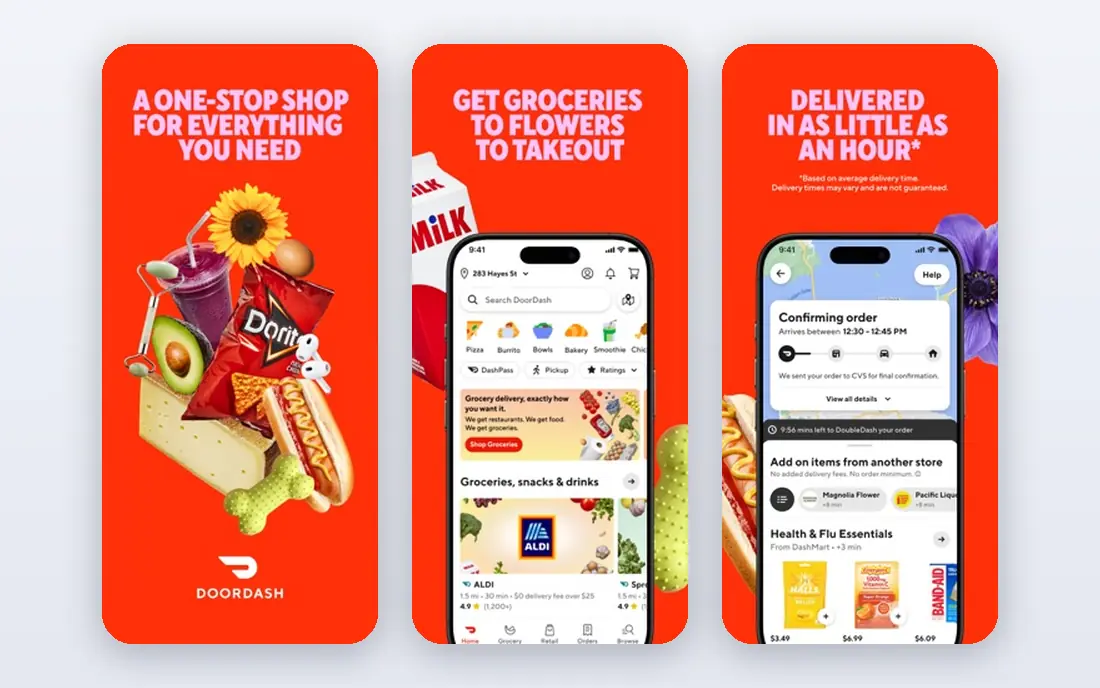
For readers who want most orders in most cities, DoorDash is a natural place to start. DoorDash offers food, grocery, and retail delivery with a flexible schedule and wide coverage. Its clearest strength is high order volume in most cities. That focus helps a reader decide quickly, instead of comparing long feature lists with no clear winner.
In daily use, DoorDash is best judged by how it handles the work it claims to do well. The pros point to high order volume; upfront pay shown; flexible schedule. Check the current plan page before paying, because plan names and limits change, and the free tier may cover less than an older review suggests.
The honest catch is pay varies by market, and vehicle costs fall on the driver. Pay varies by market and time; vehicle costs fall on the driver Before committing, try the free plan or trial on one real project, invite the people who will actually use it, and confirm that exports, mobile access, and support meet the need. If any of those fail, move to the next option on this list.
- High order volume
- Upfront pay shown
- Flexible schedule
- Pay varies by market and time
- Vehicle costs fall on the driver
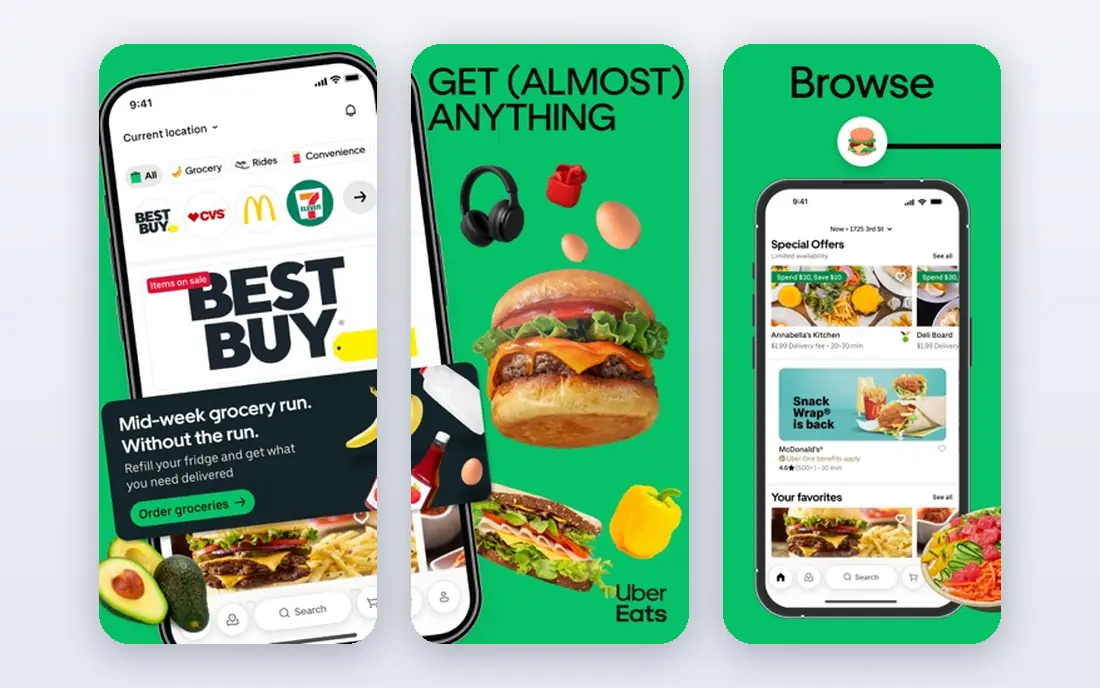
If flexible food delivery is the main goal, Uber Eats deserves a close look. Uber Eats lets drivers deliver food on a flexible schedule, and it pairs with rideshare for drivers who also drive passengers. Its clearest strength is flexible hours with bike and car options. That focus helps a reader decide quickly, instead of comparing long feature lists with no clear winner.
In daily use, Uber Eats is best judged by how it handles the work it claims to do well. The pros point to go online when desired; bike and car options in many cities; surge periods. Check the current plan page before paying, because plan names and limits change, and the free tier may cover less than an older review suggests.
The honest catch is pay varies by market, and waiting time can lower hourly earnings. Pay varies by market; waiting time can lower hourly earnings Before committing, try the free plan or trial on one real project, invite the people who will actually use it, and confirm that exports, mobile access, and support meet the need. If any of those fail, move to the next option on this list.
- Go online when desired
- Bike and car options in many cities
- Surge periods
- Pay varies by market
- Waiting time can lower hourly earnings
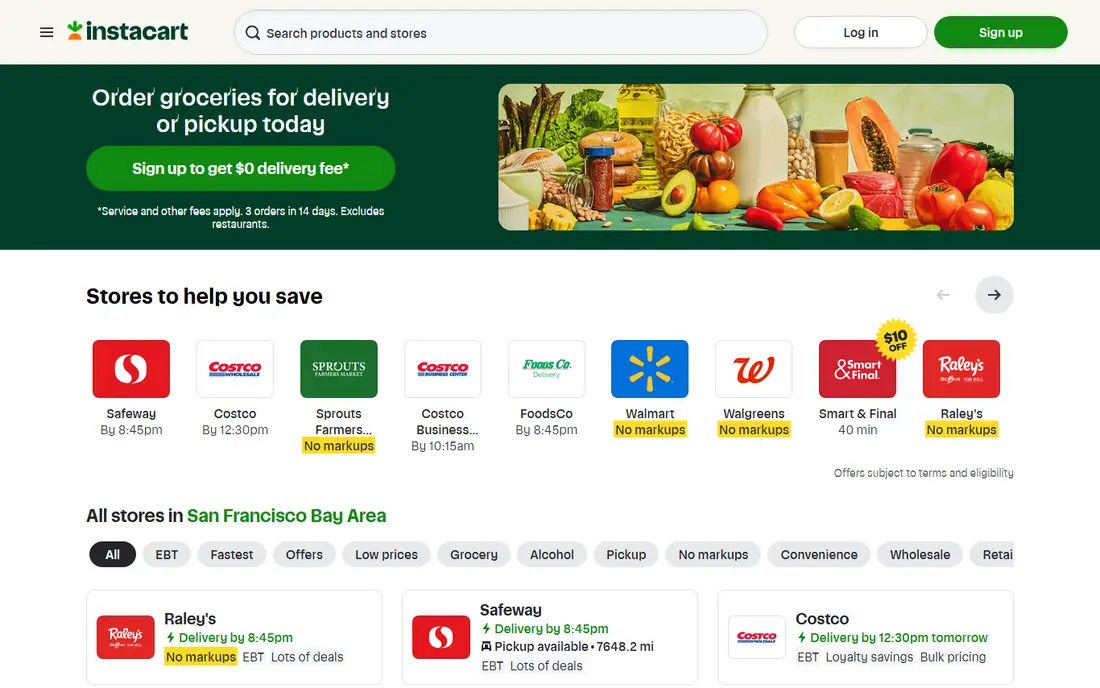
Start with Instacart when grocery shopping and delivery matters more than having every extra feature. Instacart pays shoppers to pick groceries and deliver them, which suits drivers who do not mind store work. Its clearest strength is grocery batches with tips to the shopper. That focus helps a reader decide quickly, instead of comparing long feature lists with no clear winner.
In daily use, Instacart is best judged by how it handles the work it claims to do well. The pros point to tips go to the shopper; larger batches can pay more; flexible batches. Check the current plan page before paying, because plan names and limits change, and the free tier may cover less than an older review suggests.
The honest catch is shopping takes time, and heavy orders add work. Shopping takes time; heavy orders and substitutions add work Before committing, try the free plan or trial on one real project, invite the people who will actually use it, and confirm that exports, mobile access, and support meet the need. If any of those fail, move to the next option on this list.
- Tips go to the shopper
- Larger batches can pay more
- Flexible batches
- Shopping takes time
- Heavy orders and substitutions add work
We place Grubhub here for people focused on scheduled food delivery blocks. Grubhub focuses on restaurant delivery with scheduled blocks for drivers who prefer planned shifts. Its clearest strength is scheduled blocks for planned shifts. That focus helps a reader decide quickly, instead of comparing long feature lists with no clear winner.
In daily use, Grubhub is best judged by how it handles the work it claims to do well. The pros point to scheduled blocks; tips to the driver; dinner demand in many cities. Check the current plan page before paying, because plan names and limits change, and the free tier may cover less than an older review suggests.
The honest catch is order volume is lower in some markets, and blocks limit flexibility. Order volume is lower than the largest rivals in some markets; blocks limit flexibility Before committing, try the free plan or trial on one real project, invite the people who will actually use it, and confirm that exports, mobile access, and support meet the need. If any of those fail, move to the next option on this list.
- Scheduled blocks
- Tips to the driver
- Dinner demand in many cities
- Order volume is lower than the largest rivals in some markets
- Blocks limit flexibility
Consider Amazon Flex first if package delivery blocks is at the top of the list. Amazon Flex pays drivers to deliver packages in scheduled blocks, which suits drivers who prefer planned routes. Its clearest strength is package blocks with a stated pay range. That focus helps a reader decide quickly, instead of comparing long feature lists with no clear winner.
In daily use, Amazon Flex is best judged by how it handles the work it claims to do well. The pros point to blocks with a stated pay range; predictable shift shape. Check the current plan page before paying, because plan names and limits change, and the free tier may cover less than an older review suggests.
The honest catch is blocks can be hard to get in busy markets. Blocks can be hard to get; vehicle and phone costs fall on the driver Before committing, try the free plan or trial on one real project, invite the people who will actually use it, and confirm that exports, mobile access, and support meet the need. If any of those fail, move to the next option on this list.
- Blocks with a stated pay range
- Predictable shift shape
- Blocks can be hard to get
- Vehicle and phone costs fall on the driver
Shipt stands out for readers who need grocery and retail delivery. Shipt focuses on grocery and retail delivery, with shoppers picking and delivering orders. Its clearest strength is grocery and retail delivery with tips. That focus helps a reader decide quickly, instead of comparing long feature lists with no clear winner.
In daily use, Shipt is best judged by how it handles the work it claims to do well. The pros point to tips to the shopper; target and retail orders; flexible schedule. Check the current plan page before paying, because plan names and limits change, and the free tier may cover less than an older review suggests.
The honest catch is order availability varies, and shopping time affects hourly pay. Order availability varies by market; shopping time affects hourly pay Before committing, try the free plan or trial on one real project, invite the people who will actually use it, and confirm that exports, mobile access, and support meet the need. If any of those fail, move to the next option on this list.
- Tips to the shopper
- Target and retail orders
- Flexible schedule
- Order availability varies by market
- Shopping time affects hourly pay
For a direct answer to local warehouse delivery, GoPuff is a strong candidate. GoPuff delivers snacks, essentials, and household goods from local warehouses, which can mean shorter trips. Its clearest strength is short local trips from warehouses. That focus helps a reader decide quickly, instead of comparing long feature lists with no clear winner.
In daily use, GoPuff is best judged by how it handles the work it claims to do well. The pros point to short local trips from warehouses; scheduled shifts in many markets. Check the current plan page before paying, because plan names and limits change, and the free tier may cover less than an older review suggests.
The honest catch is coverage is limited to served areas. Coverage is limited to served areas; pay varies by market Before committing, try the free plan or trial on one real project, invite the people who will actually use it, and confirm that exports, mobile access, and support meet the need. If any of those fail, move to the next option on this list.
- Short local trips from warehouses
- Scheduled shifts in many markets
- Coverage is limited to served areas
- Pay varies by market
When larger and longer-distance deliveries is the priority, Roadie makes the shortlist on its own merits. Roadie suits drivers with larger vehicles who want bigger deliveries rather than frequent small food orders. Its clearest strength is larger-item deliveries that food apps do not cover. That focus helps a reader decide quickly, instead of comparing long feature lists with no clear winner.
In daily use, Roadie is best judged by how it handles the work it claims to do well. The pros point to larger-item and longer-distance gigs; flexible gig choice. Check the current plan page before paying, because plan names and limits change, and the free tier may cover less than an older review suggests.
The honest catch is gigs can be less frequent, and vehicle size matters. Gigs can be less frequent than food delivery; vehicle size matters Before committing, try the free plan or trial on one real project, invite the people who will actually use it, and confirm that exports, mobile access, and support meet the need. If any of those fail, move to the next option on this list.
- Larger-item and longer-distance gigs
- Flexible gig choice
- Gigs can be less frequent than food delivery
- Vehicle size matters
How we picked these
We compared official driver pages, pay models, and public driver reports, and we kept only apps that operate in the United States in October 2026. We did not treat a single hourly figure as a promise, because tips, distance, waiting time, and vehicle costs change the result. We favoured apps with clear pay information, tips to the driver or shopper, and a schedule model that a reader can test in their own city. Before signing up, check age, vehicle, insurance, and background requirements on the driver page, because those rules vary by app and state.
Choosing delivery work without losing money to costs
Track every cost from the first week: fuel, wear, phone data, insurance, and taxes. A high gross total can still leave low net pay after those costs, especially on long trips with low tips. Test two apps in the same area and hours, and compare net pay per hour rather than gross pay per order. Work peak times first, such as lunch and dinner for food, and weekends for grocery, then decide if off-peak hours are worth it. Keep records for taxes, set money aside for vehicle repairs, and stop accepting trips that pay below a personal floor for distance and time.
Frequently asked questions
What is the best delivery apps to work for most people?
There is no single winner for every reader, because budget, team size, and daily habits change the answer. Start with the option whose best_for line matches the main job, use its free plan or trial on a real task, and keep the one that the team actually opens each day.
Are there good free delivery apps to work options?
Yes, several options on this list offer a free plan, but free plans usually limit seats, storage, or advanced features. Read the free-plan line in the table, then test the exact feature that matters most before assuming the free tier will be enough long term.
How much should I expect to pay?
That depends on whether the price is per user, per account, or per year, and on how many people need paid seats. Use the starting_price line as a guide only, check the vendor pricing page for taxes and add-ons, and compare the annual total rather than the monthly headline.
Can I switch later if I pick the wrong one?
In most cases, yes, but switching takes time if data, templates, or team habits are tied to one tool. Before paying for a year, confirm that export is available, test it with a small sample, and keep a copy of important work outside the tool.
How do I choose between the top two options?
List the three tasks that will happen every week, then test those tasks in both tools. The better choice is usually the one with fewer steps for those tasks, clearer pricing, and support that answers in a useful timeframe, not the one with the longest feature list.
Sources
See where you really rank - block by block
ProMapRanker scans Google Maps across a grid of your service area. Simple monthly plans from $19, white-label on every plan.
Start freeKeep reading
 zendesk alternatives
Best Zendesk Alternatives in 2026
Compare the best Zendesk alternatives in 2026, from budget help desks to AI-first support tools, with current pricing, free plans, and honest trade-offs.
Read → wordpress alternatives
Best WordPress Alternatives in 2026
Looking for the best WordPress alternatives? We compare 8 free and paid options for blogs, business sites, stores, and developer-led projects in 2026.
Read → which real estate company has the best training
Best Real Estate Company Training in 2026
Compare which real estate company has the best training, from Keller Williams and eXp to Compass and Coldwell Banker, by program, mentor, and fit in 2026.
Read →