 ProMapRanker
Best Data Removal Service UK in 2026

Key takeaways
- Incogni is our pick for most UK readers because it covers a wide broker list, runs on repeat requests, and has a clear annual price.
- Optery is the best low-cost starting point, with a free tier that shows exposure before you pay for removals.
- DeleteMe suits readers who want detailed reports and a plan that covers more than one person.
- No service removes everything, and listings can return when brokers refresh their data, so ongoing monitoring matters more than a one-time cleanup.
- UK readers should check whether a service handles UK data brokers and UK privacy requests, not only US people search sites.
Quick comparison
| Pick | Great for | Pricing starts at | Free tier | |
|---|---|---|---|---|
 Incogni | Hands-off broker removal | $7.99 per month | No | Visit |
 DeleteMe | Detailed reports and couples | $10.75 per month | No | Visit |
 Optery | Free exposure scan | Free | Yes | Visit |
 Aura | Identity protection bundle | $12 per month | No | Visit |
 Kanary | Guided privacy cleanup | $9.99 per month | Yes | Visit |
 Privacy Bee | Alias and exposure controls | See website | No | Visit |
 OneRep | People search removal | $9.99 per month | Free trial | Visit |
 EasyOptOuts | Lowest annual cost | $19.99 per year | No | Visit |
The best data removal services in the UK
These services send removal and deletion requests to data brokers and people search sites, then repeat the work as listings reappear. We compared coverage, UK relevance, reporting, price, and how much work you must do yourself.
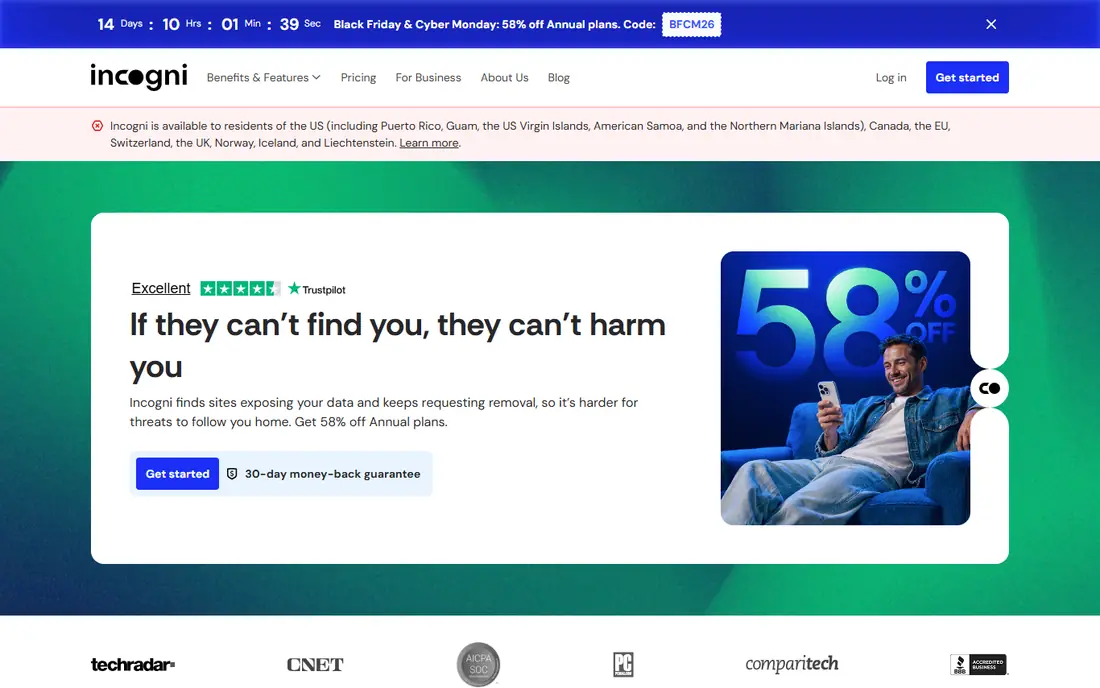
Incogni is the service we would choose first for most readers. You enter your details once, and it sends removal requests to a large list of data brokers, then follows up and repeats requests when data reappears. That repeat work is the point. A single cleanup helps for a short time, but brokers buy and republish data on a regular cycle, so a service that stops after one pass leaves you exposed again.
The dashboard shows which brokers have been contacted and what happened next, which makes the work easier to trust than a vague promise. Incogni also covers the UK and Europe, which matters for this list, because many US-focused tools give UK readers far less value. The catch is price and patience. There is no free tier, and some brokers take weeks to respond or refuse requests that fall outside the law that applies to them. We still rate it first because the balance of coverage, automation, and reporting is strong for the price.
- Wide broker coverage
- Automated repeat requests
- Clear progress tracking
- No free tier
- US pricing is shown in dollars
- Some removals depend on broker cooperation
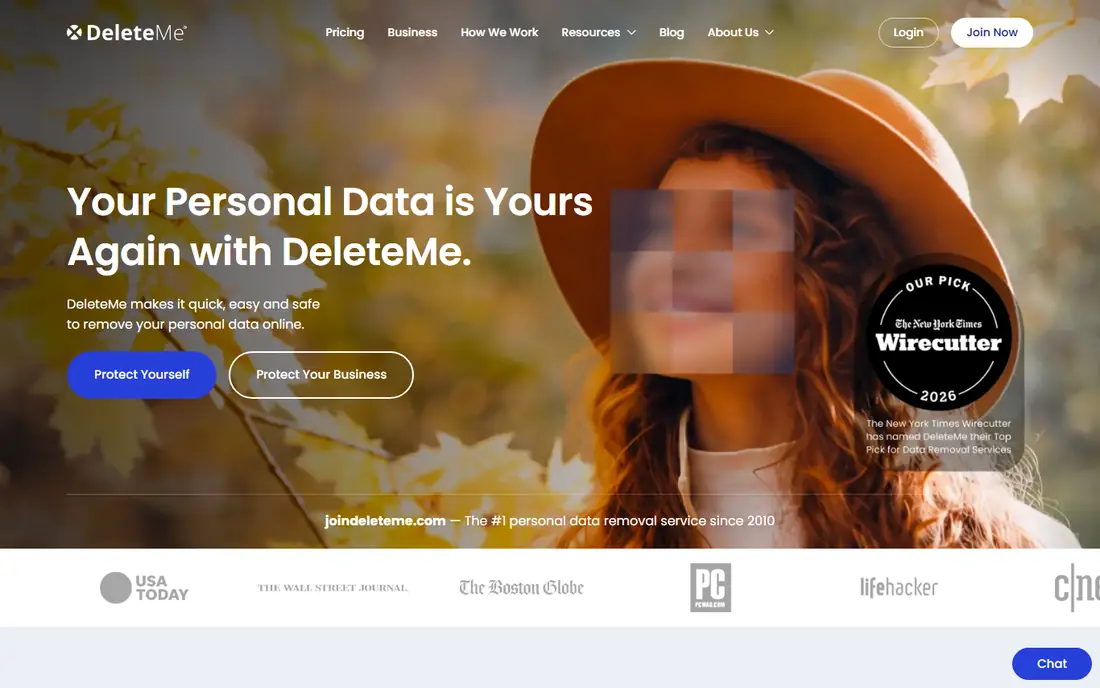
DeleteMe has been in this field for a long time, and its reporting shows that experience. You get regular updates on what was found and what was removed, which helps if you want proof rather than a green tick. It also offers plans for two people and for four people, so a household can clean up together instead of buying separate accounts. That is useful because a partner or family member can appear in the same people search listings as you.
The downside is cost. The annual price sits above several rivals, and some of its wider coverage is tied to higher tiers or custom requests. If you only need a basic cleanup for one person, Incogni or Optery may give you better value. DeleteMe earns its place for readers who want a thorough report trail and are willing to pay for it.
- Regular privacy reports
- Plans for two or four people
- Human review on some removals
- Higher annual price than Incogni
- Coverage varies by plan
- No free tier
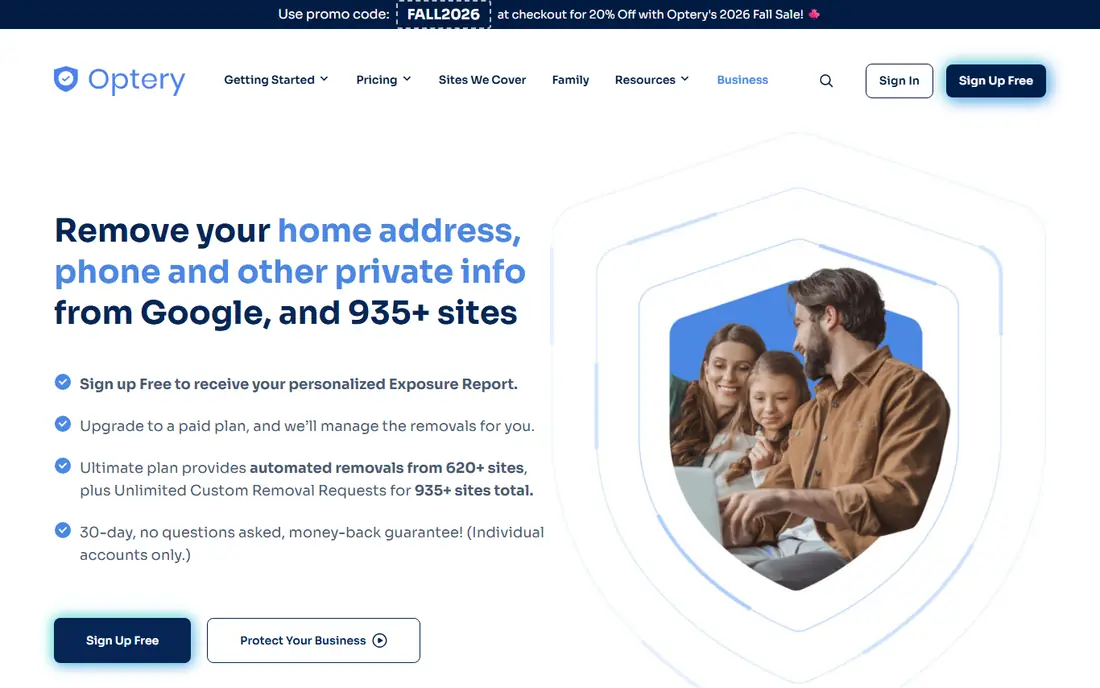
Optery is the best place to start if you are not sure how exposed you are. Its free tier scans for your listings and shows you what it found, so you can see the problem before you spend money. Paid tiers then handle removals, with higher tiers covering more brokers and adding screenshot evidence of removals. That evidence is helpful when a listing keeps returning and you want to check what was actually done.
The trade-off is that the cheapest paid tier does not cover the full broker list, so the price for complete coverage is higher than the headline suggests. Optery is also more US-centred than some rivals, so UK readers should check its current UK broker coverage before buying. For a careful, low-risk start, though, the free scan is hard to beat.
- Free tier shows exposure
- Screenshot reports on paid tiers
- Clear tier structure
- Full coverage needs a higher tier
- UK coverage is less central than US coverage
- Paid plans add up
Aura is a wider security product, not a removal-only tool. Alongside broker removals, it adds credit and identity monitoring, dark web monitoring, a VPN, and antivirus tools. If you want one subscription to cover several safety jobs, that bundle can be good value. Families may also like the plan that covers several adults and children, though exact family pricing varies by plan.
The catch for UK readers is focus. Aura's full identity protection service is US-only, so UK buyers get less of the bundle than US buyers. If your main goal is data removal in the UK, a specialist such as Incogni or DeleteMe is likely a better fit. Aura still belongs here for readers who live in the US, travel often, or want the wider monitoring package alongside removal.
- Data broker removal plus identity monitoring
- VPN and antivirus included
- Family plans available
- Full service is US-focused
- Higher price if you only want removal
- Bundle features may duplicate tools you already own
Kanary takes a broader view than broker-only tools. It scans data brokers, but it also looks at social media and other places where personal details surface, and it guides you through steps you can take yourself. That guided approach suits readers who want to understand their exposure, not just hand it over to an automated service. The free scan gives you a starting point without a payment.
The higher tier is expensive, and some of its added features are more relevant to US users than UK users. Removal work also varies: some sites respond quickly, others need repeated requests. Kanary is a good pick if you want a guided cleanup and care about social exposure as well as broker listings, but check the tier details before you commit to the top plan.
- Free scan
- Covers social and AI-related exposure
- Guided cleanup steps
- Higher tiers are costly
- Some features matter more in the US
- Removal depth varies by site
Privacy Bee stands out for what happens after removal. Its alias tools let you create masked contact details for new accounts, which can reduce the fresh personal data that brokers collect in future. That forward-looking step is useful, because removal alone does not stop new data from being gathered. Higher tiers also promise wide coverage and ongoing monitoring.
The downside is pricing clarity. Costs vary by tier and by billing period, so you should check the current pricing page and confirm what your plan covers before you buy. Setup also takes a little more thought than a fully automated rival, because alias tools work best when you use them for new signups. For readers who want control over future exposure as well as past listings, Privacy Bee is worth a close look.
- Wide broker coverage on higher tiers
- Alias tools for new signups
- Ongoing monitoring
- Price is harder to pin down from one page
- Higher tiers are costly
- Setup takes care
OneRep keeps the job simple: find your listings on people search sites and remove them, then keep watching for new ones. That focus suits readers who found themselves on a people search site and want that specific problem fixed, without paying for a large bundle. Setup is straightforward, and the trial lets you see the dashboard before you commit to a full year.
The limit is breadth. Its broker list is smaller than the lists claimed by Incogni or Optery at higher tiers, so it may miss some marketing or financial brokers. It also offers fewer extra tools, such as aliases or identity monitoring. If people search sites are your main worry, OneRep is a solid, simple choice. If you want the widest possible cleanup, look higher up this list.
- Focused on people search sites
- Ongoing monitoring
- Simple setup
- Narrower broker list than some rivals
- Trial is short
- Fewer extra privacy tools
EasyOptOuts is the budget option, and the price gap is large. At around twenty dollars a year, it costs far less than most rivals, and it covers major people search sites. For a reader who wants a basic, ongoing cleanup and does not need detailed reports or the widest broker list, that price is attractive. It is also simple to understand: one service, one job, one low fee.
The trade-offs follow the price. Rescans are less frequent than on premium services, reporting is thinner, and coverage is narrower. Listings may therefore return for longer before they are spotted again. We would not pick EasyOptOuts as the only tool for someone with a serious privacy concern, but as a low-cost starting point, or as a second layer alongside manual opt-outs, it offers real value.
- Very low annual price
- Covers major people search sites
- Simple service
- Less frequent rescans than premium rivals
- Thinner reporting
- Narrower coverage
How we picked these
We compared official pricing pages, coverage claims, and feature pages for services that operate in 2026, and we gave weight to UK relevance, repeat removal work, and clear reporting. We did not claim hands-on testing, and we treated vendor coverage numbers as claims, not verified counts, because broker lists change and vendors count them in different ways. Services that had closed, that only covered one narrow site, or that made claims we could not trace to a vendor page were left out. Prices shown are starting prices where we could verify them, and where pricing varied by tier or region we wrote See website rather than guessing.
What to check before you pay
Start with a scan, not a subscription, where a free scan is available. A scan tells you whether your name, address, phone number, or email appears on people search sites, and how many brokers hold your details. If the scan finds little, you may be able to handle removals yourself with the opt-out pages of the sites concerned. If it finds dozens of listings, a paid service saves a large amount of time.
Check UK coverage in detail. Ask whether the service handles UK data brokers and UK privacy requests under UK GDPR, and whether its reports show UK sites as well as US sites. Some services describe themselves as global but do most of their work in the US. Also check what the service needs from you. Most need your full name, address history, and date of birth to match records, and you should only share that data with a service whose privacy policy you have read.
Set realistic expectations
No removal service can delete data that a company holds for a lawful reason, such as a contract or a legal duty, and no service can stop brokers from collecting new public data. Expect listings to drop, then some to return, and expect the work to continue for as long as you subscribe. Keep your own records too: note which sites showed your details, and check a few of them yourself after a month. If a listing concerns harassment, stalking, or a safety risk, contact the site directly and seek advice from a local support service, because a standard removal queue may be too slow for an urgent case.
Frequently asked questions
Does a data removal service delete all my personal data?
No. It sends removal requests to brokers and people search sites, but it cannot delete data held under a contract, by a public body, or by a company with a lawful reason to keep it. It also cannot stop new data from being collected, which is why ongoing monitoring matters.
Is a data removal service legal in the UK?
Yes, in general. UK GDPR gives people rights to ask for erasure and to object to processing in some cases, and removal services act on your behalf to make those requests. Results vary because each request depends on the legal basis for holding the data and on the broker concerned.
How long does removal take?
Some listings disappear within days, while others take weeks because brokers process requests in batches or ask for identity checks. A good service follows up on slow requests and rescans for listings that return after a database refresh.
Can I remove my data myself for free?
Yes, for many sites. Most people search sites and brokers publish opt-out pages, and you can work through them one by one. The cost is time: each site has its own form, identity check, and waiting period, and you must repeat the work when listings return.
Should I use more than one removal service?
Usually not. Two services may send duplicate requests to the same brokers, which adds confusion without adding much coverage. It is better to pick one service with wide coverage, then handle any sites it misses yourself.
What details will a removal service ask for?
Most ask for your name, current and past addresses, phone number, and email address, and some ask for date of birth to match records correctly. Read the privacy policy first, and only share what the service needs to find your listings.
Sources
See where you really rank - block by block
ProMapRanker scans Google Maps across a grid of your service area. Simple monthly plans from $19, white-label on every plan.
Start freeKeep reading
 zoro.to alternatives
Best Zoro.to Alternatives in 2026
We compare the best zoro.to alternatives in 2026, listing only legal licensed anime streaming services, from Crunchyroll to free options for fans today.
Read → zip alternatives
Best Zip Alternatives in 2026
We compare the best zip alternatives for buy now, pay later in 2026, covering pay-in-4 plans, fees, spending limits, and credit reporting options today.
Read → yesware alternatives
Best Yesware Alternatives in 2026
Compare the best yesware alternatives for sales email tracking, templates, and sequences, with current pricing and honest tradeoffs for small sales teams.
Read →