 ProMapRanker
Best Data Analytics Company in 2026


Large analytics and consulting programs · Pricing starts at: See website
Key takeaways
- This guide is based on public services, products, and reputation, not on a verified ranking, since the best firm depends on the problem you need solved.
- Accenture, Deloitte, and IBM suit large organizations that want analytics combined with strategy, implementation, and ongoing support.
- SAS, Palantir, and Databricks suit teams that need a specific platform for analysis, data engineering, or large-scale data work.
- Fractal and Tableau suit teams that want focused analytics help or a widely used visualization tool.
- Ask for case work in your industry and a clear scope before you sign, since analytics projects fail most often on vague goals.
Quick comparison
| Pick | Great for | Pricing starts at | Free tier | |
|---|---|---|---|---|
| Accenture | Large analytics and consulting programs | See website | No | Visit |
 Deloitte | Analytics with strategy and audit-adjacent work | See website | No | Visit |
 IBM | Enterprise analytics and AI platforms | See website | No | Visit |
 SAS | Statistical analysis and analytics software | See website | No | Visit |
 Palantir | Large-scale operational data platforms | See website | No | Visit |
 Databricks | Data engineering and lakehouse analytics | See website | No | Visit |
 Fractal | Specialist analytics consulting | See website | No | Visit |
 Tableau | Data visualization and dashboards | See website | No | Visit |
The best data analytics companies
We reviewed each company's public service and product pages, and we grouped firms by what they actually sell: consulting and implementation, a software platform, or a mix of both. We do not rank these firms with a score, and we do not quote project prices, since analytics work is scoped per client. Use this guide to shortlist firms that match your problem.
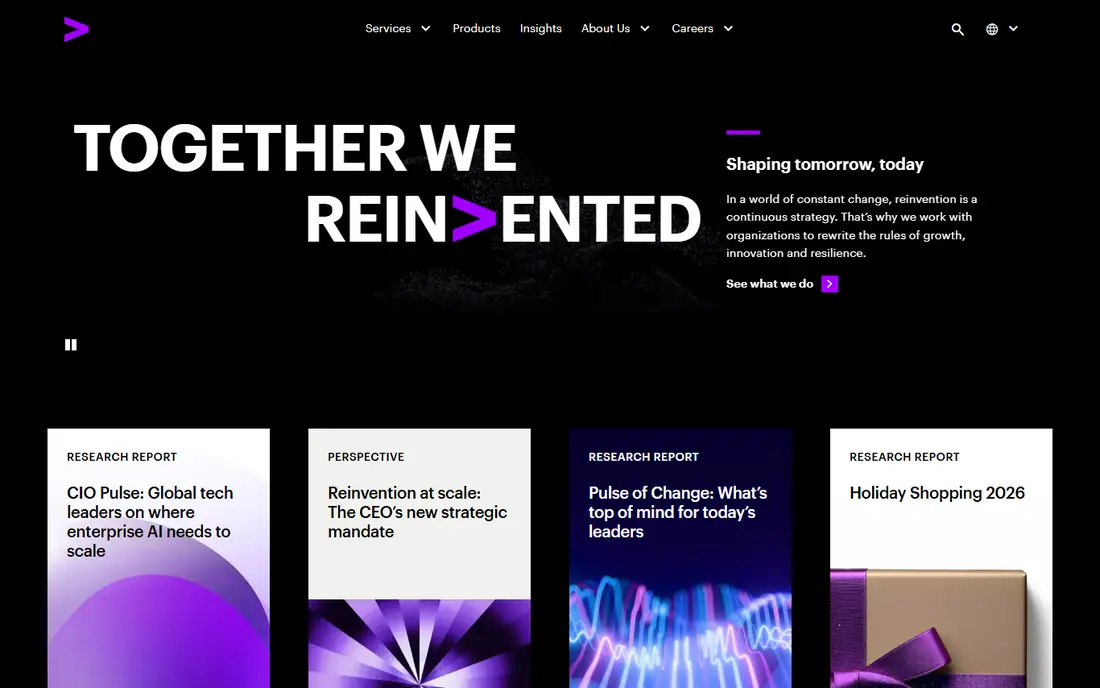
Accenture is a common choice for large organizations that want analytics as part of a wider change program. The firm combines data strategy, engineering, analytics, and AI work with implementation support, which helps when a project spans many departments and systems. Its industry teams also mean it often has prior work in sectors such as banking, health, retail, and manufacturing.
The model fits large budgets better than small ones. Smaller companies may find a specialist firm more affordable and more focused. Ask which team would staff your project and what similar work that team has delivered, rather than judging the firm as a whole.
- Very broad service range
- Global delivery teams
- Experience across many industries
- Large-firm engagement model can be costly for small firms
- Project experience varies by team
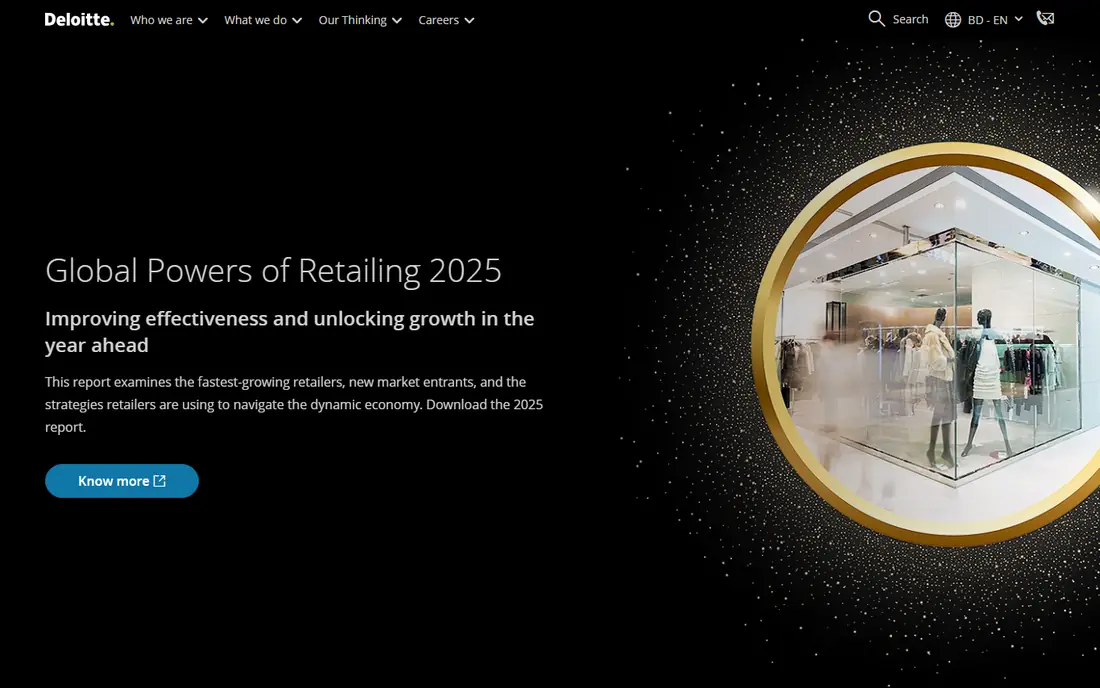
Deloitte suits organizations that need analytics alongside strategy, risk, finance, or tax-related work. Its analytics teams work on topics such as forecasting, reporting, fraud detection, and performance management, often inside larger consulting programs. That breadth helps regulated firms that need careful governance around data.
As with other large firms, the engagement style is formal and process-heavy, which can feel slow for a small, fast-moving team. Clarify the scope, the deliverables, and the timeline in writing, and ask for the names and backgrounds of the people who will do the work.
- Broad consulting range
- Strong in regulated industries
- Analytics tied to risk and finance work
- Large-firm pricing and process
- Team quality varies by office and practice
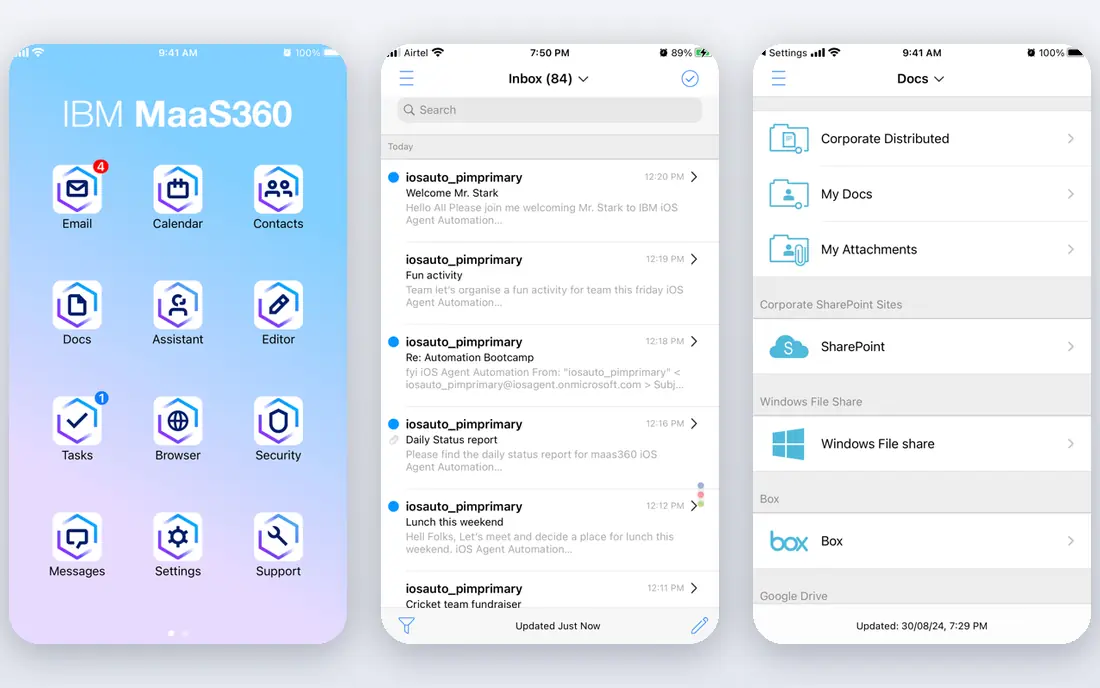
IBM offers both analytics software and consulting, which appeals to large organizations that already run IBM systems. Its work covers data platforms, business intelligence, and AI-assisted analysis, and its consultants can help with data governance and integration across older systems. That mix is useful when analytics must sit on top of complex existing infrastructure.
The breadth is also a risk. IBM sells many products and services, so a buyer needs a clear problem statement to avoid a project that grows beyond its original goal. Ask for a focused proposal with defined outcomes, and check which products are truly needed.
- Long history in enterprise data
- Analytics and AI platforms plus consulting
- Strong in large IT estates
- Product and service range is wide, so the right offer needs careful scoping
- Legacy perceptions vary by buyer
SAS is a specialist analytics software company with a long record in statistics, forecasting, and risk analysis. Its tools are widely used in banking, insurance, health, and government, where careful, auditable analysis matters. Teams that need advanced modeling, rather than only dashboards, often find SAS a strong fit.
Pricing and packaging are less transparent than a simple subscription page, so expect a sales conversation for enterprise use. Also plan for training, since advanced SAS tools reward users who invest time in learning them. Smaller teams that only need dashboards may find a lighter tool enough.
- Deep statistical and analytics software
- Strong in regulated and research-heavy fields
- Long product history
- Platform pricing is quote-based for many buyers
- Learning curve for advanced statistical tools
Palantir builds platforms that help large organizations bring together data from many systems and use it for operational decisions. Its products are known for work in defense, health, and industrial settings, where data is messy, sensitive, and spread across many sources. Teams that need to act on data daily, not only report on it, are the main audience.
This is not a small-business tool. Implementation takes effort, and pricing is handled per engagement. Organizations that only need a dashboard or a monthly report should look at Tableau or a specialist consultancy instead.
- Platforms built for large, complex operational data
- Strong in defense, health, and industrial use
- Decision-focused tools
- Enterprise pricing and implementation effort
- Less suited to small teams or simple reporting needs
Databricks suits teams that already work with large data sets and want a platform for engineering, analysis, and AI work in one place. Its lakehouse model lets teams store raw data and run analytics on it without moving everything between separate systems, which helps data and engineering teams work together.
The platform rewards technical skill. A team without data engineers may struggle to set it up well, and compute-based pricing means costs rise with heavy use. Start with a clear workload and a cost estimate, and consider a partner or consultant if your team is new to the platform.
- Lakehouse approach combines data warehousing and data lakes
- Strong for data engineering and AI workloads
- Cloud-based
- Needs data engineering skill to get full value
- Costs depend on compute use, so budgeting needs care
Fractal is a specialist analytics firm that combines consulting with analytics products, and it focuses on helping companies use data for decisions in areas such as marketing, supply, and customer experience. Its narrower focus can be an advantage for mid-sized firms that want senior attention without a large-firm engagement.
Because it is smaller than Accenture or Deloitte, the fit depends on the practice and team assigned to your project. Ask for relevant case work, the team structure, and how success will be measured, and compare that proposal directly with a larger firm's offer.
- Focused analytics and AI consulting
- Work across consumer, health, and financial sectors
- Product-plus-service model
- Smaller than the large consulting firms
- Fit depends on the specific practice and team
Tableau, part of Salesforce, is the best-known name on this list for turning data into charts and dashboards that non-technical staff can read. Analysts can build interactive views quickly, and managers can filter and explore without writing code. That ease of use is why many companies start their analytics journey here.
Tableau alone does not solve data quality, preparation, or governance. A company with messy or scattered data will still need engineering work before dashboards become trustworthy. Treat Tableau as the visible layer of an analytics program, not the whole program.
- Widely used visualization tool
- Drag-and-drop dashboards
- Strong community and learning resources
- Visualization is only part of analytics
- Data preparation and governance still need separate work
How we picked these
We reviewed public service and product pages, and we favored firms that clearly describe their analytics work, rather than firms that only mention analytics in passing. We did not use a single ranking, and we did not invent scores, client counts, or project prices. The firms here cover the main ways to buy analytics: hire a large consultancy, hire a specialist, or buy a platform and build in-house.
How to choose a data analytics company
Start with the decision you need to make. A firm that builds a forecasting model for inventory is doing different work from a firm that builds a customer dashboard, and the best partner for one may be a poor fit for the other. Write the decision, the data you have, and the deadline in one paragraph before you contact any firm.
Next, ask for proof in your context. Request case work from your industry, the names of the team members who will work on your project, and a scope that lists deliverables, data sources, and success measures. Be wary of proposals that promise results without naming the data or the work required.
Finally, plan for ownership after the project ends. Ask who will maintain models and dashboards, how your staff will be trained, and what happens when data sources change. Analytics work that only the vendor can run becomes a recurring cost, while work your team can maintain keeps its value longer.
Frequently asked questions
What is the best data analytics company?
The best data analytics company depends on your problem. Large firms such as Accenture and Deloitte suit broad programs, while SAS, Palantir, and Databricks suit platform needs, and Fractal suits focused consulting. Start with the decision you need to make, then shortlist firms with relevant case work.
What are the best analytics companies for small businesses?
Small businesses often do better with a focused tool such as Tableau, or a specialist consultancy, rather than a large firm built for enterprise programs. Keep the scope small, use data you already have, and choose a partner who will train your team to maintain the work.
What is the best company for data analytics services?
For services, Accenture, Deloitte, and Fractal are common choices, with IBM offering a mix of services and platforms. Compare proposals on scope, team, and success measures, not only on brand. A clear, narrow scope usually produces better results than a broad promise.
What are the best big data companies?
Databricks and Palantir are often named among the best big data companies, since both handle large, complex data workloads, while IBM and SAS also work at large scale. Big data here means volume, variety, and speed, so check that the firm's platform fits your actual data size and sources.
How much does a data analytics project cost?
Analytics project costs vary widely by scope, data complexity, and whether you buy a platform, hire a consultancy, or both. Most firms price by engagement, so get a written scope with deliverables and a timeline. A small dashboard project and a company-wide data platform are different budgets entirely.
Sources
See where you really rank - block by block
ProMapRanker scans Google Maps across a grid of your service area. Simple monthly plans from $19, white-label on every plan.
Start freeKeep reading
 zoho inventory alternatives
6 Alternatives to Zoho Inventory, Compared on Price and Fit
Zoho Inventory alternatives: 6 tools compared on price, free plans and fit. Katana leads the list for manufacturers. Fit and flaws are laid out for each entry.
Read → zoho crm alternatives
Best Zoho CRM Alternatives (2026)
Need Zoho CRM alternatives? We compare 7 tools on cost, free access and who each suits. Every pick gets a straight assessment. Built for quick decisions.
Read → zelle alternatives
Best Zelle Alternatives in 2026
Compare the best Zelle alternatives for sending money to friends, paying sellers and moving funds abroad, with honest notes on fees, speed and safety in 2026.
Read →