 ProMapRanker
Best CTMS Software in 2026

Key takeaways
- Veeva Vault CTMS and Medidata CTMS lead for large, global trials that need a connected clinical operations suite.
- Oracle Life Sciences and Advarra OnCore suit organizations that need scale, academic research support, or strong compliance controls.
- Smaller sponsors and CROs should weigh Viedoc, Castor, and TrialKit, which offer lighter setups and clearer study-based pricing models.
- CTMS pricing is almost always quoted, so budget for implementation, validation, and training, not only the software license.
Quick comparison
| Pick | Great for | Pricing starts at | Free tier | |
|---|---|---|---|---|
 Veeva Vault CTMS | Global pharma trials | See website | Free trial | Visit |
 Medidata CTMS | Data-connected trial operations | See website | Free trial | Visit |
 Oracle Life Sciences CTMS | Enterprise clinical ecosystems | See website | Free trial | Visit |
 Advarra OnCore | Academic and research centers | See website | Free trial | Visit |
 Castor | Lean and flexible study management | See website | Free trial | Visit |
 Viedoc | Mid-market sponsors and CROs | See website | Free trial | Visit |
 Cloudbyz CTMS | Configurable cloud trial management | See website | Free trial | Visit |
 TrialKit | Budget-friendly study builds | See website | Free trial | Visit |
The best CTMS software
A clinical trial management system, or CTMS, tracks study startup, sites, visits, monitoring, documents, and payments in one governed place. The platforms below serve very different buyers, from global pharma teams to small CROs, so fit depends on trial size, regulatory needs, and existing systems. This guide covers software choice only and is not medical advice.
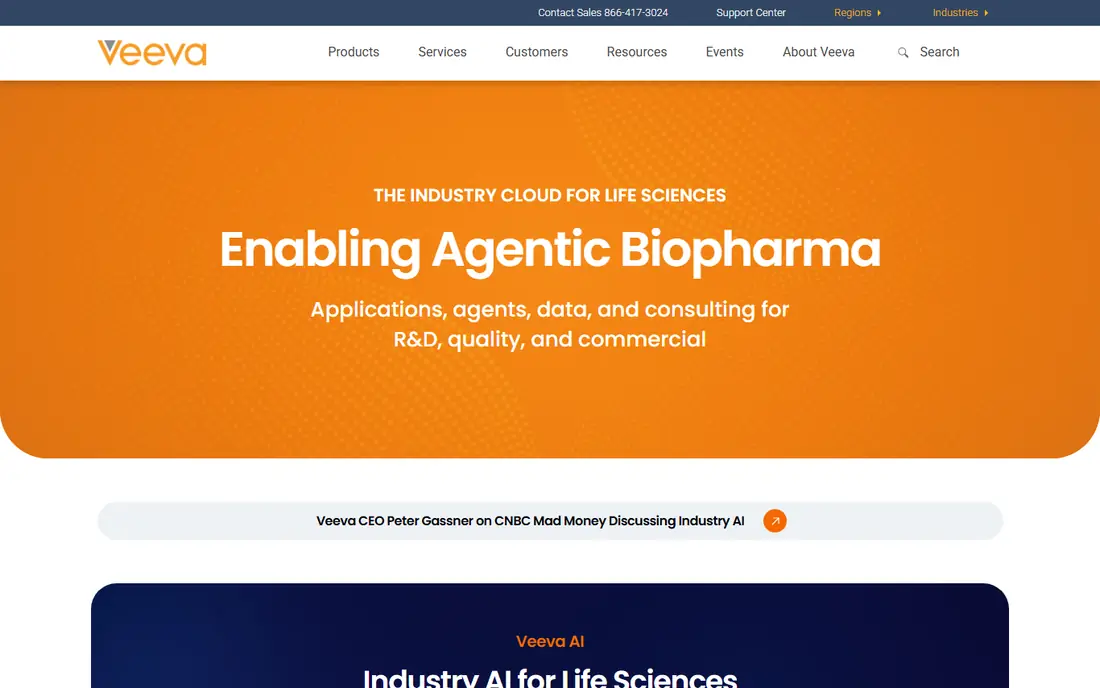
Veeva Vault CTMS is the market leader for large, complex trials, and its strength is connection. Study, site, document, and regulatory data can share the Vault platform, which reduces the reconciliation work that happens when CTMS and trial master file systems live apart. For a global trial with many CROs and investigator sites, that shared structure helps teams keep one version of study status, site readiness, and document completeness. Compliance controls and audit trails are also built for inspection readiness.
The trade-off is scale and effort. Veeva is an enterprise purchase with implementation, configuration, and training costs, and new users need time to learn the system. Smaller sponsors may find the platform more than they need for a single study. For a large sponsor or CRO running a portfolio of global trials, Veeva is the safest default to evaluate first.
- Unified CTMS, eTMF, and regulatory suite
- Strong audit trails and compliance controls
- Mature global deployment
- Enterprise pricing and implementation effort
- Steep learning curve for new users
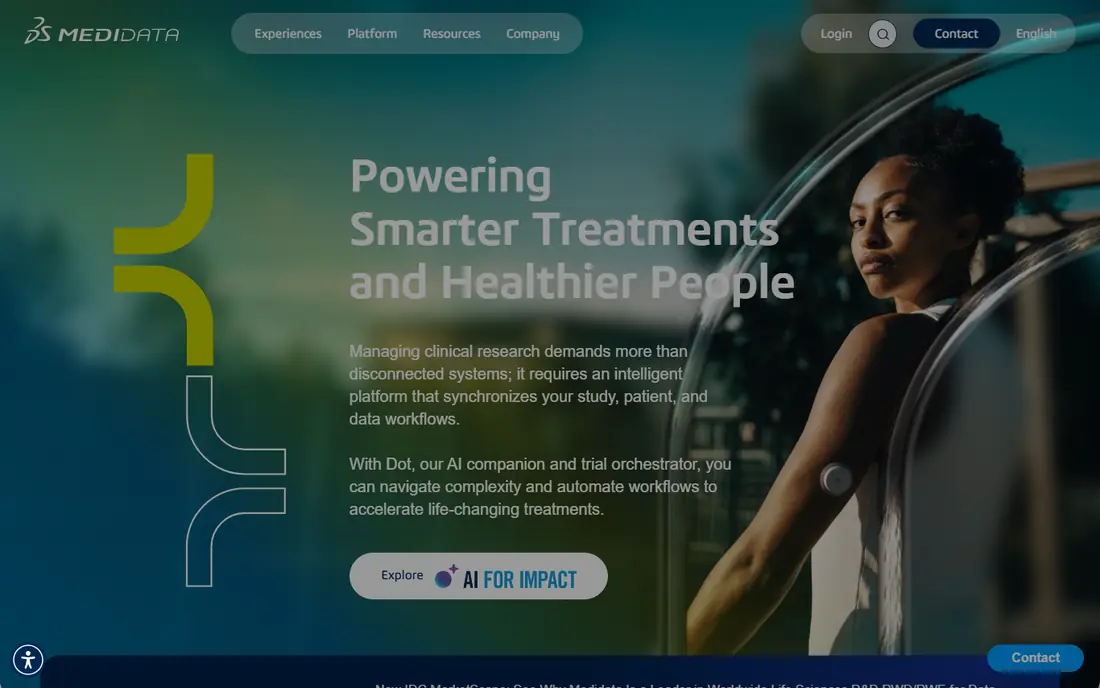
Medidata CTMS suits teams that want trial operations closely tied to clinical data. Its link to Medidata Rave electronic data capture gives operations teams a clearer view of enrollment, data status, and site performance without waiting for separate reports. Risk-based monitoring features help teams focus visits and checks where the data suggests risk, rather than treating every site the same. For midsize and large CROs and biotechs, that data connection is a practical advantage.
The limit is ecosystem fit. Medidata CTMS delivers the most value when a team already uses Medidata for data capture and related tools, and pricing is quote-based for enterprise use. Teams that use a different data capture system should check integration effort before committing. If data visibility drives your operations decisions, Medidata deserves a close look.
- Strong link to Medidata Rave data capture
- Real-time operational insight
- Risk-based monitoring features
- Best value when already using Medidata tools
- Enterprise pricing and setup effort
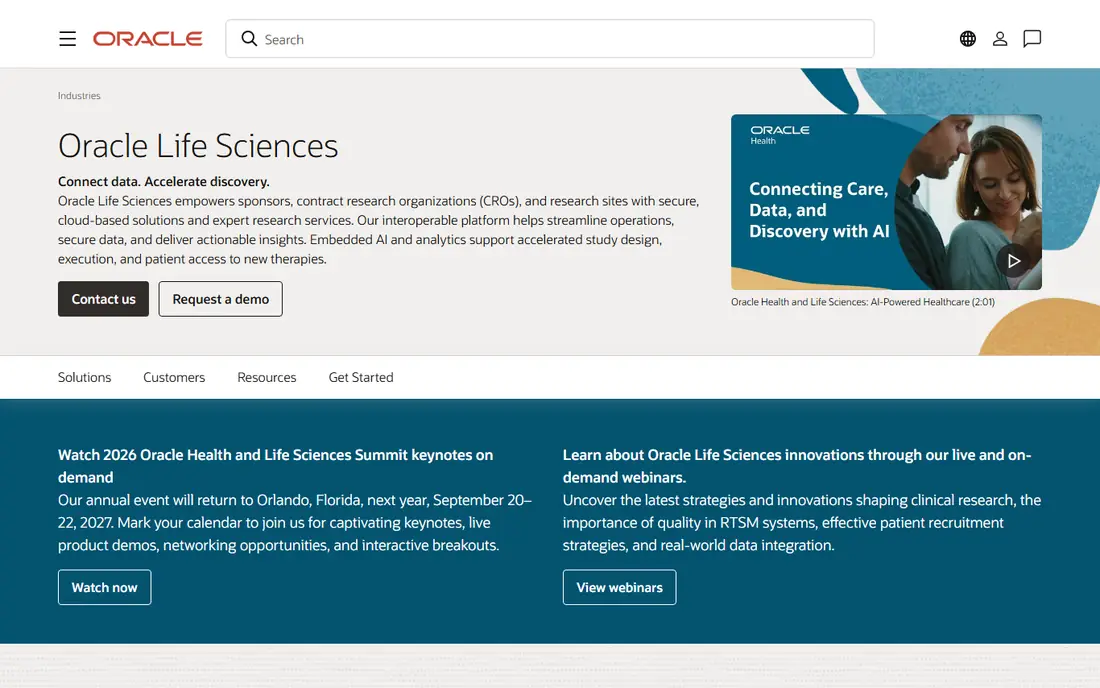
Oracle Life Sciences CTMS fits large enterprises that already run Oracle systems or need a broad clinical operations portfolio. It can sit alongside Oracle tools for data, safety, and trial master file work, which helps large sponsors keep operations, documents, and data in a connected environment. Global scale, enterprise support, and long product history are strengths for organizations with many concurrent trials and strict governance needs.
The downside is complexity. Implementation can be long, and the platform is not designed as a light tool for a small sponsor running one study. Cost is also quote-based and depends on modules, studies, and users. For a large enterprise clinical ecosystem, Oracle is a credible choice. For a lean team, a smaller CTMS will usually move faster.
- Part of a broad Oracle clinical portfolio
- Strong for large enterprise deployments
- Global scale and support
- Complex implementation
- Less appealing for small, single-study teams
Advarra OnCore is widely used by academic medical centers and research institutions, and that focus shows in its workflow. It covers study startup, subject tracking, visit schedules, and research billing in a way that fits how academic sites actually run trials. For a research center managing many investigator-led and sponsor trials, OnCore helps keep protocol, subject, and financial data in one governed system. That structure also supports reporting to institutional leadership.
The trade-off is fit for commercial sponsors. OnCore is at its best for research sites and centers, rather than for a global sponsor managing a CRO portfolio. Implementation and training still take effort, because research workflows vary by institution. If you run trials from an academic or hospital research setting, OnCore should be high on your shortlist.
- Built for academic medical centers and research sites
- Strong study, subject, and financial tracking
- Mature research workflow
- Setup and training effort for research teams
- Less focused on commercial sponsor portfolios
Castor suits teams that want a lean, flexible study platform without an enterprise implementation project. Its data capture and study management tools cover many smaller and midsize trials, and setup is faster than on large CTMS suites. For academic teams, startups, and CROs running focused studies, that speed matters, because a trial should not wait months for software configuration. Castor also offers a clear path from a small study to a larger one as needs grow.
The limit is scale. Castor does not match Veeva or Oracle for the deepest enterprise CTMS, eTMF, and regulatory integration across a global portfolio. Teams should check which CTMS features are included in their plan and which need another module. For lean studies and teams that value speed and flexibility, Castor is a strong option.
- Flexible electronic data capture and study tools
- Faster setup than enterprise CTMS
- Good for smaller studies
- Less depth for very large global portfolios
- Enterprise CTMS features vary by plan and module
Viedoc is a strong mid-market choice, often praised for a clear interface and a practical study setup. It covers study design, data capture, and trial management needs for sponsors and CROs that do not want enterprise complexity. Study-based licensing, where offered, can also make costs easier to predict than per-seat enterprise pricing, because the price follows the study rather than every viewer. That model helps smaller sponsors plan a trial budget.
The trade-off is breadth. Viedoc does not offer the same full enterprise suite as Veeva or Oracle, so a very large sponsor with many connected systems should check integration and module coverage carefully. For a midsize sponsor or CRO that wants a usable, configurable platform without a long implementation, Viedoc is a very good fit.
- Intuitive interface
- Study-based licensing in many cases
- Configurable eTMF and study tools
- Less enterprise breadth than Veeva
- Integration needs checking for complex portfolios
Cloudbyz CTMS offers a configurable, cloud-based approach to trial management, with study, site, monitoring, and visit tracking in one system. Because it is built on a widely used cloud platform, teams can adapt workflows and reports to their study design rather than forcing every trial into a fixed template. That flexibility helps CROs and sponsors that run varied study types and need different site and visit structures across protocols.
The limit is vendor scale and proof. Cloudbyz is less widely known than the largest CTMS vendors, so buyers should check references, validation support, and integration with their data capture and document systems. Implementation scope also varies by study complexity. For a team that wants configurability and a cloud setup without enterprise weight, Cloudbyz is worth a demo with a real protocol in hand.
- Cloud-based and configurable
- Covers study, site, and visit management
- Built on a widely used cloud platform
- Smaller vendor profile than Veeva or Medidata
- Implementation scope varies by study needs
TrialKit is a budget-friendly option for teams that need to build and run a study without enterprise pricing. It covers study design, data capture, and core trial management tasks in a system that smaller teams can learn quickly. For academic groups, small CROs, and early-stage biotechs, that low barrier matters, because a trial budget should go to research and sites, not to a long software project. TrialKit also suits teams that run a limited number of studies at a time.
The catch is scale and compliance depth. Very large global trials with complex CTMS, eTMF, and safety integration will usually need a larger platform. Buyers should confirm validation, audit trail, and data export features against their regulatory needs before choosing TrialKit for a regulated trial. For smaller, well-scoped studies, it is a practical and affordable pick.
- Lower cost entry for study builds
- Covers data capture and study management basics
- Faster for smaller teams
- Less depth for large global trials
- Enterprise compliance and integration needs careful checking
How we picked these
We compared official vendor pages and public CTMS comparisons for systems that are live in 2026 and that cover study startup, site management, monitoring, and trial oversight. We favored a mix of enterprise suites and leaner platforms, so sponsors, CROs, and research centers can compare fit by trial size. We did not claim hands-on testing, and we did not publish prices that vendors quote privately, so all starting prices here read See website.
What to check before you choose
Start with a real protocol, not a feature checklist. Map study startup steps, site activation, visit schedules, monitoring visits, and closeout, then ask each vendor to show those steps in a demo. Check audit trails, user permissions, validation support, and data export, because those controls matter for inspection readiness. Also check how the CTMS connects to your data capture, document, safety, and finance systems, since manual transfers create errors and delays.
Next, model total cost and time. Ask for implementation, validation, training, and support costs, and confirm whether pricing follows studies, users, or modules. A system that looks cheap on license alone can become costly once implementation is added. Finally, talk to reference customers with a similar trial size and type, and confirm support hours and response times for study-critical issues.
Frequently asked questions
What is the best CTMS software?
Veeva Vault CTMS and Medidata CTMS lead for large global trials, while Viedoc, Castor, and TrialKit suit smaller sponsors and CROs. Advarra OnCore is a strong pick for academic research centers. The best choice depends on trial size, regulatory needs, and existing systems.
What is the best CTMS platform for a small sponsor?
Viedoc, Castor, and TrialKit are good starting points for small sponsors, because setup is lighter and pricing is easier to model than enterprise suites. Check validation, audit trails, and data export before choosing any platform for a regulated trial.
How much does CTMS software cost?
Most CTMS vendors price by quote, based on studies, users, modules, and implementation scope. Enterprise suites cost far more than lean platforms once implementation and validation are included, so ask for a full first-year total, not only a license figure.
Is a CTMS the same as an EDC system?
No. A CTMS manages study operations, sites, visits, and monitoring, while an EDC system captures clinical data from case report forms. Many platforms offer both, and the link between them is a key buying factor.
Do I need a CTMS for a single small trial?
Not always. A single small trial can sometimes be managed with data capture tools, spreadsheets, and document systems, but that approach becomes risky as sites, visits, and monitoring grow. A CTMS pays off when operational tracking, compliance, and reporting need one governed source.
Sources
See where you really rank - block by block
ProMapRanker scans Google Maps across a grid of your service area. Simple monthly plans from $19, white-label on every plan.
Start freeKeep reading
 zscaler alternatives
Best Zscaler Alternatives in 2026
Looking for zscaler alternatives? We compare 9 SASE and zero trust platforms on architecture, data protection, pricing, and fit for your network and team.
Read → zapier alternatives free
Best Zapier Alternatives Free in 2026
Nine automation tools for zapier alternatives free in 2026, all with genuinely free tiers, plus free plan limits, starting prices and upgrade paths explained.
Read → which platform is best for online reputation
Which Platform Is Best for Online Reputation in 2026
Wondering which platform is best for online reputation? We compare 8 review, listing, and response tools for small and multi-location businesses and agencies.
Read →