 ProMapRanker
Best CRM Software for Nonprofits in 2026


Large nonprofits with admin support · Pricing starts at: $70 per user per month
Key takeaways
- Salesforce Nonprofit Cloud suits large teams with admin support, while smaller teams get more value from simpler donor databases.
- Bloomerang at $125 per month and Neon CRM at $99 per month are the clearest mid-priced starting points for most nonprofits.
- Little Green Light at $45 per month and CiviCRM at no license cost keep costs down, but they ask more of your team during setup.
- Quote-based enterprise tools only make sense once vendor count, chapters, or reporting needs outgrow a standard donor database.
Quick comparison
| Pick | Great for | Pricing starts at | Free tier | |
|---|---|---|---|---|
| Salesforce Nonprofit Cloud | Large nonprofits with admin support | $70 per user per month | No | Visit |
 Bloomerang | Donor retention for small to midsize nonprofits | $125 per month | No | Visit |
 DonorPerfect | Fundraising automation and donor reporting | $119 per month | Free trial | Visit |
 Neon CRM | Membership and all-in-one nonprofit teams | $99 per month | No | Visit |
 Blackbaud Raiser's Edge NXT | Large fundraising teams and institutions | See website | No | Visit |
 Virtuous | Automation-led midsize and large nonprofits | See website | No | Visit |
 Little Green Light | Small nonprofits on a tight budget | $45 per month | Free trial | Visit |
 CiviCRM | Technical teams that want open source control | Free | Yes | Visit |
 DonorSnap | Growing nonprofits that want low-cost depth | $50 per month | Free trial (30 days) | Visit |
 Givebutter | Small nonprofits focused on campaigns | Free | Yes | Visit |
The best CRM software for nonprofits
We compared donor databases on price, donor tracking, fundraising tools, and how much setup help a small team really gets.
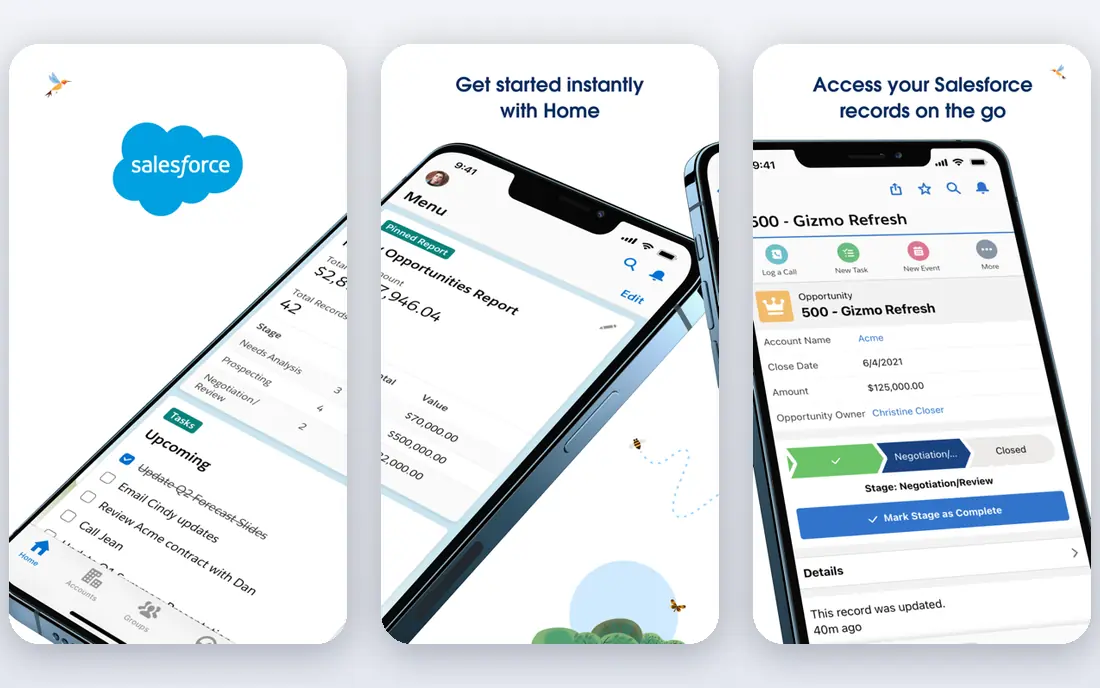
Salesforce Nonprofit Cloud fits large nonprofits that already have, or plan to hire, someone to manage the system. Its nonprofit data model brings donors, gifts, programs, and grants into one place, and its reporting can answer questions that simpler databases cannot. For a team comparing options on large nonprofits with admin support, that combination is worth testing with real data, since feature pages alone do not show how daily work feels.
The catch is the total effort, not just the license price. Setup, training, and ongoing administration take time, and teams without that capacity can end up with a powerful tool that few staff members use well. Before you commit, check the current pricing page for your team size and confirm trial terms, since prices and limits change. If the tool passes that check, it earns a place on a shortlist of two or three for a proper trial.
- Donated licenses for eligible nonprofits
- Deep custom reporting
- Broad integration options
- Needs implementation help
- Quote-based add-ons
- Steep learning curve for small teams
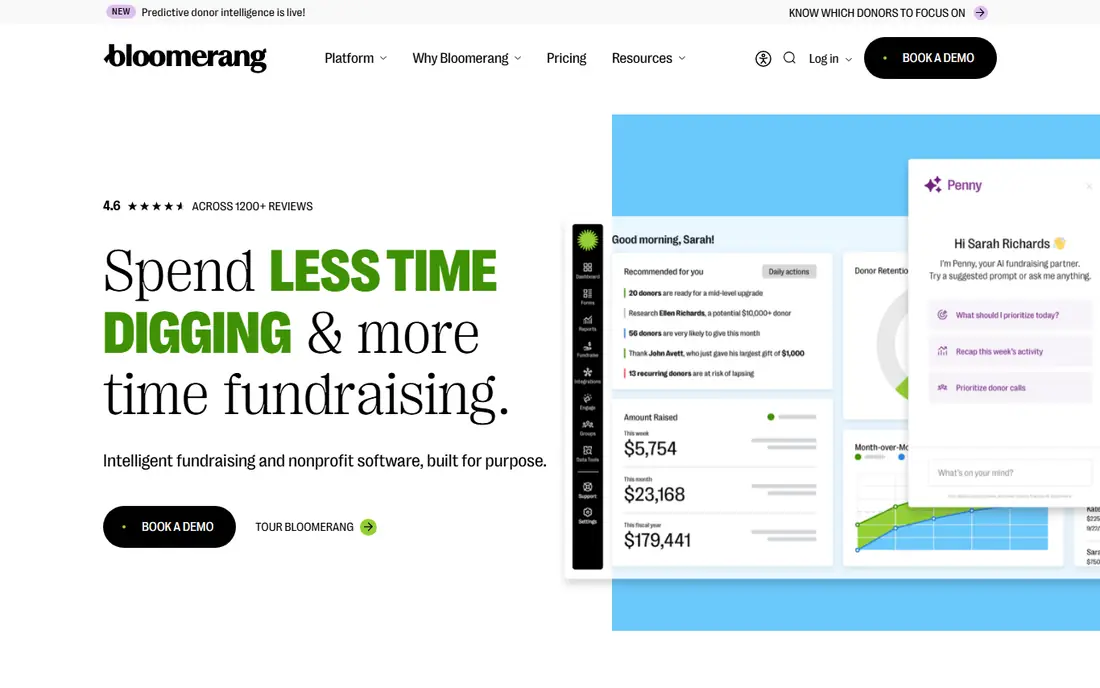
Bloomerang fits nonprofits that want to keep more of the donors they already have. Its engagement scoring and retention views help staff see who is drifting away and who may be ready for a larger gift, without building custom reports. For a team comparing options on donor retention for small to midsize nonprofits, that combination is worth testing with real data, since feature pages alone do not show how daily work feels.
The catch is the modular price. The CRM alone starts at $125 per month billed annually, and fundraising tools add to that bill, so check the combined total before you sign. Before you commit, check the current pricing page for your team size and confirm trial terms, since prices and limits change. If the tool passes that check, it earns a place on a shortlist of two or three for a proper trial.
- Unlimited users
- Engagement and retention reporting
- Straightforward donor records
- Fundraising tools cost extra
- Price rises with record count
- No free plan
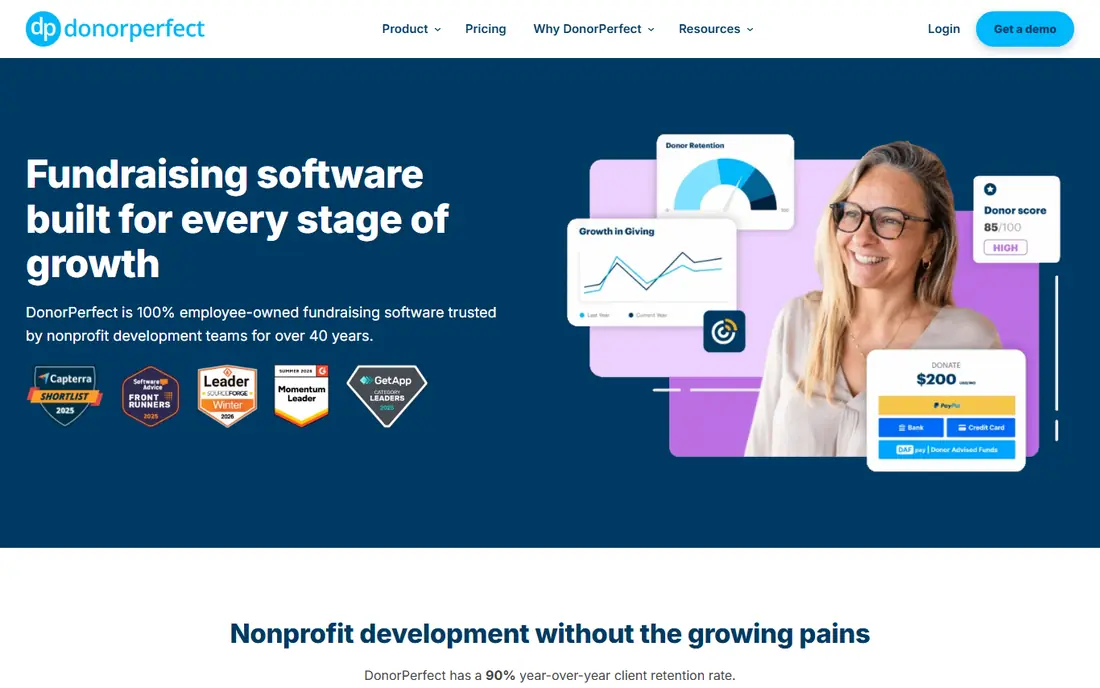
DonorPerfect fits development teams that want a proven fundraising database with room to customize screens and reports. Its reporting and automation tools support regular appeals, pledge tracking, and donor segmentation for teams that run frequent campaigns. For a team comparing options on fundraising automation and donor reporting, that combination is worth testing with real data, since feature pages alone do not show how daily work feels.
The catch is the look and feel. Some screens feel older than newer rivals, so run a trial with your real donor data and see whether your team finds daily work quick or clumsy. Before you commit, check the current pricing page for your team size and confirm trial terms, since prices and limits change. If the tool passes that check, it earns a place on a shortlist of two or three for a proper trial.
- Long track record
- Flexible donor screens
- Strong reporting options
- Interface feels dated in places
- Pricing varies by records and tier
- Add-ons add cost
Neon CRM fits small and midsize nonprofits that want donations, memberships, and events in one system. Its revenue-based pricing means a growing contact list alone does not push the bill up, which suits groups with large mailing lists and modest income. For a team comparing options on membership and all-in-one nonprofit teams, that combination is worth testing with real data, since feature pages alone do not show how daily work feels.
The catch is the module math. Memberships, volunteers, and events each add to the subscription, so price the full set you need rather than the base plan alone. Before you commit, check the current pricing page for your team size and confirm trial terms, since prices and limits change. If the tool passes that check, it earns a place on a shortlist of two or three for a proper trial.
- Unlimited users and records
- Revenue-based pricing
- Membership, events, and volunteer modules
- Modules add a percentage to the bill
- Onboarding can add cost
- Price rises with revenue
Blackbaud Raiser's Edge NXT fits large fundraising operations with complex campaigns, major gifts, and prospect research needs. Its depth in gift processing, prospect management, and campaign reporting is hard to match in a smaller donor database. For a team comparing options on large fundraising teams and institutions, that combination is worth testing with real data, since feature pages alone do not show how daily work feels.
The catch is scale and cost. Pricing is quoted, setup takes planning, and small teams can pay for capacity they will not use for years. Before you commit, check the current pricing page for your team size and confirm trial terms, since prices and limits change. If the tool passes that check, it earns a place on a shortlist of two or three for a proper trial.
- Deep fundraising and prospect tools
- Strong gift and campaign tracking
- Large user community
- Quote-based pricing
- Implementation can be long
- More than small teams need
Virtuous fits nonprofits that want fundraising automation to do more of the follow-up work. It watches donor behavior signals and triggers outreach and moves management steps, which can help a busy development team stay in touch with more donors. For a team comparing options on automation-led midsize and large nonprofits, that combination is worth testing with real data, since feature pages alone do not show how daily work feels.
The catch is the entry cost and setup. Pricing is quoted and onboarding is part of the deal, so it suits teams that treat automation as a core strategy rather than a nice extra. Before you commit, check the current pricing page for your team size and confirm trial terms, since prices and limits change. If the tool passes that check, it earns a place on a shortlist of two or three for a proper trial.
- Donor behavior signals
- Automated outreach
- Strong business intelligence
- Quote-based pricing
- Mandatory onboarding costs
- Oversized for very small teams
Little Green Light fits small development teams that want a capable donor database without a large monthly bill. Every tier includes the same feature set, and pricing is based on record count rather than seats, so volunteers and board members can have access without extra seat fees. For a team comparing options on small nonprofits on a tight budget, that combination is worth testing with real data, since feature pages alone do not show how daily work feels.
The catch is support and polish. Support is email only, and the interface is plain next to pricier rivals, but for teams that value low cost and simple records, that trade can be worth making. Before you commit, check the current pricing page for your team size and confirm trial terms, since prices and limits change. If the tool passes that check, it earns a place on a shortlist of two or three for a proper trial.
- Low starting price
- Unlimited users
- Same features on every tier
- Email-only support
- Plainer interface
- Fewer built-in marketing tools
CiviCRM fits nonprofits with technical help that want full control over their donor data and no license fees. As open source software, it covers contacts, contributions, memberships, events, and mailings, and it can be shaped to fit unusual workflows. For a team comparing options on technical teams that want open source control, that combination is worth testing with real data, since feature pages alone do not show how daily work feels.
The catch is the work behind the free license. Hosting, setup, updates, and troubleshooting fall to your team or a partner, so budget for that time even though the software itself costs nothing. Before you commit, check the current pricing page for your team size and confirm trial terms, since prices and limits change. If the tool passes that check, it earns a place on a shortlist of two or three for a proper trial.
- No license cost
- Membership and event tools
- Full data control
- Needs technical setup and hosting
- Support comes from community and partners
- Learning curve
DonorSnap fits growing nonprofits that want real donor management at a genuinely low starting price. Every plan includes the full feature set, including donation tracking, recurring giving, email marketing, and custom reporting, with no locked modules. For a team comparing options on growing nonprofits that want low-cost depth, that combination is worth testing with real data, since feature pages alone do not show how daily work feels.
The catch is the one-time setup fee and the plain design. If you can accept those two points, the monthly value is strong for teams moving past spreadsheets. Before you commit, check the current pricing page for your team size and confirm trial terms, since prices and limits change. If the tool passes that check, it earns a place on a shortlist of two or three for a proper trial.
- Unlimited users
- Full feature set on every plan
- Built-in donation forms
- Setup fee applies
- Interface is plain
- Event tools are separate products
Givebutter fits small nonprofits that run campaigns and events and want to avoid a monthly subscription. It combines fundraising pages, events, and basic donor records in one place, which can replace several separate tools for a small team. For a team comparing options on small nonprofits focused on campaigns, that combination is worth testing with real data, since feature pages alone do not show how daily work feels.
The catch is depth. It is not a full enterprise donor database, so larger teams with complex reporting needs may outgrow it, but for campaign-led fundraising the free start is hard to beat. Before you commit, check the current pricing page for your team size and confirm trial terms, since prices and limits change. If the tool passes that check, it earns a place on a shortlist of two or three for a proper trial.
- No subscription cost
- Campaign and event tools
- Donor records included
- Platform relies on optional donor tips
- Deeper CRM reporting is limited
- Processing fees still apply
How we picked these
We compared official feature pages, pricing pages, and app store listings, along with public user reviews, for each product in this list. We kept only products that exist and work today and that truly fit the topic, and we left prices as See website where a vendor quotes rather than publishes a price.
We also weighed who each product serves best, since the right pick for a large team is rarely the right pick for a solo owner. That focus on fit, price, and honest limits shaped the order and the trade-offs in every product section above.
How to choose a nonprofit CRM without overbuying
Start with your donor count and your gift volume, not with a feature list. A database priced by records can grow expensive as old contacts stay in the system, while a revenue-based price rises as fundraising improves. Ask each vendor what happens to your bill if your database doubles and if your income stays flat for a year.
Check the daily jobs before the demo ends. Can a new staff member add a gift, send a receipt, and pull a list of lapsed donors without help? If those three tasks feel awkward, the tool will cost staff time every week, whatever the monthly price says.
Plan the move from your current system. Ask about import help, duplicate matching, and how long old gift history stays usable in reports. A clean import matters more than a long list of extra modules you may never open.
Frequently asked questions
What is the best nonprofit database software for a small team?
For a small team, a simple donor database with unlimited users and clear record pricing usually works best. Little Green Light and DonorSnap keep the monthly bill low, while Bloomerang adds retention reporting when the budget allows.
What are the best nonprofit CRM tools and platforms for membership groups?
Neon CRM stands out for membership groups because memberships, events, and donations share one supporter record. CiviCRM also handles memberships well for teams with technical help, and its open source model keeps license costs at zero.
Is Salesforce a good nonprofit CRM?
Salesforce Nonprofit Cloud is a strong choice for large nonprofits with staff who can manage it. Eligible nonprofits can receive donated licenses, but implementation, training, and ongoing administration still need a real budget.
Do nonprofit CRMs include fundraising tools?
Many do, but the depth varies. Some include donation forms and campaign tracking in the base price, while others sell fundraising as a separate module. Confirm what is included before you compare headline prices.
What is the best tool for nonprofit CRM reporting?
The best reporting tool depends on your questions. Bloomerang focuses on retention and engagement, Virtuous focuses on donor behavior signals, and Salesforce offers the deepest custom reporting for teams that can build it.
Sources
See where you really rank - block by block
ProMapRanker scans Google Maps across a grid of your service area. Simple monthly plans from $19, white-label on every plan.
Start freeKeep reading
 zoho inventory alternatives
6 Alternatives to Zoho Inventory, Compared on Price and Fit
Zoho Inventory alternatives: 6 tools compared on price, free plans and fit. Katana leads the list for manufacturers. Fit and flaws are laid out for each entry.
Read → zoho crm alternatives
Best Zoho CRM Alternatives (2026)
Need Zoho CRM alternatives? We compare 7 tools on cost, free access and who each suits. Every pick gets a straight assessment. Built for quick decisions.
Read → zelle alternatives
Best Zelle Alternatives in 2026
Compare the best Zelle alternatives for sending money to friends, paying sellers and moving funds abroad, with honest notes on fees, speed and safety in 2026.
Read →