 ProMapRanker
Best Credit Card Company in 2026

Key takeaways
- Chase and American Express lead for travel rewards and transfer partners, while Capital One offers simpler flat-rate earning and strong travel cards.
- Citi, Discover, Wells Fargo, and Bank of America offer strong no-annual-fee cards for cash back and everyday spending.
- The best company for you depends on where you spend, whether you travel, and whether you run a business.
- No rewards rate survives carrying a balance: pay in full each month, or interest will outweigh the rewards you earn.
Quick comparison
| Pick | Great for | Pricing starts at | Free tier | |
|---|---|---|---|---|
 Chase | Travel rewards and transfer partners | $0 per year | Yes | Visit |
 American Express | Premium travel and dining rewards | $0 per year | Yes | Visit |
 Capital One | Simple travel miles | $0 per year | Yes | Visit |
 Citi | Cash back and transferable points | $0 per year | Yes | Visit |
 Discover | No-fee cash back for starters | $0 per year | Yes | Visit |
 Wells Fargo | Flat-rate cash back | $0 per year | Yes | Visit |
 Bank of America | Rewards for existing customers | $0 per year | Yes | Visit |
 U.S. Bank | Category cash back | $0 per year | Yes | Visit |
 Barclays | Co-brand and travel cards | $0 per year | Yes | Visit |
The best credit card companies
This article compares card issuers, not single cards, because the same company issues many cards with different fees and rewards. We compared official card ranges, rewards structures, no-fee options, travel perks, business cards, and support for US cardholders in October 2026. Starting price here means the annual fee of a no-annual-fee card from that issuer, where one is available, so you can start without paying a yearly fee. Premium cards from the same issuers cost more and are noted where they matter. Card terms, welcome offers, and interest rates change often, so confirm current terms with the issuer before you apply. Paying interest on a carried balance will quickly outweigh rewards.
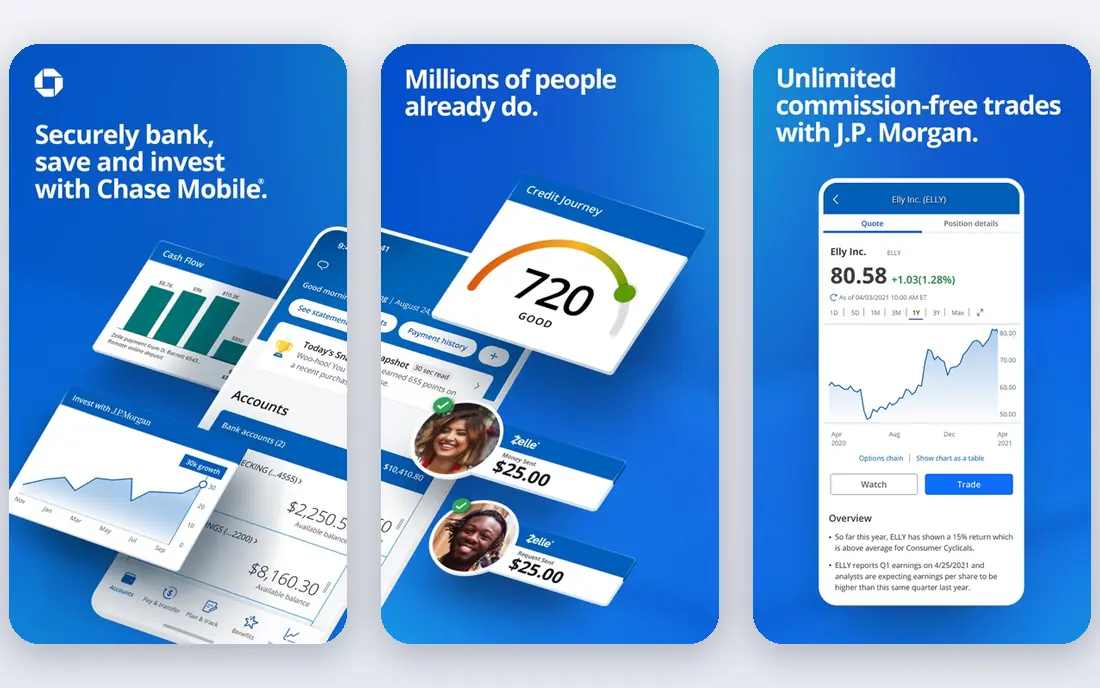
Chase is our pick for most rewards-focused cardholders. The Freedom Unlimited card has no annual fee and earns cash back on travel booked through Chase, dining, and everyday spending, while Sapphire Preferred adds transferable points for a $95 annual fee. Points transfer to airline and hotel partners, where experienced travellers get the most value.
The catch is the premium tier. Sapphire Reserve now carries a $795 annual fee, offset in part by a $300 annual travel credit and other credits, but only frequent travellers who use those credits will come out ahead. If you travel, dine out often, and want flexible points, Chase is hard to beat.
- Ultimate Rewards points transfer to airline and hotel partners
- Strong range from no-fee cash back to premium travel cards
- Sapphire cards earn well on travel and dining
- Premium Sapphire Reserve annual fee is high at $795
- Best point value often requires travel redemption
- Business and personal rewards are separate
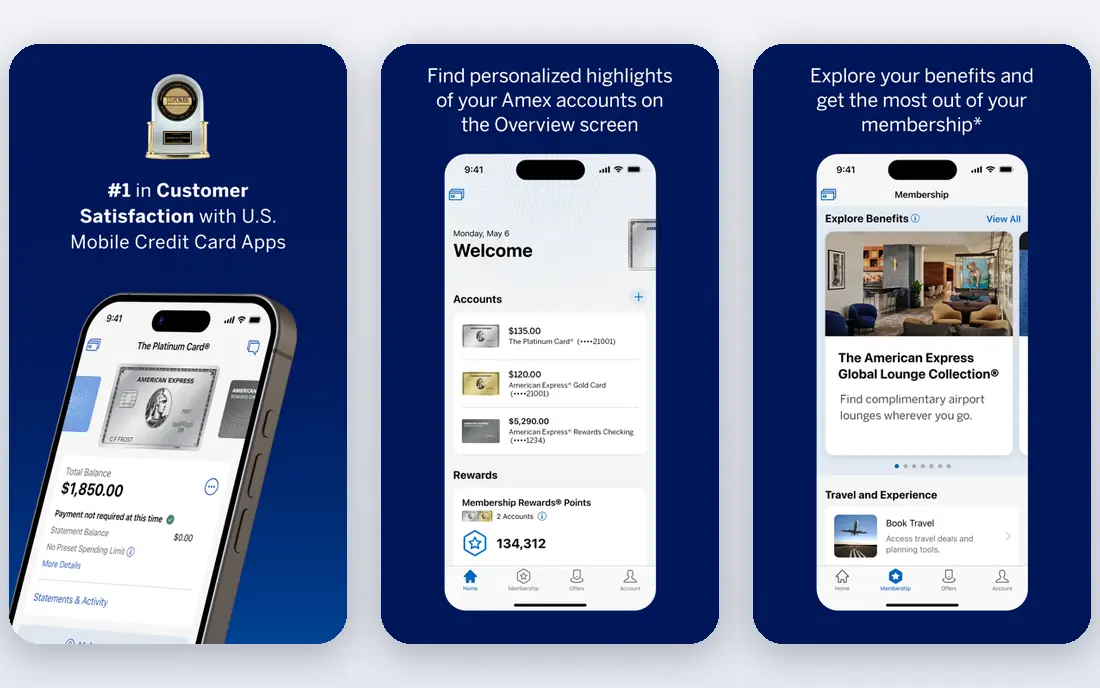
American Express suits cardholders who spend heavily on dining, groceries, and travel and who will use premium perks. Blue Cash Everyday has no annual fee and earns cash back at US supermarkets, while Gold earns 4x on dining and groceries for a $325 annual fee. Platinum, at $895 per year, adds lounge access, hotel status perks, and a long list of statement credits that only pay off if you use them.
The trade-off is acceptance and fee discipline. Amex is widely accepted in the US, but less so than Visa or Mastercard in some small businesses and abroad, so many Amex cardholders carry a second card. If you dine out often, travel several times a year, and track credits carefully, Amex rewards can be excellent. If you want a single simple card, look at Capital One or Wells Fargo first.
- Membership Rewards points transfer to many partners
- Gold earns 4x on dining and groceries
- Platinum offers broad lounge access and travel credits
- Premium annual fees are high, with Platinum at $895 and Gold at $325
- Amex is accepted in fewer places than Visa or Mastercard
- Best value requires using credits
Capital One is the simplest travel rewards company here. Venture Rewards earns unlimited 2x miles on every purchase for a $95 annual fee, while Venture X earns 2x on everyday spending and higher rates on travel booked through Capital One Travel, with a $300 annual travel credit against its $395 fee. Savor, with no annual fee, earns cash back on dining, entertainment, streaming, and groceries.
The weakness is transfer value. Capital One miles transfer to partners, but the partner list and typical value lag Chase and Amex for premium redemptions. That matters less if you redeem miles for travel through Capital One Travel at a fixed rate. For cardholders who want travel rewards without learning a complex points system, Capital One is our pick for simplicity.
- Venture cards earn flat-rate miles with simple redemption
- Savor earns cash back on dining and groceries with no annual fee
- Venture X adds lounge access for $395 per year
- Miles are often worth less than Chase or Amex points on premium transfers
- Premium credits require travel bookings through Capital One
- Business range is narrower than Chase or Amex
Citi suits cardholders who want a strong no-fee floor plus an upgrade path. Double Cash pays 1 percent when you buy and 1 percent when you pay, for 2 percent total with no annual fee, and rewards post as ThankYou points that can transfer on some cards. Strata Premier, for a $95 annual fee, earns 3x on flights, hotels, dining, groceries, and gas, which covers most everyday categories in one card.
The catch is availability. Citi has closed some cards to new applicants in 2026, so check current availability before planning a combination. Service and travel perks also feel thinner than Chase or Amex at the premium end.
- Double Cash pays 2 percent back with no annual fee
- ThankYou points transfer to partners on some cards
- Strata Premier earns 3x on travel, dining, and groceries
- Some popular cards have closed to new applicants
- Rewards structure varies sharply by card
- Premium travel perks lag Chase and Amex
Discover is a friendly first card company, especially for students and new cardholders. The it Cash Back card has no annual fee and pays 5 percent on rotating categories up to $1,500 in purchases each quarter after activation, plus 1 percent on other purchases. There are no foreign transaction fees on core cards.
The limits are category tracking and acceptance. Rotating categories reward attention, and you must activate them each quarter to earn the higher rate. Discover is also less widely accepted outside the US than Visa or Mastercard. As a no-fee starter card or a second card for rotating categories, Discover is excellent value.
- No annual fee on core cards
- It Cash Back pays 5 percent on rotating categories up to a quarterly cap
- It Miles matches miles in the first year
- Rotating categories require activation
- Acceptance abroad is weaker than Visa or Mastercard
- Premium travel cards are limited
Wells Fargo suits cardholders who want cash back without categories or points maths. Active Cash pays 2 percent on every purchase with no annual fee, paid in full at purchase rather than split across buying and paying. Autograph, also with no annual fee, pays 3x on travel, dining, gas, transit, and streaming, which covers a large share of everyday spending in one card.
The trade-off is travel upside. Wells Fargo points do not transfer to as many airline and hotel partners as Chase or Amex points, so premium travel redemptions offer less room to gain extra value. If you prefer cash back you can understand at a glance, Wells Fargo is one of the best no-fee companies in this list.
- Active Cash pays a flat 2 percent with no annual fee
- Autograph pays 3x on travel, dining, gas, and transit with no annual fee
- Simple redemption
- Transfer partners are limited compared with Chase or Amex
- Premium travel perks are thinner
- Welcome offers are modest
Bank of America is the pick for existing Bank of America customers. Travel Rewards pays 1.5x points on every purchase with no annual fee, rising with Preferred Rewards status for customers who hold qualifying balances. Customized Cash Rewards pays 3 percent in a category you choose, plus 2 percent at grocery stores and wholesale clubs, with no annual fee, which suits households with one dominant spending category.
The catch is that the best value is tied to the bank relationship. Without Preferred Rewards, base rates are solid but not leading. If you do not bank there, Chase, Citi, or Wells Fargo may offer more on their own.
- Travel Rewards card has no annual fee and no foreign transaction fees
- Preferred Rewards can boost cash back for account holders
- Customized Cash Rewards lets you pick a 3 percent category
- Best boosts require Bank of America accounts and balances
- Base earning rates are modest without Preferred Rewards
- Premium travel cards are limited
U.S. Bank suits households with predictable spending that fits its categories. Cash+ lets you pick two 5 percent cash back categories each quarter, plus a 2 percent category, with no annual fee, which can beat a flat 2 percent card if your spending is concentrated. Altitude Go pays 4x on dining, takeout, and delivery with no annual fee, making it a strong dining card without a premium fee.
The work is in the setup. You must choose categories each quarter and watch the quarterly cap on 5 percent earning. Travel rewards are more limited than at Chase or Amex, so U.S. Bank works best as a cash back company rather than a points transfer company.
- Cash+ lets you choose two 5 percent categories
- Altitude Go pays 4x on dining with no annual fee
- Business cards cover common company spending
- 5 percent categories carry a quarterly cap
- Earning requires choosing categories each quarter
- Travel transfer options are limited
Barclays earns its place through co-brand cards rather than a broad own-brand range. Its AAdvantage cards suit American Airlines flyers, with miles, free checked bag benefits on some cards, and priority boarding perks that depend on the tier. Other co-brand partnerships cover hotels and retail, giving loyal customers of those brands a direct way to earn rewards where they already spend.
The weakness is breadth. If you do not fly or stay with a Barclays partner brand, there is less reason to choose Barclays over Chase, Capital One, or Citi. Check the partner and fee terms for the exact card. For loyalists of a partner airline or hotel, Barclays can be the best company for that niche.
- Strong co-brand cards with airlines and hotels
- AAdvantage cards suit American Airlines flyers
- No-fee options exist in several co-brand ranges
- Core own-brand range is smaller than rivals
- Rewards depend heavily on the co-brand partner
- Service experience varies by card programme
How we picked these
We compared official card ranges, annual fees, rewards rates, no-fee options, travel and business cards, and support for US issuers live in October 2026. We favoured companies with a no-annual-fee entry card, a clear upgrade path, and rewards that fit common spending patterns, and we mixed travel points companies with cash back companies. We did not claim hands-on testing, and we did not include issuers we could not verify as active. Welcome offers and interest rates change often, so confirm current terms with the issuer before you apply.
How to choose a credit card company
Start with your spending, not with a welcome offer. List your top three monthly categories over the past three months, then match them to a card: dining and groceries point to Amex Gold or Capital One Savor, travel points to Chase Sapphire, flat spending to Wells Fargo Active Cash or Citi Double Cash, and chosen categories to U.S. Bank Cash+.
Next, work out the true annual cost. Subtract credits you will actually use from the annual fee, and ignore credits tied to services you would not buy anyway. A $395 card with a $300 travel credit you use costs $95 in effect, while a $795 card with credits you ignore costs $795. If the maths does not work, a no-fee card is the better choice, and there is no shame in that.
Business cards and company cards
If you run a business, look at the same companies through their business ranges. Chase Ink, Amex Business Gold, and Capital One Spark offer rewards on travel, advertising, shipping, and everyday company spending, with separate accounting that helps at tax time. Keep business and personal spending on separate cards, pay each balance in full, and check whether employee cards carry extra fees.
Credit, interest, and safety
Apply only for cards you can manage, keep utilisation low, and pay in full each month to avoid interest. Check your credit report regularly, set up alerts for large purchases, and use virtual card numbers where the issuer offers them for online shopping. If a card is lost or stolen, report it at once through the issuer app. Rewards are a bonus on spending you would do anyway, never a reason to spend more.
Frequently asked questions
What is the best credit card company?
Chase is our pick for travel rewards, American Express for premium dining and travel perks, and Capital One for simple travel miles. For cash back with no annual fee, Wells Fargo, Citi, and Discover are strong. The best company depends on your spending and whether you travel.
What is the best company credit card for rewards?
Chase Sapphire Preferred and Capital One Venture Rewards are strong all-around rewards cards, while Amex Gold suits heavy dining and grocery spending. For business rewards, Chase Ink Business Preferred and Amex Business Gold are leading options. Compare earning rates on your own top categories before you choose.
Which credit card company is best for beginners?
Discover, Wells Fargo, and Capital One offer friendly no-fee starter cards with simple rewards. Discover it Cash Back and Wells Fargo Active Cash both carry no annual fee and are easy to understand. Start with one no-fee card, pay in full, and build credit before adding a premium card.
What is the best company for credit cards with no annual fee?
Wells Fargo Active Cash, Citi Double Cash, Discover it Cash Back, Capital One Savor, and Chase Freedom Unlimited all carry no annual fee and cover different strengths. Pick the one whose earning categories match your spending, rather than the one with the largest welcome offer.
Do credit card rewards outweigh the annual fee?
They can, but only if you use the card's credits and earning categories. Add up the annual fee, subtract credits you will actually use, and compare the remaining cost with the rewards you expect from your normal spending. If rewards do not cover the fee, switch to a no-fee card.
Should I get cards from more than one company?
Two cards from different companies can work well: one for your main earning category and one as a backup with a different network. More than three cards adds complexity and can tempt overspending. Keep the setup simple, pay every balance in full, and review each card once a year.
Sources
- https://www.chase.com
- https://www.americanexpress.com
- https://www.capitalone.com
- https://www.citi.com
- https://www.discover.com
- https://www.wellsfargo.com
- https://www.bankofamerica.com
- https://www.usbank.com
- https://www.barclays.com
- https://savingsgrove.com/m/best-rewards-credit-cards
- https://www.onesmartdollar.com/best-rewards-credit-cards/
See where you really rank - block by block
ProMapRanker scans Google Maps across a grid of your service area. Simple monthly plans from $19, white-label on every plan.
Start freeKeep reading
 youtube alternatives
Best YouTube Alternatives in 2026
Looking for youtube alternatives in 2026? We compare Vimeo, Dailymotion, Twitch, Rumble, and more on price, audience, monetization, control and privacy.
Read → what's the best ai tool for photo editing
What Is the Best AI Tool for Photo Editing in 2026
What is the best AI tool for photo editing? We compare ten tools for 2026, from Photoshop and Lightroom to Luminar, Topaz, Canva and mobile editors today.
Read → twitter alternatives
Best Twitter Alternatives in 2026
Compare the best twitter alternatives for 2026, from Bluesky, Threads, and Mastodon to Reddit, Tumblr, and Micro.blog, with free plans and audience notes.
Read →