 ProMapRanker
Best Construction Companies to Work For in 2026


Engineers and builders who want large complex projects · Pricing starts at: See website
Key takeaways
- Turner and DPR appear most often in public employer recognition, but fit still depends on trade, office and project type.
- Employee owned firms in this list include DPR, Hensel Phelps and PCL, which some workers value for shared ownership.
- Skanska USA, Mortenson and Gilbane offer broad sector coverage across building and civil work.
- Clark, Suffolk and Hensel Phelps have strong regional bases, so location matters as much as firm size.
- Use careers pages, project lists and local office reviews to check current openings before you apply.
Quick comparison
| Pick | Great for | Pricing starts at | Free tier | |
|---|---|---|---|---|
| Turner Construction | Engineers and builders who want large complex projects | See website | No | Visit |
 DPR Construction | Builders focused on tech, life sciences and healthcare | See website | No | Visit |
 Skanska USA | Builders interested in sustainability and large civil work | See website | No | Visit |
 Mortenson | Builders who want sports, energy and commercial work | See website | No | Visit |
 Gilbane Building Company | Builders who want a long established national firm | See website | No | Visit |
 Hensel Phelps | Builders who want employee ownership and large projects | See website | No | Visit |
 Clark Construction | Builders in the Mid Atlantic and national markets | See website | No | Visit |
 PCL Construction | Builders who want a large employee owned contractor | See website | No | Visit |
 Suffolk | Builders who want tech driven construction management | See website | No | Visit |
The best construction companies to work for
This guide is based on public reputation, project work and employer recognition, not a verified ranking. Pay, benefits and working conditions vary by role, office and project, so confirm details with each employer. We compared official pricing, free tiers and core features for each option below. Start with the best fit for your main job, then check limits before you pay.
Turner Construction
Great for: Engineers and builders who want large complex projects
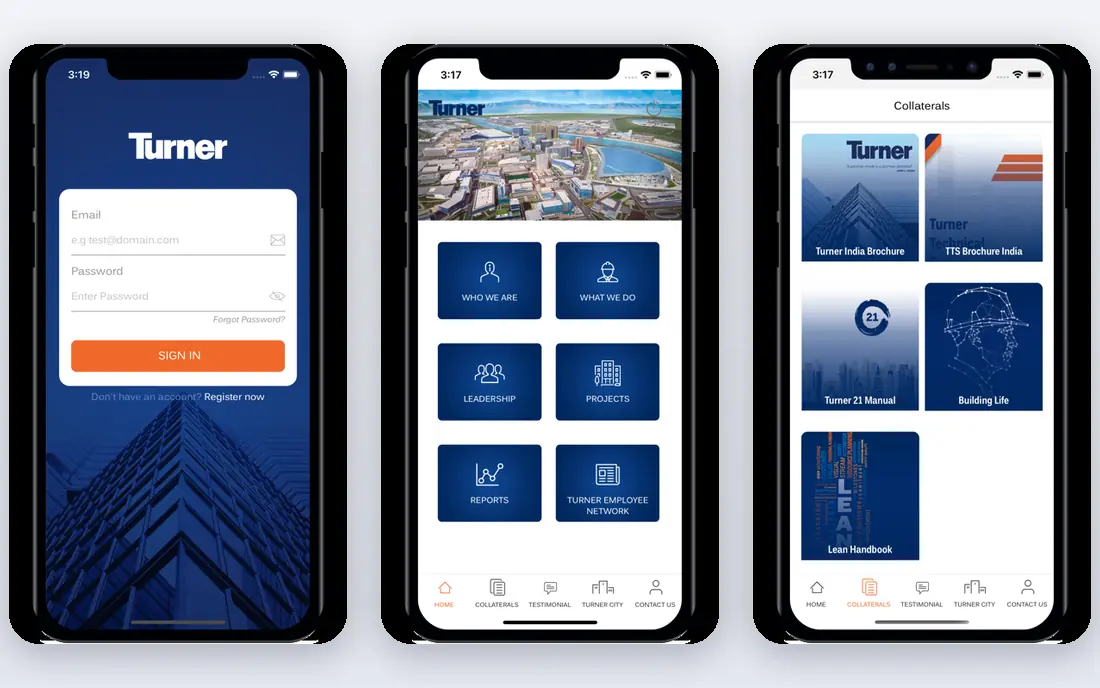
Turner Construction stands out for engineers and builders who want large complex projects. It gives a clear route into construction careers without forcing a full platform change on day one.
We compared its official pricing and feature pages with the other options in this list. The value case is strongest when you use its main strengths often and accept its limits. Check the current plan page before you buy, because tiers and credit rules change. A short trial or free tier, where offered, is the safest way to confirm fit.
- Very large project portfolio
- Public recognition on employer lists
- Structured development paths
- Large firm pace and process can feel slow
- Project location depends on assignment
For builders focused on tech, life sciences and healthcare, DPR Construction is a practical place to start. The core tools cover the daily job, and the limits show up mainly as you scale.
Our check focused on official pricing, free tiers and the features that matter most for this topic. DPR Construction is not the cheapest choice in every case, and it is not the most complete either. Its appeal is the balance it strikes for a defined group of users. Read the plan limits and any credit or contact caps before you commit.
- Employee owned structure
- Strong focus on complex technical projects
- Early career development program
- Technical project demands are high
- Roles cluster around major project markets
Skanska USA
Great for: Builders interested in sustainability and large civil work
Skanska USA earns its place here for builders interested in sustainability and large civil work. The setup is direct, and the main question is how well its limits fit your volume.
We looked at what Skanska USA includes at its starting price and what sits behind higher tiers. That gap matters more than the headline price. If your main need is already included, the value is strong. If you need the higher tier features, compare the full cost across two or three rivals before you sign up.
- Large US and global parent
- Civil and building work
- Safety and sustainability focus stated
- Large company structure varies by division
- Project mix differs by region
If builders who want sports, energy and commercial work is the priority, Mortenson deserves a close look. It handles the central tasks well, with a few trade offs to weigh.
The honest catch is the limit set out below. It does not make Mortenson a poor choice, but it does set the boundary for who should pick it. Small teams with a clear use case tend to get the most from it. Larger teams should test volume, permissions and support before rolling it out widely.
- Diverse project types
- Family owned history
- Growing national presence
- Role availability varies by office and market
- Travel can be part of project work
Gilbane Building Company
Great for: Builders who want a long established national firm
Gilbane Building Company stands out for builders who want a long established national firm. It gives a clear route into construction careers without forcing a full platform change on day one.
We compared its official pricing and feature pages with the other options in this list. The value case is strongest when you use its main strengths often and accept its limits. Check the current plan page before you buy, because tiers and credit rules change. A short trial or free tier, where offered, is the safest way to confirm fit.
- Long company history
- Wide sector coverage
- Offices across the US
- Experience varies by local office and project team
- Large firm processes apply
Hensel Phelps
Great for: Builders who want employee ownership and large projects
For builders who want employee ownership and large projects, Hensel Phelps is a practical place to start. The core tools cover the daily job, and the limits show up mainly as you scale.
Our check focused on official pricing, free tiers and the features that matter most for this topic. Hensel Phelps is not the cheapest choice in every case, and it is not the most complete either. Its appeal is the balance it strikes for a defined group of users. Read the plan limits and any credit or contact caps before you commit.
- Employee owned
- Large aviation, government and commercial portfolio
- Craft and professional roles
- Hiring is project driven
- Location depends on active work
Clark Construction
Great for: Builders in the Mid Atlantic and national markets
Clark Construction earns its place here for builders in the mid atlantic and national markets. The setup is direct, and the main question is how well its limits fit your volume.
We looked at what Clark Construction includes at its starting price and what sits behind higher tiers. That gap matters more than the headline price. If your main need is already included, the value is strong. If you need the higher tier features, compare the full cost across two or three rivals before you sign up.
- Large complex building portfolio
- Strong safety focus
- Many long term staff paths
- Most strength is regional
- Project assignment shapes day to day work
If builders who want a large employee owned contractor is the priority, PCL Construction deserves a close look. It handles the central tasks well, with a few trade offs to weigh.
The honest catch is the limit set out below. It does not make PCL Construction a poor choice, but it does set the boundary for who should pick it. Small teams with a clear use case tend to get the most from it. Larger teams should test volume, permissions and support before rolling it out widely.
- Employee owned
- Broad North American work
- Many offices and sectors
- Experience varies by district
- Large projects bring long hours at peak phases
Suffolk stands out for builders who want tech driven construction management. It gives a clear route into construction careers without forcing a full platform change on day one.
We compared its official pricing and feature pages with the other options in this list. The value case is strongest when you use its main strengths often and accept its limits. Check the current plan page before you buy, because tiers and credit rules change. A short trial or free tier, where offered, is the safest way to confirm fit.
- Focus on data and technology in delivery
- Large commercial and institutional work
- East Coast strength
- Regional strength is strongest in the Northeast
- Tech tools vary by project
How we picked these
We compared official feature pages, pricing pages and app store listings, and we checked that each product exists and fits the topic in October 2026. We favoured products with clear pricing, a usable free tier or trial where stated, and features that match the main job in the title. We left out products that did not fit, products with unclear availability, and any product we could not tie to an official homepage. Prices change, so confirm the live pricing page before you buy.
Choosing the right option
Start with the job you will do most often, not the longest feature list. Write down your list size or volume, the tools you already use, and the one feature you cannot do without. Then test two options on a free plan or trial with real data. Check three limits before you pay: the contact, credit or seat cap, what sits behind a higher tier, and how the price moves when you grow. Ask about support hours and cancellation terms too. The best choice is usually the tool that covers your main job at a price you can keep paying, rather than the tool with the most features you may never use.
Frequently asked questions
Which is the best construction company to work for?
There is no single best firm for every trade or location. Turner suits large complex projects, DPR suits technical work, and regional firms may suit workers who want to stay in one market.
What is the best construction company to work for in the US?
Large national firms in this list offer the widest project choice, but the best choice often comes down to office, trade and project assignment. Check local hiring and safety records for the office near you.
Do construction companies offer training?
Many large firms offer apprenticeships, early career programs and safety training, but details vary by trade and office. Ask the recruiter about the exact program, duration and placement before you accept a role.
Is construction work travel heavy?
It can be. Some roles stay on one site for months, while others move between projects. Ask about travel, hours during peak phases, and site location before you commit.
How should I compare construction employers?
Compare project type, office location, safety focus, training, and employee ownership where stated. Talk to current staff where possible, and read the careers page for the specific role rather than the firm as a whole.
Sources
See where you really rank - block by block
ProMapRanker scans Google Maps across a grid of your service area. Simple monthly plans from $19, white-label on every plan.
Start freeKeep reading
 zscaler alternatives
Best Zscaler Alternatives in 2026
Looking for zscaler alternatives? We compare 9 SASE and zero trust platforms on architecture, data protection, pricing, and fit for your network and team.
Read → zapier alternatives free
Best Zapier Alternatives Free in 2026
Nine automation tools for zapier alternatives free in 2026, all with genuinely free tiers, plus free plan limits, starting prices and upgrade paths explained.
Read → which platform is best for online reputation
Which Platform Is Best for Online Reputation in 2026
Wondering which platform is best for online reputation? We compare 8 review, listing, and response tools for small and multi-location businesses and agencies.
Read →