 ProMapRanker
Best Companies to Franchise in 2026

Key takeaways
- The best franchise for you depends on capital, time, and tolerance for hands-on work, not only on brand fame.
- Read the Franchise Disclosure Document, especially Item 19 financial performance and Item 7 investment ranges, before you sign anything.
- Talk to current and former franchise owners, and ask about royalties, marketing fees, labor costs, and real owner hours.
- Some top brands are hard to enter or limit multi-unit ownership, so have a backup brand in a different category.
Quick comparison
| Pick | Great for | Pricing starts at | Free tier | |
|---|---|---|---|---|
 McDonald's | Large-scale restaurant ownership | See website | No | Visit |
 Chick-fil-A | Hands-on operators | See website | No | Visit |
 Taco Bell | Youth-focused quick service | See website | No | Visit |
 Culver's | Midwest-style burger restaurants | See website | No | Visit |
 Wingstop | Focused chicken wing menu | See website | No | Visit |
 Jersey Mike's Subs | Sandwich shops | See website | No | Visit |
 Anytime Fitness | 24-hour fitness clubs | See website | No | Visit |
 The UPS Store | Retail shipping and print | See website | No | Visit |
 SERVPRO | Restoration services | See website | No | Visit |
The best companies to franchise
This is not financial advice. Franchise results vary by location, rent, labor, management, and debt, and past unit sales do not guarantee your profit. Use this list to shortlist brands, then study each Franchise Disclosure Document and speak with owners before you commit capital.
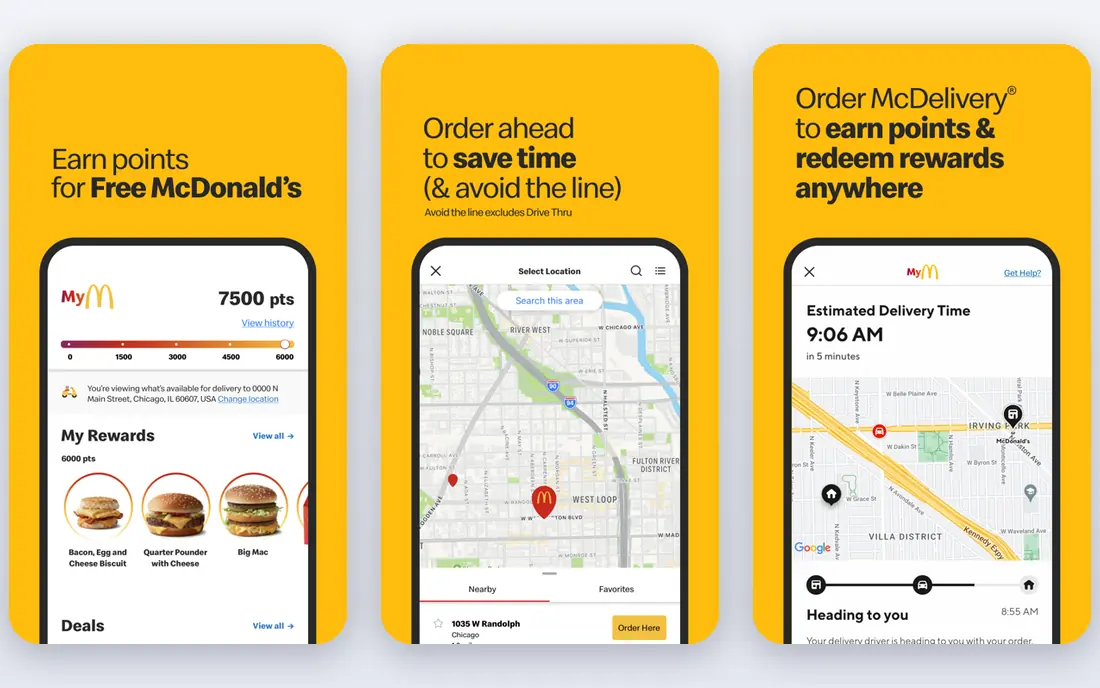
McDonald's remains the benchmark for many franchise buyers because its brand, supply chain, and operating systems are proven at scale. Qualified owners can build a portfolio over time, often by buying existing restaurants rather than building new ones. Training is extensive, and the brand keeps investing in drive-thru, delivery, and digital ordering.
The barrier is capital and access. Total investment is large, real estate costs can add more, and the company selects owners carefully. If you want a first business with a modest budget, McDonald's is likely out of reach, and a smaller brand will fit better.
- Global brand recognition
- Strong systems and training
- Multi-unit potential for qualified owners
- High total investment
- New US single-unit opportunities are scarce
- Strict owner requirements
Chick-fil-A attracts attention for its low $10,000 franchise fee, but that figure does not mean you buy a restaurant for that price. The company owns the real estate, building, and equipment, and it selects an operator to run the restaurant full time. Individual locations post some of the highest average sales in quick service, which explains the intense competition for each opening.
Think of Chick-fil-A as a career opportunity for an exceptional operator, not as a passive investment or a multi-unit empire. If you want to own the assets, build several units, or step back from daily work, a traditional franchise will suit you better.
- Very low franchise fee
- High average unit sales
- Strong customer loyalty
- Extremely selective
- Operator model, not traditional ownership
- Usually limited to one restaurant
Taco Bell suits buyers who want a well-known quick-service brand with a steady stream of new menu items and marketing. Its value menu and late-night positioning give it a distinct place beside burger chains, and its parent company, Yum Brands, brings scale in supply and technology. New formats, including smaller and drive-thru-focused stores, can lower build costs in some markets.
The range of total investment is wide, because location, format, and real estate change the cost a lot. Ask for the current Franchise Disclosure Document ranges, and model rent, labor, and food costs for your specific site. A strong brand does not fix a weak location or a thin labor pool.
- Strong youth appeal
- Menu innovation
- Backing of Yum Brands
- Investment range is wide
- Competition in quick service is intense
- Results vary by market
Culver's has built a loyal following around ButterBurgers, frozen custard, and friendly table service in a quick-service setting. Average unit sales are strong for a franchised burger brand, and the menu identity is easy for customers to understand. That clarity helps in new markets where diners need a reason to try an unfamiliar name.
The investment is substantial, and the company expects experienced operators who can run a full restaurant team. Culver's also favors multi-unit development in many territories. If you are a first-time owner with limited capital, ask early about territory, experience rules, and the full investment range before you spend time on site selection.
- Strong average sales for franchised units
- Loyal customer base
- Clear menu identity
- High investment including real estate
- Multi-unit expectations
- Prior restaurant experience often expected
Wingstop appeals to buyers who like a focused menu and a delivery-led model. Wings, tenders, fries, and sauces are easier to standardize than a large multi-category menu, and the format works well for takeout and delivery. That simplicity can help with training and speed, especially in smaller stores.
The risk is input cost and demand swings. Chicken prices move, delivery platforms take fees, and same-store sales can soften in a tough consumer market. Study recent performance in the Franchise Disclosure Document, talk to owners about margins after delivery costs, and model a weaker sales year before you sign.
- Simple focused menu
- Strong delivery and takeout model
- Efficient kitchen operations
- Chicken prices can swing
- Recent same-store sales trends need a close read
- Delivery fees affect margins
Jersey Mike's Subs offers a simpler path into restaurant franchising than a full kitchen concept. Sandwiches are made to order, equipment needs are modest, and stores can work in strip centers near offices, schools, and neighborhoods. The brand has grown steadily, and its fresh-sliced positioning gives it a clear point of difference from pre-made sandwich chains.
Lunch is the core daypart, so site selection and local marketing matter. A store in a weak lunch corridor will struggle even with a good brand. Ask owners about catering, dinner sales, and delivery mix, and check how many competing sandwich shops sit within a short drive of your target site.
- Simple operations
- Lower build cost than full restaurants
- Strong brand growth
- Lunch-driven sales pattern
- Many sandwich competitors
- Prime locations matter a lot
Anytime Fitness suits owners who want a service business without a restaurant kitchen. Clubs are open around the clock with secure access, and the footprint is smaller than a large health club. Membership fees create recurring revenue, and many owners run more than one club once the first site is stable.
Fitness is a local, competitive market. Budget gyms, boutique studios, and home workouts all compete for the same members, so retention work never stops. Ask owners about member churn, staffing for cleaning and support, and the cost of equipment replacement, and visit clubs at different hours before you commit.
- 24-hour access model
- Smaller footprint than big gyms
- Membership revenue base
- Local competition from budget gyms
- Staffing and safety needs
- Member churn is a constant job
The UPS Store is a practical option for buyers who want a retail business with steady daytime traffic and no late-night hours. Shipping, printing, mailbox rentals, and packing services serve local residents and small businesses, and the UPS brand gives instant trust. Many owners also add notary, shredding, and design services to widen revenue.
The business is local. A store near offices, apartments, and small firms will perform differently from one in a purely residential area with little business traffic. Ask owners about revenue mix, peak seasons, and how much income comes from a few large business accounts, because losing one account can change the year.
- Trusted shipping brand
- Print, mailbox, and small-business services
- Daytime retail hours
- Revenue depends on local small-business demand
- Shipping margins vary
- Lease and labor costs matter
SERVPRO serves homeowners and businesses after water damage, fire damage, mold problems, and storms. That demand does not depend on consumer trends in the same way as a restaurant, and much of the work is linked to insurance claims. The brand provides training, systems, and national marketing, which helps a new owner enter a technical trade.
The work is demanding. Emergency jobs can arrive at night or on weekends, and crews need training, safety gear, and reliable equipment. Revenue can also vary with weather and local events. Talk to owners about on-call rotas, staff retention, and how long insurance payments take, and be honest about whether emergency work fits your life.
- Demand tied to water, fire, and storm damage
- Insurance-related work
- National brand and training
- Emergency callouts and on-call work
- Equipment and staffing needs
- Revenue can be uneven
How we picked these
We compared franchise brands with current US franchising, published investment information, and a distinct owner profile, using official franchise pages and recent franchise reporting. We mixed restaurant and non-restaurant brands, and we favored brands with training, territory systems, and owner networks a buyer can check. We left out brands that do not franchise in the usual ownership sense, or that had no clear path for a new US owner.
What to check before you buy a franchise
Start with the Franchise Disclosure Document and read it in full, not just the marketing summary. Item 7 lists the investment range, Item 6 lists ongoing fees, Item 8 lists required suppliers, and Item 19 lists any financial performance claims. If a brand makes no Item 19 claim, ask owners directly for their experience, and treat any sales promise that is not in writing with care.
Speak with at least five current owners and two former owners, in markets similar to yours. Ask about total cash invested, time to break even, royalty and marketing fees, labor as a share of sales, and hours worked in the first year. Ask what they would do differently, and whether the franchisor helped when sales were weak.
Get independent advice before signing. A franchise lawyer can explain territory, renewal, transfer, and termination terms, while an accountant can test your business plan against realistic sales and costs. A franchise is a long contract, often ten years or more, so a few thousand dollars of advice at the start is cheap compared with a bad fit.
Matching the brand to your life
Be honest about hours, capital, and risk. A restaurant needs evenings, weekends, and hands-on management, while a service franchise may need emergency work. A low fee does not mean low total cost, and a famous brand does not mean an easy business. The best franchise is the one you can run well for years, in a market you understand, with cash reserves left after opening.
Frequently asked questions
What is the best company to franchise?
There is no single best franchise for every buyer. McDonald's suits well-capitalized multi-unit owners, Chick-fil-A suits hands-on operators, and brands such as Jersey Mike's, Anytime Fitness, and The UPS Store suit smaller budgets. Match investment, hours, and skills to the brand before you compare sales figures.
What are the best franchise companies for first-time owners?
First-time owners often do better with simpler operations, clear training, and a lower total investment. Jersey Mike's, Anytime Fitness, and The UPS Store are common starting points, but the right choice still depends on your market and experience. Talk to owners in similar towns, not only in large cities.
How much does it cost to buy a franchise?
Costs range from a low franchise fee plus build-out for smaller concepts, to well over $1 million for large restaurants with real estate. The Franchise Disclosure Document Item 7 gives the official range for each brand. Add working capital for the first months, because early sales rarely cover all costs at once.
Is Chick-fil-A really only $10,000 to franchise?
The franchise fee is $10,000, but Chick-fil-A owns the restaurant assets and selects an operator to run one location. That model differs from traditional ownership, where you own the business assets and may open more units. Read the operator terms carefully, and do not compare the fee alone with other brands.
Should I buy a franchise or start my own business?
A franchise gives you a brand, systems, training, and supplier relationships, in exchange for fees and rules. An independent business gives you full control, but you must build the brand and systems yourself. Choose a franchise when the brand and system are worth the fees in your market, and when you are comfortable following another company's rules.
Sources
See where you really rank - block by block
ProMapRanker scans Google Maps across a grid of your service area. Simple monthly plans from $19, white-label on every plan.
Start freeKeep reading
 zscaler alternatives
Best Zscaler Alternatives in 2026
Looking for zscaler alternatives? We compare 9 SASE and zero trust platforms on architecture, data protection, pricing, and fit for your network and team.
Read → zapier alternatives free
Best Zapier Alternatives Free in 2026
Nine automation tools for zapier alternatives free in 2026, all with genuinely free tiers, plus free plan limits, starting prices and upgrade paths explained.
Read → which platform is best for online reputation
Which Platform Is Best for Online Reputation in 2026
Wondering which platform is best for online reputation? We compare 8 review, listing, and response tools for small and multi-location businesses and agencies.
Read →