 ProMapRanker
Best Companies to Climb Kilimanjaro in 2026


Detailed route guidance and planning · Pricing starts at: See website
Key takeaways
- This guide is based on publicly reported factors such as routes, group style, and included support, not a verified ranking of safety or summit outcomes.
- Route length and acclimatization time matter more than brand name alone, so compare itineraries day by day before you compare prices.
- Local Tanzanian operators and international operators both appear here, and the right fit depends on group size, budget, and how much local support you want.
- Always ask about guide qualifications, porter welfare, included gear, and what happens if altitude illness forces a descent.
Quick comparison
| Pick | Great for | Pricing starts at | Free tier | |
|---|---|---|---|---|
| Ultimate Kilimanjaro | Detailed route guidance and planning | See website | No | Visit |
 Zara Tours | Large local operator with many departures | See website | No | Visit |
 Kilimanjaro Brothers | Tanzanian-owned group climbs | $2,200 per person | No | Visit |
 Tusker Trail | Small groups with a long track record | See website | No | Visit |
 Climb Kili | Small public groups and private climbs | See website | No | Visit |
 Intrepid Travel | Small-group travel with safari options | See website | No | Visit |
 G Adventures | Small-group trips for varied budgets | See website | No | Visit |
 Alpine Ascents International | Guided expeditions for North American climbers | See website | No | Visit |
 Kiliwarrior Expeditions | Local guiding with route education | See website | No | Visit |
The best companies to climb kilimanjaro
Climbing Kilimanjaro is a high-altitude trek, not a technical climb, but it still needs a licensed guide, porters, cooks, park permits, and a sensible pace. The companies below are widely mentioned in public guides and traveler discussions. We present them as options to compare, not as a verified ranking, and we do not claim verified safety records or success rates for any operator.
Ultimate Kilimanjaro is often mentioned first in public guides because it publishes extensive route and preparation material. That material helps a first-time climber understand the difference between a five-day direct route and a longer Lemosho itinerary, and why extra days can help with acclimatization. For a reader who wants to learn before booking, that depth is useful.
The practical step is to compare a specific itinerary, not the brand alone. Ask for the day-by-day plan, the group size, what gear is included, and what medical checks and evacuation support are arranged. A longer route with a slower pace may cost more, but it also gives your body more time to adjust, which many guides treat as the key planning choice.
- Wide route coverage with detailed planning material
- Health checks described in public guides
- Long presence on the mountain
- Prices vary by route and date, so quotes need a direct check
- Group size and inclusions vary by departure
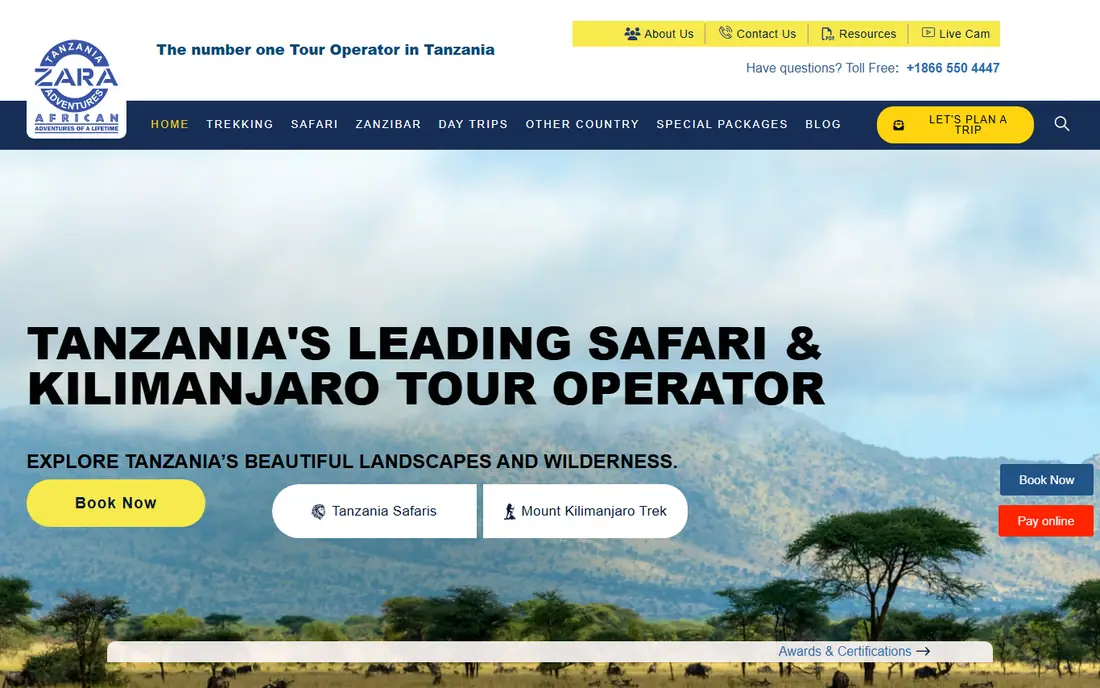
Zara Tours is a large Tanzanian operator based in Moshi, with its own hotels and safari operations alongside Kilimanjaro climbs. That scale can help with logistics, airport transfers, and pre-trek and post-trek stays, because many pieces sit under one company. It also offers a wide set of routes, which helps if your dates are fixed.
Scale has a trade-off. A larger operator may run larger groups on some departures, so ask for the maximum group size, the guide-to-climber ratio, and whether your climb is a set group or a private departure. Get the inclusions in writing, including meals, tents, sleeping gear, and park fees, before you compare the headline price with a smaller operator.
- Large Moshi-based operator with hotels and safari options
- Many route choices
- Frequent departures
- Larger scale can mean less personal feel on some departures
- Exact inclusions need a written quote
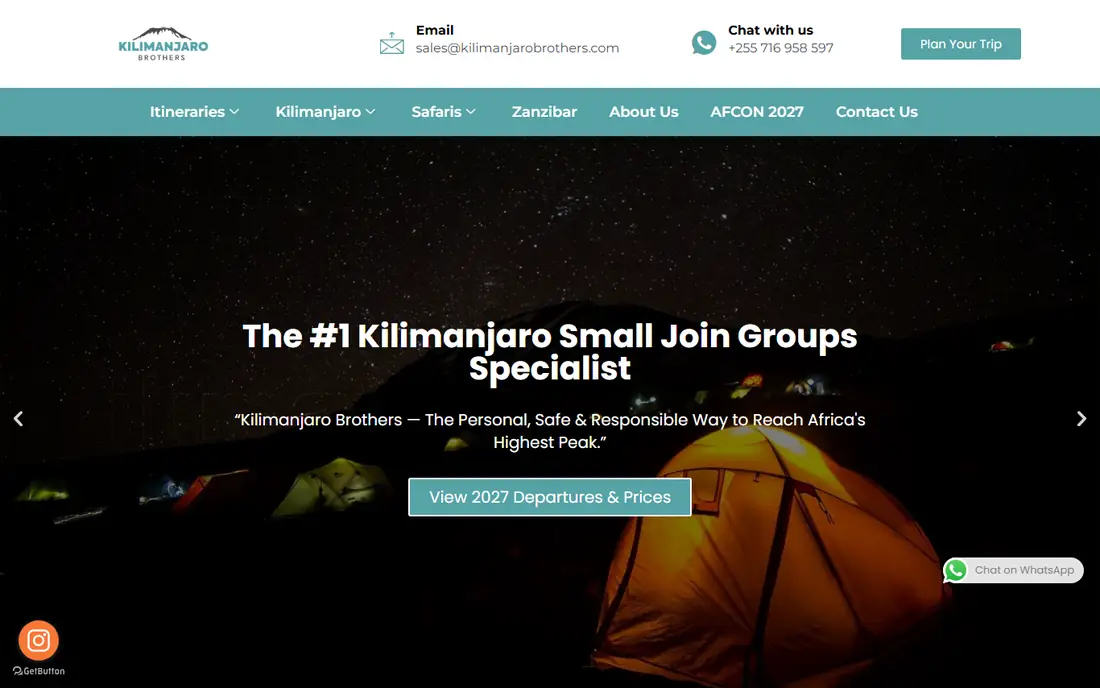
Kilimanjaro Brothers is a Tanzanian-owned company that runs scheduled group climbs, which suits solo travelers who want to join others rather than pay for a private trek. Its site lists group departures starting at 2,200 dollars per person, depending on route and date, with longer Northern Circuit and extended Lemosho climbs costing more. That published starting point makes early budgeting easier than a quote-only price.
Check the fine print on group size, deposit terms, and what happens if a group does not fill. Ask about guide experience, porter treatment, and the insurance cover you will need for high-altitude trekking and evacuation. A group climb can be social and affordable, but it works best when you are comfortable with a set pace and set dates.
- Tanzanian-owned operator
- Scheduled group climbs for solo travelers
- Published group starting price
- Group dates are fixed, so flexibility is limited
- Longer routes cost more than the starting price
Tusker Trail, also known as Tusker, presents itself around small groups and a long history of guiding on Kilimanjaro. Public material describes altitude management, medical support, and porter welfare as core parts of its climbs. For climbers who want a smaller group and a slower, managed pace, that focus is a clear selling point.
The cost reflects that positioning, with published route examples higher than budget group climbs. Before booking, compare the full itinerary, the included gear, and the pre-trek hotel nights, because those items change the total cost. Tusker Trail is a good shortlist option for climbers who value group size and preparation support over the lowest price.
- Small-group focus
- Long history on Kilimanjaro
- Published route prices on its site
- Higher price range than many budget operators
- Dates and routes are set by the operator
Climb Kili is described in public guides as a long-running operator offering small public groups and private climbs, with Machame and Lemosho among its routes. A small group cap can mean more guide attention and a pace that fits the group, which matters on summit day when fatigue and altitude affect everyone differently. Private climbs add date and pace control for families or friends.
Because it is smaller than the largest operators, check departure availability early, especially for peak season dates. Ask about tents, sleeping bags, meals, health monitoring, and porter loads, and confirm the full price including park fees. A small-group climb is only a benefit if the support team and gear match the promise.
- Small public groups capped at six in public guides
- Private climb option
- Machame and Lemosho routes
- Smaller operator, so departure dates may be limited
- Inclusions should be confirmed in writing
Intrepid Travel is a global small-group travel company that runs Kilimanjaro treks alongside safaris and other Tanzania trips. That breadth helps if you want one booking that covers a climb plus a safari, rather than arranging each part separately. Public travel guides also point to its porter welfare standards as a reason to shortlist it.
The trade-off is less flexibility. Set itineraries mean set routes, dates, and group sizes, so a climber who wants a specific longer route or a private departure may need a specialist operator instead. Compare the day count and route first, then check what is included, because a shorter set itinerary is not the same product as a longer custom climb.
- Global small-group operator
- Local guides
- Easy to combine a climb with a safari
- Itineraries are set, with less custom route choice
- Prices vary by departure and season
G Adventures is another global small-group operator with Kilimanjaro climbs in a wider Tanzania and Africa catalog. For travelers who want a climb plus other travel in the same trip, or who already trust the company from another tour, that familiarity can simplify planning. Local guides and support teams handle the mountain logistics, permits, and camps.
As with other global operators, the climb is part of a larger catalog, so specialist detail matters. Read the trip notes for route, days, group size, and included meals and gear, and ask about acclimatization days. If you want a highly tailored route or a private guide, a Kilimanjaro specialist may fit better than a general tour operator.
- Wide range of Tanzania trips
- Small-group style
- Local guides and support teams
- Kilimanjaro is one product among many, so specialist depth varies
- Inclusions vary by trip
Alpine Ascents International
Great for: Guided expeditions for North American climbers
Alpine Ascents International is a US-based expedition company known for guided climbs on major peaks, including Kilimanjaro. Public guides mention it for professional guides and a strong safety focus, which appeals to climbers who want an expedition-style structure and clear preparation guidance before travel. Booking from North America can also simplify communication and payment.
The limit is choice. A general expedition company will not offer as many Kilimanjaro dates or routes as a Moshi-based specialist, and prices are quote-based. If your dates are flexible and you value expedition structure, it belongs on the shortlist. If your dates are fixed, check availability before you narrow the list further.
- Experienced expedition guiding company
- Structured preparation guidance
- North American booking base
- Fewer Kilimanjaro departures than large local operators
- Price and dates need a direct quote
Kiliwarrior Expeditions, also written as Kiliwarriors, is a local operator that publishes detailed information about Kilimanjaro routes, seasons, and the mountain itself. That educational material helps a first-time climber compare routes and seasons before contacting sales, which is a useful sign when you are still learning the options. It also offers safari combinations after a climb.
Because its public profile is smaller than the largest operators, do extra checks: recent traveler reviews, guide qualifications, group size, porter welfare, and a written list of inclusions. A local operator can offer good value and local knowledge, but the booking should still rest on a clear written itinerary and a clear cancellation and safety plan.
- Local operator with detailed mountain information
- Route and season guidance on its site
- Safari combinations
- Smaller public profile than the largest operators
- Full inclusions need a written quote
How we picked these
We compared public travel guides, operator sites, and traveler discussion that mention routes, group style, and included support. We treated this as a guide based on publicly reported factors, not a verified ranking, and we did not invent safety records, summit rates, or review scores. We kept operators that are live, offer guided Kilimanjaro climbs, and give enough public detail to compare. Prices are quoted only where an operator publishes a starting price; elsewhere we used See website, because Kilimanjaro prices vary by route, days, group size, and season.
How to choose a Kilimanjaro company
Start with route and days. Lemosho and Machame are common choices for acclimatization, while Marangu is shorter and more direct, and the Northern Circuit is longer and quieter. A longer itinerary usually costs more, but it also gives more time to adjust to altitude, which public guides consistently treat as a key factor. Compare day-by-day plans side by side, not just total days, because a rest or acclimatization day in the middle changes the climb.
Next, ask about people and welfare. Ask how many guides and porters support each group, what training guides hold, how health is monitored on the climb, and what happens if someone must descend. Ask about porter pay, load limits, food, and shelter, and look for operators linked to porter welfare projects. A company that answers these questions clearly, in writing, is easier to trust than one that only talks about summit photos.
Finally, read the full price. Park fees, transfers, hotel nights before and after the climb, meals, tents, and sleeping gear may or may not be included, and those items can add hundreds of dollars. Check deposit terms, cancellation terms, and the travel insurance you will need, including high-altitude trekking and evacuation cover. Book early for peak season, and keep a copy of every inclusion in writing.
Frequently asked questions
What is the best company to climb mount kilimanjaro with?
There is no single best company for every climber, because route, budget, group size, and dates change the fit. Use this guide to shortlist two or three operators, then compare their day-by-day itineraries and written inclusions. The best company to climb Kilimanjaro with is the one whose route, group size, and support match your fitness, budget, and travel dates.
How much does it cost to climb Kilimanjaro?
Costs vary widely by route, days, group size, and what is included. Kilimanjaro Brothers lists group departures starting at 2,200 dollars per person, while other operators publish higher route prices or quote-only pricing. Always compare the full included price, including park fees, transfers, meals, and gear, rather than the headline figure alone.
Which Kilimanjaro route is best for a first climb?
Many public guides point first-time climbers toward longer routes such as Lemosho or Machame, because extra days allow more gradual acclimatization. Marangu is shorter and uses huts rather than tents, but its shorter schedule gives less adjustment time. Talk to your operator about fitness, available days, and comfort with camping before you choose.
Do I need a guide to climb Kilimanjaro?
Yes, in practice. Tanzania requires climbers to trek with a licensed guide, and a guide team also arranges permits, porters, cooks, camps, and safety support. Even experienced hikers use a local team for logistics and altitude management, because the mountain, park rules, and high altitude make a solo attempt impractical and unsafe.
What should I ask about porter welfare?
Ask about pay, load limits, meals, shelter, and health support for porters, and look for operators that follow porter welfare standards. The Kilimanjaro Porters Assistance Project lists partner companies that meet its standards, which is a useful check alongside reviews. Fair treatment is part of a responsible climb, not an optional extra.
When is the best time to climb Kilimanjaro?
The main drier seasons are January to March and June to October, according to operator and guide material, though the mountain can be climbed year-round. Rain seasons bring quieter trails and greener scenery, but also wetter and colder conditions. Book early for peak months, and check your operator's advice for your chosen route and dates.
Sources
- https://www.ultimatekilimanjaro.com
- https://www.zaratours.com
- https://www.kilimanjarobrothers.com
- https://www.tusker.com/kilimanjaro/
- https://climbkili.com
- https://www.intrepidtravel.com
- https://www.gadventures.com
- https://www.alpineascents.com
- https://kiliwarriors.com
- https://www.nomadicmatt.com/travel-blogs/hiking-kilimanjaro-guide/
See where you really rank - block by block
ProMapRanker scans Google Maps across a grid of your service area. Simple monthly plans from $19, white-label on every plan.
Start freeKeep reading
 zscaler alternatives
Best Zscaler Alternatives in 2026
Looking for zscaler alternatives? We compare 9 SASE and zero trust platforms on architecture, data protection, pricing, and fit for your network and team.
Read → zapier alternatives free
Best Zapier Alternatives Free in 2026
Nine automation tools for zapier alternatives free in 2026, all with genuinely free tiers, plus free plan limits, starting prices and upgrade paths explained.
Read → which platform is best for online reputation
Which Platform Is Best for Online Reputation in 2026
Wondering which platform is best for online reputation? We compare 8 review, listing, and response tools for small and multi-location businesses and agencies.
Read →