 ProMapRanker
Best Companies to Approach for Sponsorship in 2026

Key takeaways
- Fit matters more than size: a sponsor whose customers match your audience is more likely to reply than a larger brand with no overlap.
- Banks, beverage brands, sports brands and tech companies fund different kinds of events, so shortlist by event type before you send a pitch.
- Most large sponsors ask for audience data, clear benefits and a measurable outcome, not just a logo placement.
- Local branches and regional teams can be a faster route for community events than a national sponsorship portal.
- Treat this guide as a starting shortlist based on publicly reported sponsorship activity, not a verified ranking or a promise of funding.
Quick comparison
| Pick | Great for | Pricing starts at | Free tier | |
|---|---|---|---|---|
 Coca-Cola | Sports and community events | See website | No | Visit |
 PepsiCo | Large sports and music events | See website | No | Visit |
 Nike | Sports, running and youth events | See website | No | Visit |
 Bank of America | Community and workforce events | See website | No | Visit |
 Wells Fargo | Local community events | See website | No | Visit |
 Microsoft | Technology and education events | See website | No | Visit |
 Google | Technology and nonprofit events | See website | No | Visit |
 Red Bull | Action sports and culture events | See website | No | Visit |
 Target | Community and family events | See website | No | Visit |
The best companies to approach for sponsorship
The companies below are known for sponsoring events in the United States, but each one looks for a different kind of fit. Use the notes on audience and focus to decide who belongs on your shortlist, then check the current giving or sponsorship page before you pitch.
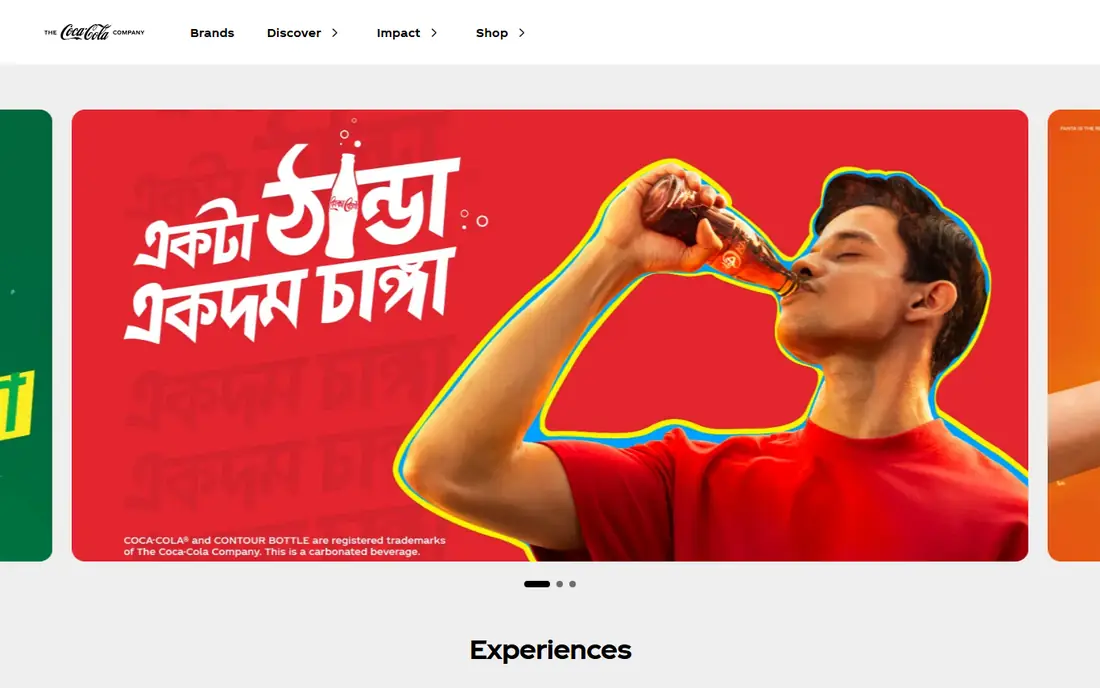
Coca-Cola has a long public record of supporting sports, music and community events, from large tournaments to local programs. That breadth helps organizers who run events with a wide, family-friendly audience, because the brand is already familiar to most attendees. A pitch works best when it shows who will attend, what they buy and do, and how the brand will be present in a way that feels natural.
The catch is competition. Many organizers pitch the same company, so a generic request is easy to ignore. We suggest leading with one clear audience fact, such as age range, location or interest, and one concrete benefit, such as sampling, signage in a high-traffic area or a named activity. Check the company site for the current community and sponsorship route in your market, since bottlers and local partners may handle smaller requests.
- Very broad event experience
- Strong recognition with general audiences
- Local bottling and community programs in many markets
- High competition for national support
- Local and national routes can be hard to separate
- Approval can take a long time
PepsiCo owns a wide set of beverage and snack brands, which gives organizers more than one possible angle. A sports tournament, a music event or a food festival can fit a different brand within the group, so it helps to name the brand that matches your audience rather than pitching the parent company in general terms. Product sampling, branded zones and food and drink tie-ins are common benefits in this kind of deal.
The trade-off is scale. PepsiCo sponsorships reported in public sources tend to favor events with large, measurable audiences. Smaller events should focus on a local retailer, distributor or regional partner first, and present clean attendance and demographic data. Do not promise sales or exposure figures you cannot support, since sponsors check those claims during review.
- Large portfolio of food and beverage brands
- Strong sports and entertainment ties
- Product sampling can add value for attendees
- Large events get priority
- Brand fit must be clear across a wide portfolio
- Timelines are often long
Nike is a natural first call for running races, youth sports, training events and team competitions. The brand has deep ties to athletes, coaches and sports culture, so an event that already draws committed participants starts with a real advantage. A strong pitch shows participation numbers, training or coaching elements, and photos or video from past events that show how the brand would appear.
Nike is less useful for general business conferences or charity galas with no sports link. If your event is not sport-led, a different sponsor on this list will usually fit better. For sport events, keep the ask specific: product for prizes, support for a youth clinic, or backing for one race category, rather than a vague request for general funding.
- Strong pull with athletes and young audiences
- Clear fit for running, training and team sports
- Product and athlete stories travel well
- Very selective
- Less suited to non-sport events
- Community requests face strong competition
Bank of America is a strong option for job fairs, skills events, small business programs and community development events. Public guidance points to workforce development, community revitalization and economic mobility as priority areas, so organizers should lead with outcomes such as jobs, training places or new businesses supported. Local branches can also be useful contacts for smaller community events.
The formal process is the main hurdle. Expect to submit through a corporate giving route and to answer questions about who benefits and how you will measure results. Build that measurement into your plan before you apply, for example by counting attendees who complete training, meet employers or sign up for follow-up support. A pitch that only lists attendance will look thin next to one that shows a clear community result.
- Stated focus on workforce development and economic mobility
- National reach with local branches
- Community impact is a clear pitch angle
- Proposals go through a formal process
- Impact data is expected
- Arts or sports-only events may fit less well
Wells Fargo stands out for organizers who want a local conversation rather than a distant national portal. Community giving is managed in part at regional level, which means a branch or regional contact may be able to discuss a local event directly. Financial literacy, small business development and community economic growth are natural themes to lead with.
That local strength also means the answer can vary by market. One region may support a small business fair while another focuses on housing or education programs that year. Ask early about current priorities in your area, and bring a short, local audience profile. Volunteer support sometimes accompanies funding, so mention it as a benefit if your event needs hands on the day.
- Community giving handled in part at regional level
- Good fit for financial literacy and small business events
- Local relationships can speed replies
- National events need a different route
- Priorities vary by region
- Funding levels are not published in a single list
Microsoft supports technology conferences, education programs and innovation events, and it works through a large partner and nonprofit network. That makes it a good match for hackathons, developer meetups, classroom technology programs and business technology conferences. A pitch should name the audience in plain terms, such as students, teachers, developers or small business owners, and explain what they will learn or build.
Because Microsoft is so large, a cold pitch to a general inbox rarely works well. Look for the team, product group or nonprofit program closest to your topic, and reference past events they have supported in that area. Keep the benefits practical: workshop space, software for participants, speakers, or content that attendees can use after the event.
- Strong fit for tech, education and innovation events
- Large partner and nonprofit ecosystem
- Content and speaker angles are natural
- Broad company, so finding the right team takes work
- Product-led pitches need a clear audience link
- Competition is high
Google is worth approaching for developer events, student technology programs, education conferences and nonprofit technology projects. Its public programs include support for nonprofits, which is a different route from commercial event sponsorship, so check which path fits your organization before you apply. A clear audience story helps here too, especially for events that teach skills or build open projects.
The main risk is sending the request to the wrong program. A commercial conference pitched as a nonprofit grant, or a charity event pitched as a product launch, will stall. Read the current program pages carefully, match your event type to the right route, and state your nonprofit status plainly if it applies. Include audience size, skill level and location, since those details help a reviewer place the request.
- Well known in tech and education
- Nonprofit programs are a distinct route
- Developer and student audiences are a strong fit
- Sponsorship and grant routes are separate and easy to confuse
- Large events get most attention
- Response times vary
Red Bull is one of the most distinctive sponsors on this list, with a long record in action sports, dance, music and urban culture. If your event involves skateboarding, surfing, climbing, esports, DJ culture or adventure sports, the brand fit can be immediate. Attendees in those scenes often already follow Red Bull events, so a partnership can feel like part of the event rather than an added logo.
That distinct style is also a limit. A formal gala, a corporate awards dinner or a traditional trade show will rarely fit, no matter how large the audience is. Pitches should show the culture of the event, not just headcount: clips, photos, athlete or artist lineups, and the kind of content the event will create. Be ready for a close discussion about how the brand appears, since presentation matters a great deal to this sponsor.
- Distinctive fit for action sports, music and urban culture
- Event content is central to the brand
- Strong appeal to younger audiences
- Narrow brand style that does not suit formal events
- Creative control expectations can be high
- Smaller, traditional events may not fit
Target is a practical choice for family festivals, school events, community fairs and local charity programs. Stores act as local anchors, and community giving often runs through local teams, which can make a first conversation easier than a national application. Product donations, gift cards for prizes and volunteer help are common forms of support for smaller events.
Organizers should approach the local store or community team with a short plan that names the families and neighborhoods involved. A national pitch needs a stronger case, such as a multi-city tour or a program that reaches many stores. Keep expectations realistic: local support is often modest in cash terms but useful in products, prizes and foot traffic, and it can grow if the first event runs well.
- Strong community and family focus
- Stores are local anchors in many towns
- Product and volunteer support can suit family events
- Sponsorship is often local and store-led
- National pitches need a clear community case
- Funding amounts vary widely
How we picked these
We compared publicly reported sponsorship activity, company giving pages and event guides that describe what each company has supported. We favored companies with a visible, current record in the United States, a clear audience or theme, and a route an organizer can actually contact. We left out companies whose sponsorship activity was vague, one-off or hard to verify from public sources.
We did not test sponsorship outcomes ourselves and we do not claim that any company on this list will fund your event. Sponsorship decisions change with budgets, regions and yearly priorities, so always check the current giving page and confirm the right contact before you pitch. The order here follows event fit, not a measured ranking.
What to put in a pitch that gets read
Start with fit in the first paragraph. Name the audience, the location and the theme, then name the sponsor brand that matches that audience. Reviewers read many proposals, so a pitch that opens with generic praise for the company will lose to one that opens with a clear, specific match.
Next, give numbers you can defend. Attendance from past events, ticket sales, participant counts, email list size and social reach all help, but only if they are real and recent. Add one outcome the sponsor can report back, such as students trained, jobs discussed, meals served or funds raised for a cause. Sponsors fund results more readily than exposure alone.
Offer tiered packages with distinct benefits at each level. A small tier might include logo placement and social mentions, a mid tier might add sampling or a named activity, and a top tier might include naming rights or a main stage presence. Tiering lets a sponsor say yes at a level that fits its budget, rather than rejecting one large ask outright.
Follow up once, politely, after a reasonable gap. Mention a new detail, such as a confirmed speaker, a venue booking or early ticket sales, rather than simply asking if they read the first email. If the answer is no, thank them, ask what would fit better next time, and keep the relationship warm for a future event.
Frequently asked questions
How do I find the best companies to approach for sponsorship?
Start with your audience, not with a list of famous brands. List who attends, what they buy, where they live and what they care about, then shortlist companies that already serve or speak to that group. Check what each company sponsored last year, since past support is the best public clue to current priorities.
When should I approach a sponsor?
Start months ahead, not weeks. Large companies often plan budgets quarterly or yearly, and local teams still need time to review, approve and arrange products or staff. For a large event, six months is a sensible minimum, and a year is better for a national pitch.
What should a sponsorship proposal include?
Include your event purpose, audience data, past results, tiered packages, benefits for the sponsor, dates, location and a clear next step. Keep it short enough to read in a few minutes, with a one-page summary up front and detail behind it for reviewers who want more.
Do small events have a chance with big companies?
Yes, but usually through a local route. A local branch, store, bottler or distributor may support a community event that a national team would pass over. Local support is often smaller, but it is real, and a well-run first event can lead to larger support later.
How much money should I ask for?
Ask for an amount tied to real costs and clear benefits, not a round number picked from another event. Show the budget, show what each tier covers, and show what the sponsor receives at each level. If you are unsure, offer tiers and let the sponsor choose the level that fits.
Sources
- https://blog.walls.io/events/how-to-get-sponsors-for-an-event/
- https://www.airmeet.com/hub/blog/top-10-event-sponsorship-companies-u-s-event-organizers-must-consider-in-2026/
- https://w.paybee.io/post/which-companies-give-sponsorship
- https://www.coca-cola.com
- https://www.pepsico.com
- https://www.nike.com
- https://www.bankofamerica.com
- https://www.wellsfargo.com
- https://www.microsoft.com
- https://www.google.com
- https://www.redbull.com
- https://www.target.com
See where you really rank - block by block
ProMapRanker scans Google Maps across a grid of your service area. Simple monthly plans from $19, white-label on every plan.
Start freeKeep reading
 zscaler alternatives
Best Zscaler Alternatives in 2026
Looking for zscaler alternatives? We compare 9 SASE and zero trust platforms on architecture, data protection, pricing, and fit for your network and team.
Read → zapier alternatives free
Best Zapier Alternatives Free in 2026
Nine automation tools for zapier alternatives free in 2026, all with genuinely free tiers, plus free plan limits, starting prices and upgrade paths explained.
Read → which platform is best for online reputation
Which Platform Is Best for Online Reputation in 2026
Wondering which platform is best for online reputation? We compare 8 review, listing, and response tools for small and multi-location businesses and agencies.
Read →