 ProMapRanker
Best Companies in the World in 2026

Key takeaways
- This is a guide based on public reputation and services, not a verified ranking, and no scores or pay figures are used here.
- The strongest companies differ by what you value, such as devices, software, shopping, chips or financial strength.
- A large company is not always the best fit for a given job, product or investment decision.
- Readers looking for IT or US focused options should compare the tech and retail names here with their own needs first.
Quick comparison
| Pick | Great for | Pricing starts at | Free tier | |
|---|---|---|---|---|
 Apple | Devices and consumer software | See website | No | Visit |
 Microsoft | Business software and cloud | See website | No | Visit |
 Alphabet | Search, video and cloud services | See website | No | Visit |
 Amazon | Online shopping and cloud | See website | No | Visit |
 NVIDIA | Chips for AI and graphics | See website | No | Visit |
 Berkshire Hathaway | Diversified business ownership | See website | No | Visit |
 Meta | Social apps and messaging | See website | No | Visit |
 Walmart | Everyday retail shopping | See website | No | Visit |
The best companies in the world
These companies are widely known, operate at large scale and touch daily life for many people, from phones and search to shopping and investing. We describe what each one actually does, so you can judge fit rather than just fame.
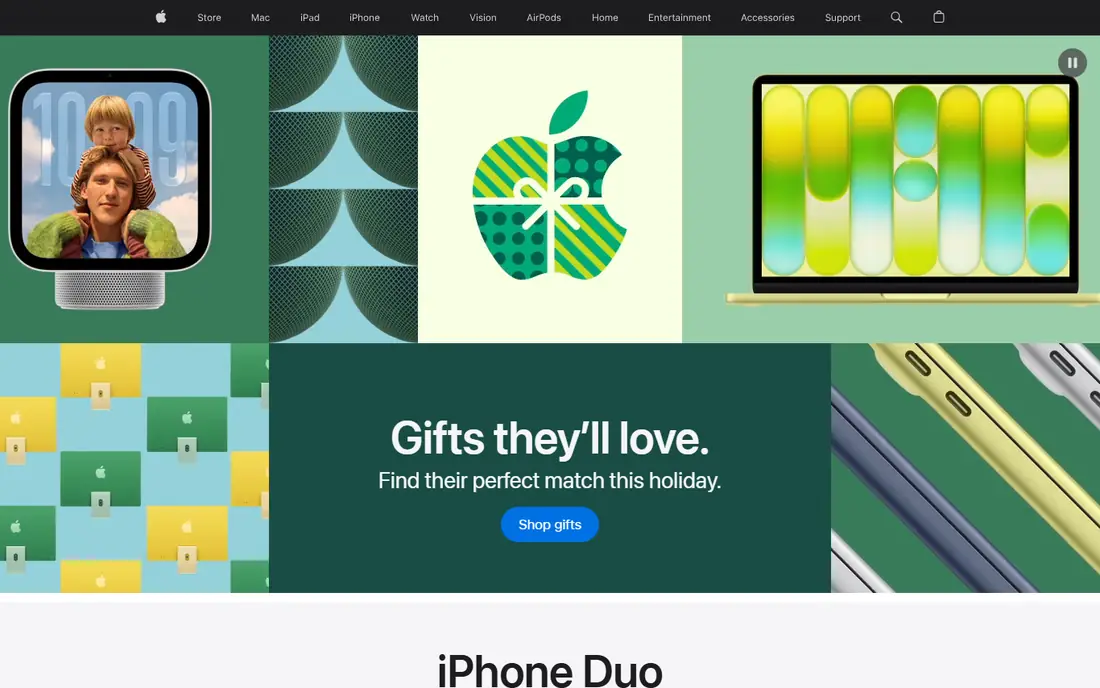
Apple designs phones, computers, tablets, watches and related software, and it sells services such as music, cloud storage and app distribution. The appeal is how hardware and software work together, so a phone, a watch and a laptop can share messages, files and settings with little setup. For buyers who want a simple, consistent experience, that integration is a real strength.
The trade off is price and control. Apple products often cost more than similar spec rivals, and choices for parts, ports and software are narrower. Check the exact model, storage and service plan before buying, since small differences change the total cost. Apple fits buyers who value polish and long term software support over the lowest price.
- Strong device and software integration
- Long software support for many products
- Large app and services ecosystem
- Premium prices for many products
- Repairs and upgrades can be costly
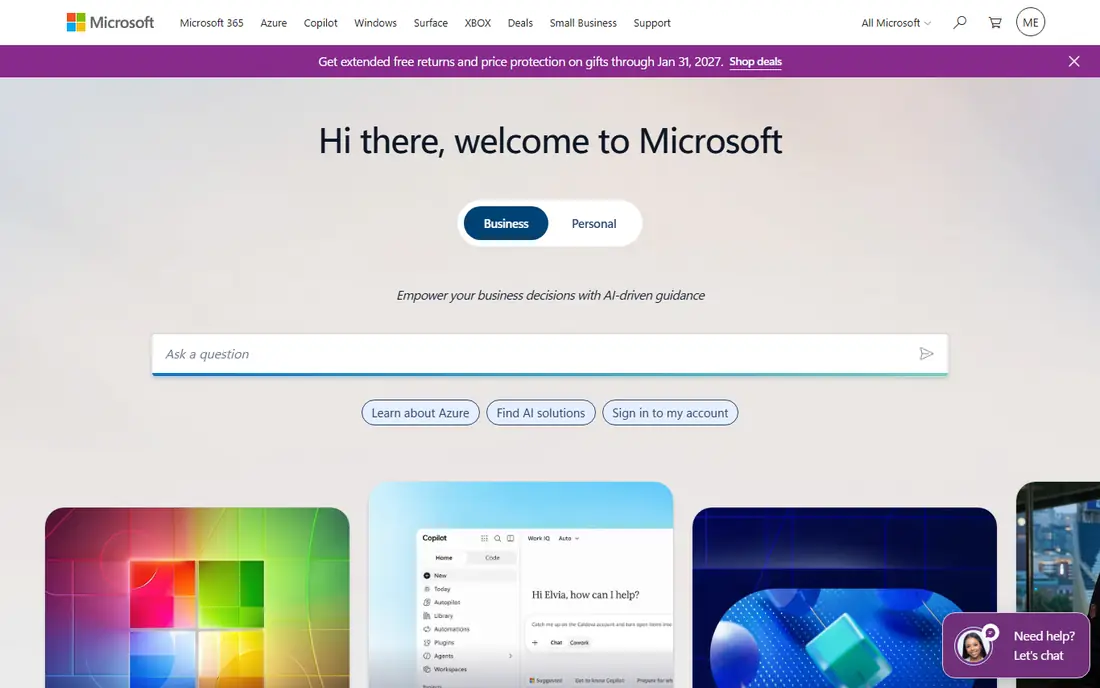
Microsoft makes Windows, Office apps, the Azure cloud platform, gaming products and business tools used by many employers and schools. For work, its strength is familiarity: Word, Excel, Teams and Outlook are standard in many offices, and Azure supports a wide range of business apps. That makes Microsoft a practical choice for teams that need compatibility with clients and partners.
The catch is ongoing cost and complexity. Subscriptions, licences and cloud use can grow quietly, and the right plan depends on users, storage and security needs. Review the plan details and renewal terms before committing a team. Microsoft fits workplaces and students who need standard tools and cloud services that work with many other systems.
- Widely used office and business tools
- Large cloud platform
- Strong presence in workplaces and schools
- Subscription costs add up
- Product range can be hard to compare
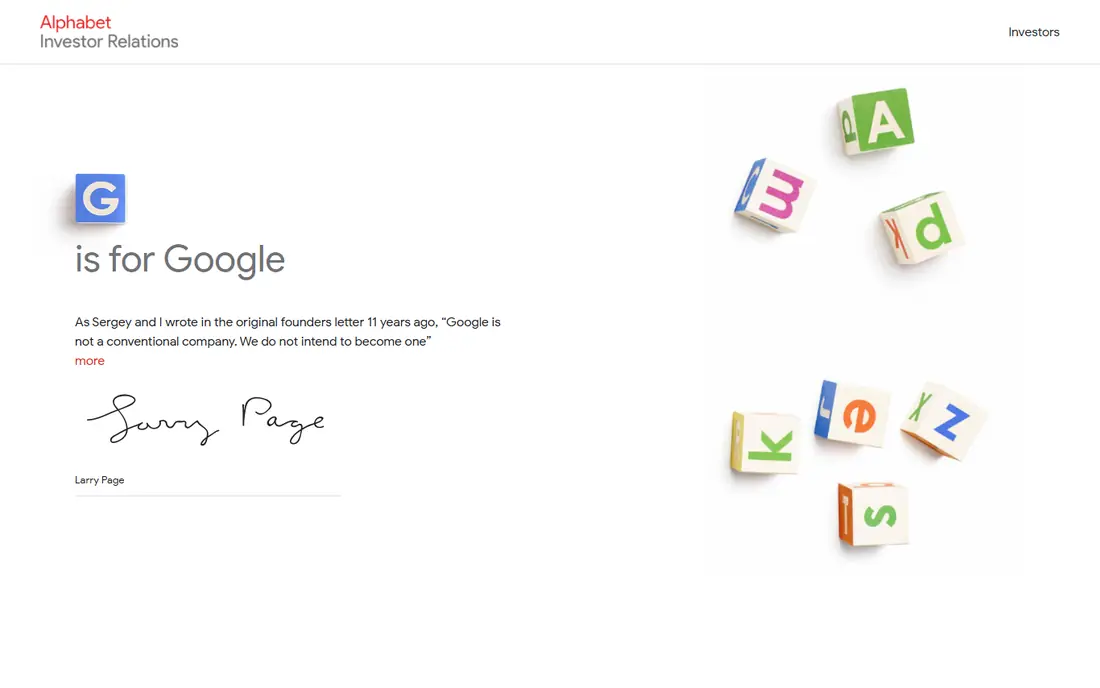
Alphabet is the parent company of Google, YouTube and other businesses, including cloud services and Android. Search, maps, email and video are part of daily life for many people, and Google Cloud supports businesses that need hosting, data and AI tools. For a small business, that mix can cover marketing, email, documents and hosting in one account family.
The limits are about control and trust. Free consumer services are funded in part by advertising, and users should review privacy settings and data controls. Business buyers should also compare Google Cloud pricing and support with rivals for their workload. Alphabet fits users and firms that already rely on Google services and want them to work together.
- Google Search and YouTube reach huge audiences
- Android and cloud services cover many needs
- Strong AI research work
- Privacy concerns for some users
- Ad driven services shape what people see
Amazon runs a large online store, a marketplace for third party sellers, delivery services and Amazon Web Services for cloud computing. Shoppers value choice, reviews and delivery speed, while businesses use AWS for hosting, storage and data tools. Prime adds delivery benefits and media, which can suit frequent shoppers.
Marketplace buying needs care, since sellers differ on quality, returns and warranty support. Check the seller, the return policy and the total price with shipping before ordering. For cloud buyers, compare AWS pricing by workload, since costs depend on use. Amazon fits frequent online shoppers and firms that need broad cloud services.
- Very wide product range and fast delivery in many areas
- AWS is a major cloud platform
- Prime bundles shopping and media
- Marketplace quality varies by seller
- Fees and membership costs need checking
NVIDIA designs graphics processors and AI chips used in gaming PCs, data centres, research and professional design work. Its software tools help developers run AI models and graphics tasks on its hardware, which is a major reason many teams standardise on it. For gamers and AI builders, performance and software support are the main draw.
The downside is cost and availability. Top chips carry premium prices, and demand from AI projects can affect stock and lead times. Buyers should match the chip to the workload, since a gaming card, a workstation card and a data centre chip are not interchangeable. NVIDIA fits buyers with demanding graphics or AI work and a budget to match.
- Leading graphics and AI chips
- Strong software tools for developers
- Wide use in gaming and data centres
- High end chips are costly
- Supply and pricing can change with demand
Berkshire Hathaway is a holding company that owns businesses in insurance, rail, energy, manufacturing, retail and other fields, and it holds large investments in public companies. Its appeal for readers is the business model: own strong operations, keep cash discipline and take a long view, rather than chasing short term trends. That is different from a tech firm selling a single product.
For ordinary readers, Berkshire is mainly relevant as a company to study or invest in through public markets, not as a service to buy. Share classes differ in price, and investing carries risk, so this is not investment advice. Berkshire fits readers interested in diversified ownership and long term business quality, not shoppers looking for a product.
- Owns a broad mix of businesses and investments
- Long term ownership approach
- Strong insurance operations
- Not a consumer product company
- Share prices are high for some share classes
Meta runs Facebook, Instagram, WhatsApp and related products, plus work on virtual and augmented reality. For people, these apps cover friends, family, groups and messaging in one set of accounts. For small businesses, Meta ad tools and business pages offer a way to reach local customers without a large marketing budget.
The concerns are real and should be weighed. Privacy settings need regular review, and businesses that depend on organic reach can lose traffic when ranking rules change. Treat Meta as a channel, not as owned audience, and keep customer contact details in your own systems too. Meta fits people and firms that need broad social reach and can manage privacy and platform risk.
- Facebook, Instagram and WhatsApp reach huge audiences
- Messaging and video tools are widely used
- Ad tools for small firms
- Privacy and content moderation concerns
- Algorithm changes affect business reach
Walmart is one of the largest retailers in the world, selling groceries, household goods, electronics, clothing and more through stores and online ordering. Its strength is everyday value: shoppers can cover food, cleaning, pharmacy and basic electronics in one trip or one order. Delivery and pickup options make it useful for busy households.
Specialty needs are the limit. A general retailer will not match a specialist shop for expert advice, niche parts or premium ranges. Check stock, pickup times and delivery fees in your area, since they vary. Walmart fits households that want low cost everyday shopping with broad choice in one place.
- Low prices on many everyday items
- Huge store and grocery network
- Growing online ordering and delivery
- Product range varies by store
- Service and selection differ from specialty shops
How we picked these
We compared official company sites, public descriptions of what each company sells, and their broad public reputation, and we avoided invented scores, revenue claims and ranking numbers. This guide is meant to help readers compare well known companies by service and fit, not to declare a single winner for every purpose. Where a price depends on the product or plan, we wrote See website.
What to check before you judge a company
Start with the question you are actually answering. A best company for buying a phone is not the same as a best company for cloud hosting, investing or grocery shopping. List the job, the budget and the features that matter, then compare only companies that serve that job.
Next, look at total cost and control. Subscriptions, delivery fees, hardware prices and ad costs all change the real price over a year. Privacy terms, return policies and support options also matter, especially for services that hold your data or your money.
Finally, check current terms before you act. Product lines, prices and policies change, and a company that was a good fit last year may have changed its plans. Use the official site linked here as the starting point, and compare at least two options for any major purchase or business decision.
Frequently asked questions
What is the best company in the world?
There is no single verified answer, since the best choice depends on the job, such as devices, software, shopping or investing. This guide compares well known companies by what they do, so you can judge fit for your own need.
What are the top 10 best companies in the world?
Top lists differ by method, since some rank by size, some by profit and some by reputation. We focus here on eight widely known companies and their services, rather than claiming a fixed top 10 order.
What are the best IT companies in the USA?
Apple, Microsoft, Alphabet, Amazon, NVIDIA and Meta are among the best known US technology companies, each with a different strength. Apple leans to devices, Microsoft to business software, Alphabet to search and cloud, Amazon to shopping and cloud, NVIDIA to chips, and Meta to social apps.
What are the best companies in the USA for everyday shopping?
Walmart and Amazon are strong everyday options in the USA, with Walmart leaning to stores and groceries and Amazon leaning to online range and delivery. Compare prices, pickup or delivery fees and return terms in your area.
Is the largest company always the best choice?
No. Large scale can mean broad choice and steady support, but it can also mean higher prices, less personal service and platform rules that change. Smaller firms sometimes fit a niche job better.
How should I use a best companies list?
Use it as a shortlist, not a final decision. Check the official product pages, compare total costs, read current terms, and test the product or service on a small scale where you can.
Sources
See where you really rank - block by block
ProMapRanker scans Google Maps across a grid of your service area. Simple monthly plans from $19, white-label on every plan.
Start freeKeep reading
 zscaler alternatives
Best Zscaler Alternatives in 2026
Looking for zscaler alternatives? We compare 9 SASE and zero trust platforms on architecture, data protection, pricing, and fit for your network and team.
Read → zapier alternatives free
Best Zapier Alternatives Free in 2026
Nine automation tools for zapier alternatives free in 2026, all with genuinely free tiers, plus free plan limits, starting prices and upgrade paths explained.
Read → which platform is best for online reputation
Which Platform Is Best for Online Reputation in 2026
Wondering which platform is best for online reputation? We compare 8 review, listing, and response tools for small and multi-location businesses and agencies.
Read →