 ProMapRanker
Best Chinese Language Learning App in 2026

Key takeaways
- HelloChinese and Duolingo suit beginners who want short, guided lessons with speech practice.
- Skritter and Pleco suit learners who focus on characters, writing and dictionary lookup.
- LingoDeer and ChineseSkill suit learners who want grammar explanations alongside vocabulary.
- italki and Pimsleur suit learners who want live speaking or audio only practice away from a screen.
Quick comparison
| Pick | Great for | Pricing starts at | Free tier | |
|---|---|---|---|---|
 HelloChinese | Guided beginner course | Free | Yes | Visit |
 Duolingo | Daily habit for beginners | Free | Yes | Visit |
 Skritter | Character writing | $14.99 per month | Free trial | Visit |
 Pleco | Dictionary and reading | Free | Yes | Visit |
 LingoDeer | Grammar and native audio | $14.99 per month | Free trial | Visit |
 ChineseSkill | Step by step beginners | Free | Yes | Visit |
 Memrise | Gamified vocabulary | Free | Yes | Visit |
 Anki | Spaced repetition flashcards | Free | Yes | Visit |
 Pimsleur | Audio only learning | $14.95 per month | Free trial | Visit |
 italki | Live tutor lessons | See website | No | Visit |
The best chinese language learning app
Chinese learning splits into tones, characters, grammar and speaking, and no single app covers all four equally well. Most learners do best with one main course app, plus a dictionary or flashcard tool for review. The apps below cover those roles, and they focus mainly on Mandarin, with some Cantonese options noted where relevant.

HelloChinese is our pick for most beginners. It teaches pinyin, tones, characters and sentences in a clear order, with speech recognition to check pronunciation and writing practice for characters. Lessons are short enough for daily use, and the progression feels like a course rather than a set of random games.
The free version covers early lessons, while Premium opens the full course. Advanced learners will outgrow it and need a dictionary, reading tool or tutor for higher levels. For a first six months of Mandarin, HelloChinese gives a strong and balanced start.
- Structured lessons from pinyin to sentences
- Speech recognition for tones
- Character writing practice
- Advanced content is thinner than specialist tools
- Full course needs Premium
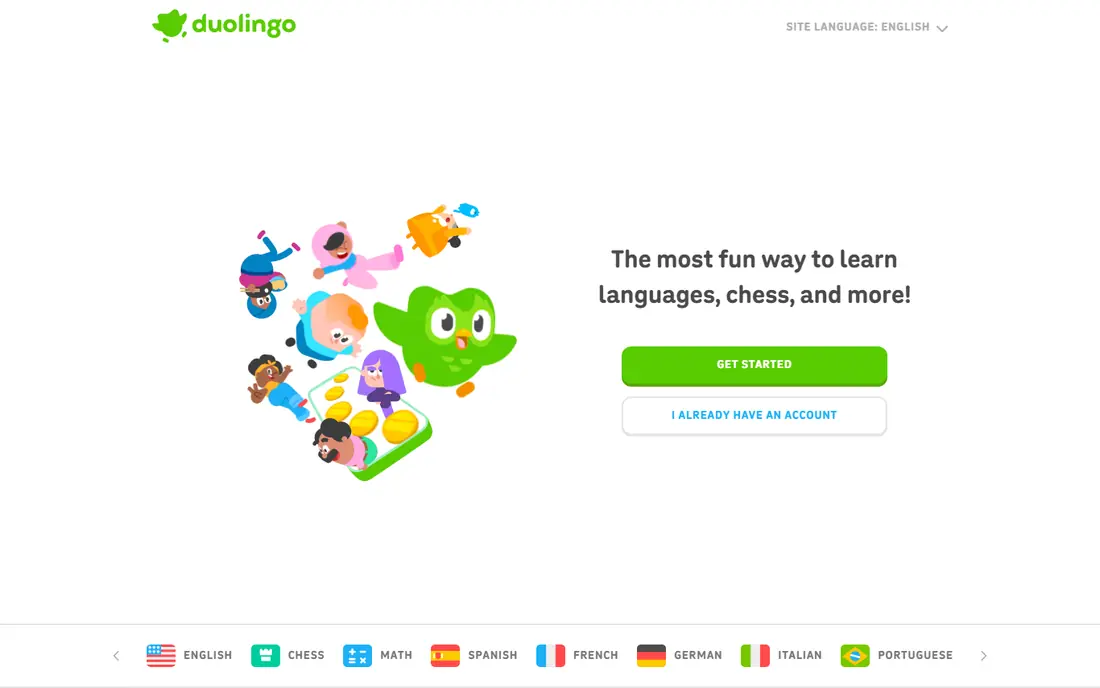
Duolingo suits people who want a low pressure daily habit. Short lessons, streaks and reminders make it easy to open the app each day, and the Mandarin course covers basic vocabulary, characters and sentence patterns. For a casual start, that habit matters more than depth.
The trade is depth. Grammar explanations are brief, tone practice is limited, and the course will not take you to an advanced level alone. Use Duolingo as a habit builder or a supplement, and pair it with HelloChinese or a tutor when you want to speak with confidence.
- Free gamified lessons
- Streaks and reminders keep a habit going
- Good for basic vocabulary
- Grammar explanations are light
- Character and speaking depth is limited
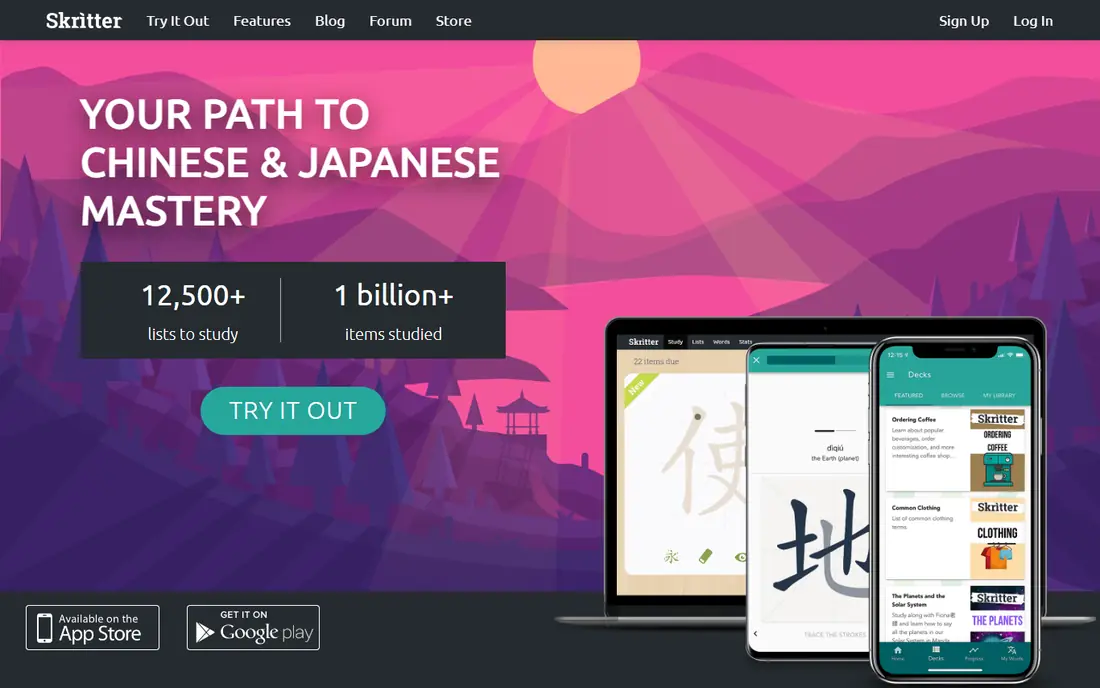
Skritter is the specialist for characters. It checks stroke order as you write, breaks characters into components, and uses spaced repetition to bring back characters before you forget them. That focus helps students who need to read and write, not just speak, which is common for exam and academic learners.
It is narrow by design. Speaking, listening and grammar practice are limited, and the price is higher than a general app. If characters are your weak point, Skritter is worth the cost. If you mainly want conversation, spend that money on tutor lessons instead.
- Stroke by stroke writing feedback
- Character decomposition
- Offline study options
- No permanent free tier
- Limited speaking and listening practice
Pleco is not a course, it is the dictionary most serious learners keep on their phone. It looks up words by pinyin, character or handwriting, and camera lookup helps when reading signs, menus or books. Flashcards and audio add ons extend it into a study tool.
The base app is free, but useful add ons are paid, so the total depends on what you add. Pleco will not teach you a curriculum on its own. As a companion to HelloChinese, LingoDeer or a tutor, it is one of the most useful tools on this list.
- Fast Chinese dictionary
- Handwriting and camera lookup
- Flashcard system included
- Paid add ons add up
- Interface feels like a reference tool, not a course
LingoDeer suits learners who want to understand why a sentence works, not just memorise it. Grammar notes are clearer than in most gamified apps, audio comes from native speakers, and lessons follow a structured path. That approach helps learners who get frustrated by guesswork in other apps.
It costs more than a free app, and advanced levels are thinner than beginner levels in some courses. For a learner who values grammar and clear explanations, LingoDeer is a strong main course choice, especially when paired with Pleco for lookup.
- Clear grammar notes
- Native speaker audio
- Structured Asian language courses
- Higher price than Duolingo
- Chinese course depth varies by level
ChineseSkill offers a step by step path for beginners, with lessons, games, review and pronunciation practice in one app. It covers pinyin, characters and basic grammar in a friendly format, and it suits younger learners and adults who want a gentle start. The structure is similar to HelloChinese, with a lighter feel.
Advanced learners will need to move on, since the course does not go as deep as specialist tools. For a first course that feels like a game but still teaches in order, ChineseSkill is a good alternative to Duolingo when you want more structure.
- Guided beginner lessons
- Games and review built in
- Pinyin and character practice
- Advanced content is limited
- Some features need a paid plan
Memrise focuses on vocabulary with video clips from native speakers, which helps you hear real pronunciation and see how words are used. Spaced repetition brings words back at intervals, and the review format is quick and game like. It works well as a vocabulary supplement to a main course.
It will not teach grammar or writing in depth, so it should not be your only app if you want to read and write. Use Memrise for daily word review, and keep a course app for lessons and structure. That pairing covers more ground than either app alone.
- Video clips from native speakers
- Spaced repetition for vocabulary
- Fun review format
- Grammar and writing depth is limited
- Full features need a paid plan
Anki is a flashcard system, not a language course, and serious learners often rely on it for years. You can build your own decks from words you meet, or use shared decks for HSK vocabulary and characters, and the spaced repetition algorithm schedules reviews. That control is why it lasts longer than many gamified apps.
Setup takes effort, and the iOS app is paid while desktop and Android versions are free. Anki will not teach you tones or grammar on its own. As a review tool alongside a course, a dictionary and speaking practice, it is one of the most effective options here.
- Free on desktop and Android
- Powerful spaced repetition
- Large shared deck library
- Setup takes time
- IOS app is paid
- No built in course
Pimsleur suits commuters and walkers who want to learn without a screen. Each lesson is about 30 minutes of audio, with prompts that ask you to recall words and build sentences out loud. That active recall builds speaking confidence faster than passive listening.
The limit is clear: Pimsleur teaches pinyin pronunciation and conversation, but it does not teach characters or reading. Vocabulary per level is also limited compared with a course app. For audio only practice, it is excellent. For full literacy, pair it with Skritter or Pleco.
- Hands free 30 minute lessons
- Spaced repetition prompts
- Good for speaking confidence
- No character reading or writing
- Vocabulary range is limited per level
italki connects you with native Chinese tutors for live one to one lessons, built around your goals, from conversation and tones to HSK exam prep and business Chinese. Because Mandarin is tonal, a tutor who corrects you in real time matters in a way an app cannot fully replace. Pay per lesson pricing means you only pay for classes you book, with lessons starting from low prices in many listings.
Prices vary by tutor, and you need to book and prepare for each lesson, which takes more effort than opening an app. For speaking progress, though, a regular tutor session is the fastest route on this list. Use an app for daily study, and italki for the speaking practice that apps cannot give.
- Live one to one lessons with native tutors
- Pay per lesson, no subscription needed
- HSK and business options
- Lesson prices vary by tutor
- Scheduling takes more effort than an app lesson
How we picked these
We compared official product and pricing pages, course descriptions and recent roundups that cite vendor pricing. We kept only apps and services that are live in October 2026 and that offer a clear Chinese course, dictionary, flashcard or tutor service. We did not claim hands on testing, and prices marked See website vary by tutor, plan and platform.
How to choose a Chinese app
Start with your goal. For a beginner course, pick HelloChinese or LingoDeer. For characters, add Skritter or Pleco. For speaking, add italki or Pimsleur. For review, add Anki or Memrise. One main app plus one support tool is enough to start, and adding more apps often slows progress rather than speeding it.
Learn tones early
Tones change meaning in Mandarin, so practise them from week one, not as an afterthought. Use speech recognition in HelloChinese, listen to native audio in LingoDeer and Memrise, and get a tutor to check your tones early if you can.
Study a little every day
Short daily study beats long weekend sessions for tones, characters and vocabulary. Set a 15 to 20 minute daily routine, review flashcards in Anki or Memrise, and add one lesson from your main course app each day.
Frequently asked questions
What is the best language learning app for Chinese beginners?
HelloChinese is the best balanced beginner pick, with structured lessons, tone practice and character writing. Duolingo suits casual daily habits, while LingoDeer suits learners who want clearer grammar explanations.
Which app is best for learning Chinese characters?
Skritter is best for writing practice, with stroke feedback and character breakdowns. Pleco is best for lookup and reading, with handwriting and camera search, and Anki is best for long term character review with flashcards.
Is Duolingo good for Chinese?
Duolingo is good for a casual start and for building a daily habit, with basic vocabulary and characters. It is light on grammar, tones and advanced content, so pair it with a structured course or tutor if you want to reach a higher level.
Can I learn Chinese with an app alone?
You can reach a basic level with an app alone, but speaking, tones and advanced reading improve faster with a tutor or real conversation. Apps are best for daily study, vocabulary and characters, while italki or a class covers live speaking correction.
How much do Chinese learning apps cost?
Many apps offer free tiers, including HelloChinese, Duolingo, Pleco, ChineseSkill, Memrise and Anki on desktop and Android. Paid plans such as Skritter at $14.99 per month, LingoDeer at $14.99 per month and Pimsleur at $14.95 per month cover deeper features, while italki uses pay per lesson pricing.
Sources
See where you really rank - block by block
ProMapRanker scans Google Maps across a grid of your service area. Simple monthly plans from $19, white-label on every plan.
Start freeKeep reading
 zscaler alternatives
Best Zscaler Alternatives in 2026
Looking for zscaler alternatives? We compare 9 SASE and zero trust platforms on architecture, data protection, pricing, and fit for your network and team.
Read → zapier alternatives free
Best Zapier Alternatives Free in 2026
Nine automation tools for zapier alternatives free in 2026, all with genuinely free tiers, plus free plan limits, starting prices and upgrade paths explained.
Read → which platform is best for online reputation
Which Platform Is Best for Online Reputation in 2026
Wondering which platform is best for online reputation? We compare 8 review, listing, and response tools for small and multi-location businesses and agencies.
Read →