 ProMapRanker
Best Children French Language App in 2026

Key takeaways
- Gus on the Go and Studycat suit ages 2 to 8 best, with games and stories built for young learners.
- Duolingo suits older children and teens who can read well and handle structured lessons.
- Short sessions of ten to fifteen minutes work better for young children than long study blocks.
- Check each app's privacy settings before a child uses it, and keep accounts under a parent account where offered.
- Apps teach words and listening best, while speaking with a real person builds conversation fastest.
Quick comparison
| Pick | Great for | Pricing starts at | Free tier | |
|---|---|---|---|---|
 Gus on the Go | Young beginners | See website | No | Visit |
 Studycat | Playful early learning | See website | Free trial | Visit |
 DinoLingo | Immersion videos | See website | Free trial | Visit |
 Duolingo | Older children | Free | Yes | Visit |
 Mondly Kids | Short vocabulary games | Free | Yes | Visit |
 Little Pim | Toddlers and preschool | See website | No | Visit |
 Muzzy BBC | Story immersion | See website | No | Visit |
 Peg and Pog | Story-based learning | See website | Free trial | Visit |
The best children French language apps
Our pick for young children is Gus on the Go or Studycat, while older children do better with Duolingo. Every app below offers French content aimed at children, not just a general course relabeled for kids.
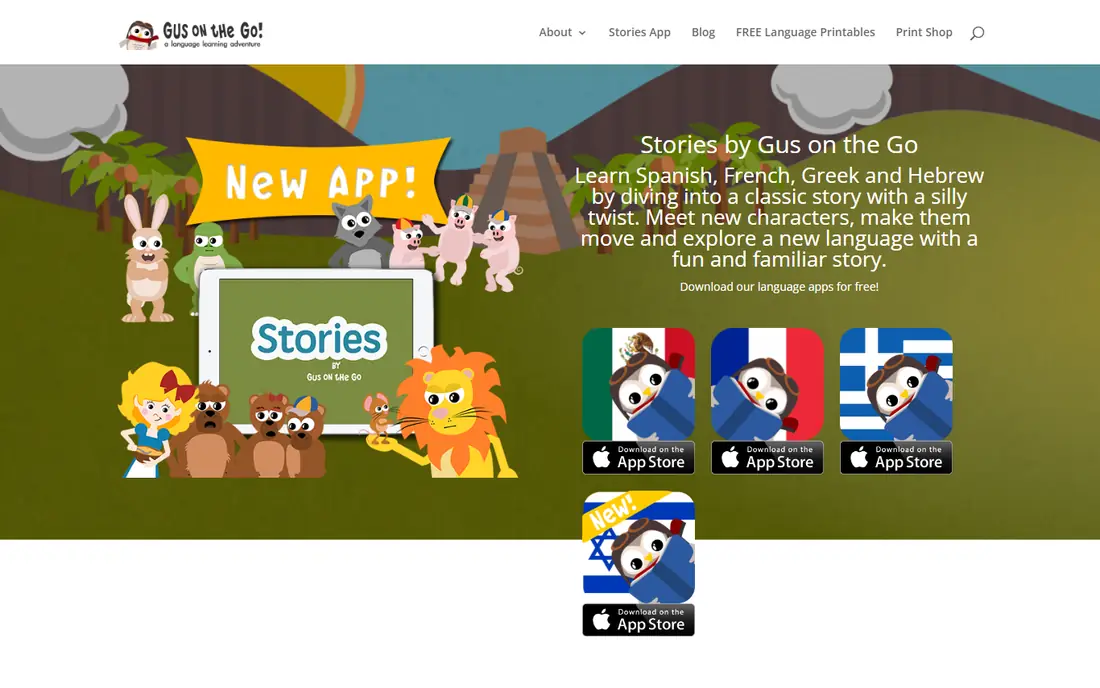
Gus on the Go follows a small owl travelling through France, teaching French words for animals, food, numbers, colors, and shapes through games and animated stories. The design suits children aged about 2 to 6, with simple taps, bright pictures, and spoken French throughout. Parents often like that lessons feel like play rather than schoolwork.
Gus on the Go is a paid app, and it teaches vocabulary rather than full sentences or grammar. Older children will outgrow it quickly, so treat it as a first step, not a full course. For a young child hearing French for the first time, it is a warm and gentle start.
- Story-led vocabulary games
- Friendly owl guide
- Clear pronunciation
- Paid app
- Limited grammar teaching
- Best for younger ages
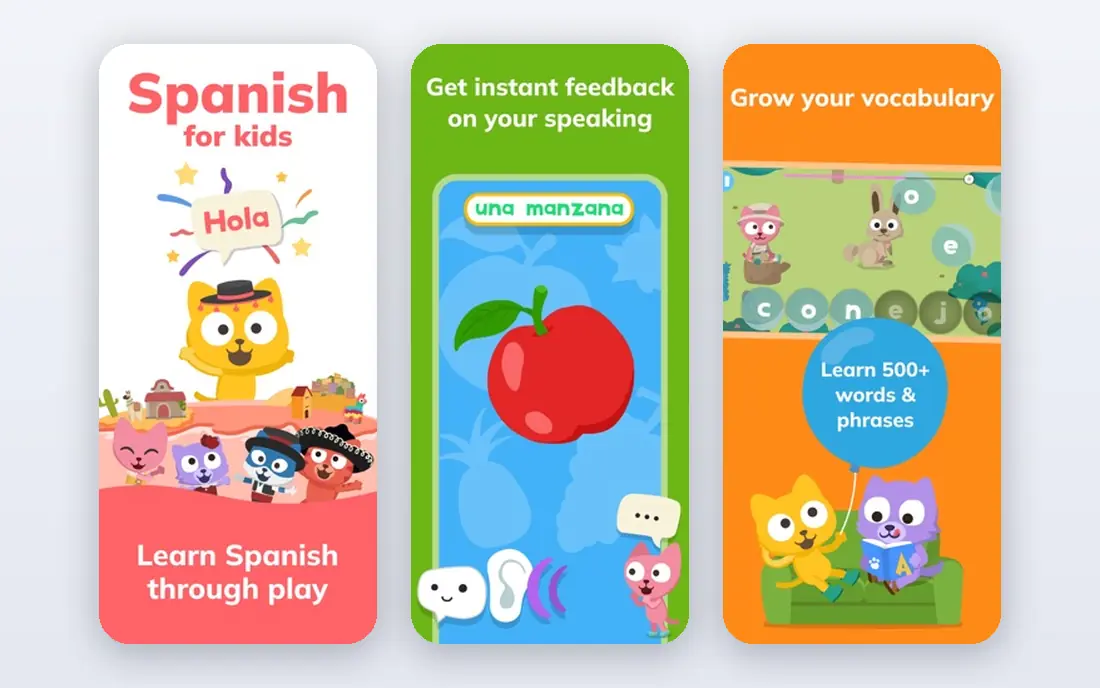
Studycat, formerly known for its Fun French app, teaches young children through games, songs, and short activities. The French course targets ages 2 to 8, with vocabulary for everyday topics and a playful style that keeps short sessions fun. Parents can set up a child profile and follow basic progress without digging through settings.
A subscription is needed after the free trial, so check the current trial length and price in the app store before subscribing. Automated speaking feedback may also differ between languages, so listen with your child rather than trusting a score alone. For preschool and early primary ages, Studycat is one of the strongest playful options.
- Games and songs for ages 2 to 8
- Clear French vocabulary
- Parent-friendly setup
- Subscription needed after trial
- Speaking feedback varies by language
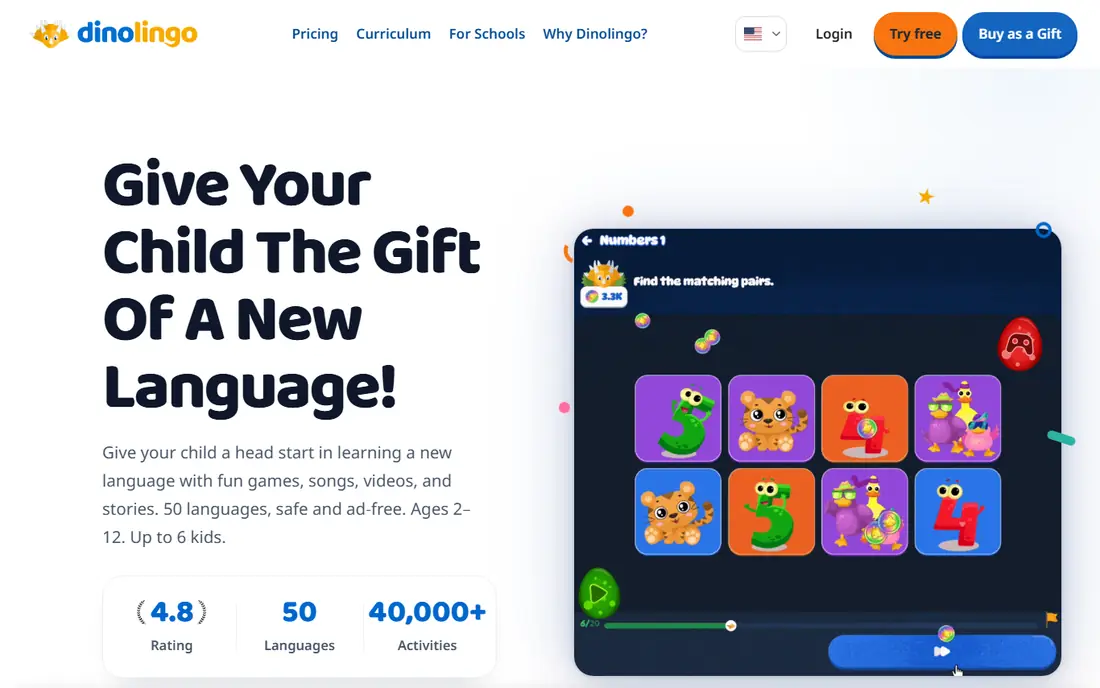
DinoLingo uses animated videos, songs, and games to immerse children in French from the start, with repetition to help words stick. The platform covers ages 2 to 14 and offers French alongside many other languages, which helps families learning more than one language. Quizzes after videos give children a chance to use new words at once.
DinoLingo needs a subscription after its trial, and its video-led style will suit watchers more than hands-on players. Children who like stories and songs will enjoy it, while children who prefer tapping games may prefer Studycat or Gus on the Go. For immersion at home, DinoLingo is a solid choice.
- Immersion-style videos
- Wide language choice
- Quizzes and games
- Subscription needed after trial
- Video-heavy style suits some children more than others
Duolingo suits older children, roughly age 10 and up, and teens who can read confidently and follow written instructions. The French course is free, lessons are short, and the game-like streak system motivates many school-age learners. It also teaches grammar and sentence building more fully than apps made for toddlers.
Duolingo is not a young-child app. Early lessons still need reading, and the free tier includes ads, so parents should check the app settings and consider a supervised account. For a child in late primary school or secondary school, Duolingo is the best free structured French course on this list.
- Full French course free
- Short game-like lessons
- Reading and listening practice
- Needs reading skill
- Ads on free tier
- Not designed only for young children
Mondly Kids offers short, animated French lessons built for kindergarten and primary ages, with games that teach words and simple phrases. Lessons last about ten minutes, which fits young attention spans and a daily routine. The free version gives useful extra vocabulary practice beside a main app.
Free content is limited, and Mondly Kids teaches words and phrases rather than full conversation. It works best as a second app, used for a few minutes a day, while Gus on the Go or Studycat carries the main learning. For a free top-up that children enjoy, it earns its place.
- Short fun lessons
- Animations and games
- Free content for practice
- Free content is limited
- Vocabulary focus rather than conversation
Little Pim was made for the youngest learners, ages 0 to 6, with five-minute videos that mix live-action children and animation. The gentle pace and repetition suit toddlers and preschoolers who are not ready for tapping games or reading. Parents can watch together, repeat words aloud, and build French into playtime.
Little Pim is paid video content rather than an interactive game, so older children may find it slow. Screen time for toddlers should stay short and shared with a parent, not used as unsupervised viewing. For the youngest age group, Little Pim is one of the most age-appropriate French options.
- Short videos for ages 0 to 6
- Live-action and animation mix
- Gentle pace
- Paid content
- Small screen time needs parent guidance
- Limited interactivity
Muzzy BBC follows an animated character through a full French story, using repetition and context so children absorb words without formal lessons. The BBC-made series has been used by families for years, and its slow, clear storytelling suits children who like watching a tale unfold. It is a calm alternative to fast game apps.
The video style looks older than modern apps, and access is paid. Muzzy also offers less tapping and game interaction, so children who need hands-on play may prefer Studycat. For story lovers and families who want immersion without game pressure, Muzzy remains a trusted pick.
- Full story immersion
- Gentle repetition
- Loved by many families
- Older video style
- Paid access
- Less interactive than game apps
Peg and Pog teaches French through stories, songs, and games for children aged about 3 to 7, with a focus on listening and simple words. The story format gives new words a context, which helps children remember them better than isolated flashcards. The design is calm and parent-friendly, without aggressive upselling inside lessons.
The catalog is smaller than Duolingo or DinoLingo, and a subscription follows the trial, so check current pricing before committing. For a young child who loves stories, Peg and Pog is a sweet, focused French app that pairs well with a vocabulary game.
- Story-led French for ages 3 to 7
- Songs and games
- Parent-friendly design
- Smaller catalog than big apps
- Subscription after trial
How we picked these
We compared apps with French content made for children, using official app pages, app store listings, and age guidance from the makers. We left out general language apps with no child-focused French path, and we left out apps whose French teaching language was not clearly listed. Prices vary by store and region, so we used See website where a single current price could not be verified across stores. Privacy notes below matter for every app on this list.
Choosing a French app for your child
Match the app to your child's age and reading level
Young children need games, songs, and videos, not written grammar. Older children who read well can handle Duolingo and its structured lessons. Picking an app a year too advanced usually ends in frustration, while an app that feels easy keeps a child coming back.
Keep sessions short and shared
Ten to fifteen minutes a day, with a parent nearby for young children, works better than long weekend sessions. Sit with your child, repeat words together, and use one new French word at dinner or at bedtime. Apps work best when French also appears off screen, in books, songs, and simple games.
Check privacy before the first lesson
Use a parent account where offered, turn off chat or social features for young children, and check what data the app collects and how long it keeps it. Do not let a child share their full name, school, photos, or location inside any app. Read the privacy policy summary in the app store, and delete accounts your child no longer uses.
Frequently asked questions
What is the best children French language app?
Gus on the Go and Studycat are the best picks for ages 2 to 8, with games and stories made for young learners. Duolingo is the best free pick for older children and teens who can read well. The right app depends on your child's age, reading level, and whether they prefer games, stories, or videos.
Is Duolingo good for kids learning French?
Duolingo works well for older children and teens, with a free full French course and short lessons. It is less suited to toddlers or early primary children, who need more pictures, songs, and parent guidance. Parents should also check ad settings and keep young children on supervised accounts.
Are French apps for kids safe for privacy?
Reputable kids apps offer parent accounts, limited chat, and privacy policies, but settings still matter. Turn off social features for young children, avoid sharing personal details, and review data collection before signup. If an app asks for more data than its lessons need, choose a simpler alternative.
How much time should a child spend on a French app?
Ten to fifteen minutes a day suits most children aged 3 to 8, while older children can handle twenty to thirty minutes. Keep sessions short, regular, and shared with a parent for young children. Balance app time with French books, songs, and spoken practice at home.
Can a child become fluent with a French app alone?
Apps build vocabulary, listening, and basic sentences, but fluency needs speaking with real people and hearing French in everyday contexts. Pair an app with French songs, stories, and, when possible, conversation with a speaker or tutor. An app is a strong start, not a complete language education.
What is the best free French app for children?
Duolingo is the best free structured option for older children, while Mondly Kids offers free vocabulary games for younger children. Free trials from Studycat, DinoLingo, and Peg and Pog let families test those apps before paying. Start free, then pay only for the app your child asks to use again.
Sources
- https://www.gusonthego.com
- https://www.studycat.com
- https://www.dinolingo.com
- https://www.duolingo.com
- https://www.mondly.com
- https://www.littlepim.com
- https://www.muzzybbc.com
- https://www.pegandpog.com
- https://studycat.com/blog/the-most-fun-childrens-french-language-android-apps-every-parent-should-download/
See where you really rank - block by block
ProMapRanker scans Google Maps across a grid of your service area. Simple monthly plans from $19, white-label on every plan.
Start freeKeep reading
 zscaler alternatives
Best Zscaler Alternatives in 2026
Looking for zscaler alternatives? We compare 9 SASE and zero trust platforms on architecture, data protection, pricing, and fit for your network and team.
Read → zapier alternatives free
Best Zapier Alternatives Free in 2026
Nine automation tools for zapier alternatives free in 2026, all with genuinely free tiers, plus free plan limits, starting prices and upgrade paths explained.
Read → which platform is best for online reputation
Which Platform Is Best for Online Reputation in 2026
Wondering which platform is best for online reputation? We compare 8 review, listing, and response tools for small and multi-location businesses and agencies.
Read →