 ProMapRanker
Best Change Management Software in 2026


Large enterprise change workflows · Pricing starts at: See website
Key takeaways
- ServiceNow and BMC Helix suit large enterprises that need deep workflow, asset and compliance coverage for change.
- Freshservice, Jira Service Management and HaloITSM give mid-market teams published pricing and faster setup.
- ManageEngine suits budget-conscious teams, with a free edition and low per-technician pricing on paid tiers.
- Change features are often tier-gated, so check whether approvals, risk assessment and collision detection sit on the plan you would actually buy.
- The best tool links changes to incidents, problems, assets and releases, rather than treating change as a standalone form.
Quick comparison
| Pick | Great for | Pricing starts at | Free tier | |
|---|---|---|---|---|
| ServiceNow | Large enterprise change workflows | See website | No | Visit |
 Freshservice | Mid-market ITSM with change | $19 per agent per month | Free trial | Visit |
 Jira Service Management | Atlassian teams and DevOps change | Free | Yes | Visit |
 BMC Helix ITSM | Large ITIL change programs | See website | No | Visit |
 ManageEngine ServiceDesk Plus | Budget-conscious IT teams | See website | Yes | Visit |
 HaloITSM | All-inclusive ITIL licensing | $49 per user per month | Free trial | Visit |
 SysAid | AI-assisted service management | See website | Free trial | Visit |
 Ivanti Neurons for ITSM | Endpoint-linked change control | See website | No | Visit |
 SolarWinds Service Desk | Simple cloud service desk change | See website | Free trial | Visit |
The best change management software
Change management software plans, approves, schedules and audits IT and business changes, so a routine update does not become an outage. The tools here cover change as part of service management, with approvals, risk checks, calendars and links to incidents and assets.
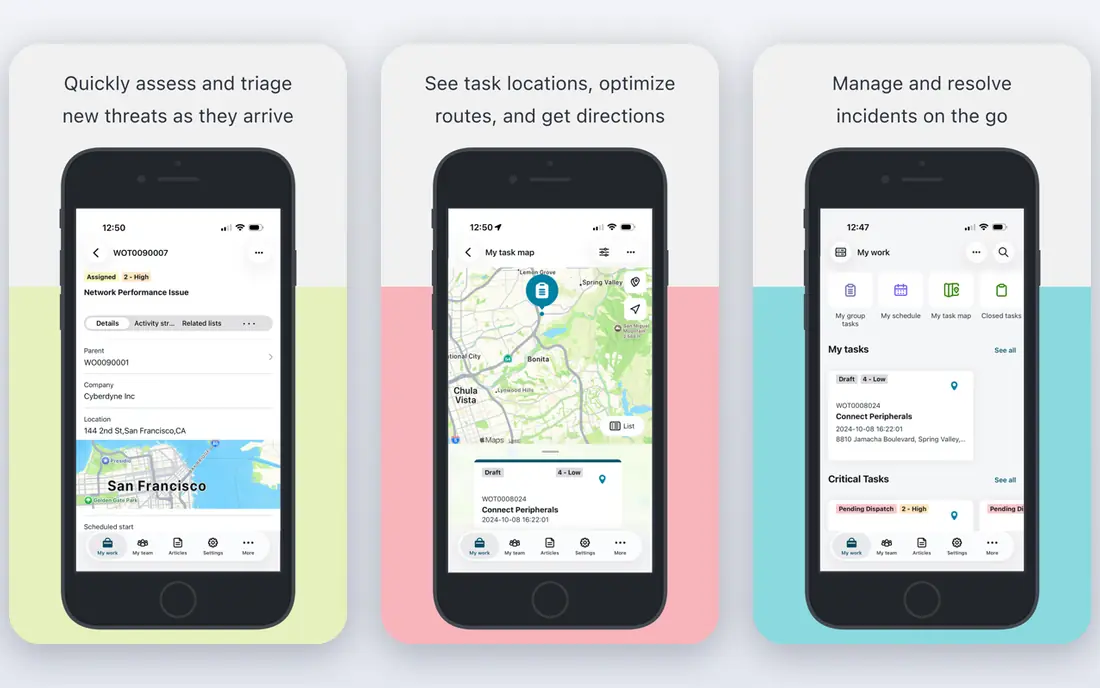
ServiceNow is the enterprise standard for change when complexity is high. Change requests link to configuration items, incidents, problems and releases, with approval flows, risk assessment, conflict detection and blackout windows built into the same data model. That depth helps global teams prove who approved what, when and why, which matters for audits and regulated industries.
Cost and staffing are the trade-offs. Pricing is quoted with multi-year contracts in many cases, and most deployments involve an implementation partner and dedicated administrators. For a team of a few technicians, ServiceNow is usually more than needed, while for a global enterprise it is often the only tool deep enough.
- Deep change, incident and asset modeling
- Approval and risk workflows
- Large ecosystem
- Quote-only pricing
- Needs dedicated admins and often an implementation partner
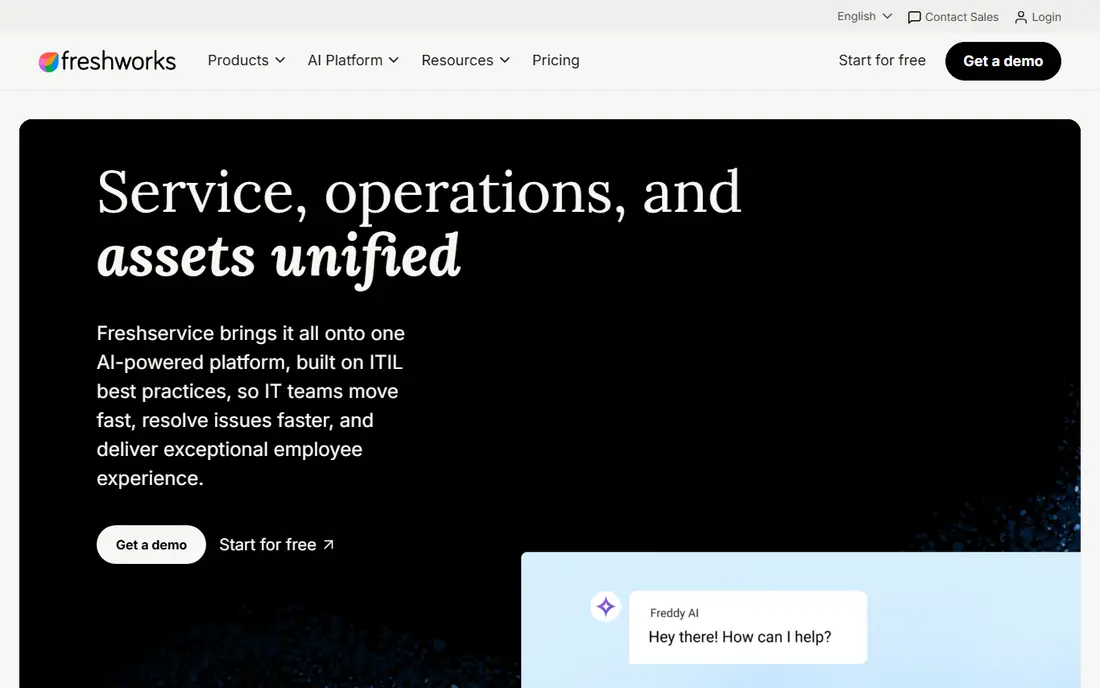
Freshservice gives mid-market IT teams a fast route to service management, with incident, asset and service catalog tools that work out of the box. Starter starts at $19 per agent per month billed annually, with Growth at $49 and Pro at $99, and a 14-day trial. The interface is easy to learn, and integrations with Microsoft 365 and other tools cover common needs.
Change is tier-gated, which is the key detail. Change, problem and release management appear on Pro, not Starter or Growth, so teams should price Pro when comparing change tools. If your team wants published pricing and quick deployment and can budget for Pro, Freshservice is a practical pick.
- Published pricing
- Fast setup
- Service catalog and SLA tools
- Change, problem and release management sit on Pro at $99 per agent per month
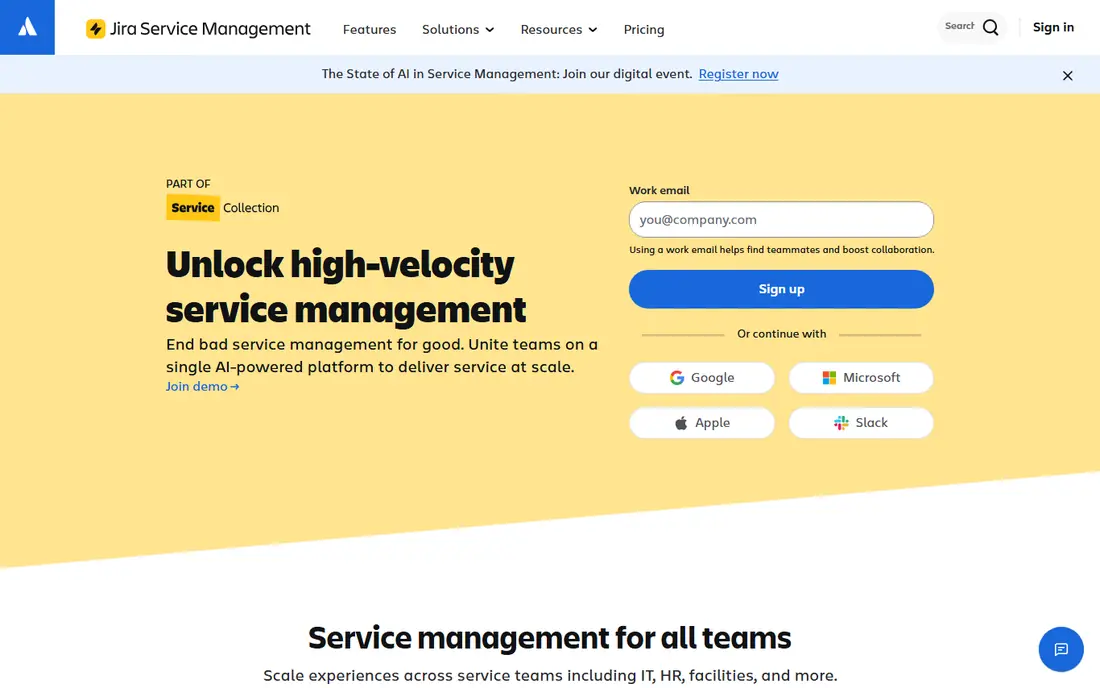
Jira Service Management suits teams already running Jira, Confluence and Bitbucket, because change requests link directly to development issues, deployments and documentation. The free tier covers up to 3 agents, Standard starts at $20 per agent per month and Premium adds advanced change, asset and automation features. Approval workflows, change calendars and risk checks help DevOps teams move fast without losing control.
The learning curve is real for teams outside Atlassian, and change depth on lower tiers is thinner than on Premium. For engineering-led organizations, the link between a change and the code that caused it is the deciding advantage.
- Free tier up to 3 agents
- Links changes to development work
- Asset and automation tools on paid tiers
- Advanced change features need Premium
- Setup benefits from Atlassian expertise
BMC Helix ITSM is built for large organizations standardizing on ITIL, with change, incident, problem, asset and service request management in one platform. Cognitive automation and predictive features help teams spot risky changes and recurring issues, while workflow depth supports strict approval chains. Regulated industries value its audit trails and process controls.
Enterprise scale brings enterprise effort. Pricing is quoted, deployments take planning, and teams need skilled administrators to get full value. For a large ITIL program that needs process rigor above speed, BMC Helix is a serious ServiceNow alternative.
- Strong ITIL process depth
- Automation and AI features
- Fits regulated enterprises
- Quote-only pricing
- Implementation and admin effort are high
ManageEngine ServiceDesk Plus is the budget pick in this list, with a free Standard edition for small teams and paid tiers starting low per technician. Change management, incident handling, asset tracking and a service catalog cover the core ITSM loop, and on-premise deployment suits teams with hosting rules that cloud-only tools cannot meet. That flexibility helps schools, local government and small IT departments.
The interface is less polished than Freshservice or Jira, and some AI and automation features sit on higher tiers or add-ons. For a team that needs working change control at low cost and can accept a plainer interface, ManageEngine is hard to beat on value.
- Free edition available
- Low paid entry pricing
- On-premise and cloud options
- Interface feels dated in places
- Advanced AI features cost extra
HaloITSM appeals to teams tired of tier-gating, because its single pricing tier at $49 per user per month includes ITIL processes, CMDB, change, incident and problem management together. That clarity makes budgeting simple, and the CMDB helps teams assess change impact by showing which services and assets a change touches. Configuration options are broad without requiring a consultant for every workflow.
The ecosystem is smaller than ServiceNow or Atlassian, so teams should check integrations with their monitoring, identity and asset tools during a trial. For a mid-market team that wants full ITIL depth at a published price, HaloITSM is a strong alternative to tiered rivals.
- All-inclusive ITIL features in one tier
- CMDB included
- Transparent pricing
- Smaller ecosystem than ServiceNow
- Trial terms vary by team size
SysAid combines service management with AI assistance that helps categorize tickets, suggest solutions and speed up routine work. Change management, asset tracking and automation sit alongside incident and problem tools, and deployment is simpler than a full enterprise ITSM program. That mix suits mid-market teams that want modern help without a long project.
Pricing transparency is weaker, since plans are quoted and asset limits vary, so teams should get a written quote for their agent and asset counts. If AI-assisted triage matters and your team wants a faster rollout than ServiceNow, SysAid deserves a demo.
- AI-assisted ticket handling
- Change and asset tools
- Simpler deployment than enterprise rivals
- Pricing is not fully published
- Asset counts vary by plan
Ivanti Neurons for ITSM suits organizations already managing endpoints with Ivanti, because change requests can draw on device, patch and security data in the same ecosystem. Automation helps standard changes run with less manual approval, while risk and impact views keep unplanned changes visible. Asset and service management tools round out the platform for IT teams with large device estates.
Standalone value is thinner. Pricing is quoted, and teams outside Ivanti may find Freshservice or HaloITSM simpler and cheaper. For an Ivanti shop, the endpoint link is a genuine advantage that standalone ITSM tools cannot match easily.
- Links change to endpoint and security data
- Automation tools
- Strong asset coverage
- Quote-only pricing
- Best value inside the wider Ivanti stack
SolarWinds Service Desk gives smaller and mid-size IT teams a cloud service desk with change, incident, problem and asset tools in one place. An employee portal and knowledge base help staff request changes and find answers without tickets, and reporting shows change volume, success rates and common failure points. Setup is faster than enterprise ITSM, which suits lean teams.
Depth is the limit. Large enterprises with complex approval chains, multi-region change calendars and deep CMDB needs will likely need ServiceNow or BMC Helix instead. For a team that wants working change control without an enterprise project, SolarWinds Service Desk is a practical option.
- Cloud service desk with change tools
- Employee portal
- Reporting and asset views
- Pricing is quoted in many cases
- Depth is thinner than enterprise ITSM
How we picked these
We compared vendor feature pages, pricing pages and public reviews for change management tools live in October 2026, focusing on approvals, risk assessment, change calendars, collision detection and links to incidents and assets. We used published prices only where they were clear, and See website where vendors quote, rather than repeating unverified figures. We did not claim hands-on testing, and we favored tools where change is part of service management, not a standalone form builder.
Choosing the right change tool for your team
Start by defining change types. Standard changes can be pre-approved and automated, normal changes need review and risk checks, and emergency changes need a fast path with retrospective approval. A tool that treats every change the same will either slow routine work or let risky changes through, so test all three paths during a trial.
Next, check impact visibility. The tool should show which services, assets and users a change touches, and flag overlapping changes in the same window. That view prevents the common failure where two safe changes collide and cause an outage together.
Finally, price the tier with change included. Freshservice needs Pro for full change, Jira needs Premium for advanced change, and enterprise tools quote as a package. Compare total cost at your agent count, and pilot with a real change calendar for a month before rolling out to the whole organization.
Frequently asked questions
What is the best software for change management?
ServiceNow and BMC Helix lead for large enterprises, while Freshservice, Jira Service Management and HaloITSM lead for mid-market teams. The best choice depends on team size, ITIL needs and whether you already use Atlassian or Ivanti tools.
What are the best change management tools for small teams?
ManageEngine ServiceDesk Plus, Jira Service Management free tier and Freshservice Starter are practical small-team starting points, though full change features may need a higher tier. Small teams should price the change-capable tier, not the cheapest plan.
What is the best change management tool for IT teams?
Jira Service Management suits DevOps-led teams, Freshservice suits mid-market IT teams, and ServiceNow suits global IT organizations. Match the tool to your incident, asset and release workflows, since change works best when linked to them.
How much does change management software cost?
Freshservice Starter starts at $19 per agent per month, HaloITSM starts at $49 per user per month, and Jira Service Management is free up to 3 agents. Enterprise tools such as ServiceNow and BMC Helix are quoted.
Does change management software replace a ticketing system?
No, it extends one. Change tools sit inside service management platforms alongside incident, problem and request handling, so changes, incidents and assets share one record. A standalone form tool cannot provide that linkage.
Sources
See where you really rank - block by block
ProMapRanker scans Google Maps across a grid of your service area. Simple monthly plans from $19, white-label on every plan.
Start freeKeep reading
 zscaler alternatives
Best Zscaler Alternatives in 2026
Looking for zscaler alternatives? We compare 9 SASE and zero trust platforms on architecture, data protection, pricing, and fit for your network and team.
Read → zapier alternatives free
Best Zapier Alternatives Free in 2026
Nine automation tools for zapier alternatives free in 2026, all with genuinely free tiers, plus free plan limits, starting prices and upgrade paths explained.
Read → which platform is best for online reputation
Which Platform Is Best for Online Reputation in 2026
Wondering which platform is best for online reputation? We compare 8 review, listing, and response tools for small and multi-location businesses and agencies.
Read →