 ProMapRanker
Best Cards for Companies With Global Vendors in 2026

Key takeaways
- Airwallex, Wise Business, and Revolut Business lead on multi-currency spend from held balances.
- Ramp and Brex lead on US spend controls and rewards, with weaker multi-currency depth than the global specialists.
- American Express suits established firms that value travel perks and accept higher FX costs.
- FX terms, card type, and approval rules matter more than any single cashback headline.
Quick comparison
| Pick | Great for | Pricing starts at | Free tier | |
|---|---|---|---|---|
 Airwallex | multi-currency vendor spend | See website | No | Visit |
 Wise Business | transparent FX for vendor payments | See website | No | Visit |
 Revolut Business | fintech teams with global spend | See website | No | Visit |
 Ramp | US spend control and automation | See website | No | Visit |
 Brex | funded startups with global teams | See website | No | Visit |
 BILL Spend and Expense | firms that already use BILL | See website | No | Visit |
 Pleo | European teams with global vendors | See website | No | Visit |
 American Express Business | established firms and travel perks | See website | No | Visit |
 OFX | vendor payments with currency risk tools | See website | No | Visit |
The best cards for companies with global vendors
Paying vendors in several currencies tests a card in ways domestic spend never does. We compared official card pages, FX terms, multi-currency account support, and expense controls. Card terms, fees, and FX treatment vary by issuer and plan, so check the current terms for your plan before you rely on any rate shown here. A service that uses a mid-market rate with a visible fee is not a no-fee service.
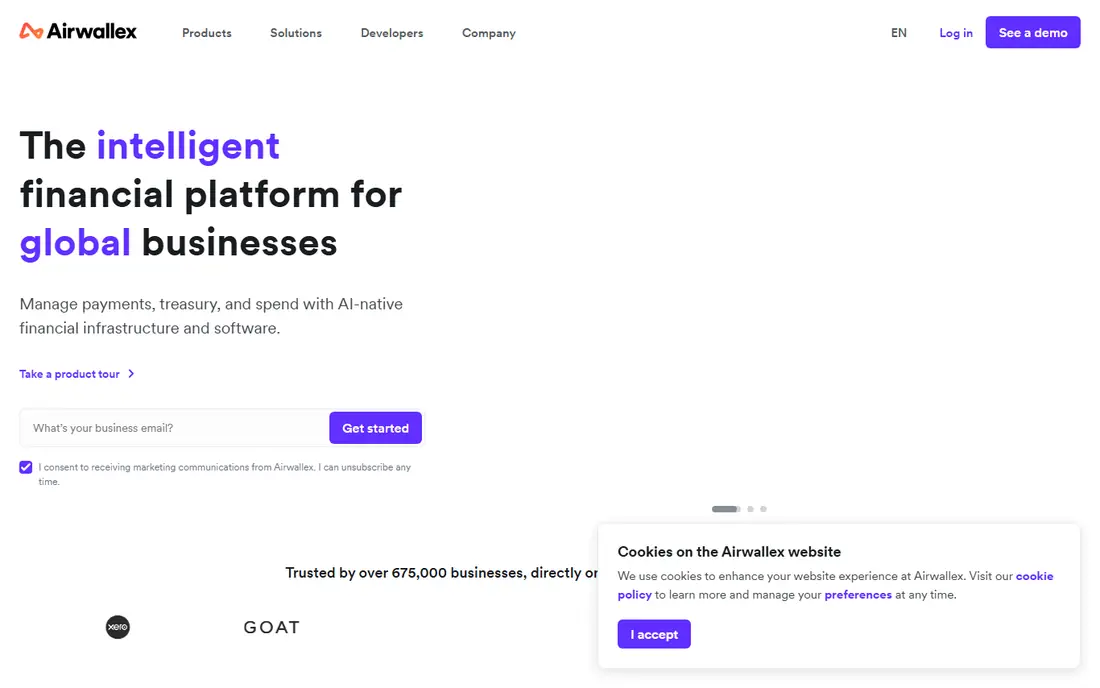
For many readers, Airwallex is the first name worth checking because it fits multi-currency vendor spend. Airwallex issues multi-currency Visa debit cards linked to held currency balances, with expense management and accounting integrations on the same platform. Spending from a held balance avoids conversion on that transaction. The strength is global vendor fit, since cards, accounts, and FX sit together instead of across three separate tools. That combination is why we kept it on this list, even though no option here is right for every reader. The weakness is that Airwallex cards are debit cards, so firms that need a credit line or float for vendor terms need a separate credit product. Before you commit, check the current terms on the official site and confirm availability for your state, country, or use case. If that weakness touches the one thing you need most, move on to the next name on this list rather than trying to work around it.
- Multi-currency Visa cards
- 0 percent international fees from held balances
- Expense controls
- Debit not credit, so no credit float
- Pricing varies by plan
- US availability checks apply
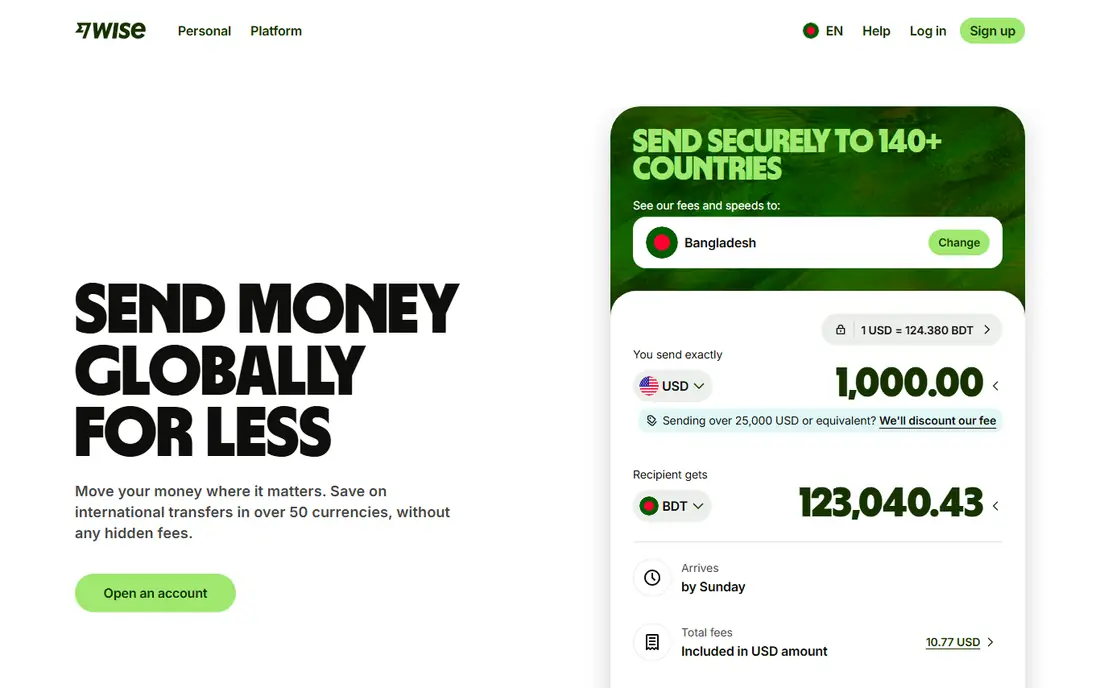
Wise Business earns its place here for readers who need transparent FX for vendor payments. Wise Business gives firms multi-currency balances and debit cards that spend from those balances, with conversion at the mid-market rate plus a visible fee shown before payment. That transparency is the point, and it should not be described as free. The strength is rate clarity, since the fee and rate are shown up front rather than hidden in a marked up exchange rate. That combination is why we kept it on this list, even though no option here is right for every reader. The weakness is control depth, because Wise expense controls are more basic than Ramp, Brex, or Airwallex, and there is no credit card float. Before you commit, check the current terms on the official site and confirm availability for your state, country, or use case. If that weakness touches the one thing you need most, move on to the next name on this list rather than trying to work around it.
- Mid-market rate with a visible fee
- Multi-currency balances
- Debit cards
- Fee applies on conversion, so it is not no-fee
- Expense controls are basic
- No credit line
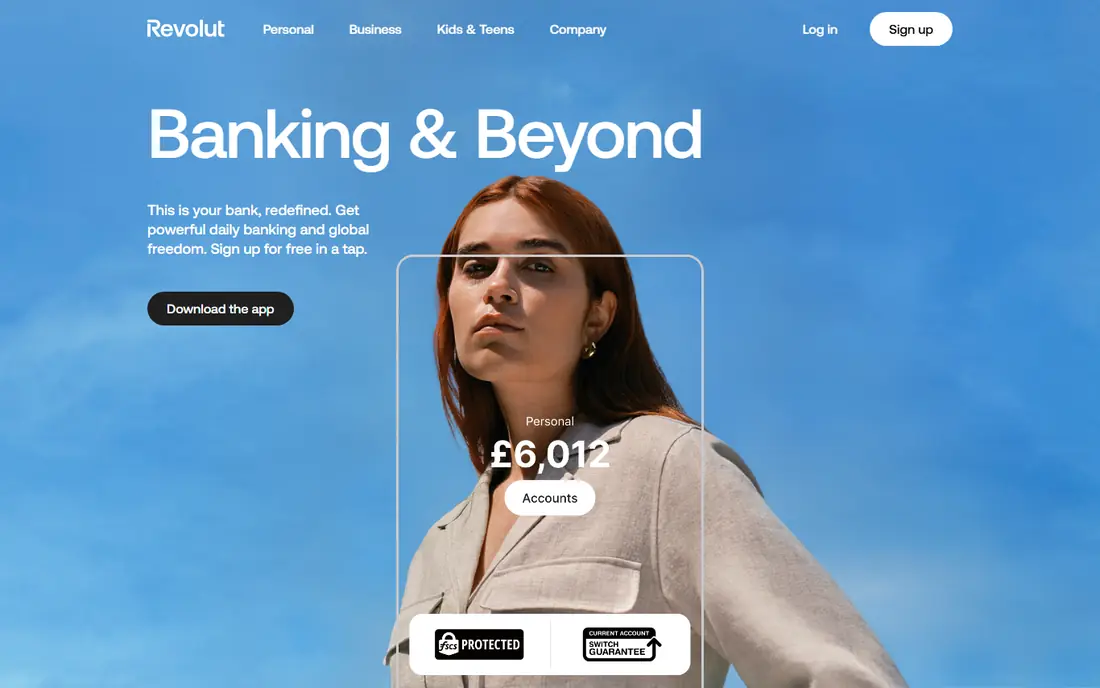
When fintech teams with global spend is the priority, Revolut Business deserves a close look. Revolut Business combines multi-currency business accounts, team cards, FX, and expense tools in one app. Its cards can be controlled by category, currency, and spending period, with approval workflows on paid plans. The strength is breadth in one account, since a team can hold balances, pay vendors, and issue cards without opening several bank accounts. That combination is why we kept it on this list, even though no option here is right for every reader. The weakness is plan gating, because the strongest FX allowances and controls sit on paid plans, so the free tier is thinner than it first looks. Before you commit, check the current terms on the official site and confirm availability for your state, country, or use case. If that weakness touches the one thing you need most, move on to the next name on this list rather than trying to work around it.
- Multi-currency accounts in 25 plus currencies
- Virtual and physical cards
- Expense tools
- FX limits and paid plan features apply
- Business banking availability varies by country
- Fees vary by plan
Ramp stands out in this group for US spend control and automation. Ramp issues corporate charge cards with expense automation, receipt capture, and accounting sync, and it is often cited as the best overall US corporate card for control. Its platform is built for finance teams that want spend rules enforced at the card, not after the fact. The strength is automation, since policy checks, receipt matching, and accounting export reduce manual expense work. That combination is why we kept it on this list, even though no option here is right for every reader. The weakness for this topic is global depth, because Ramp is strongest for US dollar spend and US vendors, while Airwallex and Wise are built first for multi-currency vendor work. Before you commit, check the current terms on the official site and confirm availability for your state, country, or use case. If that weakness touches the one thing you need most, move on to the next name on this list rather than trying to work around it.
- No-fee cards on its core offer
- Strong expense automation
- Accounting integrations
- US focused
- Multi-currency depth weaker than global specialists
- Cash balance requirements apply
Readers who want funded startups with global teams will find Brex a practical starting point. Brex issues corporate cards to venture backed and growing firms, underwriting on cash balance and funding history rather than personal credit in many cases. Its cards pair with a business account and expense tools. The strength is access for funded startups, since firms with cash in the bank but thin credit history can still get strong cards and limits. That combination is why we kept it on this list, even though no option here is right for every reader. The weakness is global vendor depth, because Brex is a US corporate card first, and firms paying many vendors abroad may still need a multi-currency account alongside it. Before you commit, check the current terms on the official site and confirm availability for your state, country, or use case. If that weakness touches the one thing you need most, move on to the next name on this list rather than trying to work around it.
- Cards underwritten on cash and funding
- Category rewards
- Business account link
- Funding and balance expectations apply
- FX terms vary
- Less multi-currency depth than specialists
BILL Spend and Expense is a strong match when firms that already use BILL matters most. BILL Spend and Expense is the successor to Divvy, and it should be evaluated as BILL, not as a Divvy alternative. It gives finance teams virtual and physical cards, budgets, and spend controls linked to BILL accounts payable workflows. The strength is payables linkage, since card spend and vendor bills can be managed in one finance workflow. That combination is why we kept it on this list, even though no option here is right for every reader. The weakness is that BILL is not a multi-currency specialist, so firms with many foreign currency vendors may still need Airwallex or Wise for FX. Before you commit, check the current terms on the official site and confirm availability for your state, country, or use case. If that weakness touches the one thing you need most, move on to the next name on this list rather than trying to work around it.
- Spend controls
- Virtual cards
- BILL accounts payable integration
- Card type and terms vary by plan
- FX depth weaker than global specialists
- Approval checks apply
If European teams with global vendors is what you are shopping for, Pleo belongs on the shortlist. Pleo gives European startups and mid sized firms virtual and physical cards, spending limits, receipt capture, and accounting export to systems such as Xero and NetSuite. It blends card spend and expense management in one platform. The strength is European fit, since its accounting integrations and card controls reflect how European finance teams actually close the books. That combination is why we kept it on this list, even though no option here is right for every reader. The weakness is geography, because US firms may find Pleo coverage and vendor payment options thinner than Airwallex or Ramp. Before you commit, check the current terms on the official site and confirm availability for your state, country, or use case. If that weakness touches the one thing you need most, move on to the next name on this list rather than trying to work around it.
- Prepaid and credit card options
- Expense automation
- European accounting integrations
- European focus
- FX fees vary by plan
- US coverage is limited
American Express Business takes a different route to established firms and travel perks, and that difference is the point. American Express business cards remain the premium choice for established firms that value travel perks, lounge access, and rewards, with acceptance across major accounting systems. Its corporate card program also serves larger firms with central billing. The strength is perks and acceptance, since travel rewards and premium benefits are stronger than on most fintech cards. That combination is why we kept it on this list, even though no option here is right for every reader. The weakness for global vendors is FX cost, because a 2 to 3 percent FX fee quickly outweighs rewards on large foreign currency vendor payments. Before you commit, check the current terms on the official site and confirm availability for your state, country, or use case. If that weakness touches the one thing you need most, move on to the next name on this list rather than trying to work around it.
- Premium travel perks
- Wide ERP acceptance
- Strong rewards on business spend
- FX fees of 2 to 3 percent in many cases
- Personal guarantee often required
- Stricter approval
Among the names here, OFX is the one to study for vendor payments with currency risk tools. OFX issues Visa corporate cards linked to its Global Business Account, with spend in 30 plus currencies and tools for forward contracts and limit orders. Its Standard plan includes the account and cards, while approval policies sit on the paid Full Suite plan. The strength is currency risk management, since forward contracts help firms lock rates for known vendor payments. That combination is why we kept it on this list, even though no option here is right for every reader. The weakness is plan gating and rate transparency, because spend management needs the paid plan and OFX does not publish the auto-conversion rate for card spend. Before you commit, check the current terms on the official site and confirm availability for your state, country, or use case. If that weakness touches the one thing you need most, move on to the next name on this list rather than trying to work around it.
- Multi-currency account and cards
- Forward contracts
- 1 percent cashback on everyday spend in some plans
- Approval and spend tools need the paid Full Suite plan
- Auto-conversion rate not published
- Local details in four currencies
How we picked these
We compared official card pages, FX disclosures, multi-currency account support, and expense control features. We kept only cards with live business issuance in October 2026, and we favoured clear FX terms and vendor payment fit over rewards headlines. We did not claim hands-on testing, and we did not present a mid-market rate service with a visible fee as no-fee.
How to choose a card for global vendors
Start with where your vendors are paid, not with cashback. List your top vendor currencies, payment volumes, and whether you pay by card, bank transfer, or both, since some vendors do not accept cards at all. If most vendor spend is in foreign currencies, a multi-currency account with cards that spend from held balances will usually save more than a US card with rewards and a 2 to 3 percent FX fee. Check card type, credit terms, and approval rules next. Charge cards must be paid in full each cycle, debit cards spend from held balances, and credit cards give float but may need a personal guarantee. Card terms, fees, and FX treatment vary by issuer and plan, so read the current fee schedule, FX disclosure, and cardholder agreement before issuing cards to a team. Test expense controls with a small group first, including limits, merchant categories, approvals, and accounting sync, before rolling cards out to every vendor facing employee.
Frequently asked questions
What is the best card for paying global vendors?
Airwallex is the strongest all round choice for multi-currency vendor spend, since its cards spend from held balances with no international fee on those transactions. Wise Business is a strong second for rate transparency, while Ramp is stronger for US spend control.
Is Wise Business really free for FX?
No, Wise Business converts at the mid-market rate plus a visible fee, which is transparent but not free. Any article or vendor page that calls that combination no-fee is misleading, and firms should budget for the fee on converted spend.
Do corporate cards work for all vendors?
No, some vendors only accept bank transfers, and card acceptance varies by country and vendor size. Check payment method with your largest vendors before choosing a card as your main vendor payment tool.
Should I use one card or two?
Many firms use one card for domestic spend and control, such as Ramp or Brex, plus a multi-currency account and card, such as Airwallex or Wise, for foreign vendors. That split often beats forcing one card to do both jobs badly.
Do fintech corporate cards need a personal guarantee?
Many fintech charge cards do not need a personal guarantee, with the business liable instead, but they often need a minimum cash balance. Traditional bank and American Express cards more often need a personal guarantee, so check the agreement.
What FX fee should I expect?
FX fees range from no international fee when spending from a held balance, to a visible conversion fee on Wise, to 2 to 3 percent on many traditional business cards. Card terms, fees, and FX treatment vary by issuer and plan, so confirm the rate for your plan.
Sources
See where you really rank - block by block
ProMapRanker scans Google Maps across a grid of your service area. Simple monthly plans from $19, white-label on every plan.
Start freeKeep reading
 worlds best local seo company
8 Worlds Best Local SEO Companies for Map Pack Growth in 2026
Compare the worlds best local seo company options for Google Business Profile work, citations, reviews, and multi-location rankings and reporting in 2026.
Read → world's best web hosting company
World's Best Web Hosting Company in 2026
Searching for the world's best web hosting company? We compared 10 hosts on price, renewal rates, speed, and support to help you choose well today in 2026.
Read → who's got the best nanny tax services
Who's Got the Best Nanny Tax Services in 2026
We answer who's got the best nanny tax services, comparing full filing, back taxes, software, and pricing so families can handle nanny taxes correctly.
Read →