 ProMapRanker
Best Call Tracking Software for Thrift Stores in 2026
Direct answer
CallRail is my first pick for thrift stores because it tracks which ad, listing or page produced each call and keeps store and donation pickup lines separate. It offers a free trial, so you can test tracking numbers before committing. If you mainly want to see which location gets the calls, look at Invoca; if you need a simple call tracking add-on inside a wider local marketing suite, look at CallTrackingMetrics.
I compared these tools from vendor documentation and public sources, not from hands-on tests. I looked at how each one handles multiple locations, call routing, recordings and reporting, then matched those features to how thrift stores actually receive calls.
Key takeaways
- Thrift stores get two very different call types, donation pickup questions and store visits, and good call tracking keeps them apart.
- Dynamic number insertion shows a tracking number on your website while your Google Business Profile keeps the real store number.
- Call recordings and transcripts help you see whether staff answer donation questions clearly.
- Multi-location thrift chains need per-store numbers so each shop's calls roll up to the right manager.
- Review your call data monthly and feed the findings back into your Google Business Profile and local landing pages.
Quick comparison
| Pick | Great for | Pricing starts at | Free tier | |
|---|---|---|---|---|
 CallRail | Overall call tracking for stores | See website | Free trial | Visit |
 Invoca | Larger thrift chains with marketing teams | See website | Not stated | Visit |
 CallTrackingMetrics | Flexible routing and IVR for busy stores | See website | Free trial | Visit |
 WhatConverts | Tying calls to leads and form fills | See website | Free trial | Visit |
 Marchex | Multi-location brands wanting call intelligence | See website | Not stated | Visit |
 Ringba | Pay-per-call and campaign-driven stores | See website | Free trial | Visit |
 CallRail (Google Ads) | Stores running paid search for donations | See website | Free trial | Visit |
The best call tracking software for thrift stores compared
CallRail is a call tracking platform that assigns tracking numbers to marketing channels, web pages and listings, then reports which source produced each call. For a thrift store, that means you can tell whether a donation pickup question came from your Google Business Profile, a local flyer page or a paid ad. It suits single shops and small chains that want clear attribution without a large marketing team.
In daily use, you set one tracking number for the store line and a separate one for donation inquiries. Dynamic number insertion swaps the number shown on your website for visitors from different sources, while your Google Business Profile keeps the real store number so customers who call from Maps reach you directly. Staff can listen to recordings to check that donation hours and pickup rules are explained correctly.
The limits show up when you run many locations or want deep call scoring. Smaller shops may never use the advanced routing. Skip it if you only need a basic number and no reporting.
- Clear call attribution by source
- dynamic number insertion for websites
- call recordings and transcripts
- Multi-location setup needs planning
- advanced features cost more
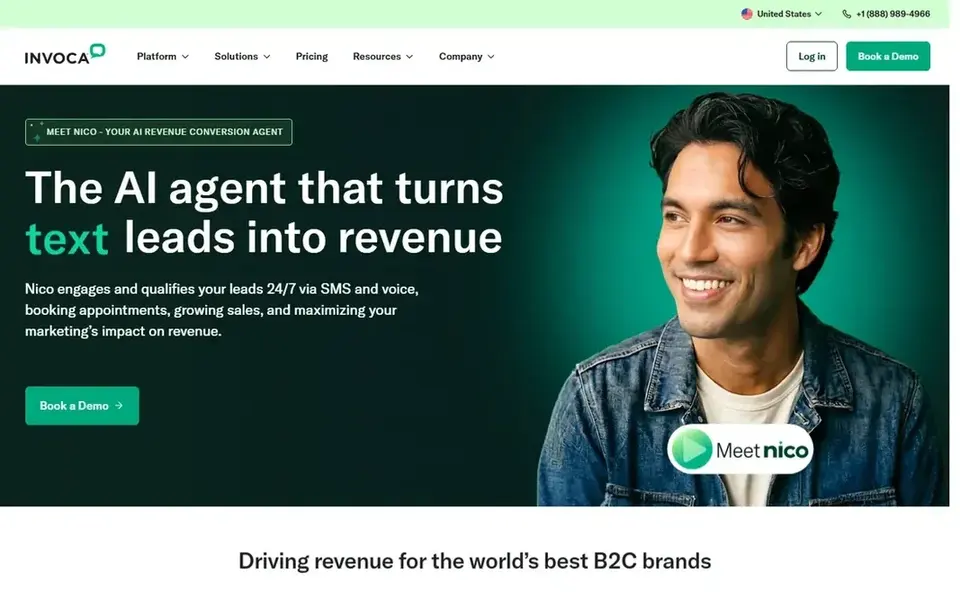
Invoca focuses on call intelligence, using conversation data to show what callers ask about and how agents respond. A regional thrift chain with several stores and a donation hotline can use it to see which campaigns drive pickup requests and which stores get the most donation calls. It fits organizations with a marketing team that can act on the data.
The workflow centers on connecting calls to campaigns and locations, then reviewing transcripts and categories. For thrift stores, that helps separate "do you pick up furniture" calls from "are you open Sunday" calls, so you can adjust store pages and ads accordingly. Managers can compare stores without guessing.
The main limit is scale. Invoca is built for bigger operations, and a single neighborhood shop will find it more than needed. Expect a sales conversation rather than self-serve signup.
- Strong call intelligence and conversation analysis
- built for multi-location brands
- ties calls to campaigns
- Quote-based sales process
- heavier than a single shop needs
CallTrackingMetrics
Great for: Flexible routing and IVR for busy stores
CallTrackingMetrics is a call tracking and contact center tool with routing, interactive voice menus and reporting. A busy thrift store that gets many donation questions can set a menu so callers choose store hours, donation pickup or a specific department. That reduces time staff spend repeating the same answers.
For local SEO work, the tool tracks which source produced each call and lets you route calls by location. If your chain has three shops, each gets its own number and report. You can also record calls to check how donation guidelines are explained. The reporting helps you decide which local pages deserve more attention.
The trade-off is setup effort. IVR trees and routing rules need planning, and a small shop with one phone line may find the interface heavier than necessary. Skip it if you want something you can switch on in minutes.
- IVR and routing rules
- multi-location support
- call recordings and reports
- Configuration takes time
- interface can feel dense
WhatConverts tracks calls, web forms and chats as leads, then shows the source behind each one. A thrift store that takes donation pickup requests through a form and questions by phone can see both in one place. That is useful when you want to know whether a new local page produced calls or form submissions.
The tool records calls and attaches them to lead records, so you can review how staff handled a donation question. For local SEO, it shows which channels bring in inquiries, helping you decide where to spend time. It works for single stores and small chains.
The learning curve is the main drawback. The lead view has many fields, and a shop that only wants call counts may find it busy. It also overlaps with CRM tools you may already use.
- Combines calls, forms and chats in one lead view
- call recording
- lead source reporting
- Reporting takes time to learn
- not a pure call tracking tool
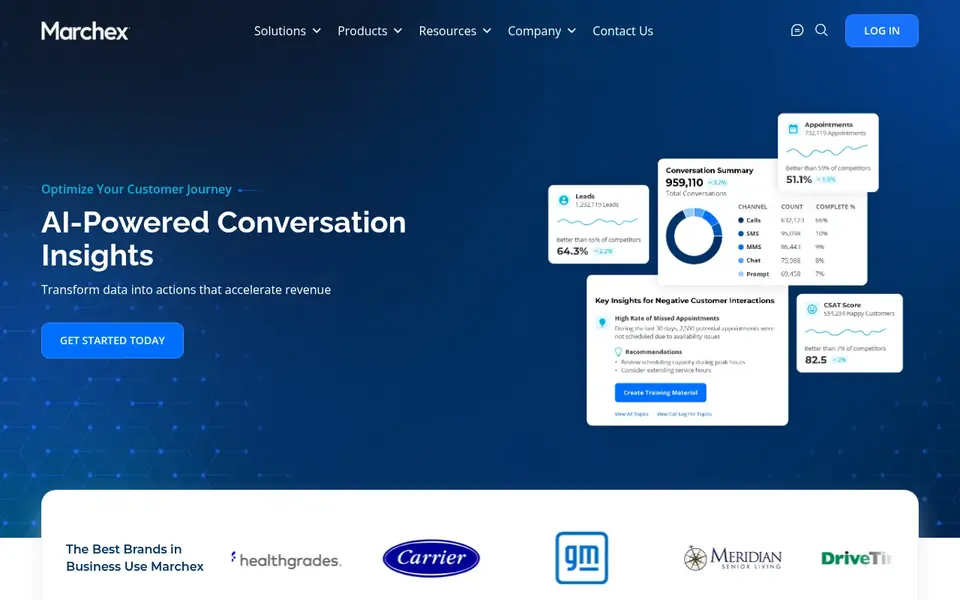
Marchex provides call analytics and conversation intelligence for multi-location businesses. A thrift chain with a central marketing team can use it to see what callers ask across stores and which campaigns drive donation pickup calls. It is designed for organizations that treat calls as a marketing channel with measurable outcomes.
The workflow connects call data to locations and campaigns, then surfaces patterns in what callers say. For thrift stores, that could show a rise in furniture donation questions after a seasonal campaign, or repeated confusion about store hours. Those findings feed back into Google Business Profile updates and local pages.
The limits are clear for small operators. Marchex is sold through a sales process and built for larger brands. A single shop should look elsewhere.
- Conversation analytics
- built for multi-location businesses
- integrates with marketing data
- Quote-based pricing
- not aimed at small shops
Ringba is a call tracking and pay-per-call platform used by call marketplaces and performance marketers. A thrift store running donation pickup campaigns or working with partners can use it to route calls and track outcomes. It handles large numbers of tracking numbers and detailed routing rules.
For local marketing, Ringba shows which campaigns and sources produce calls and lets you route them to the right store or team. If your thrift operation runs seasonal donation drives with several partners, that routing flexibility helps. Reports show call outcomes so you can adjust campaigns.
The tool is built for call marketplace use first, so a single store will find it complex. Skip it unless you run performance campaigns or partner routing at some scale.
- Built for call tracking and routing at scale
- detailed call analytics
- flexible number management
- Designed for call marketplaces first
- overkill for a single store
This entry refers to CallRail's Google Ads integration, which connects call data to paid search campaigns. A thrift store advertising donation pickup or store hours can see which keywords and ads produced calls. That closes the gap between ad spend and phone inquiries.
In practice, you link your Google Ads account, assign tracking numbers to campaigns, and review which search terms led to calls. For a thrift store, that might show that "furniture donation pickup" ads bring calls while "thrift store near me" ads bring fewer. You can then shift budget toward what works.
The limit is obvious: if you do not run Google Ads, this integration adds nothing. Small shops with no paid search should use the core CallRail platform or a simpler tool.
- Connects calls to Google Ads campaigns
- keyword-level call attribution
- works with the main CallRail platform
- Only useful if you advertise
- requires Ads account access
How I chose
I built this list from vendor documentation and public sources, not from hands-on testing. I read each vendor's feature pages, help documentation and public materials to understand how the tools handle tracking numbers, routing, recordings and reporting. I then matched those features to how thrift stores work: two call types, multiple locations in some cases, and staff who answer phones between customers.
I also weighed limits. Some tools are built for large multi-location brands and are sold through a sales process, which does not suit a single shop. Others are flexible but need configuration time. I left out tools whose sites were offline or whose details I could not verify from public sources, and I did not include any tool I could not confirm exists.
What to check before you buy
- Confirm the tool supports dynamic number insertion so your website shows a tracking number while your Google Business Profile keeps the real store number.
- Check whether you can set separate numbers for the store line and the donation pickup line.
- Ask how per-location reporting works if you run more than one shop.
- Confirm call recording and transcript options, and check your local consent rules for recording calls.
- Check whether the tool integrates with Google Ads and Google Business Profile data.
- Read the contract terms for number portability, so you can keep your tracking numbers if you switch tools.
Frequently asked questions
What is call tracking software for a thrift store?
It is software that assigns tracking phone numbers to your marketing sources, then reports which source produced each call. For a thrift store, that means seeing whether a donation pickup question came from your Google Business Profile, a local page or an ad. It also records calls so you can review how staff answer common questions.
Will call tracking change my Google Business Profile number?
Not if you set it up correctly. Keep the real store number on your Google Business Profile and use dynamic number insertion on your website only. That way customers calling from Maps reach your shop directly, and you still get source data from web visitors. Check this with each vendor before you buy.
Do I need call tracking if I only have one store?
It can still help. A single thrift store often gets donation questions and store hours calls from several sources, and tracking shows which ones matter. If you run no ads and have one phone line, a basic setup may be enough. Start small and add features only when you need them.
How do I separate donation pickup calls from store visit calls?
Use two tracking numbers, one for each purpose, and route them to the right staff or menu. Then review reports by number to see which sources drive donation calls. This keeps your data clean and helps you adjust local pages and ads for each call type.
Can call tracking help with local SEO?
Yes, when you use the data. Calls show which pages and listings produce inquiries, so you can improve the pages that matter and update your Google Business Profile with accurate hours and services. Do not stuff keywords into your business name or buy reviews; use call data to fix real gaps in your listings.
Sources
See where you really rank - block by block
ProMapRanker scans Google Maps across a grid of your service area. Simple monthly plans from $19, white-label on every plan.
Start freeBrowse all guides
← Best Call Tracking Software for Sandblasting Companies in 2026Best Google Business Profile Software for Boxing Gyms in 2026 →
 best call tracking software for pergola builders
Best Call Tracking Software for Pergola Builders in 2026
A pergola builder's guide to call tracking software in 2026: how each tool handles call sources, quotes and follow-up, based on vendor docs and public sources.
Read → best call tracking software for paddleboard rentals
Best Call Tracking Software for Paddleboard Rentals in 2026
A practical guide to call tracking software for paddleboard rental businesses, compared from vendor documentation and public sources for 2026.
Read → best call tracking software for gymnastics gyms
Best Call Tracking Software for Gymnastics Gyms in 2026
A first-person guide to call tracking software for gymnastics gyms in 2026, compared from vendor documentation, with tools for trials, classes and front-desk calls.
Read →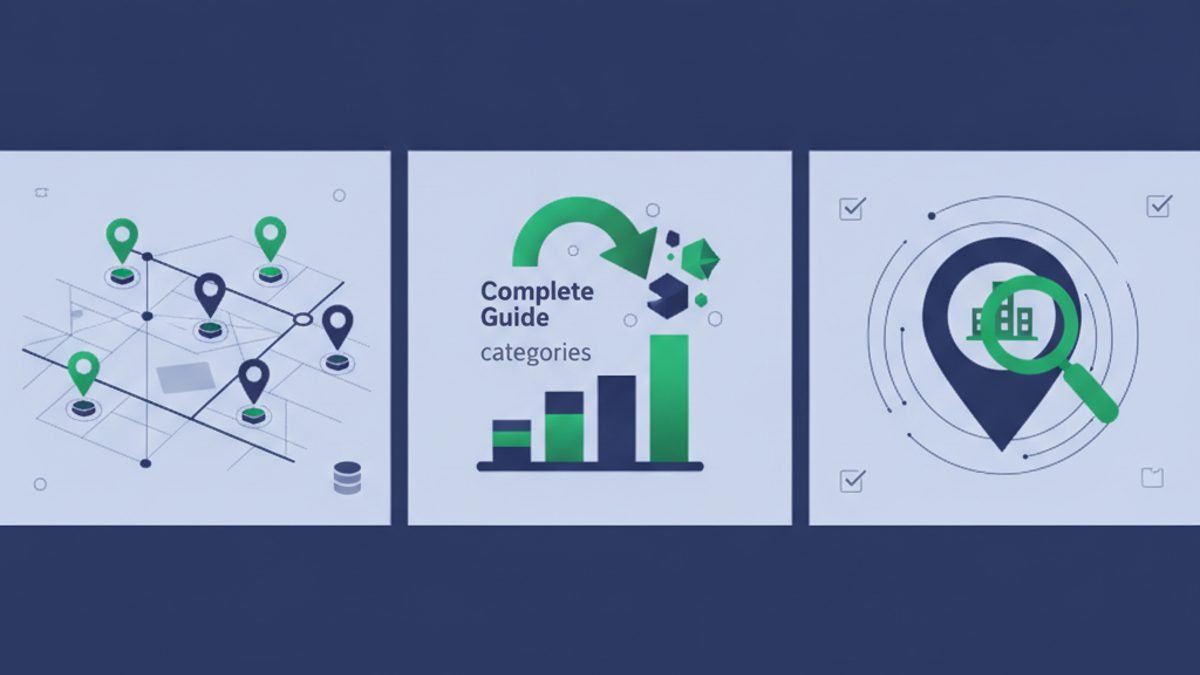 citations by category
Citations By Category: A Complete Guide
Everything you need to know about citations by category: what it is, why it matters for local SEO, and exactly how to act on it.
Read → gbp optimization
GBP Optimization: How to Optimize a Google Business Profile for Local SEO
GBP optimization explained: a local-SEO-focused walkthrough to turn your profile into a lead engine.
Read → best copilot rank tracker software
Best Copilot Rank Tracker Software in 2026
Best Copilot rank tracker software compared for 2026: tools that track brand mentions, citations and links inside Microsoft Copilot answers every day.
Read →More in Local SEO & Google Maps · All guides A to Z by date · Latest guides