 ProMapRanker
Best Blogging Platform to Make Money in 2026

Key takeaways
- The best blogging platform to make money depends on income type: ads and affiliates suit WordPress, subscriptions suit Ghost and Substack, and design-led blogs suit Squarespace.
- Ownership matters. A platform that lets you export posts, subscribers and your domain protects income if rules or prices change later.
- Free plans are useful for testing, but many free plans limit monetization, custom domains or SEO control, so check those limits first.
- Start with one main income stream, such as affiliate links or paid subscriptions, and add a second stream only after traffic and email list growth are steady.
Quick comparison
| Pick | Great for | Pricing starts at | Free tier | |
|---|---|---|---|---|
 WordPress.org | Full ownership and long-term income | Free | Yes | Visit |
 WordPress.com | Hosted WordPress without server work | Free | Yes | Visit |
 Ghost | Newsletter and membership income | $15 per month | Free trial | Visit |
 Substack | Starting paid newsletters fast | Free | Yes | Visit |
 Medium | Reaching readers without an audience | Free | Yes | Visit |
 Squarespace | Design-led blogs and portfolios | $16 per month | Free trial | Visit |
 Wix | Beginners who want drag-and-drop building | Free | Yes | Visit |
 Blogger | Free hobby blog on Google tools | Free | Yes | Visit |
 HubSpot CMS | Business blogs tied to marketing | $25 per month | Free trial | Visit |
The best blogging platforms to make money
Making money from a blog is rarely about one trick. It comes from traffic, trust, an email list and a product or offer that fits readers. Some platforms make ads and affiliate income easy, others make paid subscriptions easy, and a few make design easy at the cost of control. The platforms below cover those trade-offs, with prices from recent listings, so confirm the live price before you commit.
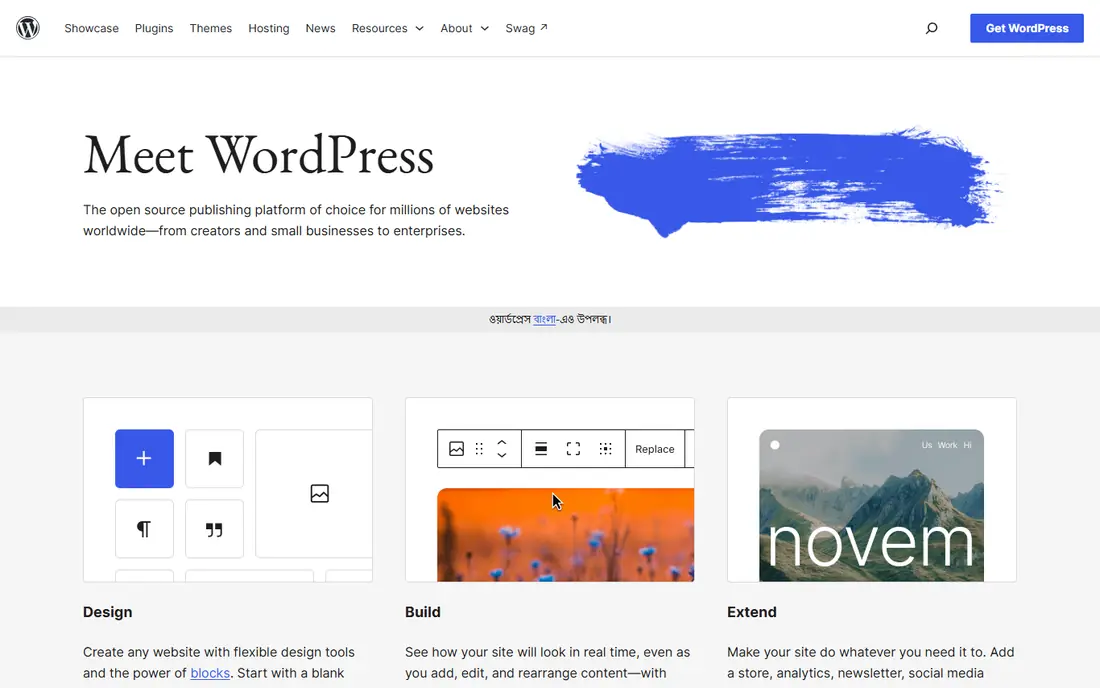
WordPress.org is the self-hosted version of WordPress, and it remains our pick for most people who want to make money long term. The software itself is free, hosting starts around $3 per month in recent listings, and you keep full control over ads, affiliate links, memberships and online products. Plugins cover SEO, email capture, memberships and shops, so income options grow with the blog.
That freedom comes with responsibility. You choose hosting, install updates, manage security and fix problems when a plugin conflicts. Beginners can still learn it in a weekend, but it is not as instant as Substack or Blogger. For a blog meant to earn for years, ownership and flexibility outweigh the setup effort.
- Full control over ads, affiliates and products
- Huge plugin range
- Export and domain freedom
- Hosting costs extra
- Setup and updates are your job
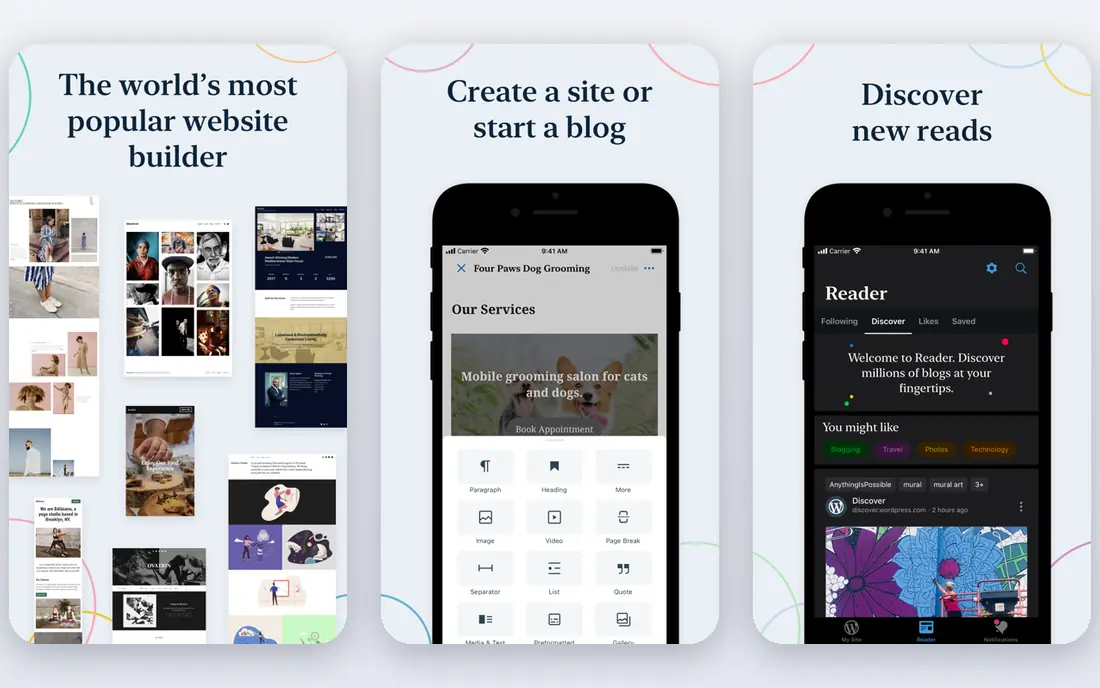
WordPress.com hosts WordPress for you, so you skip server setup and updates. A free plan lets you start writing at once, and paid plans add a custom domain, more storage and, on higher plans, plugins and themes. Recent changes in 2026 opened plugins to more paid plans, which made WordPress.com more competitive for money-making blogs.
The free plan is not a good income base, because it limits monetization, shows WordPress branding and restricts a custom domain. Paid plans solve much of that, but you still live on Automattic infrastructure and terms. WordPress.com suits beginners who want WordPress ease without hosting, and who plan to upgrade as income grows.
- Hosted WordPress with less setup
- Free plan to start
- Paid plans from $4 per month in older listings, $9 per month in newer listings
- Free plan limits monetization and domain
- Advanced control needs higher plans
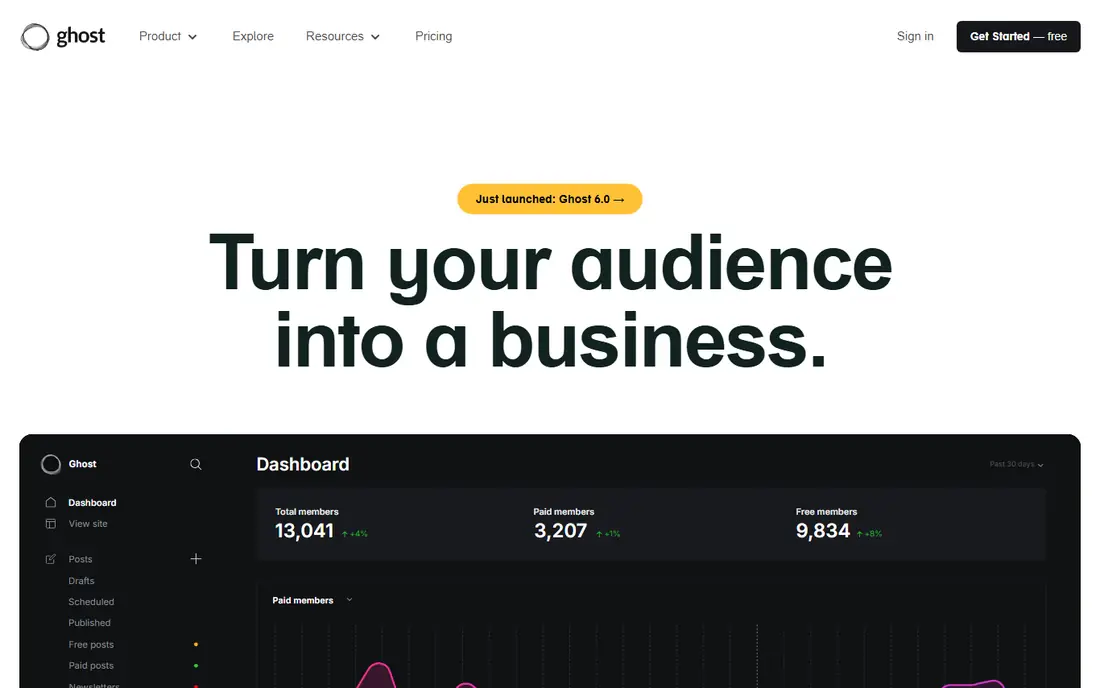
Ghost is built for writers who earn from paid subscriptions. Newsletters, membership tiers and member accounts are built in, and Ghost takes 0 percent of subscription revenue on hosted plans, with payment processing fees still applying. That fee structure becomes cheaper than Substack once subscription income passes a few hundred dollars per month.
Ghost is weaker for display ads and physical products, and hosted Ghost(Pro) pricing rises with member count, starting at $15 per month in recent listings. Self-hosting is free in software terms but needs technical setup. Ghost suits writers whose main income is subscriptions and who want to own their audience list.
- Built-in newsletters and memberships
- 0 percent platform fee on subscriptions
- Clean writing tools
- Display ads need theme work
- Product sales are limited
- Hosted price rises with audience size
Substack is the fastest way to test a paid newsletter idea. You can publish, build a free list and turn on paid subscriptions without paying upfront, and built-in discovery and recommendations can bring new readers. That low friction explains why many writers start here, even when they plan to move later.
The cost is a 10 percent fee on paid subscription revenue, plus payment processing fees, which adds up as income grows. Design, SEO and site control are also more limited than WordPress or Ghost. Substack suits writers who want to prove an idea quickly, with a plan to compare Ghost or WordPress once paid income is steady.
- Free to start
- Built-in discovery and recommendations
- Simple paid subscriptions
- 10 percent platform fee on paid subscriptions
- Less design and SEO control
Medium helps new writers reach readers fast, because the platform itself distributes stories to interested readers. Writing tools are simple, publishing is free, and a story can gain traction without an existing email list or search ranking. That makes Medium useful for testing topics and building a name.
As a main income base, Medium is weaker. Payout rules are set by Medium, monetization options are limited, and you do not control SEO, design or full audience export in the same way as WordPress or Ghost. Use Medium to reach new readers and link back to your own site or newsletter, rather than building your whole income on it alone.
- Built-in readership
- Simple writing tools
- Free to publish
- Monetization is limited and rule-dependent
- You do not own SEO or audience fully
Squarespace suits bloggers who care deeply about design, such as photographers, designers, food writers and travel writers. Templates look polished out of the box, hosting is included, and a blog can sit alongside a portfolio, shop or booking page. That all-in-one feel saves time for owners who do not want to manage plugins.
Plugin freedom is the limit. You cannot extend Squarespace the way you can WordPress, and advanced membership or SEO setups are narrower. At $16 per month in recent listings, it costs more than basic WordPress hosting, but it buys design and simplicity. Squarespace suits design-first blogs where visual quality drives trust and sales.
- Polished templates
- Built-in hosting and domain tools
- Commerce options
- Less plugin freedom than WordPress
- SEO and membership depth are narrower
Wix is one of the easiest platforms for a beginner to build a site and blog. The drag-and-drop editor, templates and app market let you add forms, shops and bookings without code. A free plan lets you test the editor, and paid plans start at $17 per month in recent listings for a custom domain and fewer limits.
The free plan is not suited to serious income, because it shows Wix branding and uses a Wix subdomain. Exporting a Wix site to another platform is also awkward, so treat Wix as a longer-term home if you choose it. Wix suits small business owners who want a site plus blog in one builder and who value ease over full ownership.
- Drag-and-drop editor
- Free plan to test
- App market for extra tools
- Free plan shows Wix branding and limits domain
- Moving away later can be awkward
Blogger, owned by Google, is still a free way to start a blog with almost no setup. You sign in with a Google account, pick a template and publish. For a hobby blog, a test project or a simple personal site, that simplicity is enough, and there is no monthly fee to worry about.
For income, Blogger is limited. Templates and tools feel dated, advanced SEO, membership and shop options are thin, and Google has not developed Blogger as actively as rivals. Ads through AdSense are possible, but a serious income blog will outgrow Blogger quickly. Use it to test an idea for free, then move to WordPress or Ghost if income becomes a goal.
- Completely free
- Simple setup
- Google account login
- Dated design and tools
- Limited monetization depth
- Future development is uncertain
HubSpot CMS, now part of HubSpot Content Hub in newer naming, suits businesses that blog to generate leads and customers. Blog posts connect to CRM records, forms, email and analytics, so a business can see which posts bring enquiries and sales. That link between content and pipeline is the main reason to pay more than for a simple blog platform.
At $25 per month in recent listings for entry CMS tools, HubSpot costs more than WordPress hosting and is more complex than Substack or Medium. Hobby bloggers will not need its CRM depth. HubSpot suits small businesses that already use HubSpot or want content marketing tied directly to sales follow-up.
- Marketing, CRM and blog in one system
- Strong analytics
- Lead capture tools
- Price and complexity exceed hobby needs
- Content tools are business-focused
How we picked these
We compared official pricing pages, feature lists and recent platform guides for blogs that aim to earn, and we favored platforms with live signups in 2026 and a clear monetization path. We checked ownership, export options, fee structures and SEO control, because those factors affect long-term income more than template beauty. Prices are from October 2026 checks and vary by billing period, so confirm the live price. We did not claim hands-on testing; we compared published features and pricing.
How to pick a platform for your income plan
Start with your first income stream. If it is ads and affiliate links, WordPress.org gives the most freedom and the best SEO control. If it is paid subscriptions, compare Substack for a free start with Ghost for lower long-term fees. If it is client work or services, Squarespace or Wix may convert better through design, while HubSpot suits lead generation for a business.
Next, protect your audience. Build an email list from day one, even on a free platform, because email is the asset you control if a platform changes rules. Use a custom domain as soon as you can, and check export options for posts and subscribers before you invest months of work. Finally, be patient with income. Most blogs earn little in the first months, and consistent publishing, search optimization and email growth matter more than platform choice alone. This is general information, not financial advice.
Frequently asked questions
What is the best blogging platform for beginners?
WordPress.com and Wix are easy starting points, while Substack is easiest for newsletter writers. WordPress.org takes a little more setup but gives the most room to grow. Beginners who want to make money should pick a platform that allows a custom domain, email capture and affiliate links without a costly upgrade.
What are the best blogging platforms to make money?
WordPress.org is best for ads, affiliates and products, Ghost is best for subscriptions at scale, and Substack is best for testing subscriptions for free. Squarespace and Wix suit design-led and small business blogs, while Medium suits reaching readers rather than owning income. The best platform depends on your income stream and audience.
What are the best blog platforms for beginners who want income later?
WordPress.org and WordPress.com are strong because they grow from a free start to full monetization without a platform switch in the WordPress family. Ghost is also strong for writers who plan to charge for subscriptions. Avoid building a whole income plan on a platform that limits monetization on its free plan.
Is Substack or Ghost better for paid newsletters?
Substack is better for starting free and gaining early readers through discovery, but it takes 10 percent of paid revenue. Ghost charges a monthly fee and takes 0 percent, so it becomes cheaper once subscription income is steady. Writers earning a few hundred dollars per month from subscriptions should run both cost models before choosing.
Can I make money blogging for free?
Yes, through affiliate links, sponsored posts and free platforms such as Substack, Medium and Blogger, but free plans often limit domains, SEO and monetization. A custom domain, email list and a platform you control will usually earn more over time. Treat free plans as a testing stage, not a permanent income base, unless your income stream fits the free plan well.
Sources
See where you really rank - block by block
ProMapRanker scans Google Maps across a grid of your service area. Simple monthly plans from $19, white-label on every plan.
Start freeKeep reading
 zoho inventory alternatives
6 Alternatives to Zoho Inventory, Compared on Price and Fit
Zoho Inventory alternatives: 6 tools compared on price, free plans and fit. Katana leads the list for manufacturers. Fit and flaws are laid out for each entry.
Read → zoho crm alternatives
Best Zoho CRM Alternatives (2026)
Need Zoho CRM alternatives? We compare 7 tools on cost, free access and who each suits. Every pick gets a straight assessment. Built for quick decisions.
Read → zelle alternatives
Best Zelle Alternatives in 2026
Compare the best Zelle alternatives for sending money to friends, paying sellers and moving funds abroad, with honest notes on fees, speed and safety in 2026.
Read →