 ProMapRanker
Best Blockchain Platforms in 2026

Key takeaways
- Our pick for most readers is Ethereum, because it covers the core job well without a steep learning curve.
- Solana is a strong second choice when you need more control or a different way of working.
- Prices and free tiers change often, so check the vendor pricing page before you pay for a plan.
- The right choice depends more on your workflow and budget than on any single headline feature.
- This is not financial advice. Crypto assets are volatile and carry risk.
Quick comparison
| Pick | Great for | Pricing starts at | Free tier | |
|---|---|---|---|---|
 Ethereum | DeFi and tokenised assets at scale | Free | Yes | Visit |
 Solana | High-volume consumer apps and payments | Free | Yes | Visit |
 Polygon | Low-cost Ethereum-compatible apps | Free | Yes | Visit |
 Avalanche | Custom chains and institutional apps | Free | Yes | Visit |
 BNB Chain | Low-cost retail apps and tokens | Free | Yes | Visit |
 Cardano | Research-led and sustainable apps | Free | Yes | Visit |
 Polkadot | Cross-chain apps and shared security | Free | Yes | Visit |
 Cosmos | App-specific chains that connect | Free | Yes | Visit |
 Hyperledger Fabric | Private enterprise workflows | See website | Yes | Visit |
The best blockchain platforms
We compared public and private blockchain platforms on ecosystem, fees, speed, developer tools, and governance, so teams can shortlist the right chain for their product. Crypto assets are volatile and this is not financial advice.
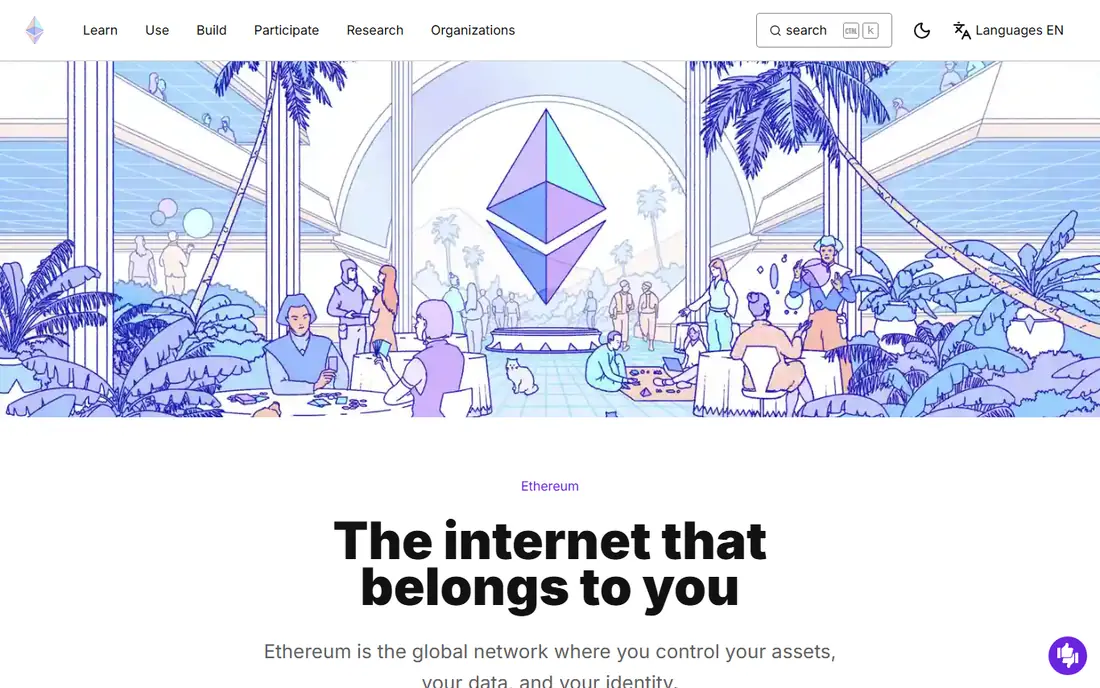
Ethereum suits teams building DeFi, tokenised assets, and institutional products where liquidity and security matter most.
Its strength is the ecosystem, with the deepest set of developers, audit firms, wallets, and tools among public chains. Layer 2 networks help with cost and speed, while the base layer remains the settlement layer for many large projects.
The honest catch is fees and speed on the base layer, since congestion can raise costs, so many apps route everyday activity through a Layer 2. Before you commit, try the free tier or trial on a small real project and check export, sharing, and billing terms.
- Largest smart contract ecosystem
- Deep liquidity
- Mature tooling
- Base layer fees vary
- Throughput is lower than some rivals
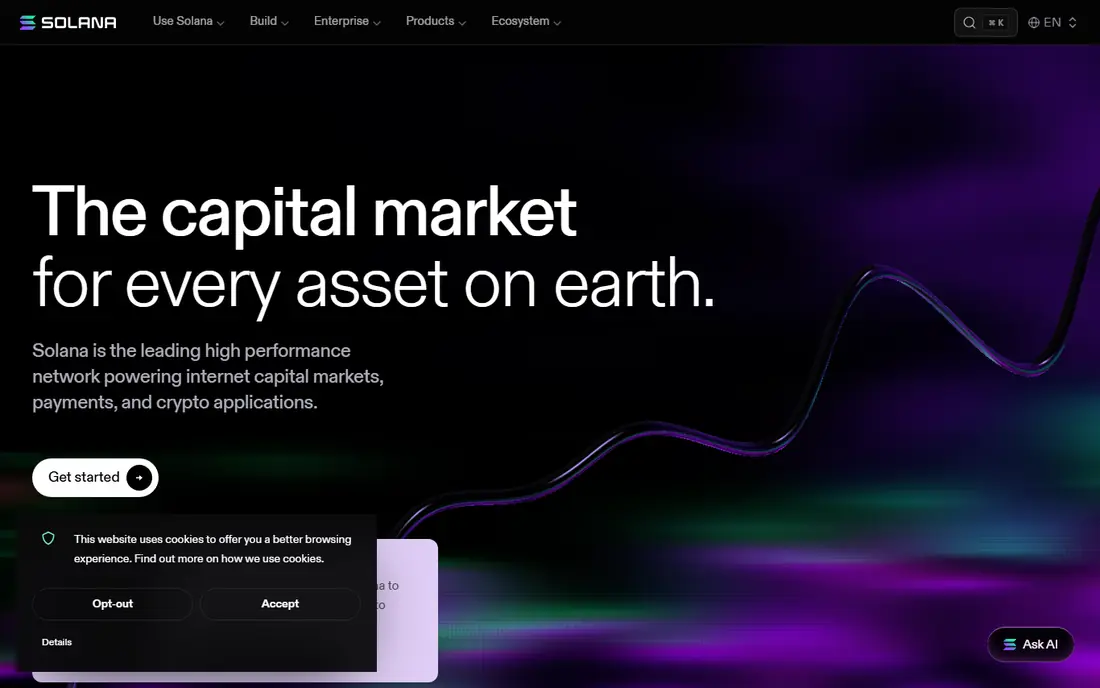
Solana suits consumer apps, payments, and trading products that need fast, low-cost transactions at high volume.
Its strength is throughput, with sub-second finality and fees that stay low for everyday user actions. That makes it practical for apps where users transact often, such as games, marketplaces, and payment flows.
The honest catch is history, since the network has faced outages in past years, so teams should check current reliability and build fallback handling. Before you commit, try the free tier or trial on a small real project and check export, sharing, and billing terms.
- Fast finality
- Very low transaction fees
- Strong consumer app growth
- Network history includes outages
- Rust learning curve applies
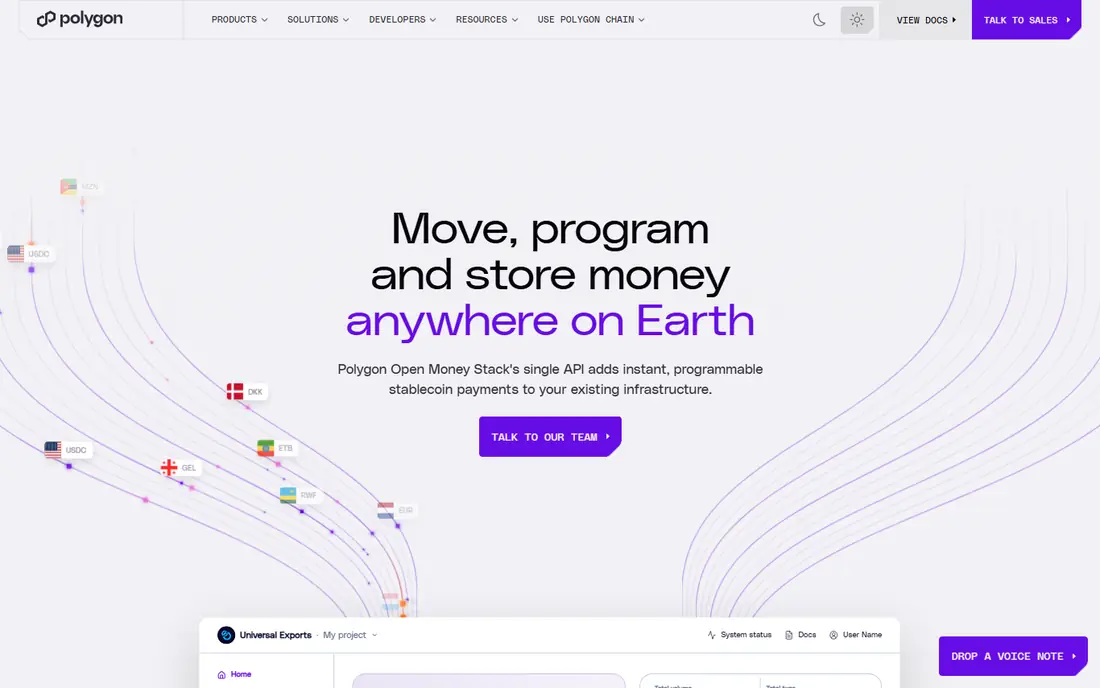
Polygon suits teams that want Ethereum-compatible apps with lower fees, including payments, loyalty, and NFT projects.
Its strength is compatibility, because Solidity code and Ethereum tools carry over, which shortens development time. That helps teams that want Ethereum reach without paying base-layer fees for every user action.
The honest catch is product range, since Polygon covers several networks and scaling products, so confirm which network fits your use case. Before you commit, try the free tier or trial on a small real project and check export, sharing, and billing terms.
- Ethereum compatibility
- Low fees
- Enterprise and consumer use
- Multiple product lines can confuse newcomers
- Fees vary by network
Avalanche suits teams that want a custom chain for a specific app, asset class, or regulated use case.
Its strength is subnets, which let a project run its own chain with its own rules while staying connected to the wider network. That control helps institutional and gaming projects that need predictable fees or permissioned validators.
The honest catch is effort, since designing and running a subnet needs more skill than deploying a simple contract. Before you commit, try the free tier or trial on a small real project and check export, sharing, and billing terms.
- Custom subnets
- Fast finality
- Ethereum compatibility on C-Chain
- Smaller consumer ecosystem than Ethereum
- Subnet setup needs skill
BNB Chain suits retail apps, tokens, and games that need low fees and fast confirmation for a broad audience.
Its strength is cost and speed, with fees that stay low for everyday transactions and a large existing user base. That helps startups that need to reach users quickly without high transaction costs eating into margins.
The honest catch is decentralisation, since the validator set is smaller than some rivals, so teams should weigh that trade-off openly. Before you commit, try the free tier or trial on a small real project and check export, sharing, and billing terms.
- Low fees
- Fast blocks
- Large retail user base
- More centralised validator set
- Ecosystem tied to Binance brand
Cardano suits teams that value a research-led approach, energy efficiency, and steady, formal development.
Its strength is the proof-of-stake design, which keeps energy use low while supporting smart contracts and native tokens. That appeals to public sector, education, and sustainability-focused projects that need a clear governance story.
The honest catch is ecosystem size, since DeFi and consumer app depth is smaller than Ethereum or Solana, so check tooling for your use case. Before you commit, try the free tier or trial on a small real project and check export, sharing, and billing terms.
- Peer-reviewed approach
- Energy-efficient proof of stake
- Steady upgrades
- Smaller DeFi ecosystem
- Development pace can feel slow
Polkadot suits teams building cross-chain apps that need to move assets and data between connected chains.
Its strength is shared security, because connected chains can rely on the relay chain rather than building security alone. That helps specialised chains that want to focus on one use case while staying connected to a wider network.
The honest catch is complexity, since the parachain model and governance take time to learn, so it fits developer-led teams best. Before you commit, try the free tier or trial on a small real project and check export, sharing, and billing terms.
- Cross-chain design
- Shared security
- Parachain model
- Parachain model is complex
- Ecosystem is developer heavy
Cosmos suits teams that want an app-specific chain with control over fees, governance, and features.
Its strength is flexibility, because a project can design a chain for one app and connect it to other Cosmos chains. That control helps exchanges, games, and finance apps that outgrow a shared chain model.
The honest catch is security, since each chain secures itself unless it uses shared security, so teams must plan validator and audit work. Before you commit, try the free tier or trial on a small real project and check export, sharing, and billing terms.
- Inter-blockchain communication
- App-specific chains
- Flexible design
- Each chain handles its own security
- Tooling varies by chain
Hyperledger Fabric suits enterprises that need private, permissioned workflows among known partners, such as supply chains and trade finance.
Its strength is privacy and governance, because only approved members join, and data access can be controlled by channel. That fits regulated work where public transparency would create legal or commercial problems.
The honest catch is setup, since running a Fabric network needs enterprise planning, partners, and operations, so it is not a consumer app platform. Before you commit, try the free tier or trial on a small real project and check export, sharing, and billing terms.
- Permissioned network
- Privacy controls
- Enterprise governance
- No public token economy
- Needs enterprise setup and partners
How we picked these
We compared official docs, developer pages, and network guides for platforms live in October 2026. We looked at whether a platform is public or permissioned, how fees work, how fast transactions finalise, and what kind of apps already run on it. We avoided inventing throughput or fee figures that change daily, and we wrote See website where enterprise pricing depends on deployment.
How to choose a blockchain platform
Start with trust and privacy needs. A public chain suits open apps where anyone can verify activity, while a permissioned network suits known partners who need privacy and control. That choice shapes almost every later decision.
Then check fees and user experience together. Low fees matter little if wallets, onboarding, and finality confuse users, and high fees matter more for apps with many small transactions. Test a real user journey on a test network first.
Check developer reality, not only marketing claims. Look at docs, SDKs, audit support, wallet coverage, and exchange or bridge options for your asset. For regulated work, get legal advice early, since rules vary by region and use case. Also check bridge and wallet support for any asset you plan to move, because a chain that works well alone can still disappoint when users need to enter or exit it.
Frequently asked questions
What are the best blockchain platforms?
Ethereum, Solana, Polygon, Avalanche, and BNB Chain are strong public choices, while Hyperledger Fabric suits private enterprise work. The best choice depends on fees, speed, ecosystem, and privacy needs.
What is the best blockchain software for beginners?
Polygon and Solana are practical starting points for many developers, because fees are low and docs are broad. Ethereum is also strong for learning, since most tutorials and tools target it first.
How much does it cost to build on a blockchain?
Using a public chain is usually free to start, with transaction fees paid in the native token. Development, audits, and operations are the larger costs, and enterprise private networks are priced by deployment.
Is blockchain safe for business use?
Public chains offer transparency and strong security records, but smart contract bugs, bridge risks, and key loss remain real risks. Audits, testing, and key management are essential for any production app.
What is the difference between public and private blockchains?
Public chains let anyone read and validate, while private or permissioned chains limit membership to approved parties. Public chains suit open apps, and private chains suit regulated partner workflows.
Sources
See where you really rank - block by block
ProMapRanker scans Google Maps across a grid of your service area. Simple monthly plans from $19, white-label on every plan.
Start freeKeep reading
 zscaler alternatives
Best Zscaler Alternatives in 2026
Looking for zscaler alternatives? We compare 9 SASE and zero trust platforms on architecture, data protection, pricing, and fit for your network and team.
Read → zapier alternatives free
Best Zapier Alternatives Free in 2026
Nine automation tools for zapier alternatives free in 2026, all with genuinely free tiers, plus free plan limits, starting prices and upgrade paths explained.
Read → which platform is best for online reputation
Which Platform Is Best for Online Reputation in 2026
Wondering which platform is best for online reputation? We compare 8 review, listing, and response tools for small and multi-location businesses and agencies.
Read →