 ProMapRanker
The best bank accounts for crypto companies in 2026

Key takeaways
- Mercury and Revolut Business are the most practical starting points for many crypto startups, with modern onboarding and clear crypto-related policies.
- Most accounts on this list handle fiat banking and exchange transfers, not crypto custody, so do not assume trading or storage is included.
- Traditional banks such as Chase, U.S. Bank, and Customers Bank suit larger or institutional crypto firms that need scale and compliance depth.
- Approval is selective and depends on your business model, licensing, and transaction patterns, so prepare compliance documents before you apply.
- This article is general information only, not financial advice, and crypto availability and rules vary by jurisdiction.
Quick comparison
| Pick | Great for | Pricing starts at | Free tier | |
|---|---|---|---|---|
 Mercury | Crypto startups and Web3 companies | Free | No | Visit |
 Revolut Business | International crypto firms | See website | No | Visit |
 Chase Business | Traditional banking at scale | See website | No | Visit |
 U.S. Bank Business | Institutional crypto services | See website | No | Visit |
 Customers Bank | Institutional crypto banking | See website | No | Visit |
 BCB Group | Crypto firms needing regulated rails | See website | No | Visit |
 Xapo Bank | Bitcoin-focused private banking | See website | No | Visit |
 Wise Business | Multi-currency payments for crypto firms | See website | No | Visit |
 BankProv | Crypto companies seeking a US bank partner | See website | No | Visit |
The best bank accounts for crypto companies
We compared official banking pages, crypto policy statements, account features, and public reviews for banks and fintechs that work with crypto-related businesses in 2026. Each account below is framed for companies, not personal users, and each handles business banking, payments, or crypto-adjacent services in a different way. Crypto carries risk, availability varies by jurisdiction, and banking approval is never guaranteed.
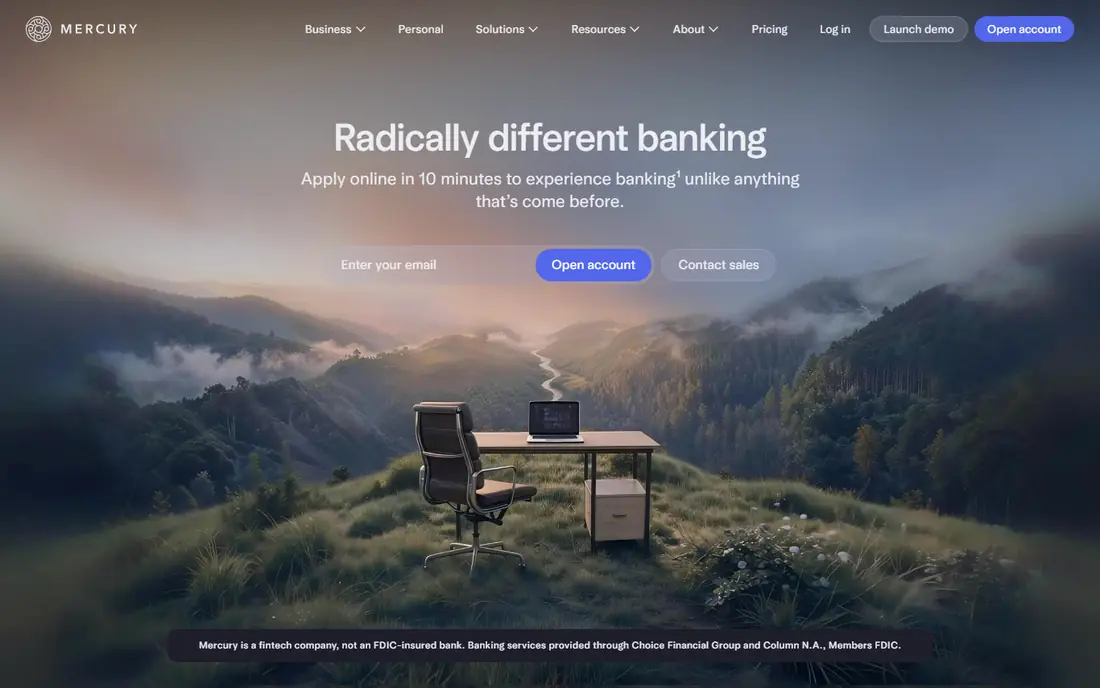
Mercury offers US business banking through partner banks, with checking and savings accounts, cards, wires, and treasury tools designed for startups. It is widely used by Web3 and crypto-adjacent companies for operating accounts, payroll, and transfers to and from exchanges, and it publishes guidance on which crypto business models it can support. The modern dashboard, API access, and integrations with accounting tools suit remote-first teams that manage money online. Mercury does not hold or trade crypto itself, and it does not accept every crypto model, such as money service businesses and exchanges in all cases. Approval is selective, and firms should be ready to explain their business model, licensing, and transaction flows. For many early-stage crypto startups that need a fiat operating account, Mercury is the most practical first application.
- No monthly fee on standard accounts
- Built for startups and Web3 firms
- API and accounting integrations
- Fiat only, no crypto custody
- Does not serve all crypto business types
Revolut Business provides multi-currency business accounts, cards, payments, and foreign exchange, with crypto trading features available in many markets through its consumer and business products. For crypto firms with international customers, suppliers, or staff, the ability to hold and convert many currencies in one account is a real advantage, and Revolut holds a UK banking licence alongside its wider European operations. Business onboarding is online, and plans range from basic to premium tiers. Crypto availability for business accounts is not the same in every country, and Revolut Business is not a crypto custodian for corporate treasury in the same way a specialist provider is. Firms should confirm in writing which crypto activities are allowed on their business account and in which jurisdictions. Revolut Business suits international crypto firms that need strong multi-currency banking with crypto features alongside, rather than a single-purpose crypto bank.
- Multi-currency accounts
- Built-in crypto features in many markets
- Wide country coverage
- Crypto features vary by market
- Business crypto rules differ from personal accounts
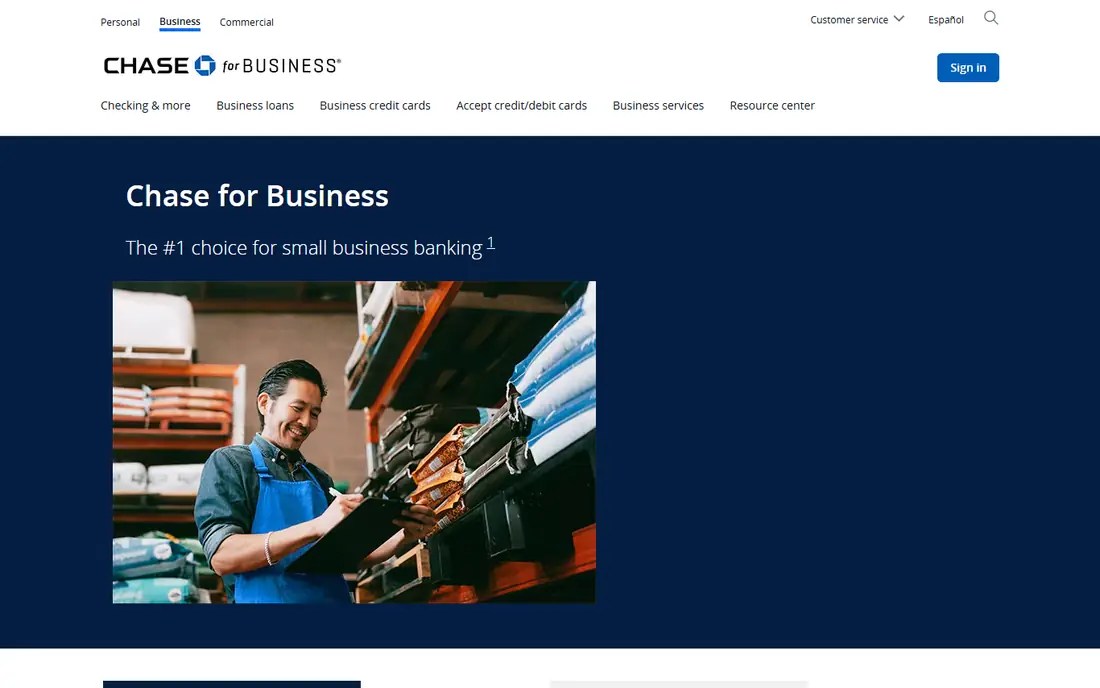
Chase, part of JPMorgan Chase, offers business checking, payments, cards, and treasury services through one of the largest US banking networks. For larger crypto firms that need traditional banking depth, high payment volumes, and institutional relationships, Chase provides scale that fintechs cannot match. Its blockchain platform work also signals institutional familiarity with digital assets, even though retail crypto trading is not part of standard business checking. Chase does not onboard every crypto company, and institutional and licensed firms will find the process easier than early-stage startups. Account fees, balance requirements, and compliance reviews vary by account type. Chase suits established crypto firms that want a traditional bank partner and can meet its compliance and volume expectations.
- Large US branch and payment network
- Business banking at scale
- Blockchain platform work
- Crypto company onboarding is selective
- Fees and requirements vary by account
U.S. Bank offers business checking, payments, and treasury services, alongside institutional crypto custody services for clients that meet its criteria. That combination matters for larger crypto firms that need both day-to-day business banking and regulated custody for digital assets. As a large national bank, it also provides branch access, payment rails, and corporate services that smaller fintechs do not offer. Crypto custody through U.S. Bank is aimed at institutional clients, so small startups should not expect the same access or pricing. Business account onboarding for crypto firms will still involve compliance review, and timelines can be longer than fintech onboarding. U.S. Bank suits larger crypto firms that need institutional-grade banking and custody under one large-bank relationship.
- Large US bank
- Institutional crypto custody services
- Business banking range
- Custody is institutional, not for small startups
- Onboarding can be slow
Customers Bank is a US chartered bank that has worked with institutional crypto and digital asset clients, offering business banking, payments, and digital asset-related services. Its experience with crypto firms means compliance teams are more familiar with exchange flows, custody arrangements, and digital asset business models than many generalist banks. For institutional firms, that familiarity can shorten explanations and reduce account friction. Customers Bank is not aimed at every small startup, and onboarding will depend on business model, licensing, and risk profile. Firms should expect detailed compliance questions and ongoing monitoring. It suits institutional crypto companies that want a US bank with direct experience in the sector, rather than a generalist bank learning the space.
- Works with institutional crypto clients
- Business banking and payments
- Digital asset focus
- Institutional focus
- Not a mass-market startup account
BCB Group provides regulated banking, payments, and trading services for crypto firms, exchanges, and institutional clients, with multi-currency accounts and settlement rails built for digital asset businesses. Its focus on the crypto sector means account structures, payment flows, and compliance checks are designed around crypto business models, not adapted from retail banking. That sector focus is useful for firms that move money between fiat and crypto markets regularly. BCB Group serves businesses, not personal users, and onboarding involves detailed compliance review. Fees and account terms are quoted rather than published as simple consumer pricing. It suits established crypto firms, exchanges, and institutional clients that need regulated payment rails and settlement services in Europe and beyond.
- Regulated payments for crypto firms
- Multi-currency accounts
- Trading and settlement services
- Business-to-business focus
- Onboarding is detailed and selective
Xapo Bank is a licensed private bank that combines USD banking with Bitcoin custody and USDC transfer services, aimed at clients who want digital assets and banking under one regulated roof. It offers interest-style returns paid in Bitcoin on some holdings, alongside standard banking features, and it operates a virtual asset service provider arm for institutional custody. That blend suits firms and high-net-worth clients with a Bitcoin-focused treasury view. Xapo Bank is positioned as a private bank, so it is not the right fit for every early-stage startup that needs a simple operating account. Fees, minimums, and eligibility should be confirmed before applying. It suits Bitcoin-focused firms and clients that want custody and banking together, with regulation as a central selling point.
- Licensed private bank
- Bitcoin custody alongside USD accounts
- USDC transfers
- Private bank positioning
- Not a general startup operating account
Wise Business offers multi-currency accounts, cards, and international transfers with transparent fees, which helps crypto firms that pay suppliers, contractors, or partners in many currencies. Its platform is easy to use, onboarding is online, and exchange rates and fees are shown up front, which suits firms that manage cross-border payments daily. Wise is a strong fiat payments layer for international teams. Wise is not a crypto bank and does not provide crypto custody or trading for businesses as a core service. Acceptance of crypto-related businesses depends on business model and jurisdiction, so firms should confirm eligibility before relying on Wise as a primary account. Wise Business suits crypto firms that need reliable multi-currency fiat payments alongside a primary crypto-tolerant bank account.
- Multi-currency accounts and low-cost transfers
- Clear fee structure
- Global payment reach
- Not a crypto bank
- Crypto business acceptance depends on model and jurisdiction
BankProv is a US bank that has built a focus on crypto and digital asset companies, offering business banking, payments, and lending services for firms in the sector. Its crypto focus means its teams understand mining, trading, custody, and Web3 business models better than many community banks, which can make compliance conversations more straightforward. For US crypto firms that want a bank partner with sector experience but a more direct relationship than a national bank, BankProv is a useful option. BankProv is smaller than Chase or U.S. Bank, so its product range and geographic reach are narrower. Onboarding still depends on licensing, business model, and risk, and not every crypto firm will qualify. It suits US crypto companies that want a specialist bank partner and can meet its compliance standards.
- US bank with crypto industry focus
- Business banking and lending
- Digital asset experience
- Smaller than national banks
- Onboarding depends on crypto business type
How we picked these
We compared official banking pages, crypto policy material, account features, and public reviews, and we kept banks and fintechs that work with crypto-related companies in 2026. We looked for fiat operating accounts, exchange transfer support, multi-currency features, or custody services, and we favored providers with a stated crypto position over banks with no public stance. We left out banks that had closed crypto programs, banks with no business account offer, and personal-only crypto apps. We did not open accounts ourselves, so approval, fees, and crypto rules should be confirmed in writing before you move funds. This article is general information only, not financial advice, and crypto carries risk.
How to choose a crypto company bank account
Separate fiat banking from crypto custody
Most business accounts on this list handle fiat money, wires, and exchange transfers, while custody is a separate service offered by only some providers. Decide whether you need an operating account, a custody partner, or both, and do not assume one account covers both jobs.
Prepare compliance documents early
Crypto onboarding usually asks for company formation documents, ownership details, licences, source of funds, transaction flows, and anti-money-laundering policies. Having these ready, and being able to explain your model clearly, improves approval chances and speeds review.
Plan for backup banking
Crypto firms often face account reviews or closures, so a second account with another provider reduces risk. Keep operating cash, payroll, and exchange transfers mapped across providers, and avoid relying on a single account for all critical payments.
Frequently asked questions
Can a crypto company open a normal business bank account?
Sometimes, but many banks treat crypto firms as higher risk and review them case by case. Providers on this list, such as Mercury and BCB Group, have stated crypto positions, which makes the conversation clearer than with a generalist bank.
Do these accounts let companies hold crypto?
Most handle fiat banking and transfers to exchanges, not direct crypto custody. U.S. Bank, BCB Group, and Xapo Bank offer custody or crypto services for qualifying clients, but terms and eligibility vary.
Why do crypto companies get rejected by banks?
Common reasons include unclear licensing, high-risk business models, weak compliance documents, and transaction patterns the bank cannot monitor. Clear policies, licences, and transparent flows help, but approval is never guaranteed.
Is Mercury a bank?
Mercury is a fintech that offers business banking through partner banks, not a chartered bank itself. Funds are held with partner banks, and Mercury provides the dashboard, cards, and tools on top.
Do crypto bank accounts work in every country?
No. Availability, licensing, and crypto rules vary by jurisdiction, and a provider that works in the US or UK may not serve your country or business type. Confirm eligibility for your exact location and model before applying.
Should a crypto company keep funds on an exchange instead of a bank?
Exchanges and banks serve different jobs. Banks handle fiat payroll, taxes, and supplier payments, while exchanges handle trading. Many firms use both, with custody or cold storage for larger crypto holdings, and they should seek professional advice for treasury decisions.
Sources
See where you really rank - block by block
ProMapRanker scans Google Maps across a grid of your service area. Simple monthly plans from $19, white-label on every plan.
Start freeKeep reading
 worlds best local seo company
8 Worlds Best Local SEO Companies for Map Pack Growth in 2026
Compare the worlds best local seo company options for Google Business Profile work, citations, reviews, and multi-location rankings and reporting in 2026.
Read → world's best web hosting company
World's Best Web Hosting Company in 2026
Searching for the world's best web hosting company? We compared 10 hosts on price, renewal rates, speed, and support to help you choose well today in 2026.
Read → who's got the best nanny tax services
Who's Got the Best Nanny Tax Services in 2026
We answer who's got the best nanny tax services, comparing full filing, back taxes, software, and pricing so families can handle nanny taxes correctly.
Read →