 ProMapRanker
Best Architectural Visualization Companies in 2026

Key takeaways
- Neoscape and DBOX lead on brand led launches, combining renders with strategy, film, and interactive experiences for large developments.
- Brick Visual and Kilograph suit projects where atmosphere, storytelling, or competition quality imagery decides success.
- ArchiCGI and Omega Render help developers and architects who need steady, high volume render output on predictable timelines.
- The Boundary and VISUALHOUSE suit teams that want a full visual ecosystem, from stills to virtual reality and sales platforms.
- Pricing is per project, so compare scope, views, revisions, rights, and timeline in writing, not just a portfolio of hero images.
Quick comparison
| Pick | Great for | Pricing starts at | Free tier | |
|---|---|---|---|---|
 Neoscape | Strategic brand led launches | See website | No | Visit |
 DBOX | Luxury tower branding and CGI | See website | No | Visit |
 Brick Visual | Storytelling driven imagery | See website | No | Visit |
 Kilograph | Civic, cultural, and competition imagery | See website | No | Visit |
 ArchiCGI | High volume, steady render output | See website | No | Visit |
 Omega Render | Photorealistic stills and animation for developers | See website | No | Visit |
 The Boundary | Full visual ecosystem for leasing and sales | See website | No | Visit |
 VISUALHOUSE | Interactive and film led real estate marketing | See website | No | Visit |
The best architectural visualization companies
Architectural visualization, often called archviz, turns drawings and models into photorealistic images, animations, and interactive tours before a building exists. The right studio depends on the project, since a luxury tower launch, a planning submission, and a competition entry need different imagery. We compared official portfolios, service pages, published project types, and public rankings for studios serving clients in 2026. Pricing is per project in every case, so starting prices below are listed as see website.
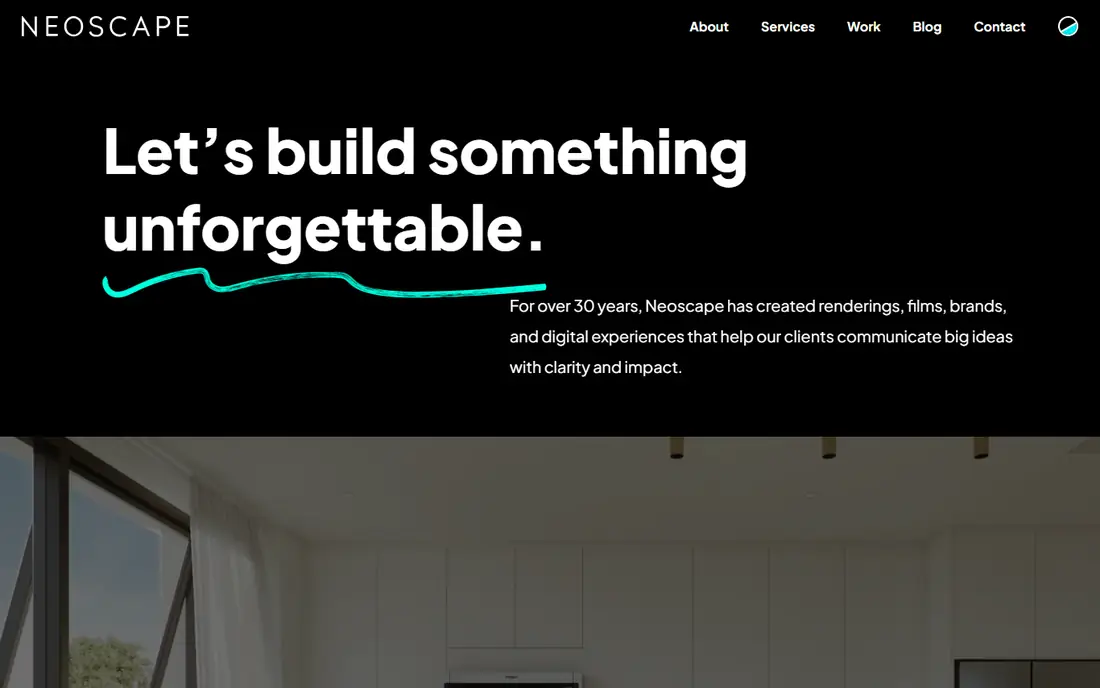
Neoscape is the studio to call when a development needs more than a set of images. The firm combines architectural visualization with branding, interactive experiences, and marketing strategy, so renders, films, and sales tools share one visual language. Large residential and commercial projects, including work associated with Hudson Yards and other major developments, show the scale Neoscape handles. That integrated approach helps developers launch with a coherent story across a sales gallery, website, and broker materials.
The trade off is price and scope. A full Neoscape campaign is priced for large developments, and a buyer who only needs two exterior views may find a smaller studio faster and cheaper. Neoscape also works best when engaged early, so branding and visualization can develop together. For a major launch where imagery must sell a place, not just show a building, Neoscape integrated model is a strong advantage.
- Combines renders with branding and interactive work
- Large development experience
- Boston based with global project reach
- Premium pricing for full campaigns
- Smaller render packages may not be the focus

DBOX has set a benchmark for luxury residential and commercial visualization for many years. The firm pairs photorealistic CGI with film and brand strategy, which suits signature towers aimed at global buyers. International offices support campaigns that must work across markets, languages, and sales channels. For a developer building at the top of the market, DBOX imagery carries a prestige signal that a generic render studio cannot match, and the work is built to support high value sales conversations.
The honest limit is fit for ordinary projects. DBOX pricing and timelines are built for large launches, not for a small multifamily project that needs a few views quickly. A mid market developer may get better value from ArchiCGI, Omega Render, or Kilograph. For a signature project where budget is secondary to prestige and global reach, DBOX remains a leading choice.
- Long luxury real estate track record
- CGI, film, and strategy under one roof
- International offices
- Premium pricing
- Timelines suit large launches rather than quick small jobs
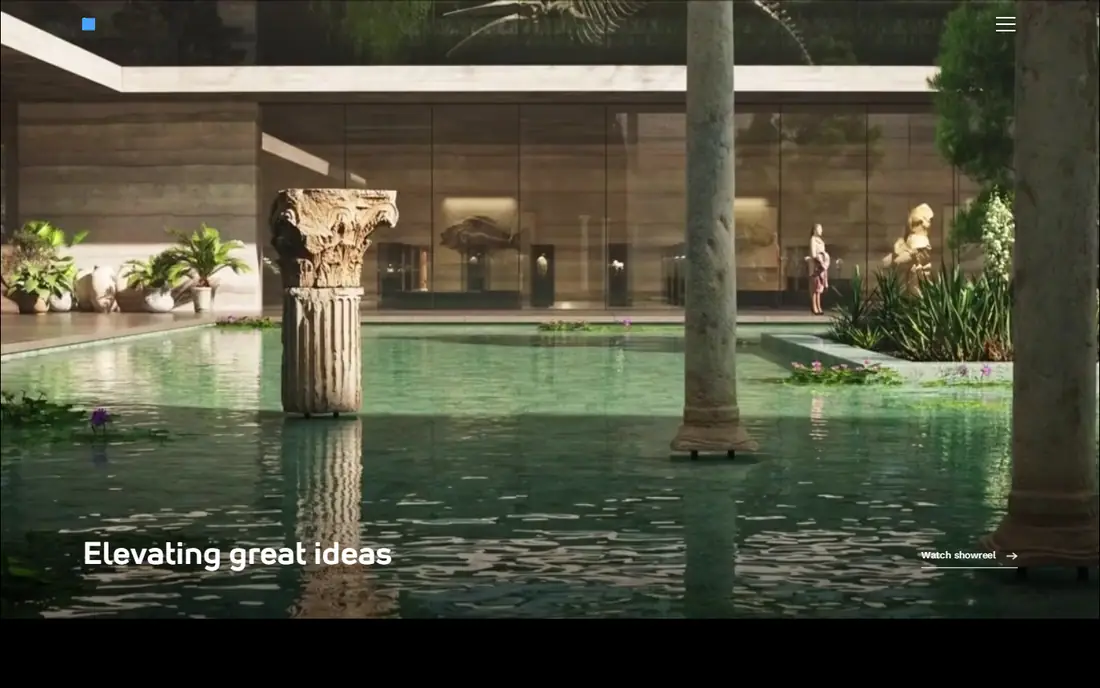
Brick Visual, based in Budapest with offices in several European cities, is known for imagery that feels like a story rather than a technical view. Photorealistic renders, animations, and interactive work emphasize atmosphere, light, and human scale, which helps a project feel lived in before it is built. Collaborations with firms such as Zaha Hadid Architects, Foster and Partners, and OMA show the studio can handle complex, design led architecture. Brick Academy and workflow tools also signal a studio that invests in craft, not just output.
The drawback is timeline and price for simpler work. A narrative led process takes longer than a straightforward render package, and Brick Visual senior positioning is priced accordingly. A developer who needs fast, standard views for a planning submission may prefer a volume studio. A developer competing on brand and feeling, where one hero image must carry a launch, will find Brick Visual approach distinctive.
- Narrative, atmospheric imagery
- Award winning work
- Collaborations with major architecture firms
- Creative depth can mean longer timelines
- Pricing reflects senior studio positioning
Kilograph suits architects and public clients who need imagery that explains design, not just markets it. The studio is frequently cited for civic, cultural, and competition work, where clarity, context, and design intent matter more than sales gloss. A smaller senior team means clients often work directly with experienced artists, which helps on complex or sensitive projects. That focus makes Kilograph a strong choice for competitions, public presentations, and design reviews where credibility is essential.
The limit is volume. A smaller team cannot always absorb a huge multi tower campaign on a short timeline, and availability can be tight during competition seasons. Developers who need dozens of views on a fast schedule should compare ArchiCGI or Omega Render. Architects who need thoughtful, competition grade imagery for a single important project will find Kilograph focus a real strength.
- Competition and civic project strength
- Design led imagery
- Smaller senior team
- Smaller team limits very large campaign volume
- Availability can be tight
ArchiCGI is the workhorse choice for developers and architects who need imagery to keep arriving. With a team of more than 50 specialists, the studio handles exterior and interior renders, animations, and virtual staging at volume, which suits firms with many units, phases, or listings to market. A structured production process helps with predictable timelines, revision handling, and file delivery, all of which matter when a sales team depends on a steady flow of visuals.
The trade off is bespoke feel. A volume studio delivers best when the brief is clear, with reference images, material lists, and view lists agreed in advance. A vague brief can produce competent but generic imagery. Buyers who invest in a detailed brief will get strong value from ArchiCGI scale. Buyers who want a single, highly art directed hero campaign may prefer Brick Visual or DBOX.
- Large team for volume work
- Exterior, interior, animation, and virtual staging
- Predictable production process
- Volume focus can feel less bespoke than boutique studios
- Creative direction needs clear briefs
Omega Render focuses on photorealistic architectural CGI for architects, interior designers, and developers. Founded by an architect, the studio emphasizes accurate geometry, material realism, and composition, which helps clients use renders for design decisions as well as marketing. Still images and animations cover residential and commercial work, and the studio team includes artists with different specializations, so interior, exterior, and detail views can be handled together.
The limit is broader marketing scope. Omega Render is a visualization studio first, not a full branding agency, so a developer who wants brand strategy, website, and sales platform work in one contract should compare Neoscape or The Boundary. Pricing varies by detail, views, revisions, and deadline, so a written scope is essential. For photorealistic output that must be both accurate and attractive, Omega Render is a dependable choice.
- Photorealistic CGI focus
- Architect founded studio
- Serves architects, designers, and developers
- Less brand strategy than Neoscape or DBOX
- Project pricing varies by detail and views
The Boundary suits developers who need more than images, since leasing and sales teams increasingly rely on interactive tools. The firm offers CGI, film, virtual reality, and interactive platforms that let buyers explore a building, a unit, or a neighborhood before construction finishes. That ecosystem helps leasing teams answer questions about light, layout, and views without a physical showroom. International project experience also supports developments aimed at buyers in several markets.
The honest catch is scope. A full interactive platform is a larger investment than a stills package, and a client who only needs planning images may not need it. Buyers should separate stills, film, and interactive costs in the proposal, and confirm who owns files and platforms after launch. For a development where interactive sales tools will drive conversions, The Boundary ecosystem approach is a clear advantage.
- CGI, film, virtual reality, and interactive platforms
- Leasing focused tools
- International project experience
- Full ecosystem pricing is premium
- Smaller stills only jobs may be over scoped
VISUALHOUSE rounds out this list as a film and interactive led studio for real estate marketing. The firm combines CGI with film and interactive experiences, which suits developers launching large residential or mixed use projects with a strong visual story. Global offices support campaigns across markets, and the work is built for sales galleries, websites, and broker presentations as a single system. That campaign thinking helps a launch feel coherent across channels.
The limitation mirrors other premium studios. Pricing and timelines suit larger campaigns, and a small project needing a few quick views may find a volume studio more efficient. Buyers should ask for a phased proposal, so stills can launch first while film and interactive tools follow. For a large development that will be sold through film and interactive experiences, VISUALHOUSE is a credible premium option.
- Film, interactive, and CGI combination
- Luxury and commercial project experience
- Global offices
- Premium positioning
- Timelines reflect campaign scale
How we picked these
We compared official portfolios, service pages, project types, team scale, and public rankings for studios active in 2026. We favored studios with a clear visualization focus, published project work, and a distinct strength, whether brand strategy, storytelling, volume, competition work, or interactive platforms. We excluded studios with no public portfolio, no clear service description, or only generic stock imagery.
How to brief an architectural visualization studio
Start with the decision the imagery must support. A planning submission needs accuracy and context, a sales launch needs atmosphere and lifestyle, and a competition entry needs design clarity. Share drawings, models, material samples, reference images, and a view list, and agree on what counts as a revision before work starts. Ask who owns final files, how long they are stored, and what happens when the design changes mid project, since rebuild costs vary widely.
Next, compare proposals on the same scope. Confirm the number of views, animation length, interactive features, revision rounds, delivery formats, and timeline in writing. Request a sample timeline with milestones, not just a final delivery date, and check whether the studio team or a subcontractor will do the work. Finally, review a full project, not just hero images, to judge consistency across ordinary views, since most of a campaign uses standard views, not only the best one.
Frequently asked questions
How much does architectural visualization cost?
Most still images cost roughly 250 to 5,000 dollars per image, depending on detail, views, revisions, and deadline, while animation often starts around 2,200 dollars per finished minute. Residential interiors commonly fall in a lower band than premium hero exteriors. Always get a written scope for your exact views and revision rounds.
What files does a visualization studio need to start?
Studios usually need drawings or a 3D model, material and color information, site context, and a view list. A complete model speeds work and improves accuracy, while drawings alone require more modeling time. Share reference images to show the mood and realism level you expect.
How long does a render project take?
A single still image can take days, while a full campaign with many views, animation, and interactive tools can take weeks or months. Timeline depends on model readiness, revision rounds, and studio capacity. Agree on milestones in the contract, not just a final date.
Can AI tools replace an architectural visualization studio?
AI image tools can create useful concept images and mood studies, but they cannot yet deliver accurate geometry from drawings reliably. Window counts, proportions, and materials can drift between AI images. Accurate projects still start from a model built from plans, with AI as a supporting tool.
Who owns the final renders and files?
Ownership varies by contract, so confirm it before work starts. Some studios license images for marketing use, while others transfer broader rights. Ask about file storage duration, reuse rights, and costs for later changes, since marketing assets often outlive the original campaign.
Should I choose a large studio or a boutique studio?
Large studios suit volume, multi market campaigns, and integrated branding, while boutiques suit focused, art directed, or competition work. Match studio scale to project scale, and review full projects, not just hero images, before deciding.
Sources
See where you really rank - block by block
ProMapRanker scans Google Maps across a grid of your service area. Simple monthly plans from $19, white-label on every plan.
Start freeKeep reading
 worlds best local seo company
8 Worlds Best Local SEO Companies for Map Pack Growth in 2026
Compare the worlds best local seo company options for Google Business Profile work, citations, reviews, and multi-location rankings and reporting in 2026.
Read → world's best web hosting company
World's Best Web Hosting Company in 2026
Searching for the world's best web hosting company? We compared 10 hosts on price, renewal rates, speed, and support to help you choose well today in 2026.
Read → who's got the best nanny tax services
Who's Got the Best Nanny Tax Services in 2026
We answer who's got the best nanny tax services, comparing full filing, back taxes, software, and pricing so families can handle nanny taxes correctly.
Read →