 ProMapRanker
Best Apps to Learn Sign Language for Free in 2026

Key takeaways
- Lingvano is the best structured free start for complete beginners.
- SignSchool and HandSpeak are the strongest free references when you need to look up a sign quickly.
- The ASL App suits conversational phrases, while ASL Bloom suits families and younger learners.
- No app alone replaces practice with fluent signers, so pair app lessons with real conversation.
Quick comparison
| Pick | Great for | Pricing starts at | Free tier | |
|---|---|---|---|---|
 Lingvano | Complete beginners | Free | Yes | Visit |
 The ASL App | Conversational phrases | Free | Yes | Visit |
 SignSchool | Free dictionary and daily practice | Free | Yes | Visit |
 ASL Bloom | Families and casual learners | Free | Yes | Visit |
 HandSpeak | Detailed dictionary reference | Free | Yes | Visit |
 Pocket Sign | Quick vocabulary practice | Free | Yes | Visit |
 Marlee Signs | First lesson pack for free | Free | Yes | Visit |
Best Apps to Learn Sign Language for Free
Every app below offers a genuine free tier, so you can start learning without paying. Paid upgrades exist on most of them, but the free content is enough to learn real signs.
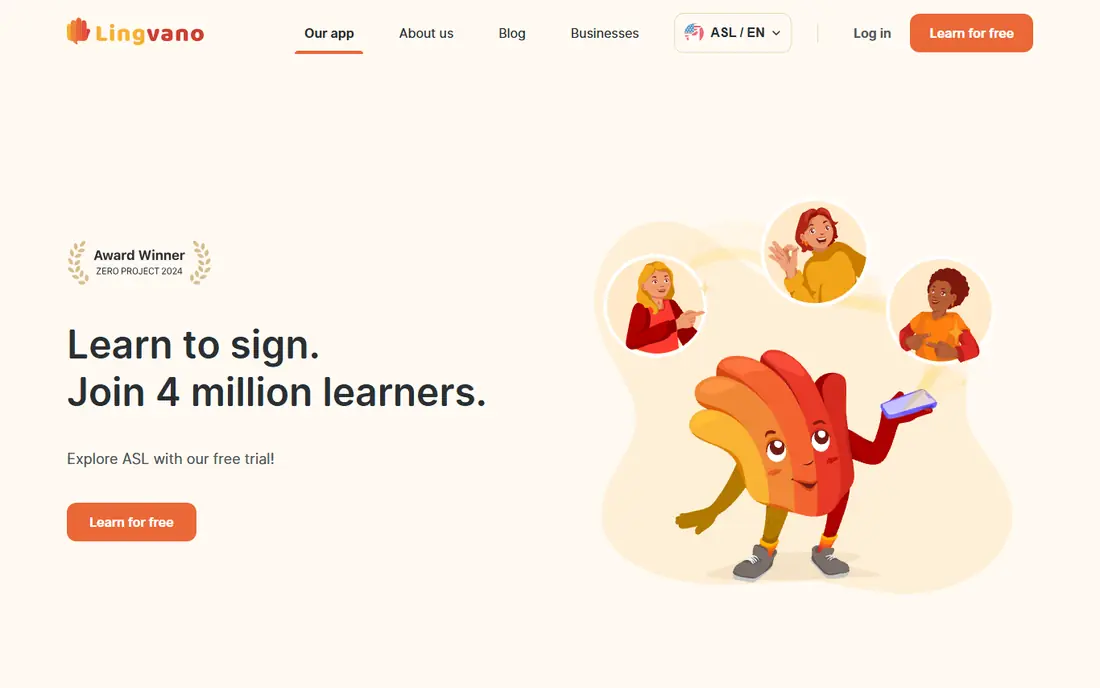
Lingvano is the app we would start with for a complete beginner who wants a clear daily routine. It fits complete beginners. Its short lessons build vocabulary and grammar in order, and Deaf teachers demonstrate each sign on video.
On pricing, the starting point is Free, with a free option listed as Yes. The catch is the paywall, since full content needs a subscription, but the free start is enough to judge the style. We would shortlist it when that fit matches your main use, and compare it directly with the next option before you commit.
- Short structured lessons
- Lessons taught by Deaf teachers
- Dictionary and quizzes
- Full content needs a paid subscription
- Free lessons are limited
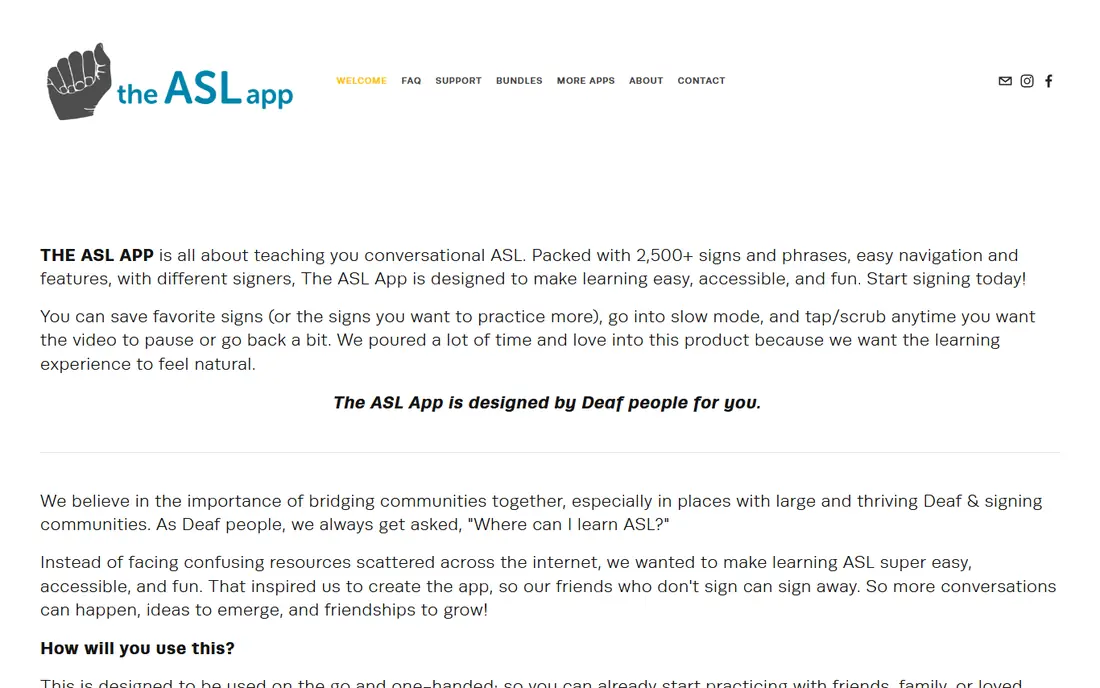
The ASL App suits learners who want to start conversations rather than follow a formal course. It fits conversational phrases. Its large phrase library, slow-motion playback and favourites make it easy to practise the signs you need most.
On pricing, the starting point is Free, with a free option listed as Yes. The catch is structure, since it works better as a phrase companion than as a step-by-step curriculum. We would shortlist it when that fit matches your main use, and compare it directly with the next option before you commit.
- 2,500 plus signs and phrases
- Slow-motion playback
- Favourites for practice
- Less structured as a full course
- Some packs are paid
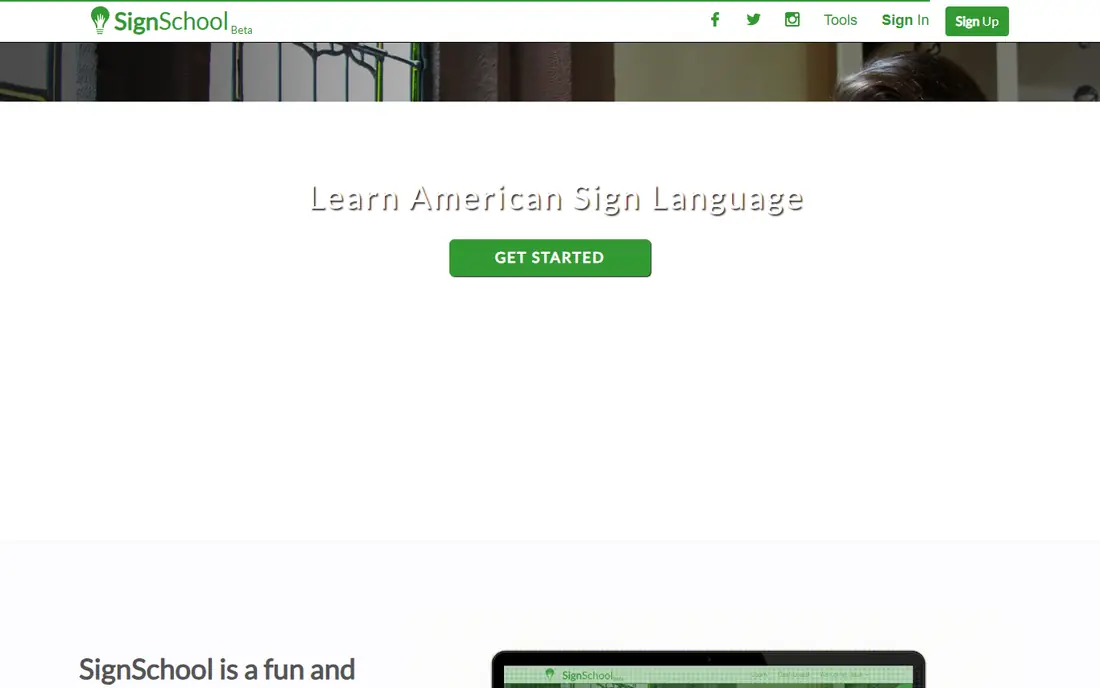
SignSchool is the free reference we would keep open alongside any lesson app. It fits free dictionary and daily practice. Its dictionary covers thousands of signs from diverse signers, and daily practice tools keep learning regular.
On pricing, the starting point is Free, with a free option listed as Yes. The catch is feedback, since there is no live tutor to correct your signing, so pair it with practice partners when you can. We would shortlist it when that fit matches your main use, and compare it directly with the next option before you commit.
- Free online platform
- Large dictionary with diverse signers
- Sign of the Day and fingerspelling game
- Web lessons are fuller than the app alone
- No live tutor feedback
ASL Bloom suits families and casual learners who want short, friendly lessons without pressure. It fits families and casual learners. Its modules, quizzes and flashcards build signs gradually, and the free tier allows daily lessons.
On pricing, the starting point is Free, with a free option listed as Yes. The catch is pace, since free users face a daily limit, so it suits steady learners better than binge learners. We would shortlist it when that fit matches your main use, and compare it directly with the next option before you commit.
- Free lessons each day
- Structured modules
- Quizzes and flashcards
- Family-friendly content
- Free users face a daily lesson limit
- Full access needs Premium
HandSpeak suits learners who need a detailed reference rather than a gamified course. It fits detailed dictionary reference. Its dictionary and notes on grammar and Deaf culture help when a lesson raises a question about meaning or use.
On pricing, the starting point is Free, with a free option listed as Yes. The catch is format, since it is a reference site first, so use it alongside a lesson app for daily practice. We would shortlist it when that fit matches your main use, and compare it directly with the next option before you commit.
- Extensive ASL dictionary
- Grammar and culture notes
- Recommended by many ASL instructors
- Not a structured course app
- Site design is plainer than modern apps
Pocket Sign suits learners who want quick vocabulary practice in short gaps during the day. It fits quick vocabulary practice. Its short video lessons and dictionary make it easy to learn a few signs and revisit them later.
On pricing, the starting point is Free, with a free option listed as Yes. The catch is depth, since some features need purchases and the course is lighter than a full structured program. We would shortlist it when that fit matches your main use, and compare it directly with the next option before you commit.
- Free to install
- Short video lessons
- Dictionary for quick lookups
- Some features need in-app purchases
- Lesson depth is lighter than Lingvano
Marlee Signs suits a first taste of ASL taught through clear video demonstrations. It fits first lesson pack for free. The first lesson pack is free, slow-motion playback helps with hand shape, and the spelling tool covers any word you type.
On pricing, the starting point is Free, with a free option listed as Yes. The catch is scope, since later packs are paid and the content stays at a basic level, so it is a starter rather than a full course. We would shortlist it when that fit matches your main use, and compare it directly with the next option before you commit.
- First lesson pack free
- Slow-motion playback
- Spelling tool for any word
- IOS only in many listings
- Later lesson packs are paid
- Content is basic
How we picked these
We compared official pricing pages, feature pages, app store listings and public documentation for each product, and kept only products that exist and work in October 2026 and truly fit the topic. We checked the starting price and free tier where the vendor publishes them, and wrote See website where a price could not be verified from the vendor page. We did not claim hands-on testing, and we favoured products with clear pricing, clear limits and a practical fit for ordinary buyers.
How to learn sign language with a free app
Pick one main app and one reference, rather than collecting five apps you rarely open. Use the main app for daily lessons, and the reference to look up signs you meet in real life. Practice in front of a mirror or camera, because hand shape, movement and facial expression all change meaning. Learn fingerspelling early, since it helps with names and new words. When you can, practise with Deaf signers and local classes, because feedback from a person catches errors a video cannot. A simple weekly routine works well for most beginners. Learn five new signs on Monday, review them on Tuesday without looking at the lesson, and use them in a short signed sentence on Wednesday. Add fingerspelling practice for names and places, since names come up in almost every real conversation. Keep sessions short, repeat signs on different days, and review older signs each week so they do not fade. If a sign feels unclear, check it in a second app or dictionary, and ask a fluent signer when you can, because small hand-shape differences can change meaning. Finally, set a modest goal for the first month, such as greeting a neighbour, introducing yourself and asking a simple question, then build from that base rather than chasing a long vocabulary list, and keep a short notebook of signs learned.
Frequently asked questions
What is the best free app to learn sign language?
Lingvano is our pick for most beginners, because its short lessons, quizzes and dictionary give a clear path. SignSchool is the best free reference, and The ASL App is strong for conversational phrases. The best app for you depends on if you want lessons or a dictionary.
What is the best app to learn sign language for free on a phone?
Lingvano, The ASL App, SignSchool and ASL Bloom all work well on phones, with short video lessons you can repeat. HandSpeak works well in a browser when you need a detailed dictionary entry. Try two apps for a week and keep the one you actually open daily.
Can I learn sign language for free?
Yes, up to a useful everyday level. Free tiers cover the alphabet, numbers, greetings and common phrases. Full fluency takes longer and usually needs classes, conversation and feedback, but free apps are a strong and honest starting point.
Is American Sign Language the same in every country?
No. American Sign Language is used mainly in the US and parts of Canada, while other countries have their own sign languages, such as British Sign Language. Check which sign language is used by the community you want to communicate with before you start.
How long does it take to learn basic sign language?
That depends on practice time and goals. Daily short lessons can build a useful set of greetings, phrases and fingerspelling within weeks. Conversational comfort takes months of regular practice, especially if you also practise with fluent signers.
Sources
See where you really rank - block by block
ProMapRanker scans Google Maps across a grid of your service area. Simple monthly plans from $19, white-label on every plan.
Start freeKeep reading
 zscaler alternatives
Best Zscaler Alternatives in 2026
Looking for zscaler alternatives? We compare 9 SASE and zero trust platforms on architecture, data protection, pricing, and fit for your network and team.
Read → zapier alternatives free
Best Zapier Alternatives Free in 2026
Nine automation tools for zapier alternatives free in 2026, all with genuinely free tiers, plus free plan limits, starting prices and upgrade paths explained.
Read → which platform is best for online reputation
Which Platform Is Best for Online Reputation in 2026
Wondering which platform is best for online reputation? We compare 8 review, listing, and response tools for small and multi-location businesses and agencies.
Read →