 ProMapRanker
Best Apps to Learn Italian in 2026

Key takeaways
- Duolingo is the best free starting point for daily Italian habit building, though it stalls before advanced conversation.
- Babbel offers the strongest structured course for learners who want grammar and conversation in a clear path.
- Pimsleur suits audio learners and commuters, with speaking practice built into every lesson.
- Busuu and Memrise add native-speaker feedback and real-world listening that gamified apps often miss.
- italki is the best step for speaking confidence, since no app replaces conversation with a real tutor.
Quick comparison
| Pick | Great for | Pricing starts at | Free tier | |
|---|---|---|---|---|
 Duolingo | Free daily habit building | Free | Yes | Visit |
 Babbel | Structured Italian courses | $15 per month | No | Visit |
 Rosetta Stone | Immersive pronunciation practice | $12 per month | No | Visit |
 Pimsleur | Audio-only learning | $20 per month | No | Visit |
 Busuu | Community feedback and CEFR levels | Free | Yes | Visit |
 Memrise | Real-world listening and vocabulary | Free | Yes | Visit |
 Mondly | Wide language practice with chatbot | $10 per month | No | Visit |
 LingQ | Reading and listening immersion | $13 per month | No | Visit |
 italki | Live lessons with human tutors | See website | No | Visit |
The best apps to learn Italian
Italian learners need different tools at different stages, from first words and travel phrases to grammar, listening, and live conversation.
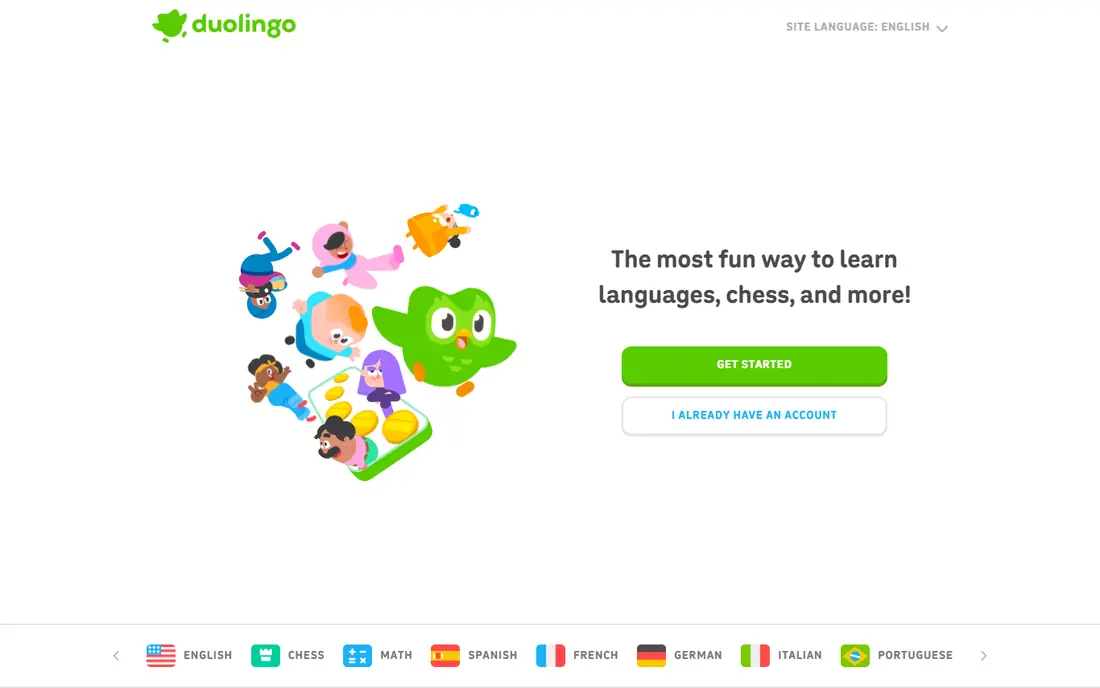
Duolingo is the easiest way to start Italian for free, with short, game-like lessons that cover vocabulary, basic grammar, listening, and speaking in a few minutes a day. Streaks, levels, and reminders help beginners show up daily, which is often the hardest part of language learning. The Italian course is well developed for beginners, with useful travel and everyday vocabulary. The limit is depth. Grammar is taught mainly through patterns rather than clear explanations, and many learners find progress slows before they can hold a natural conversation. Paid Super removes ads and adds offline access, but it does not turn Duolingo into a full conversation course. Duolingo fits beginners who need a free, daily habit, ideally paired later with a structured course or tutor.
- Free core lessons with gamification
- Short daily lessons that build a habit
- Speech practice in many lessons
- Grammar explanations are shallow
- Progress stalls around intermediate level
- Ads on free plan
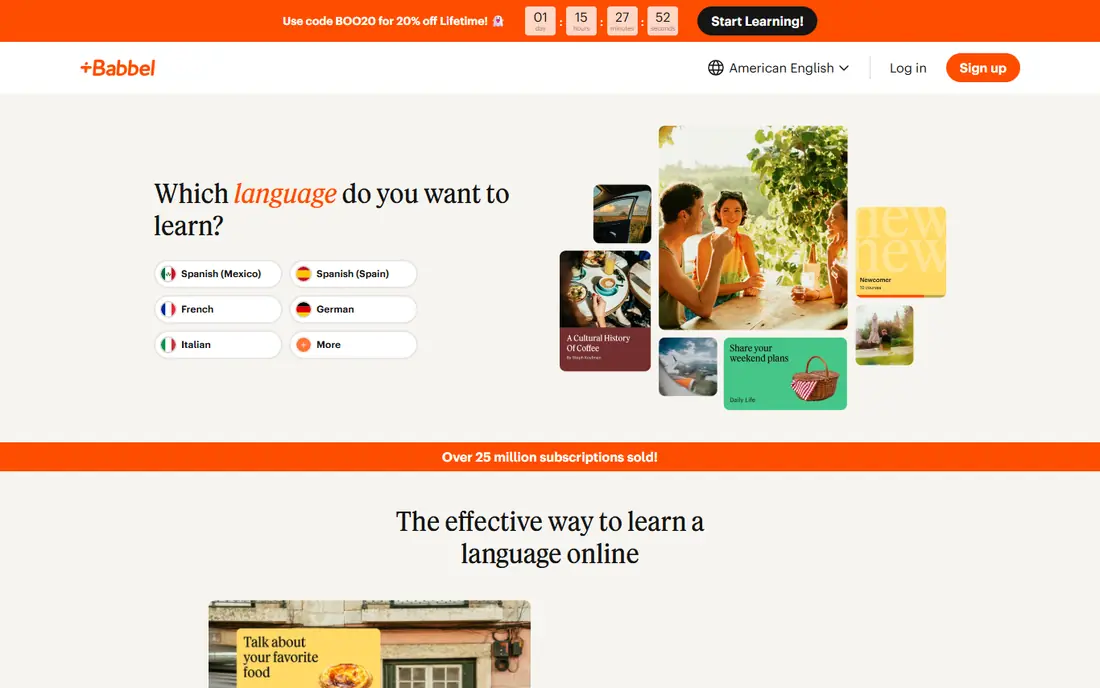
Babbel offers structured Italian lessons designed by language teachers, with short units that explain grammar, introduce dialogues, and practise real conversation topics such as travel, work, and daily life. That structure helps learners who want a clear path from beginner to intermediate, rather than random vocabulary drills. Speech recognition also gives feedback on pronunciation as you practise phrases aloud. Babbel costs more than a free app, with monthly pricing around $15 per month in the sources we reviewed, and annual plans lower the monthly cost. It also has less gamification than Duolingo, which some learners miss. For learners who want to reach conversational Italian with proper grammar, Babbel is the strongest paid course in this list.
- Lessons built by language teachers
- Clear grammar and conversation focus
- Speech recognition for pronunciation
- No lasting free plan beyond trial
- Fewer languages than Duolingo
- Less gamification for some learners
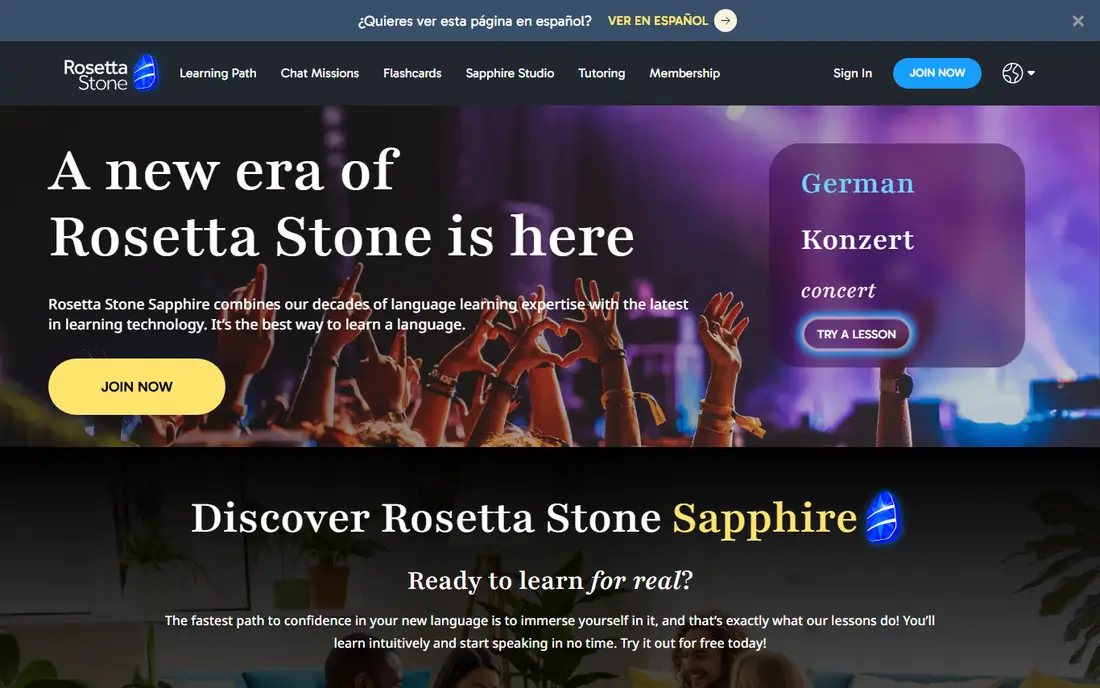
Rosetta Stone teaches Italian through images, audio, and matching exercises, without translation in the core lessons, which forces learners to think in Italian from the start. Its TruAccent speech engine gives syllable-level pronunciation feedback, which helps learners sound more natural. Lessons are short, structured, and available offline on paid plans, which suits travel and commuting. The immersive method can frustrate learners who want clear grammar explanations in English, and progress can feel slow for abstract topics. Pricing was listed around $12 per month in the sources we reviewed, with lifetime options for one language or all languages. Rosetta Stone fits learners who like visual, immersive practice and who want strong pronunciation work.
- Immersive image and audio method
- TruAccent pronunciation feedback
- Offline lessons on paid plans
- No English explanations in core lessons
- Slower for grammar learners
- Lifetime price varies by offer
Pimsleur is built around 30-minute audio lessons that ask you to listen, repeat, and answer in Italian, which trains speaking and listening from the first lesson. That audio-first method suits commuters, walkers, and learners who freeze when speaking, since it builds confidence through repetition and recall. Italian lessons cover travel, daily life, and conversation in a gradual, structured order. Pimsleur gives less reading and writing practice than Babbel or Duolingo, so learners who want to read Italian books or write messages will need another tool. Pricing was listed around $20 per month in the sources we reviewed, with annual plans available. For learners who learn best by listening and speaking, Pimsleur is the best audio choice here.
- Audio lessons built around speaking aloud
- Strong for pronunciation and listening
- Hands-free for driving and walking
- Less reading and writing practice
- Monthly cost is higher than many apps
- Lessons follow a fixed audio path
Busuu combines structured Italian lessons with community feedback, where native speakers correct your writing and speaking exercises. That human feedback is a real advantage, since it catches errors and natural phrasing that automated checks miss. Lessons follow CEFR levels, from A1 to higher levels, which helps learners track progress toward a recognised standard. The free tier covers basic lessons, but premium is needed for offline access, full grammar, and personalised study plans. Premium pricing was listed around $14 per month in some sources, with annual plans lower. Busuu fits learners who want structure plus real human feedback, without paying for live tutor lessons yet.
- Free tier to start
- Native-speaker corrections on writing and speaking
- Clear CEFR level path from A1 upward
- Free tier is limited
- Premium needed for offline and full features
- Course depth varies by level
Memrise focuses on vocabulary and listening, with video clips of native speakers using Italian in real contexts, plus spaced repetition to help words stick. That real-world listening helps learners move from textbook Italian to the speed and rhythm of natural speech. The app also covers useful phrases for travel, food, and daily life, which makes it a good companion to a structured course. Memrise is weaker as a standalone grammar course, and learners who rely on it alone may struggle with sentence building. Pro pricing was listed around $9 per month in the sources we reviewed. Memrise fits learners who want to build vocabulary and listening fast, especially for travel, and who already have or plan to add a grammar course.
- Free tier for core learning
- Video clips of native speakers
- Spaced repetition for vocabulary
- Less structured grammar teaching
- Pro needed for full features
- Course quality varies by topic
Mondly offers short Italian lessons with vocabulary, phrases, and a chatbot for practising conversation in a low-pressure setting. Daily lessons, weekly quizzes, and speech recognition help learners build a routine, and the chatbot gives a safe first step toward speaking before talking to a real person. Mondly also covers many languages, which suits learners who study more than one language. Grammar teaching is thinner than in Babbel, and chatbot conversations cannot match a human tutor for correction and natural flow. Pricing was listed around $10 per month in the sources we reviewed, with lifetime options available. Mondly fits learners who want varied, short practice and a gentle introduction to speaking, especially for travel preparation.
- Short daily lessons with chatbot conversation
- Speech recognition
- Offline access on paid plans
- Grammar depth is thinner than Babbel
- Conversation chatbot feels limited compared with a tutor
- Lifetime offers vary
LingQ takes an immersion approach, letting learners read and listen to real Italian content, from stories and news to podcasts, while tracking known words and reviewing new vocabulary. Clicking a word shows its meaning and saves it for spaced review, which turns reading into active learning. That method suits intermediate learners who want to move from course Italian to real Italian media. Absolute beginners may find LingQ less guided than Babbel or Duolingo, since it assumes some basic vocabulary to start reading. Pricing was listed around $13 per month in the sources we reviewed. LingQ fits learners who enjoy reading and listening, who want to build vocabulary from real content, and who are ready to move beyond beginner courses.
- Learn from real Italian texts and audio
- Vocabulary tracking with spaced review
- Large imported content library
- Interface takes time to learn
- Less structured for absolute beginners
- Full features need a paid plan
italki connects learners with professional Italian teachers and community tutors for one-to-one video lessons, priced per lesson rather than by subscription. That flexibility lets learners choose a tutor, schedule, and focus, from travel conversation to grammar, exam preparation, or business Italian. For intermediate learners, regular tutor conversation is often the step that turns app knowledge into real speaking skill. Lesson prices vary widely by tutor, from around $5 to $40 per lesson in the sources we reviewed, so costs depend on tutor choice and frequency. italki also offers no fixed course path, so learners need to set goals with their tutor. For learners who want to speak Italian with confidence, italki is the best complement to any app in this list.
- One-to-one lessons with native Italian tutors
- Flexible scheduling and pricing by tutor
- Conversation and exam preparation
- No subscription course structure
- Lesson quality varies by tutor
- Costs add up with frequent lessons
How we picked these
We compared official feature pages, pricing pages, app store listings, privacy policies, and public reviews for apps that were actively available in October 2026. We looked at course structure, grammar teaching, speaking practice, listening content, free tiers, and suitability for beginners, travellers, and intermediate learners. We also favoured a mix of free habit builders, structured courses, audio tools, immersion apps, and live tutoring, since no single app covers every stage of learning Italian. We did not claim hands-on testing, and we treated pricing as approximate where it varied by billing period, region, or tutor. When a price differed across sources, we used a common published figure or See website for tutor pricing, and readers should confirm current pricing on the vendor page before subscribing.
How to choose an Italian app for your goal
Start with your goal and your time. For a trip in a few weeks, focus on travel phrases, listening, and speaking, with Duolingo, Memrise, or Pimsleur. For long-term fluency, choose a structured course such as Babbel, add immersion with LingQ, and add tutor lessons on italki once you reach basic conversation. For daily habit building on a budget, start free with Duolingo or Busuu and upgrade only when you hit a clear limit.
Build a simple weekly routine
Use one main app for 15 to 20 minutes a day, plus one speaking or listening activity each week. For example, use Babbel for structure, Memrise for vocabulary, and italki for a weekly conversation. A routine you can keep for three months beats a perfect plan you abandon in two weeks, so choose tools you enjoy opening.
Check speaking, not just vocabulary
Many learners build a large vocabulary but cannot speak, because their app rarely asks them to talk. Check whether an app includes speech recognition, chatbot practice, or live lessons, and add speaking early, even if it feels awkward. Pimsleur, Babbel, and italki all help here in different ways, and early speaking prevents a later confidence gap.
Plan the step beyond beginner level
Most apps in this list work best up to intermediate level, after which real content and conversation matter more. Plan that step early, with LingQ for reading and listening, and italki for speaking, so you do not stall after finishing a beginner course. Also set a simple test, such as ordering food, asking directions, or holding a five-minute conversation, to check progress in real use.
Frequently asked questions
What is the best app to learn Italian for travel?
Duolingo and Memrise are good free starts for travel phrases and vocabulary, while Pimsleur suits travellers who want to speak and listen hands-free. Babbel also covers travel dialogues with clearer grammar. For a short trip, focus on greetings, food, directions, numbers, and polite phrases, and practise speaking aloud every day.
What is the best app to learn Italian fast?
No app alone makes you fluent fast, but a focused routine helps. Babbel gives the fastest structured path to conversation, Pimsleur builds speaking quickly for audio learners, and italki accelerates progress through live practice. Combine a daily app with weekly tutor lessons and real Italian media for the fastest realistic progress.
Is there a best free Italian language app?
Duolingo is the best free Italian app for starting, with full core lessons at no cost, though ads apply. Busuu and Memrise also offer free tiers, with limits on premium features. Free apps suit beginners and habit building, but most learners will need a paid course or tutor later for grammar depth and speaking practice.
Which app is best for learning Italian for beginners?
Duolingo is the easiest beginner start, while Babbel is the best beginner course for learners who want structure and grammar. Busuu also suits beginners who want community feedback and a clear level path. Start with one app for two weeks, then add a second tool only if you hit a gap in speaking, grammar, or listening.
Can I become fluent using only an app?
Apps build vocabulary, grammar, and listening, but fluency also needs live conversation, reading, and listening to real Italian. Most learners reach intermediate level with apps alone, then need tutor lessons, immersion, and real practice to become fluent. Use apps as a daily base, not as the only method, for the best long-term result.
What is the best platform to learn Italian online?
For self-study, Babbel is the strongest structured platform, while Duolingo is the best free platform. For live learning, italki offers the widest tutor choice and flexible pricing. A combined platform approach, with Babbel or Duolingo for daily study and italki for speaking, usually beats any single platform for serious learners.
Sources
See where you really rank - block by block
ProMapRanker scans Google Maps across a grid of your service area. Simple monthly plans from $19, white-label on every plan.
Start freeKeep reading
 zendesk alternatives
Best Zendesk Alternatives in 2026
Compare the best Zendesk alternatives in 2026, from budget help desks to AI-first support tools, with current pricing, free plans, and honest trade-offs.
Read → wordpress alternatives
Best WordPress Alternatives in 2026
Looking for the best WordPress alternatives? We compare 8 free and paid options for blogs, business sites, stores, and developer-led projects in 2026.
Read → which real estate company has the best training
Best Real Estate Company Training in 2026
Compare which real estate company has the best training, from Keller Williams and eXp to Compass and Coldwell Banker, by program, mentor, and fit in 2026.
Read →