 ProMapRanker
Best Apps to Learn Dutch in 2026


Building a daily Dutch habit for free · Pricing starts at: $6.99 per month
Key takeaways
- Duolingo is the easiest free start for Dutch, while Babbel and Rosetta Stone give more structured lessons for learners who want a clear course path.
- Pimsleur and italki suit learners who want to speak, with audio drills on one side and live tutors on the other.
- Most paid apps cost roughly $7 to $21 per month, so a free trial or free tier is worth using before you commit to a year.
- No single app covers everything, and pairing a daily app with real conversation practice gives the best return on study time.
Quick comparison
| Pick | Great for | Pricing starts at | Free tier | |
|---|---|---|---|---|
| Duolingo | Building a daily Dutch habit for free | $6.99 per month | Yes | Visit |
 Babbel | Structured lessons with clear grammar explanations | $13.95 per month | No | Visit |
 Rosetta Stone | Learning Dutch through pictures and context | $11.99 per month | No | Visit |
 Pimsleur | Speaking Dutch from audio lessons alone | $20.95 per month | Free trial | Visit |
 Mondly | Short daily lessons with chatbot conversation practice | See website | Yes | Visit |
 Memrise | Vocabulary and hearing real spoken Dutch | $8.99 per month | Yes | Visit |
 Busuu | Getting corrections from native Dutch speakers | See website | Yes | Visit |
 LingQ | Learning Dutch from reading and listening material | See website | Yes | Visit |
 italki | Live one-to-one lessons with Dutch tutors | See website | No | Visit |
 Mango Languages | Practical Dutch phrases for travel and daily life | See website | No | Visit |
The best apps to learn Dutch
Dutch has sounds and word order that reward steady practice, and these apps approach that practice in very different ways. We compared their lesson styles, speaking tools, prices, and free options to help you choose one main app and, if needed, one backup.

Duolingo is the simplest place to start Dutch. Lessons are short, visual, and built around matching, translating, and speaking short phrases, so a beginner can finish a session in a few minutes. The free tier is genuinely useful, with ads and limits that paid Super removes, and the app works well on a phone during a commute or a lunch break.
The catch is depth. Duolingo teaches useful words and sentence patterns, but it does not explain Dutch grammar in much detail, and learners who finish the course often still struggle in a real conversation. Treat it as a habit builder and a vocabulary base, then add speaking practice or a more structured course when you are ready to move past the basics.
- Free tier covers a lot of ground
- Short lessons fit small gaps in the day
- Streaks and reminders help beginners stay consistent
- Grammar explanations are thin
- Progress can stall at intermediate level
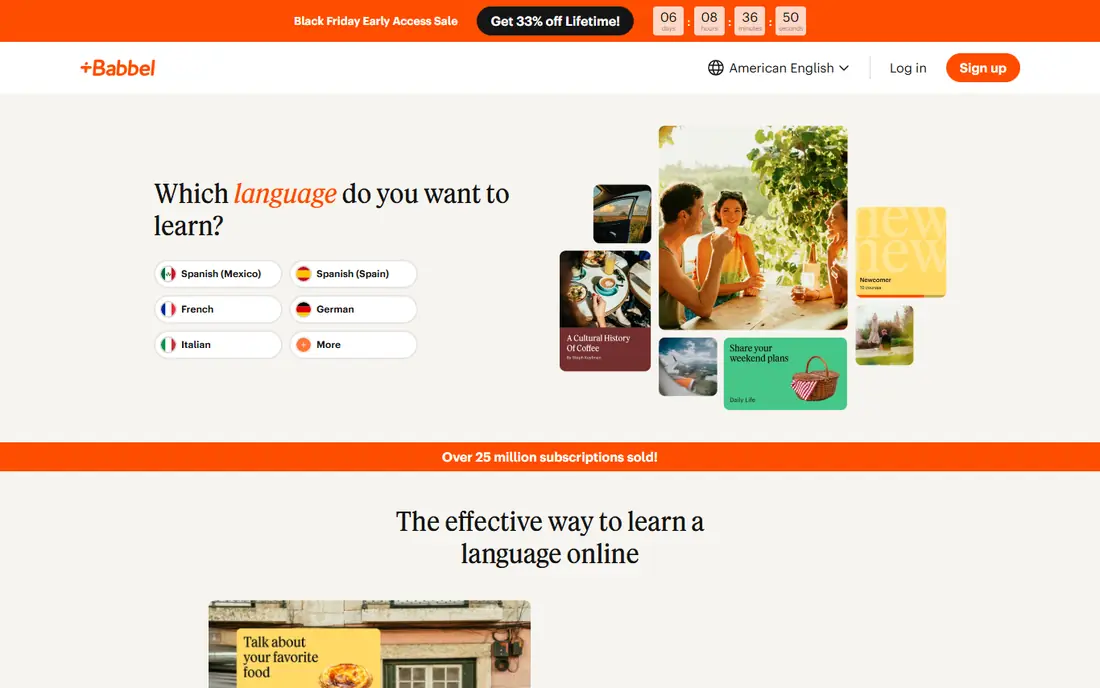
Babbel feels more like a course than a game. Lessons follow a set path, introduce grammar in small steps, and use dialogues about travel, work, and daily life in the Netherlands and Belgium. Speech recognition gives you a chance to practise pronunciation, and the review feature brings back words at intervals so they are less likely to fade.
That structure suits learners who want to know why a sentence works, not just how to repeat it. The downside is price and commitment, since the free preview is limited and the full course needs a subscription. If you like a tidy lesson plan and you study several times a week, Babbel is one of the strongest paid picks here.
- Lessons are built by language teachers
- Dialogues focus on everyday situations
- Review sessions reinforce earlier material
- No full free tier
- Live classes cost extra on some plans

Rosetta Stone teaches Dutch the way it teaches every language: with images, spoken words, and matching exercises, and almost no English in the lesson itself. That approach forces you to guess meaning from context, which can build strong listening habits and a good feel for common phrases. Its speech tool, TruAccent, compares your pronunciation with a model voice and flags sounds that need work.
Some learners love that immersion, and others find it slow when they hit tricky grammar such as word order in subordinate clauses. There is no free tier to test the full course, so use the trial or demo content first. It works best for patient beginners who want a calm, repeatable routine.
- Immersive method avoids constant translation
- Speech recognition checks pronunciation
- Lessons work offline on paid plans
- Grammar rules are rarely explained directly
- The method can feel slow for learners who like explicit rules
Pimsleur is built for your ears. Each lesson is about 30 minutes of listening and responding, with a narrator prompting you to recall words and build sentences aloud. That format is ideal if you spend time in a car, on a run, or doing chores, and it helps Dutch pronunciation because you hear and repeat sounds in full sentences rather than single words.
The trade-off is scope. Pimsleur covers conversation well, but it is not the best tool for reading Dutch news, writing emails, or studying grammar in detail. It also costs more per month than most apps on this list. Use it as your speaking engine, and pair it with a reading or vocabulary app if you need the full range of skills.
- Audio lessons build speaking confidence early
- Lessons suit driving and walking
- Spaced repetition is built into the method
- Higher monthly price
- Reading and writing get less attention than speaking
Mondly keeps lessons brief and game-like, with vocabulary drills, sentence building, and a chatbot that lets you practise simple dialogues without a human listener. The app also covers topics such as food, travel, and work, which map well onto a first trip or a move.
Advanced learners may find the ceiling lower than Babbel or LingQ, since lessons stay fairly general. Prices change with promotions, so we list the price as See website rather than quoting a figure that may be out of date by the time you read this. Mondly is a solid second app or a light daily option, rather than a complete course on its own.
- Daily lessons are short and varied
- Chatbot dialogues give low-pressure speaking practice
- A wide set of languages sits under one account style
- Lesson depth is limited at higher levels
- Pricing varies by plan and offer, so check the checkout page
Memrise focuses on words you will actually hear. Short video clips of native speakers, paired with repetition exercises, help you connect a word with a face, a voice, and a situation, which makes recall easier than a plain flashcard list. The app tracks what you know and brings words back before you forget them, a routine that suits daily commuters and casual learners alike.
Grammar is not the main event here. You will pick up patterns from examples, but you will not get the step-by-step explanations that Babbel offers. Memrise works best as a vocabulary partner next to a structured course, or as a main app for learners whose first goal is understanding everyday spoken Dutch.
- Video clips show native speakers using words in context
- Spaced repetition supports long-term recall
- Free tier is useful for trying the style
- Grammar teaching is lighter than Babbel
- Some features sit behind the paid Pro plan
Busuu stands out because other learners can correct your work. You write or record an answer in Dutch, and native speakers in the community can point out mistakes and suggest more natural phrasing. That human feedback is valuable for a language where small word-order changes alter meaning, and it adds a social pull that keeps many learners coming back.
The free tier covers the basics, but full courses, offline mode, and grammar review sit behind Premium, and community replies are not instant. If you want a course with a clear level path plus real human corrections, Busuu is a strong middle option between a game-like app and a live tutor.
- Community feedback on writing and speaking exercises
- Courses are organised by language level
- Offline mode is available on paid plans
- Free tier is limited
- Feedback speed depends on other community members
LingQ is for learners who like to read and listen their way forward. You open a Dutch text, tap unknown words to save them, and listen to the audio while you follow along, and the app tracks which words you know and which ones keep tripping you up. You can also import your own articles, podcasts, or videos, so your study material can match your interests, from football to cooking.
That freedom is also the challenge. The interface has more buttons and settings than a simple lesson app, and true beginners may feel lost in a real article without some basics first. LingQ shines at the intermediate stage, when you already know common words and want to grow vocabulary through stories and articles you actually enjoy.
- Import your own Dutch articles and audio
- Vocabulary tracking follows words across texts
- Content ranges from beginner stories to real articles
- Interface takes time to learn
- Beginners may need a basic course first before real texts feel manageable
No app replaces a real conversation, and italki is the most direct route to one. You browse Dutch tutors and community teachers, check their profiles and reviews, and book video lessons at times that fit your week. A tutor can correct your pronunciation on the spot, explain a grammar point with your own examples, and practise the exact situations you face, from a job interview to a visit to the town hall.
Costs depend on the tutor, with community teachers usually cheaper than professional teachers, so we list the price as See website. The other cost is discipline, since lessons only help if you book them regularly. For learners who have finished a beginner course and feel stuck, one weekly italki session often does more than another month of solo drills.
- Choose tutors by price, availability, and teaching style
- Lessons focus on your exact goals
- Trial lessons help you test a tutor cheaply
- Prices vary by tutor, so costs are less predictable
- You need to schedule and show up, which suits self-directed learners best
Mango Languages
Great for: Practical Dutch phrases for travel and daily life
Mango Languages takes a phrase-first approach, teaching Dutch through conversations with notes on meaning, grammar, and culture tucked in beside each line. That style suits travellers, new arrivals, and learners who want to handle shops, stations, and small talk before they tackle formal grammar. The voice comparison tool lets you record a phrase and compare it with a native speaker, which helps with Dutch sounds such as the guttural g.
It is not the deepest course on this list, and advanced learners will outgrow it sooner than Babbel or LingQ. The best way to try it is often free: many public libraries in the United States offer Mango Languages to cardholders, so check your library before you pay for a subscription. If you can get it free, it is an easy addition to any Dutch routine.
- Lessons explain cultural notes alongside phrases
- Voice comparison helps with pronunciation
- Many public libraries offer free access
- Less depth for advanced grammar
- Direct subscriptions are priced by the vendor, so check the site before buying
How we picked these
We compared official feature pages, pricing pages, and app store listings for apps that offer a Dutch course in October 2026, and we kept only apps that are live, offer Dutch as a full course or a tutoring option, and fit a normal learner routine. We favoured a mix of free starts, structured courses, audio methods, reading tools, and live tutoring, and we left out apps with no Dutch course or only a token set of phrases. Prices quoted here are the starting figures shown in recent vendor and review listings, and anything that varied by offer or tutor is marked See website so you can confirm it at checkout.
How to choose the best app to learn Dutch
Start with your goal, not the app store chart. If you need Dutch for a holiday, a phrase app plus a daily habit app will cover you. If you are moving to the Netherlands or Belgium, a structured course plus weekly speaking practice is a better investment, since you will need to handle forms, work conversations, and everyday admin in Dutch.
Match the method to your day
Think about when you actually study. Audio lessons suit commutes, short game-like lessons suit spare minutes, and reading tools suit a quiet evening. An app that fits your day will beat a better app that you never open, so pick the format first and the brand second.
Test speaking early
Dutch pronunciation rewards early practice. Choose at least one tool that makes you speak, whether that is speech recognition, a chatbot, or a live tutor, and use it from the first week. Reading alone builds a false sense of progress, since understanding a word on screen is easier than producing it in a shop or on the phone.
Set a simple weekly plan
A workable plan is short: one main app for 15 minutes a day, one speaking session a week, and a weekly review of words you keep missing. Keep the plan for a month before you judge it, and change only one thing at a time if it is not working. Consistency matters more than the perfect app, and most learners improve fastest when the routine survives a busy week.
Frequently asked questions
What is the best app to learn Dutch for beginners?
Duolingo is the easiest free start, and Babbel is our pick for beginners who want structured lessons with grammar explanations. Start free if you are unsure, then move to a paid course once you study most days.
What is the best app for learning Dutch speaking skills?
Pimsleur builds speaking through audio drills, and italki gives live conversation with a tutor who can correct you in real time. Use Pimsleur for daily practice and italki for a weekly conversation if your budget allows both.
Is there a good free app to learn Dutch?
Yes. Duolingo, Memrise, Busuu, LingQ, and Mondly all offer free tiers that cover beginner material, though full courses and offline modes usually need a paid plan. A free tier is enough to test the teaching style before you pay.
How long does it take to learn Dutch with an app?
It depends on your starting point and study time. Daily practice of 15 to 30 minutes can build basic conversation skills in a few months, while comfortable everyday fluency usually takes a year or more of steady study plus real conversation.
Can I learn Dutch with an app alone?
An app can carry you a long way, especially at beginner and intermediate levels, but speaking with real people fills gaps that apps miss. Pair your app with conversation practice, Dutch media, or a tutor when you are ready to speak with confidence.
Sources
See where you really rank - block by block
ProMapRanker scans Google Maps across a grid of your service area. Simple monthly plans from $19, white-label on every plan.
Start freeKeep reading
 zscaler alternatives
Best Zscaler Alternatives in 2026
Looking for zscaler alternatives? We compare 9 SASE and zero trust platforms on architecture, data protection, pricing, and fit for your network and team.
Read → zapier alternatives free
Best Zapier Alternatives Free in 2026
Nine automation tools for zapier alternatives free in 2026, all with genuinely free tiers, plus free plan limits, starting prices and upgrade paths explained.
Read → which platform is best for online reputation
Which Platform Is Best for Online Reputation in 2026
Wondering which platform is best for online reputation? We compare 8 review, listing, and response tools for small and multi-location businesses and agencies.
Read →