 ProMapRanker
Best Apps for Resellers in 2026

Key takeaways
- Poshmark, Mercari, eBay, Depop, and Vinted cover most secondhand demand, and each one attracts a different kind of buyer.
- Crosslisting tools such as Vendoo, List Perfectly, Crosslist, and Nifty save the most time once you sell on more than one marketplace.
- Vendoo is the gentlest start for new crosslisters, while List Perfectly suits high-volume sellers who need bulk actions.
- Whatnot suits live selling and collectibles, but it is not a good main home for slow, everyday clothing listings.
- Fees, shipping rules, and buyer habits matter as much as listing tools, so check each marketplace fee page before you price items.
Quick comparison
| Pick | Great for | Pricing starts at | Free tier | |
|---|---|---|---|---|
 Poshmark | Fashion and social selling | Free | Yes | Visit |
 Mercari | Simple general resale | Free | Yes | Visit |
 eBay | Wide reach and auctions | Free | Yes | Visit |
 Depop | Vintage and trend-led fashion | Free | Yes | Visit |
 Vinted | Low-fee clothing resale | Free | Yes | Visit |
 Whatnot | Live selling and collectibles | Free | Yes | Visit |
 Vendoo | Beginner crosslisting | $14.99 per month | Yes | Visit |
 List Perfectly | High-volume crosslisting | $29 per month | No | Visit |
 Crosslist | Single-form crosslisting | $29.99 per month | No | Visit |
 Nifty | AI listings and automation | See website | No | Visit |
The best apps for resellers
This list mixes the marketplaces where buyers shop with the tools that help you list on several of them at once. We compared official marketplace pages, crosslisting features, and published pricing, and we focused on tools that fit solo resellers and small teams.

Poshmark remains a first stop for clothing, shoes, and accessories, because buyers arrive already looking for secondhand fashion. The social side matters here: sharing listings, following sellers, and sending offers are part of how items get seen. Sellers who engage with that system tend to do better than sellers who list and wait.
The cost is the selling fee, which you should build into your price from the start. Sharing by hand can also eat into evenings, which is why many Poshmark sellers later add a crosslisting or sharing tool. For fashion-focused resellers, Poshmark is still a core marketplace rather than an optional extra.
- Large fashion buyer base
- Social sharing and offers
- Simple listing flow for clothing
- Selling fee applies to sales
- Sharing takes time without automation
- Fashion focus limits other categories
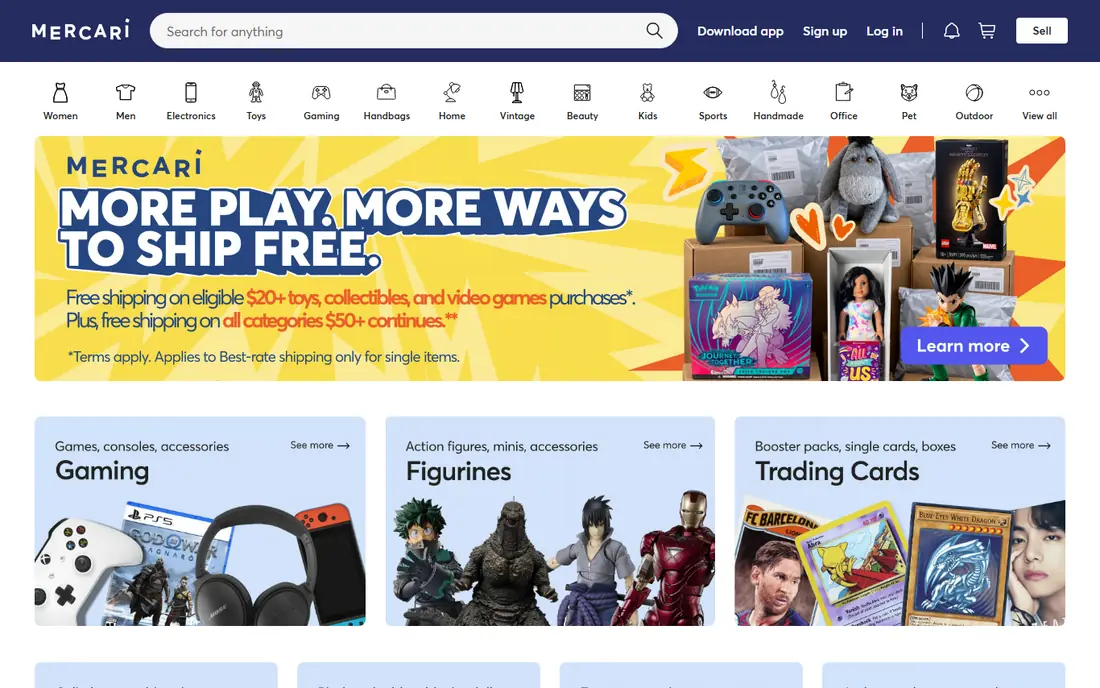
Mercari suits resellers who want a simple place to sell almost anything, from electronics to home goods to clothing. Listing is quick, with photos, a title, a description, and a price, and buyers can make offers without a long negotiation thread. That simplicity makes it a good second marketplace for items that do not fit a fashion-only audience.
Competition is the main drawback. Because Mercari covers so many categories, similar items often sit side by side at close prices. Clear photos, honest condition notes, and fair shipping choices help a listing stand out. For general resale, Mercari earns its place as a steady, easy marketplace.
- Easy listing for many categories
- Broad buyer base
- Straightforward shipping options
- Selling fees apply
- Less fashion community than Poshmark
- Price competition can be sharp
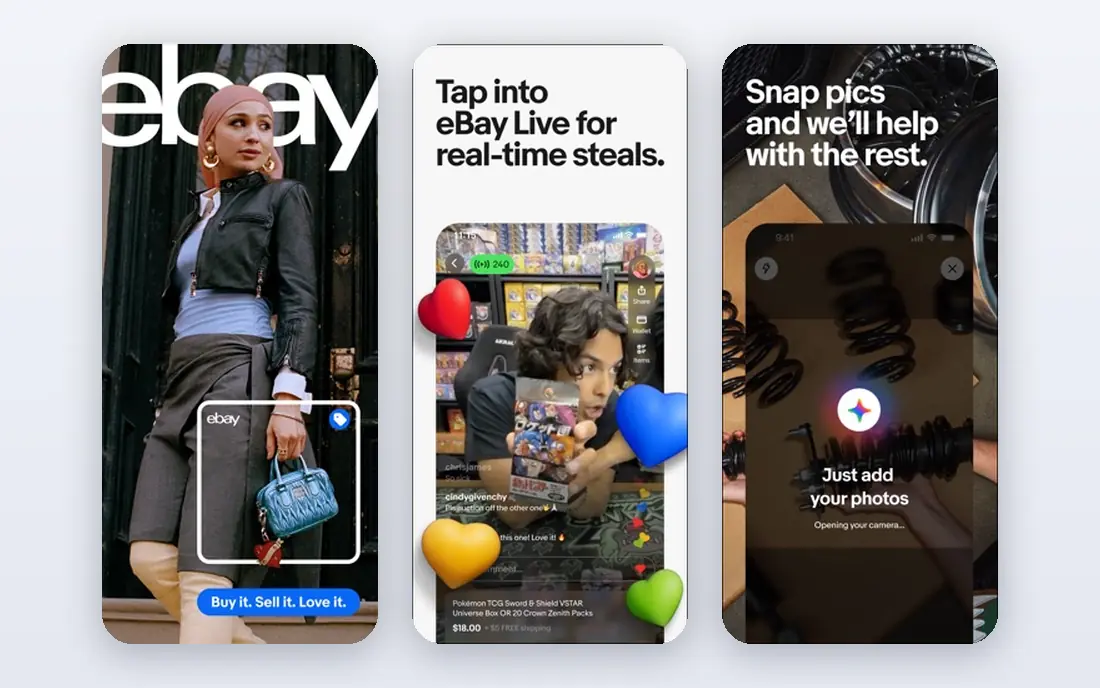
eBay is the widest net on this list. It works for vintage finds, branded goods, electronics, collectibles, and many items that smaller marketplaces never see. Auctions can help for rare items, while fixed-price listings suit steady inventory. Its search tools also help buyers find exact models, sizes, and editions.
The trade-off is complexity. Fees, shipping rules, return policies, and seller standards all need attention, and a dispute can take time to resolve. New sellers should start with a small number of listings and learn the fee structure before scaling. For rare or branded stock, eBay is often where the buyer already is.
- Very large buyer base
- Auction and fixed-price options
- Strong search for rare and branded items
- Fees and policies need careful reading
- Returns and cases take time
- Competition is high
Depop fits resellers who source vintage, streetwear, and trend-led pieces. Its feed feels closer to social media than to a catalog, so strong photos and a clear shop style matter more than long descriptions. One-off items with character tend to do well, while plain basics can sit longer.
That audience focus is also a limit. If your stock is mostly everyday basics, Depop may bring fewer buyers than Poshmark or eBay. Fees also apply, so price with them in mind. For vintage hunters and trend sellers, Depop is a key marketplace rather than a side channel.
- Strong audience for vintage and streetwear
- Visual, social feed
- Good for one-off unique pieces
- Audience skews young and trend-led
- Fees apply
- Less suited to plain everyday basics
Vinted appeals to resellers who want to keep more of each sale, because its fee setup is friendlier to sellers than several rivals in many regions. The audience is mainly clothing-focused, which suits wardrobes, bundles, and everyday fashion. Listing and buyer chat are simple, which helps sellers move stock without heavy tooling.
Check the current fee and protection rules for your country before you rely on Vinted, because buyer-side fees can affect what buyers are willing to pay. It is also less useful for electronics or home goods. For clothing resellers who want a low-cost channel, Vinted is a strong addition.
- Seller-friendly fee setup in many cases
- Large clothing audience
- Simple listing and chat
- Buyer protection fees can affect buyer prices
- Category focus is mainly clothing
- Shipping options vary by region
Whatnot is different from the other marketplaces here, because selling happens live. Hosts run shows, show items on camera, and take bids in real time. That format works well for trading cards, collectibles, sneakers, and other items where condition and story matter in the moment.
It is not a passive listing channel. A good show needs preparation, a schedule, and comfort on camera, and slow fashion stock may not suit the pace. Fees also apply to sales. For resellers with collectible stock and a taste for live selling, Whatnot can move items fast. For everyone else, it is a specialist tool.
- Live shows create urgency
- Strong for collectibles, cards, and sneakers
- Built-in live selling tools
- Live format needs preparation and time
- Less suited to slow clothing listings
- Fees apply
Vendoo is our pick for resellers who are crosslisting for the first time. You create a listing once, then send it to several marketplaces, including eBay, Poshmark, Mercari, Depop, and others. When an item sells in one place, delisting help reduces the risk of selling the same item twice.
The free tier has limits, so most active sellers will need a paid plan. Some marketplaces also need a browser extension rather than a direct connection, which is worth testing during a trial. For sellers moving from one marketplace to two or three, Vendoo keeps the step up in effort small.
- Covers many major marketplaces
- Easier learning curve than power tools
- Inventory and delisting help
- Free tier is limited
- Some marketplaces need a browser extension
- Higher tiers cost more as volume grows
List Perfectly suits sellers who already have steady volume and want to manage it from one place. Its bulk tools, templates, and marketplace coverage help when you handle hundreds of active listings. The seller community is also a useful source of workflow ideas, from photo setups to pricing habits.
New sellers may find it heavier than Vendoo or Crosslist at first, and there is no free ongoing plan to learn slowly on. The monthly cost only makes sense once crosslisting saves you real hours each week. For high-volume resellers, that trade is usually worth it.
- Wide marketplace coverage
- Strong bulk listing and editing tools
- Active seller community
- Learning curve is steeper
- No free plan for ongoing use
- Price rises with higher tiers
Crosslist appeals to sellers who want one form, not one form per marketplace. You fill in the fields once, choose your marketplaces, and let background posting handle the rest. Bulk import also helps sellers who already have inventory listed elsewhere and want to bring it into one system.
The monthly price means it suits sellers with regular volume rather than occasional clear-outs. Some sellers will also miss the deeper bulk-editing tools found in List Perfectly. If your main pain is retyping the same listing many times, Crosslist solves that problem directly.
- One universal form for many marketplaces
- Background posting
- Bulk import for existing inventory
- No permanent free plan
- Fewer bulk-editing features than List Perfectly
- Monthly cost needs steady volume
Nifty aims at the two slowest parts of reselling: writing listings and keeping them active. Its AI tools can draft titles, descriptions, and tags from photos, while cloud automation handles sharing, relisting, and offers on supported marketplaces. Auto-delisting after a sale helps prevent double-selling, which is a real risk for crosslisters.
It covers fewer marketplaces than List Perfectly, so check that your main channels are supported before you commit. Automation also needs monitoring, because offers and relists still reflect your pricing choices. For sellers who want listing help plus automation in one tool, Nifty is a strong modern option.
- AI-generated titles and descriptions from photos
- Cloud automation for sharing and offers
- Auto-delisting after a sale
- Pricing varies by plan and needs checking
- Fewer marketplaces than some rivals
- Automation needs setup and monitoring
How we picked these
We compared marketplace audiences, seller fees, crosslisting coverage, and published pricing, and we favored tools that fit solo resellers and small teams. We did not claim hands-on testing. Our notes rest on official product pages, marketplace fee pages, and public seller guides. We left out tools that focus mainly on large brands with catalog stock, because they fit a different kind of seller.
How to build a reseller stack that pays for itself
Start with one marketplace that matches your stock, then add a second only when the first is steady. Fashion sellers often start on Poshmark or Depop, general sellers on Mercari or eBay, and clothing clear-out sellers on Vinted. Add a crosslisting tool only when listing the same item twice starts to cost you real time.
Price with fees and shipping in mind
Check each marketplace fee page before you set prices, because fees differ by category and sale price. Shipping also changes the math: a low item price with costly shipping can still lose money. Keep a simple sheet with item cost, fee, shipping, and net profit for each channel.
Avoid double-selling
Crosslisting brings reach, but it also brings the risk of selling one item twice. Use a tool with auto-delisting where you can, check sold items promptly, and pause other listings as soon as a sale lands. A short daily routine beats a long apology to a buyer.
Frequently asked questions
What is the best app for resellers who are just starting?
Poshmark or Mercari are good first marketplaces, because listing is simple and buyers are already there. Add Vendoo once you want to crosslist, since its learning curve is gentler than power tools.
What are the best reseller tools for crosslisting?
Vendoo, List Perfectly, Crosslist, and Nifty are the strongest crosslisting picks here. Vendoo suits beginners, List Perfectly suits high volume, Crosslist suits one-form posting, and Nifty suits sellers who want AI listing help.
What is the best platform for resellers who sell vintage?
Depop is a strong pick for vintage and trend-led fashion, while eBay suits rare, branded, and older items that buyers search for by name. Many vintage sellers use both, with Depop for style-led pieces and eBay for exact searches.
What is the best reseller software for a small team?
List Perfectly or Nifty suit small teams that need bulk tools or automation, while Vendoo suits a solo seller or a very small team. Check marketplace coverage first, then price, because a tool that misses your main channel will not save time.
Do reseller apps charge fees on every sale?
Most marketplaces charge a selling fee, a payment fee, or both, and rates differ by marketplace and category. Crosslisting tools charge a subscription on top of marketplace fees. Always read the current fee page before pricing, because fee changes can change your profit.
Can I sell the same item on several apps at once?
Yes, with a crosslisting tool or careful manual tracking, but you must remove other listings as soon as an item sells. Auto-delisting tools lower the risk, yet a quick manual check after each sale is still wise.
Sources
- https://www.poshmark.com
- https://www.mercari.com
- https://www.ebay.com
- https://www.depop.com
- https://www.vinted.com
- https://www.whatnot.com
- https://www.vendoo.com
- https://www.listperfectly.com
- https://www.crosslist.com
- https://www.nifty.ai
- https://www.welaunch.sh/blog/marketplace-multi-listing-software-in-2026-how-to-list-once-and-sell-on-every-pl
See where you really rank - block by block
ProMapRanker scans Google Maps across a grid of your service area. Simple monthly plans from $19, white-label on every plan.
Start freeKeep reading
 zoho inventory alternatives
6 Alternatives to Zoho Inventory, Compared on Price and Fit
Zoho Inventory alternatives: 6 tools compared on price, free plans and fit. Katana leads the list for manufacturers. Fit and flaws are laid out for each entry.
Read → zoho crm alternatives
Best Zoho CRM Alternatives (2026)
Need Zoho CRM alternatives? We compare 7 tools on cost, free access and who each suits. Every pick gets a straight assessment. Built for quick decisions.
Read → zelle alternatives
Best Zelle Alternatives in 2026
Compare the best Zelle alternatives for sending money to friends, paying sellers and moving funds abroad, with honest notes on fees, speed and safety in 2026.
Read →